
Airports can be a backpacker’s paradise, but they also come with their own set of challenges. Staying safe while navigating these bustling hubs is essential for a smooth journey. Let’s dive into how we can make our airport experience safer and more enjoyable. Read Interesting article: Essential Airport Safety Tips for Budget Backpackers
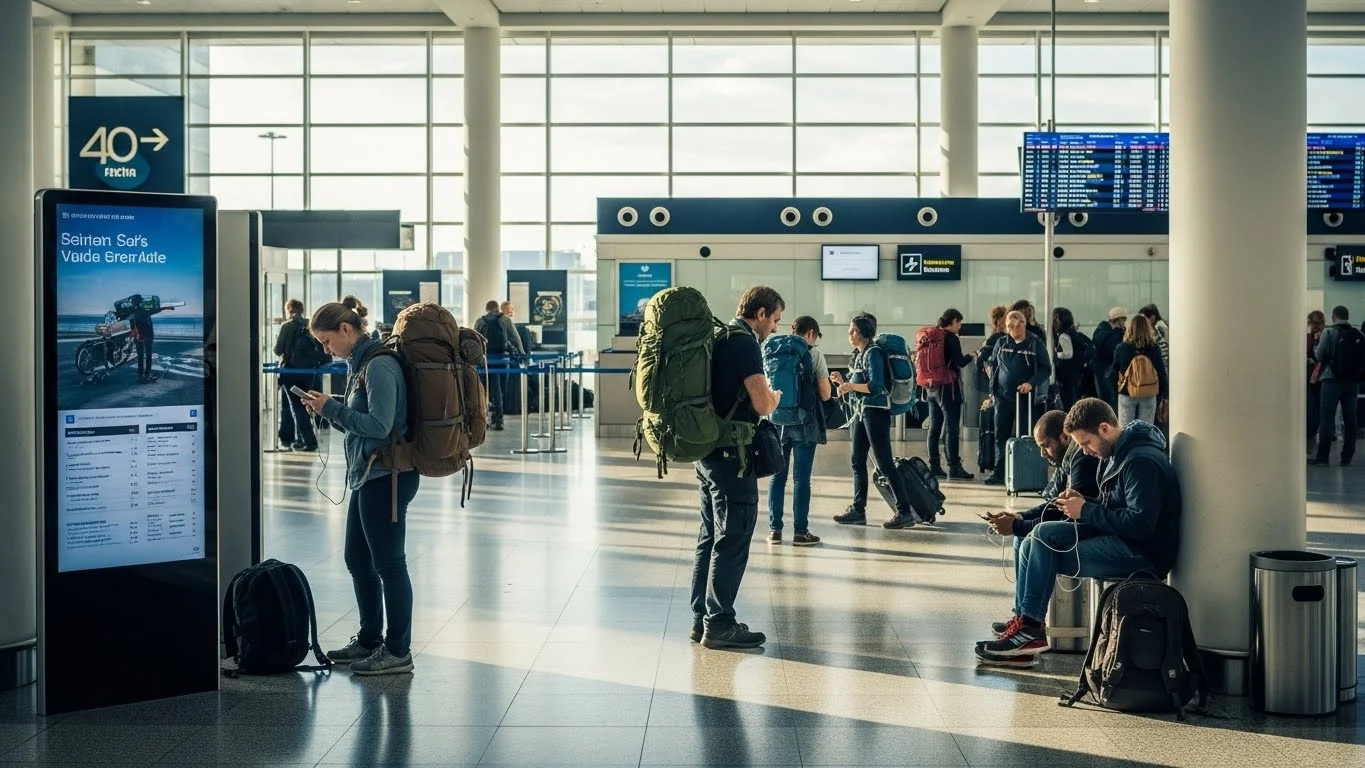
Understanding Airport Safety
The Importance of Airport Safety for Backpackers
As a backpacker, I’ve learned the importance of being vigilant, especially in busy places like airports. With so many people and a frenetic energy, it’s easy to get caught up in the excitement and let our guard down. I remember my first solo trip; I was overwhelmed by the sights and sounds, but I quickly realized that staying aware was crucial. For us wanderers, airport safety is not just about avoiding theft; it’s about ensuring our entire travel experience is smooth and stress-free.
Common Risks and Threats at Airports
There are a few risks I’ve encountered that I think every backpacker should be aware of. Theft is, unfortunately, prevalent in airports. I’ve seen pickpockets in action. They’re often skilled at distracting you while their accomplices swipe your belongings. Then there are scams—like the fraudulent taxi services that lurk around airport exits. I’ve learned the hard way that not every offer is as good as it seems. And let’s not forget about safety while waiting for flights or during layovers. Crowded areas are prime spots for petty crime. Being aware of these threats has helped me stay one step ahead during my travels.
Pre-Travel Preparations
Researching Your Airport
Before heading to any airport, I always make it a point to research the place. Every airport has its unique quirks and layout, which can significantly impact our experience. I found that websites like the airport’s official site provide valuable information about security procedures, amenities, and even the types of food available. Knowing whether the airport has charging stations, lounges, or even sleeping pods can be lifesavers during long layovers. Plus, looking up reviews from fellow travelers helps me gauge the safety of certain terminals and areas. You can find some great tips on this in our article on Family Travel Made Easy: Smart Packing Tips for Parents.
Understanding Airport Layouts
Once I’ve got a sense of what to expect, I familiarize myself with the airport layout. I like to print a map or save one on my phone so I can easily navigate once I arrive. I remember feeling lost at a massive airport once and wasting precious time trying to find my gate. Understanding where the security checkpoints, exits, and amenities are located can help reduce stress and prevent me from wandering into less secure areas. Many airports even have apps that provide real-time updates, which I find super handy!
Packing Smart: Essential Items for Safety
Packing smart is another tip that I cannot stress enough. I always keep essential safety items in my carry-on. A good lock for my backpack helps protect my belongings when I need to set it down, like at a cafe or during a layover. I also carry a small first aid kit and any necessary medications. Plus, I ensure my wallet is secure and not easily accessible to pickpockets. I learned the hard way that wearing a money belt or hidden pouch can save me from a lot of headaches. Keeping my important documents, like my passport and travel insurance, in a separate, secure location is also crucial. For more packing tips, check out our guide on Master Packing Light: Essential Tips for Long Trips.
Travel Insurance: Why It’s Necessary
Speaking of important documents, travel insurance has saved me more than once. I know, it might seem like an extra expense, but it’s a safety net that can cover unexpected situations. From lost luggage to medical emergencies, travel insurance provides peace of mind. I remember a trip where I fell ill overseas, and having insurance meant I could seek medical help without the stress of high costs. I always recommend looking into different plans and finding one that suits your travel needs; it’s worth the investment.
Arriving at the Airport
Timing Your Arrival: How Early Should You Get There?
Timing is everything when it comes to airport safety. I’ve learned to arrive earlier than I think I need to. Depending on the airport and time of day, security lines can be unpredictable. I’ve missed flights in the past because I underestimated the time required for check-in and security checks. A good rule of thumb is to aim for at least two hours for domestic flights and three hours for international ones. This not only gives me enough time to navigate through security but also allows me to relax before boarding.
Parking and Transportation Options
For those of us driving to the airport, knowing parking options is essential. I’ve had experiences where I parked in a distant lot and had to sprint to catch my flight. Nowadays, I prefer to use shuttle services or public transportation when possible. It’s usually cheaper and saves me the hassle of worrying about my car. If I do need to park, I always choose well-lit areas and try to remember where I parked, so I don’t waste time looking around later.
Using Airport Shuttles Safely
When using airport shuttles, I always stay alert. I’ve noticed that shuttles can sometimes be crowded, and it’s easy to lose track of belongings. I ensure my bags are close to me and that I’m aware of my surroundings. I also try to sit near the driver or exit, as this usually feels safer. If I have to wait for a shuttle, I prefer to stay in busy areas where there are other travelers around.
Security Checks and Procedures
Navigating TSA and Security Checks
When it comes to security checks, I’ve found that preparation is key. The Transportation Security Administration (TSA) has specific rules that can sometimes feel overwhelming, especially for us backpackers who tend to carry a variety of items. I’ve learned to keep my carry-on organized—having my laptop and liquids easily accessible makes the whole process smoother. I remember one time, fumbling through my bag at the security checkpoint, only to realize my water bottle was buried at the bottom. Now, I always pack liquids in an outer pocket so they’re easy to grab. Understanding the TSA’s 3-1-1 rule for liquids (3.4-ounce containers, one quart-sized bag, one bag per passenger) can save you from unnecessary delays and stress.
What to Expect During Screenings
Getting screened can sometimes be a nerve-wracking experience, but knowing what to expect has really helped me stay calm. I remember feeling a bit anxious during my first trip, unsure of how the whole process would unfold. Now, I know that I’ll need to remove my shoes, belt, and any bulky jackets before stepping through the metal detector. If selected for additional screening, I’ve learned to remain patient. The staff is just doing their jobs, and it’s essential to cooperate. I also recommend wearing shoes that are easy to take off and put back on, especially if I’m in a hurry.
Common Mistakes to Avoid at Security
Over the years, I’ve seen (and made) my fair share of mistakes at security. One of the biggest blunders is not checking the contents of my pockets before going through the scanner. I’ve had to step aside multiple times to remove random items like coins or my phone, which only adds to the stress. I suggest putting all your essentials—phone, wallet, keys—into your bag before reaching the checkpoint to streamline the process. Another common mistake is forgetting to label or properly pack chargers and electronic devices. I’ve learned that keeping these items in a designated pouch helps avoid confusion and keeps things organized.
Staying Aware and Alert
Recognizing Suspicious Behavior
Staying aware of my surroundings is something I’ve trained myself to do over the years. I always keep an eye out for suspicious behavior. For example, if I notice someone who seems overly interested in my belongings or is acting unusually, I stay alert. I’ve found that trust my gut feelings. There was a moment in an airport lounge when I noticed a person pacing back and forth, glancing around nervously. It put me on edge, and I made sure to keep my backpack close. Familiarizing myself with the usual airport environment helps me notice when something feels off.
Keeping Your Belongings Safe
When it comes to keeping my belongings safe, I’ve adopted a few habits that work well for me. I always keep my backpack zipped and close to me, especially in crowded areas. I prefer to use anti-theft bags with lockable zippers and cut-resistant straps, which give me extra peace of mind. I also make it a point to never leave my bag unattended, even for a moment. I once had to dart back to a cafe to retrieve my backpack that I left on the chair while I went to the restroom. It was a stressful experience that taught me to be more vigilant.
Understanding Emergency Protocols
Airports, like any busy public space, have emergency protocols in place. I always take a moment to familiarize myself with the emergency exits and procedures upon arrival. Most airports have signs posted, but if they don’t, I ask airport staff for guidance. I remember a time when there was a small commotion at the gate, and I felt more at ease knowing where I could go if something happened. Understanding the lay of the land helps me feel more secure, and in an emergency, knowing my options can make all the difference.
Dealing with Delays and Layovers
Safe Practices During Layovers
Layovers can sometimes feel like a double-edged sword for backpackers. On one hand, they can be long and tedious, but on the other, they offer opportunities for exploration. I’ve learned to approach layovers with caution. If I have several hours to kill, I often choose to stay in the airport rather than heading out into the city, especially if I’m in an unfamiliar destination. Ensuring I have a safe spot to rest, preferably near security, helps me feel more secure while waiting for my next flight.
Finding Secure and Comfortable Waiting Areas
During layovers, I’ve discovered that finding a good waiting area can make a big difference. Some airports have lounges, and I’ve found that splurging on a day pass is worth it for the comfort and amenities. If a lounge isn’t an option, I look for quieter corners away from heavy foot traffic. I also try to keep my belongings close and stay alert, as crowded areas can make me feel more vulnerable. I remember once finding a cozy, less crowded spot near a window, where I could watch the planes take off while feeling secure and relaxed.
How to Stay Entertained and Productive
To make the most of layovers, I’ve learned to keep myself entertained. I always download podcasts, audiobooks, or movies on my devices before traveling. This way, I can immerse myself in a story rather than feeling bored or restless. I also make an effort to catch up on travel journaling, reflecting on my experiences. It’s a great way to document my journey and can help me feel more productive during those waiting hours. I’ve found that having a few activities planned can keep my spirits high, even when my travel schedule is less than ideal.
Traveling with Electronics and Valuables
Protecting Your Devices and Data
As someone who relies heavily on my devices while traveling, protecting my electronics is a top priority. I’ve had my fair share of close calls with laptops and smartphones in crowded spaces. One habit I’ve adopted is using a padded, lockable case for my laptop. It not only protects it from bumps and drops but also makes me feel more secure when it’s by my side. Additionally, I always back up my data before a trip. I remember once losing an entire set of photos because my phone malfunctioned while traveling. Now, I use cloud storage to ensure my memories are safe, and I seriously recommend this to fellow travelers.
Strategies for Keeping Valuables Hidden
Keeping valuables hidden while navigating the airport is something I take seriously. I learned early on that it’s best to avoid showcasing expensive items. I’ve found that wearing a crossbody bag helps keep my essentials close to my body and out of sight. I also utilize hidden pockets in my clothing, like those in my travel pants, to store smaller items like cash or cards. When I’m at the airport, I make a habit of rotating my bags so that my backpack is in front of me or securely on my lap when I’m seated. This way, I can easily watch over my belongings and have them within reach.
Emergency Situations and How to Handle Them
What to Do in Case of Lost Items
Experiencing lost items at the airport can be stressful, but I’ve learned some steps that can ease the panic. First, I try to retrace my steps as calmly as possible. If I realize I’ve left something behind at a café or store, I head back there to check. In case it’s gone, I immediately inform airport staff. They often have a lost and found department that can help track down missing items. I remember a time when I lost my favorite travel journal, and after a few hours of searching and reporting it, I was thrilled to find it had been turned in. Keeping a list of important items can also help me stay organized and know exactly what to report missing.
Handling Medical Emergencies at the Airport
Medical emergencies can happen unexpectedly, and I’ve had my share of minor health issues while traveling. One time, I felt faint due to dehydration while waiting for a flight. Knowing where the medical assistance points are located in the airport is crucial. I always take a moment to identify them upon arrival. If I ever feel unwell, I don’t hesitate to approach airport staff for help. They are trained to assist in these situations. I also make sure I carry a small first aid kit in my backpack, including items like pain relievers, band-aids, and any personal medications. It’s comforting to have these essentials at hand.
Contacting Authorities: When and How
If a serious situation arises, such as theft or a medical emergency, knowing how to contact authorities is essential. I’ve noticed that most airports have information desks where staff can assist in connecting you with the right services. If I ever feel threatened or witness suspicious behavior, I won’t hesitate to approach an employee or call airport security. In some instances, I’ve even seen security personnel patrolling, which can provide an added layer of comfort. I think it’s also important to remember that the airport has protocols in place for reporting issues, so being aware of these can expedite the process when needed.
Post-Travel Safety Considerations
Arriving at Your Destination: Staying Safe
Once I land at my destination, the journey isn’t over yet. I always stay alert, especially when navigating new surroundings. I find it helpful to have a clear plan for getting to my accommodation. Whether it’s using a pre-booked shuttle or a rideshare app, knowing how I’ll get there can reduce stress. I always keep my belongings secure and avoid displaying flashy items while making my way out of the airport. If I’m in a city I’m unfamiliar with, I try to stick to well-lit areas and busy streets, especially at night.
Post-Travel Health Tips
After the hustle and bustle of travel, I prioritize my health. I make it a point to hydrate and rest as soon as I can after arriving home or at my accommodation. I’ve learned that long flights can take a toll on my body, so I try to stretch and move around when possible during layovers. Additionally, I keep an eye on my health in the days following my travels, as I’ve sometimes caught a bug after returning. I like to carry some immune-boosting supplements or herbal remedies with me to support my health during and after my trip.
Frequently Asked Questions
What are some common risks for backpackers at airports?
Common risks include theft, scams such as fraudulent taxi services, and safety concerns in crowded areas. Being aware of these threats can help backpackers stay safe during their travels.
Why is it important to research an airport before traveling?
Researching an airport is important because it provides valuable information about security procedures, amenities, and the layout. This knowledge can help backpackers navigate the airport more efficiently and safely.
What should I pack for airport safety?
Essential items for airport safety include a good lock for your backpack, a small first aid kit, necessary medications, and a secure wallet. Additionally, using a money belt or hidden pouch for important documents can enhance security.
How early should I arrive at the airport?
It’s recommended to arrive at least two hours before domestic flights and three hours before international flights to allow enough time for check-in and security checks.
What precautions should I take when using airport shuttles?
When using airport shuttles, keep your bags close, stay aware of your surroundings, and sit near the driver or exit for added safety. Waiting in busy areas can also help you feel more secure.
What should I do if I lose an item at the airport?
If you lose an item, retrace your steps calmly and check back at the place where you think you left it. If it’s not there, inform airport staff, as they often have a lost and found department to assist you.
How can I stay safe during layovers?
During layovers, it’s advisable to stay within the airport, especially in unfamiliar destinations. Find a secure spot to rest and keep your belongings close while remaining alert to your surroundings.
What are some strategies for protecting electronic devices while traveling?
Use a padded, lockable case for your laptop and back up your data before traveling. Avoid showcasing expensive items and utilize hidden pockets in your clothing to keep valuables secure.
What should I do in case of a medical emergency at the airport?
Identify the location of medical assistance points upon arrival and don’t hesitate to approach airport staff for help during a medical emergency. Carrying a small first aid kit can also be beneficial.
How can I ensure my safety upon arriving at my destination?
Upon arrival, have a clear plan for transportation to your accommodation, keep your belongings secure, and avoid displaying flashy items. Staying in well-lit, busy areas is especially important if you’re in an unfamiliar city.