
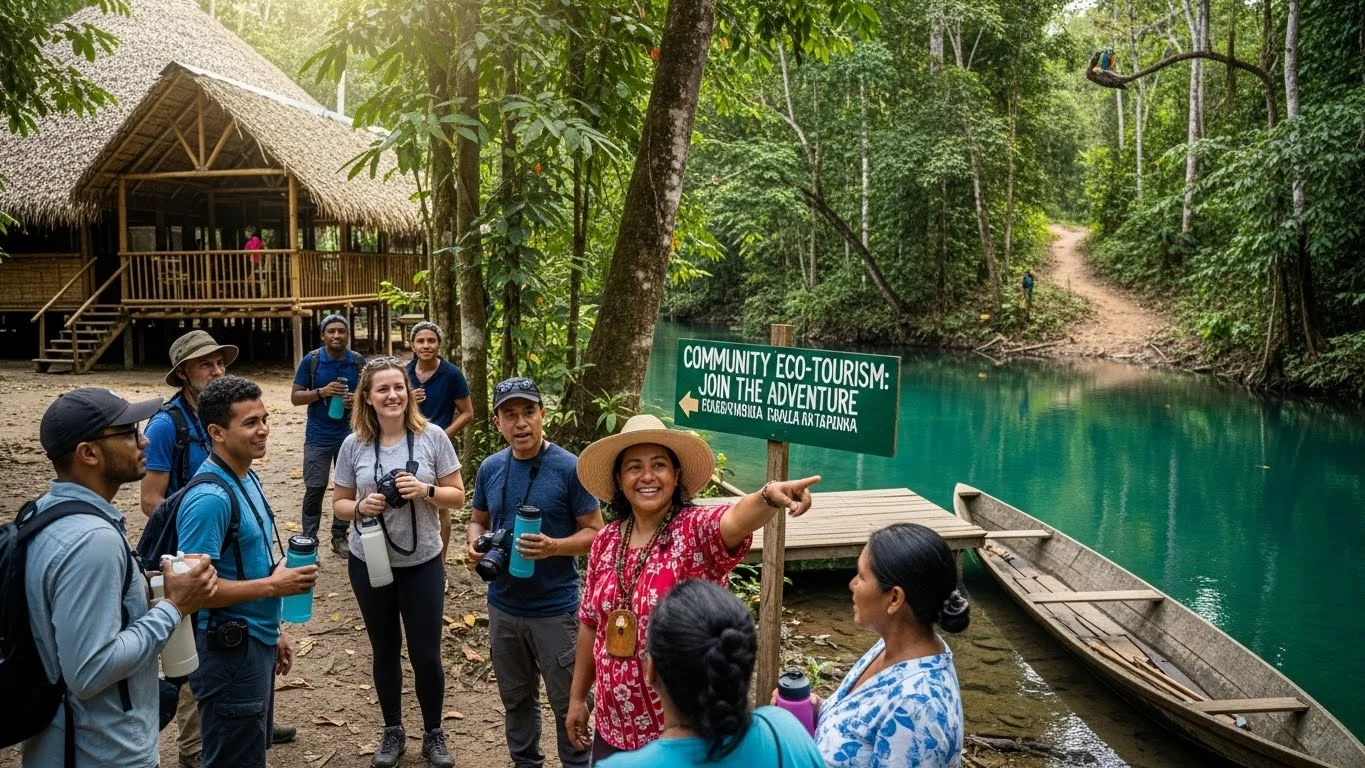
Imagine exploring breathtaking landscapes, rich cultures, and vibrant communities while making a positive impact. Community eco-tourism invites us to join this adventurous journey, promoting sustainability and connecting travelers with local people.
Understanding Community Eco-Tourism
When I first heard the term “eco-tourism,” I thought it was just another buzzword in the travel industry. But over time, I’ve learned that it encompasses so much more than just visiting beautiful places. Community eco-tourism is a way to travel responsibly while supporting local communities and preserving natural resources. It’s about forming a connection with the environment and the people who call it home. Let’s dive deeper into what this all means. Read Interesting article: Top 5 Community Eco-Tourism Initiatives You Must Experience
Definition of Eco-Tourism
Eco-tourism is essentially a form of sustainable travel focused on experiencing natural areas while minimizing the impact on the environment. It often emphasizes education and conservation, allowing travelers to appreciate the beauty of their surroundings. I remember my first eco-tourism trip where I visited a national park. It was refreshing to know that by being there, I was contributing to the protection of that ecosystem.
The World Conservation Union defines eco-tourism as “responsible travel to natural areas that conserves the environment, respects the local culture, and promotes sustainability.” What I find fascinating is the emphasis on responsibility; it’s about making choices that benefit both the traveler and the local community. It’s not only about enjoying the beauty of nature but also about preserving it for future generations. Read Interesting article: How Community-Based Eco-Tourism Benefits Local Cultures
The Role of Community in Eco-Tourism
One of the most remarkable aspects of community eco-tourism is the role of the local community. They are often the stewards of the land and possess invaluable knowledge about their environment. When I visited a small village in Guatemala, the locals shared their traditions, stories, and ways of living. It was eye-opening to realize how much I could learn from them, and it made my travel experience much richer.
In community eco-tourism, local inhabitants play a crucial role in crafting and leading tourism initiatives. This can mean guiding tours, running homestays, or showcasing local crafts and cuisine. By empowering communities to take the lead in tourism, we ensure that they not only benefit economically but also maintain their cultural heritage. It’s a win-win for both travelers and locals, fostering understanding and mutual respect.
Benefits of Community Eco-Tourism
Participating in community eco-tourism has a multitude of benefits—not just for travelers, but for the communities we visit. From my experience, these benefits can be grouped into several key areas:
- Economic Growth: Eco-tourism creates jobs and provides additional income for families. When I stayed at a locally owned guesthouse, I knew my dollars were going directly to the community.
- Environmental Protection: Many eco-tourism initiatives focus on conservation efforts. By visiting these areas, we help fund projects that protect local wildlife and habitats. I always feel good knowing my travel choices contribute to preserving nature.
- Cultural Exchange: Engaging with locals allows us to learn about their culture and lifestyles. I cherish the moments when local families welcomed me into their homes, sharing meals and stories. It deepens our understanding of the world.
- Awareness and Education: Eco-tourism encourages travelers to be more conscious of their impact. I’ve become more aware of sustainable practices and have adopted them in my daily life since my travels.
These benefits illustrate how community eco-tourism can create a positive ripple effect. When we travel with purpose, we support local economies, protect the environment, and foster cross-cultural understanding. Each trip becomes more than just a vacation; it transforms into an opportunity for meaningful interactions and lasting memories.
Throughout my journeys, I’ve seen firsthand how community eco-tourism initiatives can flourish and bring about positive change. Whether it’s a small village in Southeast Asia or a remote community in South America, the spirit of eco-tourism is alive and thriving. As we explore these initiatives further, we discover both the challenges they face and the incredible potential they hold for the future. Read Interesting article: Discover Community-Based Eco-Tourism: Travel with Impact
Key Principles of Eco-Tourism Initiatives
Sustainability Practices
When I think about sustainability in eco-tourism, I often reflect on the little changes we can make that lead to bigger impacts. Sustainable practices are at the heart of community eco-tourism, laying the groundwork for responsible travel. This can mean choosing accommodations that use renewable energy, reducing waste, and conserving water. During my travels, I’ve encountered places that emphasize these practices. For instance, at an eco-lodge in the Amazon, I noticed how they composted organic waste and had rainwater collection systems. These efforts not only help the environment but also inspire visitors to adopt similar habits when they return home. It’s that kind of education and awareness that stays with us long after the trip is over.Conservation Efforts
Conservation is another key principle of community eco-tourism that I find incredibly inspiring. Many initiatives are centered around protecting unique ecosystems and endangered species. For example, I recall visiting a wildlife sanctuary in Madagascar where the locals worked tirelessly to rehabilitate lemurs. They offered guided tours, sharing their knowledge about the importance of preserving these animals and their habitats. These conservation efforts often rely on the support of eco-tourists. By visiting these sites, not only do we learn about the importance of biodiversity, but our entrance fees directly contribute to ongoing conservation projects. I felt honored knowing that my visit was making a difference—helping to save species and preserve natural habitats for future generations.Community Involvement
One of the most rewarding aspects of community eco-tourism is the involvement of local people in every aspect of the initiative. This is where the magic happens. I’ve seen how communities can come together to create unique experiences that reflect their culture and heritage. In Peru, for instance, I joined a community-led tour where local guides took us through the Sacred Valley. They shared stories about their ancestors and the significance of various landmarks. It was more than just sightseeing; it felt like I was part of their world, experiencing their traditions firsthand. This level of involvement ensures that tourism remains authentic and benefits the community directly.Economic Benefits to Local Communities
Traveling in a way that supports local economies has become increasingly important to me. Eco-tourism not only creates jobs but also stimulates local businesses. I remember staying in a small guesthouse run by a family in a rural village. It amazed me how every dollar I spent on lodging, meals, and crafts flowed back into the community, helping to improve their quality of life. These economic benefits can be seen in various forms— from job creation in hospitality and guiding services to promoting local artisans. The ripple effect is significant. When we choose to support these local businesses, we’re not just travelers; we’re partners in fostering economic growth. It’s a fulfilling feeling to know that my travel choices contribute to the well-being of the communities I visit.Notable Community Eco-Tourism Initiatives Worldwide
Case Study: Costa Rica’s Eco-Tourism Model
Costa Rica is often heralded as a pioneer in eco-tourism, and my experiences there truly reinforced that reputation. The country has dedicated a significant portion of its land to national parks and reserves, making it a haven for nature lovers like myself. What I found remarkable was how the government collaborates with local communities to promote sustainable tourism. For example, I visited a community that offered tours of their sustainable coffee farms. It was incredible to see how they balanced agriculture with conservation, preserving local wildlife habitats while providing visitors with a glimpse of their daily lives. This model has not only helped Costa Rica protect its biodiversity but has also allowed local families to thrive. Each visit supports their efforts, ensuring that both nature and the community prosper together.Case Study: Kenya’s Community-Based Wildlife Conservation
Kenya’s approach to eco-tourism is another shining example. I had the privilege of visiting a Maasai community that actively participates in wildlife conservation. They have established initiatives that allow them to benefit from tourism while protecting their lands and wildlife. I remember taking part in a guided walking safari where the Maasai shared their deep knowledge of the ecosystem. They explained how their presence helps deter poaching and promotes sustainable practices. It struck me how important it was for communities to be involved as stewards of their land, creating a harmonious relationship between people and nature.Case Study: Peru’s Sacred Valley Eco-Tourism
In Peru, the Sacred Valley offers another compelling case of community eco-tourism. I had the chance to explore this stunning region, where local communities have developed sustainable practices that showcase their culture while preserving the environment. During my stay, I participated in a workshop with local artisans who crafted beautiful textiles. They shared their techniques passed down through generations, allowing me to appreciate the craftsmanship involved. This not only helped me take home a unique souvenir but also supported their livelihoods directly.Case Study: Thailand’s Community-Led Conservation Projects
In Thailand, I encountered community-led conservation projects that focus on marine and rainforest ecosystems. One of the most impactful experiences was visiting a coastal village where locals engage in sustainable fishing practices. They educated tourists about the importance of preserving marine life, sharing how overfishing affects their community. I joined a beach cleanup organized by local volunteers, which was both humbling and empowering. It was a reminder that we can all contribute to making our destinations better for both nature and the communities that inhabit them. The connections I made there have inspired me to seek out similar initiatives wherever I travel.How to Get Involved in Community Eco-Tourism
Choosing Eco-Friendly Destinations
When I plan my travels, I always start by selecting eco-friendly destinations. It’s become a priority for me to ensure that my adventures support sustainable practices. I often look for places that are committed to preserving their environment and culture. Websites dedicated to eco-tourism can be incredibly helpful, as they list destinations that prioritize sustainability. During my travels, I’ve found that smaller, locally-owned accommodations often embody the spirit of eco-tourism. For instance, when I stayed at a bed and breakfast in a coastal town, the owners had implemented several green practices, like using solar panels and sourcing food from local farmers. These choices made my stay not just enjoyable but also aligned with my values. Taking the time to research potential destinations and their eco-tourism initiatives can be an enlightening experience. It opens up a world of options that can enhance our understanding of the places we visit while ensuring we leave a positive impact behind.Volunteering Opportunities
Volunteering is another fantastic way to engage with community eco-tourism. I’ve personally volunteered on a few occasions, and it has been some of the most rewarding experiences of my travels. Organizations often seek volunteers for various projects, from wildlife conservation to community development. I remember volunteering in a turtle conservation program in Mexico. My days were filled with beach clean-ups and night patrols to protect nesting turtles. The sense of camaraderie among the volunteers and locals was incredible. We shared stories, laughter, and a common goal: protecting these beautiful creatures. If you’re looking to make a deeper connection with the community while contributing to meaningful projects, volunteering is a wonderful option. Many organizations have short-term and long-term commitments, so you can choose what fits your schedule best.Supporting Local Businesses
One of the simplest and most impactful ways we can support community eco-tourism is by consciously choosing to spend our money in local businesses. I’ve learned to prioritize dining in locally owned restaurants, shopping at artisan markets, and using local guides for tours. This not only provides a more authentic experience but also ensures that my money goes directly to the community. During a trip to Thailand, I decided to eat at a small family-run restaurant instead of a chain. The food was not only delicious but also prepared with love and tradition. I even got to chat with the family about their recipes and culture. That meal was one of the highlights of my trip, proving that supporting local businesses can lead to unforgettable experiences. By choosing to buy local, we help drive economic growth in the communities we visit. It’s a way to ensure that our travel has a lasting, positive impact far beyond our stay.Participating in Eco-Tourism Programs
Many destinations offer structured eco-tourism programs that allow travelers to engage in sustainable practices while exploring local culture and nature. I’ve participated in several of these programs, each time learning something new and enriching my travel experience. For example, I joined a guided eco-tour in a rainforest in Belize, where the local guides shared their knowledge about the flora and fauna. We learned how to identify medicinal plants and understand their importance to the local culture. The guide’s passion for conservation was infectious, and I came away with a deeper appreciation for the delicate balance of ecosystems. These programs often include activities like tree planting, wildlife monitoring, or cultural workshops, providing hands-on experiences that foster a deeper connection to the destination. Participating in such programs not only enriches our travels but also reinforces our commitment to sustainability.Challenges Facing Community Eco-Tourism
Overtourism and Its Impact
While community eco-tourism has numerous benefits, it’s essential to acknowledge the challenges it faces. One of the most significant issues is overtourism. I’ve seen firsthand how an influx of visitors can strain local resources and lead to environmental degradation. I remember visiting a beautiful national park that was once pristine, but due to rising tourist numbers, it started to show signs of wear. Trails became eroded, wildlife was disturbed, and litter was left behind. This experience highlighted the importance of responsible travel practices and the need for sustainable visitor management. To tackle overtourism, it’s crucial for travelers to be mindful of their impact. Opting for off-peak travel times, choosing lesser-known destinations, and advocating for limits on visitor numbers can help mitigate these issues.Managing Environmental Sustainability
Another challenge is managing environmental sustainability. It’s not enough to simply promote eco-tourism; we must ensure that initiatives are genuinely sustainable and not just marketed as such. I’ve encountered situations where eco-lodges claimed to be eco-friendly but lacked genuine practices for sustainability. This emphasizes the need for transparency and accountability in eco-tourism initiatives. Travelers should seek out certifications, read reviews, and ask questions about the practices of the businesses they support. I find that doing a little research can go a long way in ensuring that my travel choices align with my values.Balancing Profit with Conservation
Finding the right balance between profit and conservation is another ongoing struggle within community eco-tourism. While economic benefits are essential for local communities, it’s vital that these initiatives don’t compromise the very resources they aim to protect. During my travels, I’ve seen instances where community-led projects became more focused on generating revenue than on preserving the environment. This situation can lead to exploitation and can undermine the goals of eco-tourism. It’s a delicate balance that requires ongoing dialogue and cooperation between stakeholders.Community Conflicts and Solutions
Lastly, community conflicts can arise when different groups have competing interests in tourism development. I’ve observed this in several places where local communities had differing opinions on how to approach eco-tourism. Some may prioritize economic growth, while others focus on cultural preservation or environmental conservation. To navigate these conflicts, open communication and collaboration are essential. Encouraging dialogue between community members can lead to solutions that respect everyone’s needs and values. I’ve found that when communities come together to discuss their vision and goals, the outcomes are often more sustainable and inclusive. By understanding these challenges, we can better equip ourselves as travelers to contribute positively to community eco-tourism. It’s a journey of learning and growth that extends beyond the places we visit—it shapes us as responsible global citizens.Frequently Asked Questions
What is community eco-tourism?
Community eco-tourism is a form of sustainable travel that promotes responsible tourism while supporting local communities and preserving natural resources. It aims to connect travelers with the environment and the people who live there.
How does eco-tourism differ from traditional tourism?
Eco-tourism focuses on experiencing natural areas with minimal environmental impact and emphasizes education and conservation, while traditional tourism may not prioritize sustainability or local community involvement.
What are the key benefits of community eco-tourism?
The benefits of community eco-tourism include economic growth for local communities, environmental protection through conservation efforts, cultural exchange between travelers and locals, and increased awareness and education about sustainable practices.
How can travelers support local communities through eco-tourism?
Travelers can support local communities by choosing to stay in locally-owned accommodations, dining at local restaurants, shopping at artisan markets, and engaging in community-led tours and activities.
What are some examples of successful community eco-tourism initiatives?
Examples of successful community eco-tourism initiatives include Costa Rica’s sustainable coffee farms, Kenya’s Maasai community wildlife conservation efforts, Peru’s Sacred Valley cultural experiences, and Thailand’s community-led conservation projects.
How can individuals get involved in community eco-tourism?
Individuals can get involved in community eco-tourism by choosing eco-friendly destinations, volunteering for conservation projects, supporting local businesses, and participating in structured eco-tourism programs.
What challenges does community eco-tourism face?
Challenges include overtourism, managing environmental sustainability, balancing profit with conservation, and navigating community conflicts regarding tourism development.
How can travelers mitigate the impacts of overtourism?
Travelers can mitigate the impacts of overtourism by visiting during off-peak times, choosing lesser-known destinations, and advocating for limits on visitor numbers in popular areas.
What role do local communities play in eco-tourism?
Local communities play a crucial role in eco-tourism by crafting and leading tourism initiatives, guiding tours, running homestays, and showcasing their cultural heritage, which helps ensure that the benefits of tourism are shared locally.
Why is sustainability important in eco-tourism?
Sustainability is important in eco-tourism because it ensures that tourism practices protect the environment, support local economies, and preserve cultural heritage for future generations while minimizing negative impacts.