
Wildlife conservation tours offer a unique blend of adventure and purpose, allowing us to explore nature while making a difference. If you’re passionate about animals and the environment, these tours can lead to unforgettable experiences that resonate long after the journey ends. Read Interesting article: Explore Wildlife Conservation Tours: Travel Responsibly
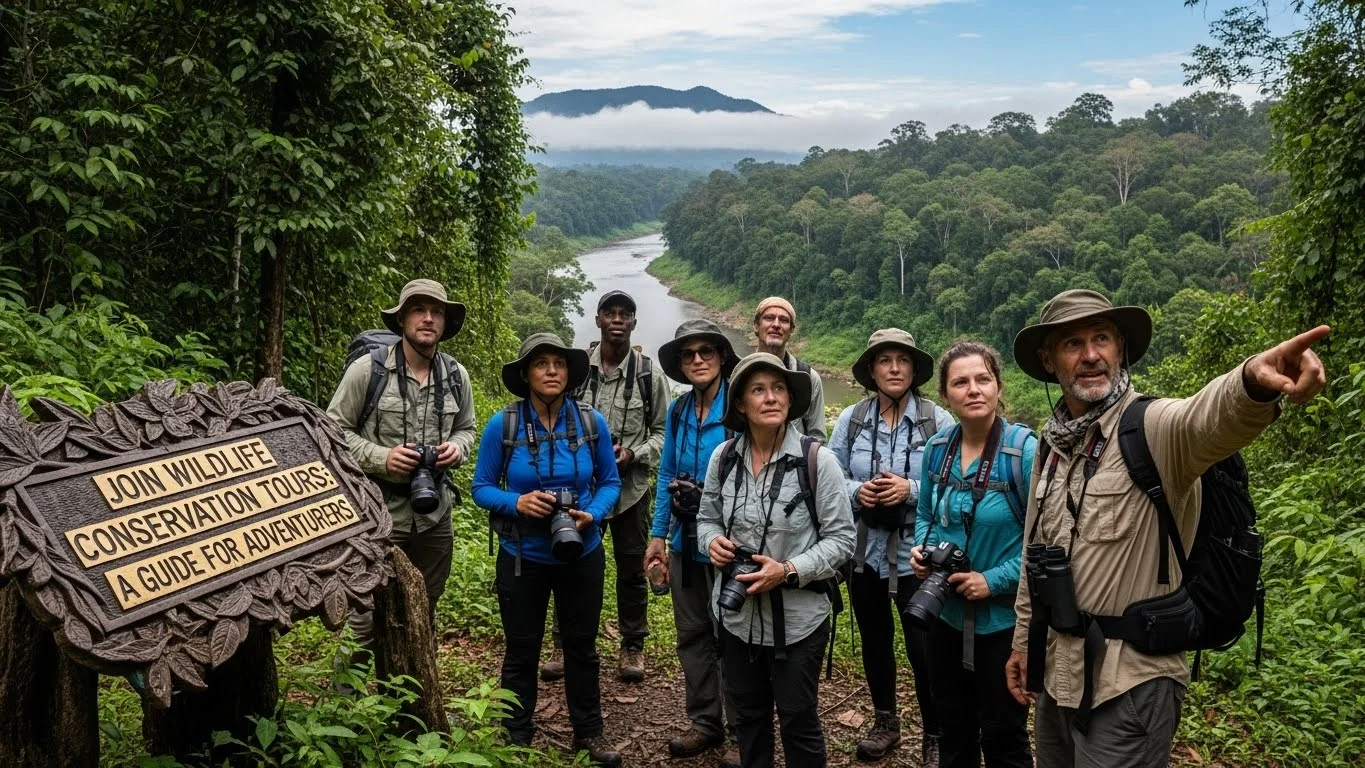
Understanding Wildlife Conservation Tours
Definition of Wildlife Conservation Tours
Wildlife conservation tours are travel experiences designed to raise awareness and funds for wildlife preservation while allowing participants to observe and engage with animals in their natural habitats. Unlike typical tourist excursions, these tours focus on education, conservation efforts, and community involvement. I remember my first conservation tour where I learned so much about the delicate balance of ecosystems and the threats facing various species. It felt great to be part of something that mattered, even in a small way.
Importance of Wildlife Conservation
The importance of wildlife conservation cannot be overstated. From the majestic elephants in Africa to the vibrant coral reefs in the Caribbean, every creature plays a vital role in maintaining ecological balance. Unfortunately, many species are facing threats due to habitat loss, climate change, and poaching. I’ve seen firsthand how engaging in conservation efforts can spark a sense of responsibility and awareness in travelers. It’s not just about witnessing wildlife; it’s about understanding and protecting it. By participating in these tours, we contribute to the preservation of biodiversity and help ensure that future generations can experience the beauty of nature. I believe that every small action counts, and being part of a conservation tour is a meaningful way to make a positive impact. Read Interesting article: Top 5 Wildlife Conservation Tours for Eco-Conscious Travelers
Types of Wildlife Conservation Tours
There are several types of wildlife conservation tours available, each offering unique experiences and purposes. Here’s a breakdown of some popular options I’ve encountered:
- Safari Tours: These are perhaps the most well-known type of wildlife conservation tour, primarily found in Africa. They allow us to observe iconic animals like lions, giraffes, and rhinos in their natural habitats while supporting conservation parks and reserves.
- Marine Conservation Tours: These tours focus on protecting marine life, such as sea turtles, dolphins, and coral reefs. Activities may include snorkeling, diving, or beach clean-ups. I participated in a marine conservation project, and the underwater world was nothing short of breathtaking.
- Ecotourism Adventures: These tours often combine trekking or hiking with wildlife observation. They take us deep into the wilderness, allowing us to connect with nature while supporting local conservation efforts. I remember hiking through the Amazon rainforest, amazed by the diversity of wildlife surrounding me.
- Volunteer Programs: Some tours offer the opportunity to volunteer directly in conservation projects, such as helping with animal rehabilitation or habitat restoration. I’ve met travelers who have dedicated their vacations to volunteering, finding it incredibly rewarding.
- Birdwatching Tours: For bird enthusiasts, these specialized tours focus on observing and learning about avian species while supporting their conservation. I discovered a newfound appreciation for birds on a birdwatching trip, realizing the importance of protecting their habitats.
Each type of tour caters to different interests and skill levels, so it’s essential to choose one that resonates with your passions. I’ve learned that finding a tour that excites us can enhance the overall experience, making it more personal and fulfilling.
As we delve deeper into the world of wildlife conservation tours, I can’t help but feel a sense of excitement. The knowledge that our adventures can contribute to something greater is incredibly empowering. Whether it’s through supporting local communities, funding research, or simply raising awareness, we can be part of a collective effort to protect our planet’s invaluable wildlife.
Top Destinations for Wildlife Conservation Tours
Africa: Safari Tours and Conservation Efforts
Africa is the epitome of wildlife conservation tours, and I can’t help but feel a rush of excitement when I think about my own safari experience. The vast savannas, teeming with life, create unparalleled opportunities for observing Africa’s iconic wildlife. I remember the anticipation of waking up at dawn, ready to embark on a journey to spot lions, elephants, and zebras. These safaris are often organized in national parks and reserves, where conservation efforts are at the forefront. I learned that many of these parks invest the funds from tourism into protecting species at risk, like the black rhinoceros and the African elephant. Each safari I went on felt like a chance to contribute to these noble efforts, and I left each one with a deeper appreciation for wildlife preservation.
South America: Amazon Rainforest Expeditions
The Amazon rainforest is a treasure trove of biodiversity, and exploring it through a wildlife conservation tour is an experience like no other. I vividly recall my expedition into the heart of the jungle, surrounded by towering trees and the sounds of exotic birds and monkeys. These tours often include educational programs, where guides share insights about the delicate ecosystems, and the threats they face from deforestation and climate change. For me, witnessing the beauty of the Amazon firsthand ignited a passion for conservation that I carry with me to this day. Many organizations work to protect the region, and by participating in these tours, we directly support their efforts to promote sustainable practices and protect indigenous communities.
Asia: Elephant Sanctuaries and Wildlife Reserves
Asia is home to some incredible wildlife, and my visit to an elephant sanctuary in Thailand was particularly memorable. Unlike traditional elephant rides, these sanctuaries focus on the ethical treatment of elephants. I had the chance to interact with these majestic creatures in a respectful environment, learning about the importance of protecting them from exploitation and habitat loss. I remember watching as elephants splashed in the river, their joy contagious. Many of these sanctuaries rely on tourism for funding, which helps them rescue elephants from abusive situations and rehabilitate them. It reinforced my belief that travel can be a force for good, and I felt proud to support a mission dedicated to the well-being of these animals.
North America: National Parks and Marine Sanctuaries
When I think of North America, my mind goes straight to the breathtaking national parks and marine sanctuaries that offer incredible wildlife experiences. I’ve trekked through Yellowstone, where I spotted bison roaming freely and watched geysers erupt. The parks are not just about natural beauty; they also focus on conservation efforts to protect both flora and fauna. In addition, marine sanctuaries along the coasts, like the Florida Keys, offer opportunities to dive and snorkel while learning about coral reef conservation. I remember swimming with sea turtles and feeling a deep connection to the underwater world. Supporting these sanctuaries through tourism helps fund research and restoration projects, ensuring these ecosystems thrive for future generations.
Planning Your Wildlife Conservation Tour
Best Time to Visit Wildlife Conservation Areas
Timing can play a significant role in your wildlife conservation experience. From my experience, certain seasons offer better wildlife viewing opportunities. For instance, if you’re interested in the great migration in Africa, planning your tour between July and September is ideal. I learned that in South America, the dry season (June to September) is when wildlife is more easily spotted, as animals congregate around water sources. I recommend doing some research on the specific destination you are considering to find the best time for your desired activities.
Choosing the Right Tour Operator
Finding the right tour operator is crucial for ensuring an ethical and impactful experience. I remember spending hours researching different companies, reading reviews, and looking for those with a strong commitment to conservation. It’s important to choose operators that prioritize responsible travel and have clear conservation goals. I’ve found that talking to past participants can provide valuable insights, so don’t hesitate to reach out to them. A good operator not only provides a fun adventure but also emphasizes the importance of conservation and community involvement.
What to Look for in a Conservation Tour Package
When I was planning my conservation tours, I learned to look for specific features in the tour packages. For me, the inclusion of educational components like guided nature walks or lectures from local experts added tremendous value. I also appreciated packages that offered hands-on conservation activities, whether it was participating in a beach clean-up or assisting in wildlife monitoring. Transparency about how the tour funds contribute to conservation efforts is essential, as it helps ensure that we are genuinely making a difference with our travel. Read Interesting article: Budget Backpacking: Wildlife Conservation Tours Youu2019ll Love
Travel Insurance and Safety Considerations
Traveling to remote wildlife areas can come with its own set of challenges, which is why I always recommend getting travel insurance. It provides peace of mind, knowing that you’re covered in case of unexpected situations like trip cancellations or medical emergencies. Additionally, it’s important to stay informed about health precautions and vaccinations required for certain regions. I remember checking in with my doctor before heading to the Amazon, ensuring I was prepared for the unique health considerations of the area. Remembering to pack essentials like insect repellent and first aid supplies can also make a significant difference in your experience.
What to Expect on a Wildlife Conservation Tour
Typical Itinerary and Activities
When I first embarked on a wildlife conservation tour, I was curious about what the itinerary would look like. I quickly learned that these tours often blend adventure with education. A typical day might start with an early morning wildlife drive, where you can spot animals as they begin their day. I remember the thrill of watching a pride of lions waking up, stretching, and preparing for their daily hunt. After that, there might be a guided nature walk, allowing us to explore the environment on foot while learning about the flora and fauna.
In the afternoons, many tours incorporate educational sessions. I’ve attended talks by local conservationists who shared their insights on the challenges wildlife face and the ongoing efforts to protect them. Evenings often involve discussions around the campfire, where we’d share our experiences and reflect on the day. These moments foster a sense of community among travelers, reminding us that we are all part of something much larger.
Wildlife Viewing Etiquette
One thing that really stood out to me during my tours was the importance of wildlife viewing etiquette. I learned that respecting the animals and their habitats is crucial for a successful conservation experience. For instance, maintaining a safe distance from animals not only protects us but also reduces stress for the animals. I remember being in a jeep during a safari and having to remind myself to keep quiet and still while observing a herd of elephants. It was incredible to see them up close, but I felt a sense of responsibility to ensure my presence didn’t disrupt their natural behavior.
Additionally, I found that being mindful of our environment was vital. Avoiding littering and sticking to designated paths helps preserve the habitats we visit. I also appreciated the tour guides reminding us to be respectful of local cultures and communities. Understanding their relationship with wildlife enriched my experience and deepened my appreciation for the areas we explored.
Engagement in Conservation Activities
Many wildlife conservation tours offer participants the chance to engage in hands-on conservation activities. During one of my trips, I had the opportunity to help with a beach clean-up as part of a marine conservation program. I remember the feeling of satisfaction as we collected trash from the shoreline, realizing the direct impact we were making on that delicate ecosystem. It was a way to give back, and I felt a deeper connection to the mission of protecting wildlife and their habitats.
Another memorable experience was assisting in a wildlife monitoring project where we helped track local species. This involved setting up camera traps and recording data on animal movements. I was thrilled to contribute directly to research efforts, knowing that our work would assist in the ongoing preservation of these animals. Engaging in such activities not only made the tours more fulfilling but also helped me understand the importance of scientific research in conservation.
Costs and Budgeting for Wildlife Conservation Tours
Average Costs of Tours in Different Regions
When considering a wildlife conservation tour, I quickly realized that costs can vary widely depending on the destination and the type of tour. For instance, safaris in Africa can range from budget-friendly options to luxurious experiences, with prices typically starting around $150 per day and going up significantly for more exclusive lodges. In South America, exploring the Amazon can also vary, but I found that many tours are reasonably priced, often starting around $100 per day.
In my experience, marine conservation tours can be quite affordable as well, especially when they include activities like snorkeling or volunteering. It’s essential to research and compare options, as some tours may include meals and accommodations, while others might charge extra. I found it helpful to set a budget before diving into my research, so I could focus on tours that fit both my interests and financial plans.
Budgeting Tips for Conservation Tours
Budgeting for a wildlife conservation tour can be a fun challenge. I’ve learned a few tips along the way that helped me manage my expenses. First, I recommend booking in advance. Many tours offer early bird discounts, and securing your spot early can save you some money. Additionally, traveling during the off-peak seasons can lead to lower prices and smaller crowds, allowing for a more intimate experience with nature.
Another tip is to look for packages that include accommodations, meals, and transportation. This way, you won’t be surprised by hidden costs later on. I also found that joining group tours can be more economical than private tours, as costs are often shared among the participants. Planning ahead and being flexible with dates can go a long way in keeping costs down while maximizing the conservation experience.
Potential Additional Costs (Gear, Donations, etc.)
As I prepared for my wildlife conservation tours, I realized there were additional costs to consider beyond the tour package itself. For instance, investing in quality gear can enhance my experience. I learned the hard way that having a good pair of binoculars or a reliable camera can make a huge difference during wildlife viewing. I also found it helpful to bring along appropriate clothing for the climate, such as lightweight, breathable fabrics for the hot sun or waterproof gear for rainy conditions.
Another aspect to keep in mind is the potential for donations. Many conservation organizations appreciate financial support, either through direct donations or by purchasing souvenirs that contribute to conservation efforts. I always try to set aside a little extra money for this purpose, knowing it helps fund important projects and initiatives.
Impact of Wildlife Conservation Tours
Conservation Success Stories
I’ve always been inspired by stories of success in wildlife conservation, especially those connected to tours. For instance, during one of my trips to a national park in Tanzania, I learned about the remarkable recovery of the African elephant population due to concerted conservation efforts funded by tourism. I remember a passionate ranger sharing how the funds from safari tours helped pay for anti-poaching patrols and community education programs. It was uplifting to know that my visit, along with many others, contributed to such positive change. Hearing about individual elephants being tracked and protected gave me a sense of hope that these majestic creatures could thrive again.
Another powerful success story I encountered was about the recovery of the giant tortoise on the Galápagos Islands. On a tour there, our guides explained how ecotourism has been pivotal in funding breeding programs and habitat restoration. I was fascinated to see the tortoises up close, and it was heartwarming to learn about the generations of efforts that led to increasing their numbers. These stories remind me that each of our contributions, through tourism and awareness, plays a part in the broader narrative of conservation.
How Tours Contribute to Local Communities
One aspect of wildlife conservation tours that often gets overlooked is their impact on local communities. I found that many tours not only focus on wildlife but also include initiatives aimed at uplifting the communities that share their environment. For instance, while visiting an eco-lodge in Costa Rica, we learned that a portion of our fees went directly to local schools and healthcare programs. It was a powerful reminder that supporting wildlife could also mean supporting the people who live alongside them.
During my travels, I’ve spoken with local artisans who benefit from tourism through the sale of handmade crafts, which promote cultural heritage and provide sustainable income. This kind of economic support helps reduce dependence on activities that harm wildlife, like poaching or illegal logging. In my experience, when local communities thrive, ecosystems benefit, creating a sustainable balance that is crucial for conservation.
Volunteering Opportunities in Conservation Efforts
For those looking to take their involvement a step further, volunteering opportunities during wildlife conservation tours can be deeply rewarding. I once joined a volunteer program in South Africa, where we assisted in tracking endangered species and collecting data for research. The experience was eye-opening; I felt like I was part of a team making a real difference. Not only did I learn a lot about wildlife management, but I also formed connections with other volunteers who shared my passion for conservation.
Many organizations offer structured volunteering experiences, which can range from hands-on work with animals to community education programs. I remember working with local schoolchildren on conservation awareness projects, which not only educated them about their local wildlife but also fostered a sense of pride and responsibility. It’s incredible to see that by volunteering, we’re not just helping wildlife but also empowering the next generation to become stewards of the environment.
Preparing for Your Wildlife Conservation Adventure
Essential Gear and Packing List
As I prepared for my wildlife conservation tours, I discovered that having the right gear made all the difference. I recommend packing lightweight, breathable clothing that can handle various weather conditions, as well as sturdy hiking boots for treks. A good pair of binoculars is essential for wildlife viewing, and I found that a quality camera helped capture unforgettable moments.
Don’t forget to pack a reusable water bottle to stay hydrated and reduce plastic waste. I also found a small daypack handy for carrying essentials like snacks, sunscreen, and insect repellent during excursions. Preparing ahead of time with the right gear not only enhances the experience but shows respect for the environment we are exploring.
Health Precautions and Vaccinations
Health preparations are crucial when heading to remote areas. Before embarking on my trips, I consulted with a travel clinic to ensure I was up-to-date on necessary vaccinations. For me, it included shots for diseases like typhoid and hepatitis A, depending on the region. I also made sure to carry a small first aid kit with basic supplies, which came in handy during my adventures.
Being proactive about health precautions ensures that we can focus on enjoying our experience without worrying about unexpected issues. I remember feeling reassured knowing I had taken steps to protect my health while exploring beautiful, but sometimes challenging, environments.
Understanding Local Laws and Regulations
Every region has its own set of laws and regulations regarding wildlife and conservation efforts. I thought it was important to familiarize myself with these before traveling. For instance, I learned about the significance of respecting local wildlife protection laws, which can dictate everything from how close you can get to animals, to what you’re allowed to bring into protected areas.
Understanding these regulations not only enhances our experience but also ensures we are contributing positively to conservation efforts. I remember being part of a guided tour where the guide emphasized the importance of following local rules, which helped us appreciate the delicate balance of the ecosystems we were visiting.
Final Thoughts
Wildlife conservation tours offer so much more than just a chance to see amazing animals; they provide a meaningful connection to the environment and to local communities. My experiences have shown me the importance of being a responsible traveler, supporting conservation efforts, and engaging with nature in a respectful way. I believe that each of us has the power to make a difference, whether through our travel choices, volunteer efforts, or even just by sharing what we learn with others. As we explore the beauty of our planet, let’s remember that we’re not just visitors but caretakers of the incredible wildlife that calls it home.
By embracing the spirit of conservation, we can help ensure that future generations will also have the opportunity to witness the wonders of nature. I encourage everyone to consider a wildlife conservation tour, as it’s not just an adventure—it’s an opportunity to be part of something greater.
Frequently Asked Questions
What are wildlife conservation tours?
Wildlife conservation tours are travel experiences designed to raise awareness and funds for wildlife preservation while allowing participants to observe and engage with animals in their natural habitats. These tours focus on education, conservation efforts, and community involvement.
Why is wildlife conservation important?
The importance of wildlife conservation lies in the vital role every creature plays in maintaining ecological balance. Many species face threats due to habitat loss, climate change, and poaching. Engaging in conservation efforts helps raise awareness and contributes to the preservation of biodiversity for future generations.
What types of wildlife conservation tours are available?
There are several types of wildlife conservation tours, including safari tours, marine conservation tours, ecotourism adventures, volunteer programs, and birdwatching tours. Each type offers unique experiences and caters to different interests and skill levels.
What are some top destinations for wildlife conservation tours?
Top destinations for wildlife conservation tours include Africa for safari tours, South America for Amazon rainforest expeditions, Asia for elephant sanctuaries and wildlife reserves, and North America for national parks and marine sanctuaries.
What should I consider when planning a wildlife conservation tour?
When planning a wildlife conservation tour, consider the best time to visit the area, choosing the right tour operator, what to look for in a conservation tour package, and ensuring you have travel insurance and are aware of safety considerations.
What can I expect on a wildlife conservation tour?
On a wildlife conservation tour, you can expect a blend of adventure and education, including wildlife drives, guided nature walks, educational sessions, and engaging discussions around the campfire. Etiquette and respect for wildlife and local cultures are also emphasized.
What are the average costs of wildlife conservation tours?
Costs for wildlife conservation tours can vary widely depending on the destination and type of tour. For example, safaris in Africa may start around $150 per day, while Amazon tours can begin at approximately $100 per day.
What budgeting tips can help when planning a conservation tour?
To budget effectively for a wildlife conservation tour, consider booking in advance for discounts, traveling during off-peak seasons, looking for packages that include accommodations and meals, and joining group tours to share costs.
How do wildlife conservation tours benefit local communities?
Wildlife conservation tours often support local communities by allocating a portion of fees to local schools and healthcare programs. They also promote sustainable income through the sale of local crafts, reducing dependence on activities that harm wildlife.
What should I pack for a wildlife conservation tour?
When packing for a wildlife conservation tour, essential items include lightweight, breathable clothing, sturdy hiking boots, binoculars for wildlife viewing, a quality camera, a reusable water bottle, and a small daypack for carrying essentials during excursions.