
As a cultural solo traveler, diving into a new language can transform your journey from ordinary to extraordinary. It opens doors to deeper connections and unforgettable experiences. To enhance your travel experience, consider reading Mastering New Languages: A Solo Traveler’s Guide.
Understanding the Importance of Language Learning for Travelers
When I first set out on my solo travel adventures, I didn’t realize just how much language would shape my experiences. Language is more than just a tool for communication; it’s a bridge to understanding and embracing new cultures. I quickly learned that the ability to speak even a little of the local language can transform a simple trip into an enriching journey.
The Role of Language in Cultural Immersion
Language is the heartbeat of culture. It carries with it the history, values, and traditions of a place. During my travels, I found that speaking the local language opened up opportunities to engage with communities in a way that mere sightseeing never could. For instance, in a small town in Italy, I used basic Italian to order food at a local trattoria. The owner, delighted by my effort, shared stories about the dishes and even taught me a few cooking tips. This experience made my meal far more memorable than if I had just pointed at a menu. It connected me to the culture in a personal way.
Benefits of Speaking the Local Language
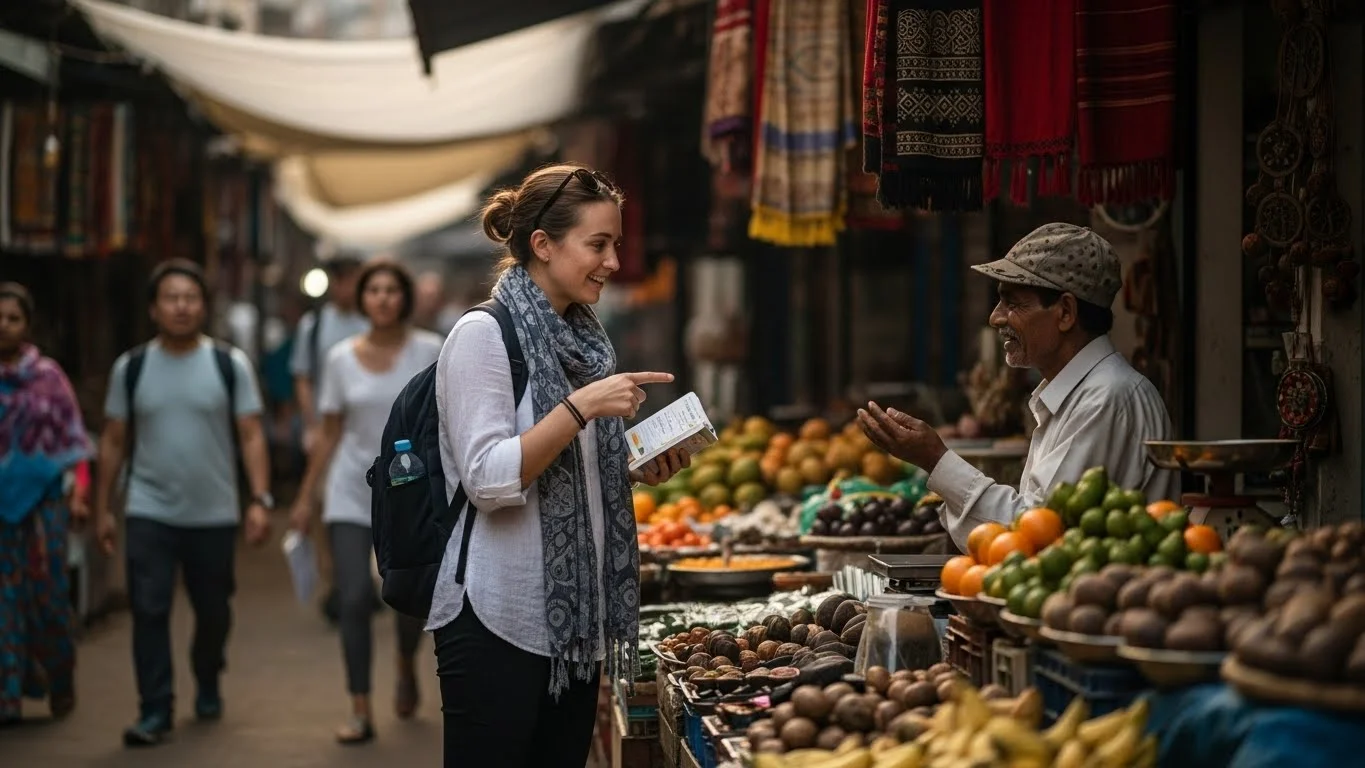
Speaking the local language comes with a treasure trove of benefits. First and foremost, it encourages locals to interact with you more openly. I remember walking through markets in Marrakech, where my attempts at Arabic led to joyful exchanges with shopkeepers, who happily offered me discounts and traditional snacks as a gesture of appreciation.
Additionally, knowing the language helps you navigate unexpected situations more smoothly. Whether it’s asking for directions or negotiating prices, having the words at your disposal can ease stress and boost your confidence. It’s like having a secret key that unlocks a deeper level of engagement with the places you visit. I noticed that when I spoke the language, even if it was just a few words, locals responded positively, and I often felt like I was part of the community rather than just a passerby.
Choosing the Right Language to Learn
Choosing which language to learn can feel daunting, especially with so many options out there. I remember standing in front of a map one day, overwhelmed by the possibilities. The key is to consider where you’re going and how long you’ll be there. This will guide your decision and make the learning process more meaningful.
Factors to Consider: Destination and Duration
For me, the destination was a huge factor in deciding which language to focus on. If you’re planning a trip to Spain, for example, Spanish would be the obvious choice. But if your travels take you through several countries, you might want to choose a language that allows you to connect in multiple places. Additionally, consider how long you’ll be in each location. If it’s a brief stopover, you might focus on essential phrases rather than full conversational skills. In my case, I spent a month in Southeast Asia, so I picked up basic Thai and Vietnamese to enhance my experience.
Popular Languages for Travelers
Some languages are particularly beneficial for travelers. Spanish, French, and Mandarin are widely spoken and can be very useful in various countries. I found that even just a few phrases in these languages helped me connect more deeply with locals. Each language offers a unique cultural perspective, making the effort worthwhile.
Resources for Language Selection
There are countless resources available for language selection. Language learning apps like Duolingo and Babbel provide structured courses that can help you get started quickly. I often found myself practicing on the go, which made learning feel less like a chore and more like a fun part of my travel prep. Additionally, travel blogs and forums can offer insights into which languages would be most useful based on your travel plans. I often turned to traveler communities on social media to ask what others had found most beneficial in their journeys. For more tips on navigating cultural interactions, check out Essential Solo Travel Etiquette Tips for Cultural Adventures.
Effective Language Learning Strategies
Once you’ve chosen a language, it’s time to dive into effective learning strategies. I discovered that the best approach involves a mix of formal study and practical application.
Utilizing Language Learning Apps and Online Resources
I can’t emphasize enough how helpful language learning apps have been for me. They allow me to learn at my own pace, and I can practice whenever I have a spare moment. I often would pull out my phone while waiting for a bus or during downtime at a café. These apps often include gamified elements that make learning engaging, which is something I really appreciated.
Engaging with Local Media: Movies, Music, and Podcasts
Another strategy that worked wonders for me was immersing myself in local media. Listening to music, watching movies, and following podcasts in the target language not only improved my skills but also gave me a taste of the culture. I remember binge-watching a popular Spanish series on Netflix which not only helped me learn casual phrases but also made me laugh and feel connected to the characters. It’s an enjoyable way to learn that feels more like entertainment and less like studying.
Setting Realistic Goals for Language Proficiency
Setting realistic goals was crucial for my language learning journey. At first, I aimed too high and felt overwhelmed. However, once I started breaking my goals into smaller, manageable tasks, it became much more achievable. I focused on learning a few essential phrases each week, which built my confidence over time. I recommend starting with greetings, common questions, and essential travel phrases. This made me feel equipped and ready for my adventures ahead.
Practical Language Learning Tips for Solo Travelers
Starting Conversations with Locals
One of the most rewarding parts of traveling for me has been the spontaneous conversations I’ve had with locals. I’ve found that starting a dialogue, even if it’s just a simple “hello” or “how are you?” in their language, opens up a world of connection. I remember my first solo trip to France, where I nervously approached a street vendor. I said, “Bonjour!” and followed up with a polite “Comment ça va?” The vendor’s face lit up, and he began sharing stories about his life in Paris. It was a moment I cherish, and it showed me that a little effort goes a long way. I recommend initiating conversations by asking simple questions about food, directions, or local recommendations. People generally appreciate your effort to speak their language, and it can lead to delightful exchanges.
Using Language Exchange Programs
Language exchange programs have been a game-changer for me. They allow you to practice your target language with someone who speaks it fluently while helping them with your own language, creating a mutually beneficial relationship. I joined a couple of local language exchange meetups while traveling, and I was amazed at how welcoming and enthusiastic people were to help each other. I recall one evening in Barcelona where I met a group of locals eager to practice their English. We spent hours chatting over tapas, sharing laughs, and correcting each other’s mistakes. It felt like a fun, informal language class, and I picked up valuable phrases and slang that you just can’t find in textbooks. If you’re looking for ways to boost your speaking skills, I highly recommend seeking out local language exchange events or using apps that connect you with language partners.
Practicing Pronunciation and Accent
Pronunciation can be one of the trickiest aspects of learning a new language, and I’ve often found myself fumbling through words. I learned early on that practicing pronunciation doesn’t have to be intimidating. Instead, I turned it into a fun challenge. I’d listen to native speakers on podcasts or in videos and repeat after them, mimicking their accent and intonation. I remember being on a bus in Thailand, practicing my Thai phrases quietly to myself, and feeling a rush of excitement when I realized I was starting to sound more natural. Additionally, using apps that focus on pronunciation can be incredibly helpful. They often provide instant feedback, which is great for building confidence and honing your skills. Don’t shy away from speaking out loud, even if it feels awkward at first. The more you practice, the better you’ll get.
Making Use of Flashcards and Vocabulary Lists
Flashcards have been my trusty sidekick in language learning. I’ve created countless flashcards for essential vocabulary and phrases, and they’ve proven to be a fantastic tool for retention. During my travels, I would whip them out during downtime, like waiting in line or while sitting in a café. I found that reviewing these cards in different settings helped reinforce my memory. I also made lists of words and phrases I encountered while exploring, which I would add to my flashcards later. For example, when I was in Mexico, I took note of common words used by locals in everyday situations and practiced them at night. It was such a satisfying feeling to use those words successfully the next day. If you’re looking for an effective way to expand your vocabulary, I suggest incorporating flashcards into your routine. They’re simple, portable, and can turn idle time into productive practice.
Overcoming Language Barriers on the Road
Common Phrases Every Traveler Should Know
When I travel, I always make it a point to memorize a handful of essential phrases. Things like “please,” “thank you,” “excuse me,” and “where is…?” can make a huge difference in how you’re received. I remember being in Japan and learning to say “arigato” (thank you) and “sumimasen” (excuse me). Those little words opened doors to kindness and assistance from locals. I often carry a small notebook with these phrases written down, and I refer to it regularly to reinforce my learning. I recommend focusing on phrases that will help you navigate daily interactions, like ordering food, asking for help, or making small talk. Knowing even a few key phrases can enhance your experience and make you feel more confident as you interact with the culture.
Body Language and Non-Verbal Communication
Body language is an invaluable tool when you find yourself lost in translation. I’ve experienced situations where I didn’t know the right words, but a friendly smile, a thumbs-up, or pointing worked wonders. I remember trying to communicate with a taxi driver in Cairo who didn’t speak any English. I gestured and used facial expressions to indicate my destination. Surprisingly, we ended up having a fun, albeit silent, interaction that ended with me safely reaching my hotel. I’ve learned that sometimes, non-verbal communication can bridge gaps more effectively than words. Being aware of cultural nuances in body language can also help you avoid misunderstandings. Observing how locals interact can give you clues about what gestures are appropriate.
How to Handle Misunderstandings with Grace
Misunderstandings are bound to happen, no matter how well you prepare. I’ve had my fair share of mix-ups, from ordering the wrong dish to mispronouncing names. The key is to approach these moments with humor and grace. I remember once in Italy, I confidently ordered “spaghetti al pomodoro” but ended up with a plate of something entirely different. Instead of feeling embarrassed, I laughed it off and embraced the unexpected meal. When a misunderstanding occurs, acknowledging it with a smile and a light-hearted attitude often diffuses any tension. I’ve learned that locals appreciate when you try, and they’re usually more than willing to help clarify. Being flexible and open-minded can turn a mishap into a memorable story.
Cultural Sensitivity and Language Use
Understanding Local Dialects and Slang
Diving into a new language also means embracing the local dialects and slang. I’ve found that each region often has its own unique twists on the language, which can be fascinating. During my time in the UK, I quickly learned how different phrases could mean entirely different things in various regions. For example, I was caught off guard when a friend asked if I wanted a “cuppa.” It took me a moment to realize they were offering me a cup of tea! I recommend paying attention to local expressions and trying to incorporate them into your speech. It not only shows that you’re making an effort, but it also makes conversations more enjoyable. Learning a few local slang terms can help you connect on a deeper level and even lead to laughter and shared experiences.
Respecting Language Etiquette and Formality
Understanding the formality of language is crucial in many cultures. I remember visiting Germany and learning that addressing someone with the formal “Sie” versus the informal “du” can significantly affect how you’re perceived. I made it a point to observe how others interacted, which helped me navigate conversations respectfully. I think it’s essential to be aware of cultural norms regarding language use, as this respect can lead to more meaningful interactions. It’s a small gesture that goes a long way in making locals feel appreciated and respected.
Building Confidence in Language Skills
Embracing Mistakes as Learning Opportunities
One of the most liberating lessons I’ve learned on my language journey is that mistakes are not failures; they are stepping stones to improvement. In my early days of learning Spanish, I often mixed up words and ended up saying things that made absolutely no sense. I remember one time trying to say “I’m hungry” but instead said something along the lines of “I’m angry.” The look on the waiter’s face was priceless! Instead of feeling embarrassed, I laughed it off, and the waiter joined in. That small moment taught me that making mistakes can foster connection and create memorable experiences. I’ve learned to embrace these moments, turning them into humorous stories that I share with friends and fellow travelers. The more I allowed myself to err, the more I felt comfortable using the language, and gradually, my confidence began to grow.
Finding Supportive Language Learning Communities
Finding a community of fellow learners can be a game-changer in building confidence. I joined several online platforms and local meetups where language enthusiasts gathered to practice together. Engaging with others who share similar goals made the learning process feel less daunting. I remember attending a language café where people of all backgrounds came to practice different languages. The atmosphere was warm and encouraging, and I felt free to stumble over my words without fear of judgment. Sharing my challenges and successes with others made me realize that we are all in the same boat, and together we were growing. I highly recommend seeking out local clubs, social media groups, or even classes in your area. Being part of a supportive community can motivate you to keep going, celebrate your progress, and reinforce that learning a language is a collective journey.
Maximizing Your Language Skills While Traveling
Immersive Experiences: Staying with Local Hosts
One of my favorite ways to maximize my language skills while traveling is by staying with local hosts. Platforms like Airbnb often provide the option to book accommodations with hosts who are eager to share their culture and language. I recall staying with a lovely family in a small village in Mexico. They not only welcomed me into their home but also encouraged me to communicate in Spanish. Every meal was a language lesson, filled with laughter and shared stories. I found myself picking up local phrases and idioms naturally as we conversed over breakfast. This immersive experience not only improved my language skills but also made me feel like I was truly part of their world. I strongly recommend considering homestays or guesthouses where you can interact with locals daily. It’s an incredible way to enhance your learning and create lasting memories.
Participating in Local Workshops and Classes
Another fantastic method I’ve discovered for boosting my language skills is participating in local workshops or classes. Whether it’s a cooking class, art workshop, or dance lesson, these settings are often filled with locals who are more than willing to share their knowledge with you. During my travels in Thailand, I took a cooking class where the instructor encouraged us to speak Thai while preparing traditional dishes. Not only did I learn the language, but I also gained invaluable insights into the culture and cuisine. Each time I practiced the language in these informal settings, my confidence grew. I encourage you to look for workshops in your destination that interest you. They provide an excellent opportunity to learn while engaging with the culture and meeting new people.
Documenting Your Language Journey: Journals and Blogs
Lastly, I’ve found that documenting my language journey has been incredibly rewarding. Keeping a journal where I jot down new words, phrases, or funny stories from my encounters helps reinforce what I’ve learned. I often write entries in the target language, which not only boosts my writing skills but also allows me to reflect on my progress. Additionally, I started a blog to share my language experiences with others. Writing for an audience has motivated me to improve and expand my vocabulary. It’s a wonderful way to hold myself accountable and encourage others who are on a similar journey. If you’re passionate about sharing your experiences, consider starting a journal or blog. It can be a creative outlet that enriches your learning experience and connects you with like-minded individuals who appreciate the beauty of language and travel. For more insights on immersing yourself in cultures, check out Unlock Authenticity: Top 10 Cultural Immersion Tips.
Frequently Asked Questions
1. Why is language learning important for solo travelers?
Language learning is important for solo travelers because it acts as a bridge to understanding and embracing new cultures, allowing for deeper connections and more enriching experiences.
2. How can speaking the local language enhance my travel experience?
Speaking the local language encourages locals to interact with you more openly, helps navigate unexpected situations, and fosters a sense of belonging within the community.
3. What factors should I consider when choosing a language to learn for travel?
Consider your travel destination, the duration of your stay, and whether you will be visiting multiple countries. This will help you decide which language will be most beneficial for your journey.
4. What are some popular languages for travelers to learn?
Popular languages for travelers include Spanish, French, and Mandarin, as they are widely spoken and can significantly enhance interactions with locals.
5. What resources can help me select a language to learn?
Language learning apps like Duolingo and Babbel, as well as travel blogs and forums, are excellent resources for selecting a language based on your travel plans.
6. What effective language learning strategies can I use while traveling?
Effective strategies include utilizing language learning apps, engaging with local media such as music and movies, and setting realistic goals for language proficiency.
7. How can I start conversations with locals while traveling?
Starting conversations can be as simple as greeting locals in their language and asking questions about food or directions, which often leads to delightful exchanges.
8. How can I overcome language barriers while traveling?
Overcoming language barriers can be achieved through common phrases, non-verbal communication, and maintaining a positive attitude during misunderstandings.
9. Why is it important to understand local dialects and slang?
Understanding local dialects and slang enhances communication and shows respect for the culture, making conversations more enjoyable and meaningful.
10. How can I document my language learning journey?
Documenting your journey through journaling or blogging can reinforce learning, reflect on progress, and connect you with like-minded individuals interested in language and travel.