
Have you ever dreamed of making a real difference in the world? Volunteering for wildlife conservation abroad not only offers you that chance but also lets you connect with nature and cultures in ways you never thought possible. For those interested in budget-friendly options, check out Your Guide to Affordable Wildlife Conservation Volunteer Trips.
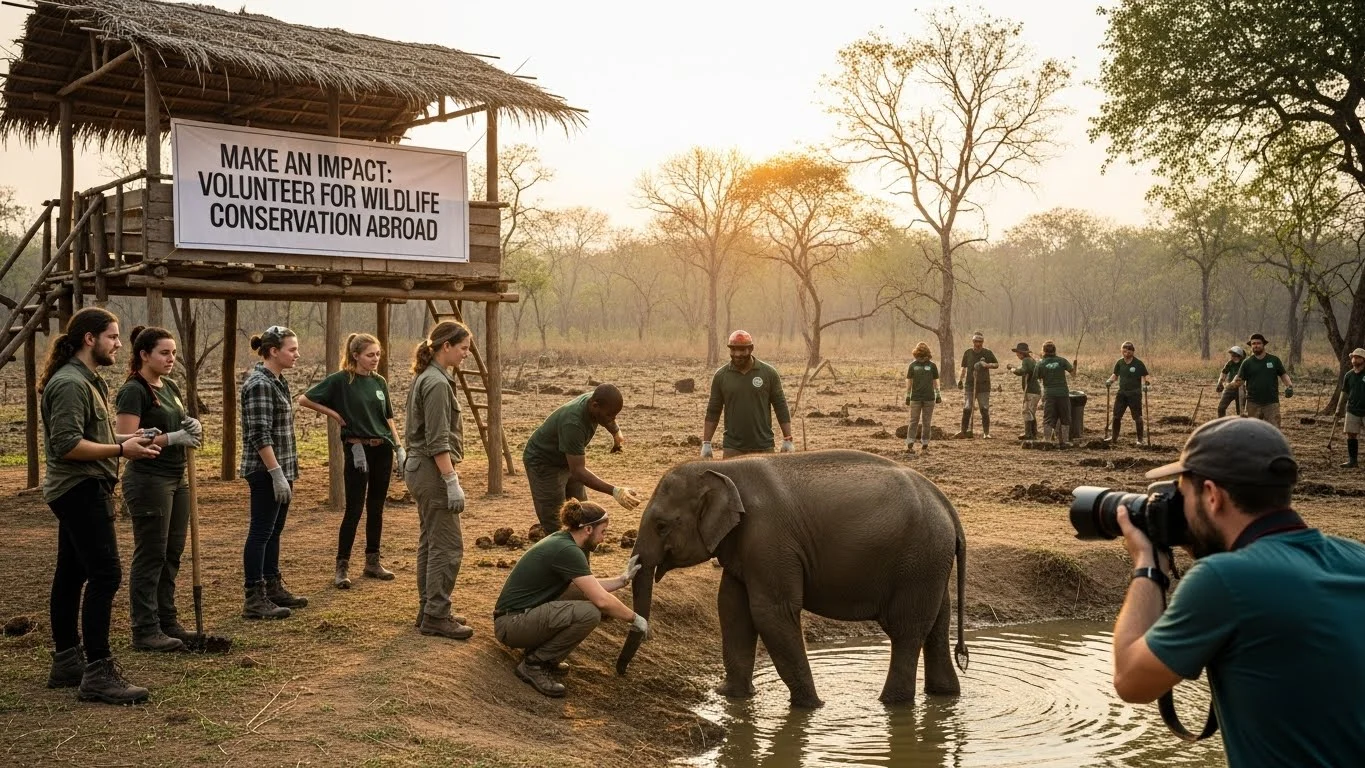
Understanding Wildlife Conservation
What is Wildlife Conservation?
Wildlife conservation is all about protecting animals and their habitats. When I first learned about this field, I was amazed at how interconnected everything is. It’s not just about saving a specific species; it’s about preserving entire ecosystems. Conservation efforts focus on preventing extinction and ensuring that wildlife can thrive in their natural environments. This can include everything from protecting endangered species to restoring damaged habitats. I’ve seen firsthand how volunteers come together to make a meaningful impact, often working side by side with local communities to develop sustainable practices.
Importance of Biodiversity
Biodiversity refers to the variety of life on Earth, and it’s crucial for a healthy planet. I remember visiting a rainforest where the sheer amount of life was overwhelming. Each species plays a unique role in its ecosystem, and when one goes extinct, it can have a domino effect on others. This is why I believe that protecting biodiversity is not just a nice thing to do; it’s essential for our survival. Healthy ecosystems provide us with clean air, water, and food, and they help regulate our climate. When we volunteer for wildlife conservation, we are directly contributing to the health of our planet.
Threats to Wildlife
Despite our best efforts, wildlife faces numerous threats. Habitat loss is one of the biggest challenges. As I traveled through various regions, I often saw how urban development and agriculture encroach on natural habitats, leaving animals with nowhere to go. Additionally, poaching and illegal wildlife trade continue to decimate populations of iconic species like elephants and rhinos. Climate change is another looming threat, altering habitats and food availability. I’ve felt the urgency to act when learning about these issues, and volunteering for wildlife conservation gives us a way to contribute to meaningful solutions.
Benefits of Volunteering for Wildlife Conservation
Personal Growth and Skill Development
One of the most rewarding aspects of volunteering for wildlife conservation is the personal growth that comes with it. When I first started volunteering, I was unsure of what to expect. I found myself stepping out of my comfort zone in ways I never imagined. From learning how to track animals in the wild to understanding complex ecological systems, every day brought new challenges. I also picked up various skills, such as teamwork and problem-solving, which have been invaluable in my personal and professional life. Volunteering can truly be a transformative experience.
Building Global Awareness and Cultural Understanding
Volunteering abroad also opens your eyes to different cultures and perspectives. I remember sitting around a fire with local conservationists, sharing stories and laughter while learning about their deep-rooted connection to the land. This cultural exchange is often just as enriching as the work itself. Understanding the local context helps us appreciate the nuances of conservation efforts and fosters a sense of global community. It’s a powerful reminder that we are all in this together, working towards the same goal of preserving our planet.
Making a Tangible Impact on Ecosystems
One of the most fulfilling parts of volunteering is witnessing the tangible impact of our efforts. I vividly recall helping with a habitat restoration project where we planted trees and cleared invasive species. Over time, I saw how our work contributed to the revival of local wildlife populations. There’s something incredibly rewarding about knowing that your hands-on efforts are making a difference. Whether it’s through education, advocacy, or direct action, every volunteer has the potential to drive real change in the ecosystems we care about.
Choosing the Right Volunteer Program
Types of Wildlife Conservation Projects
When it comes to wildlife conservation volunteering, there are so many different types of projects that cater to various interests and skill sets. I remember feeling overwhelmed by the options when I first started looking into programs. It can be helpful to consider what resonates with you the most. Here are a few common types of projects that I discovered along the way:
Field Research and Data Collection
Field research is a fantastic way to get involved in wildlife conservation. These projects often involve gathering data on animal populations, behaviors, and habitats, which can be crucial for informing conservation strategies. I took part in a program where we tracked the migration patterns of a specific bird species. It was fascinating to see how our data contributed to understanding their needs and challenges. If you love being outdoors and have an eye for detail, this might be the perfect fit for you.
Habitat Restoration
Habitat restoration projects focus on repairing and revitalizing damaged ecosystems. I remember working in a coastal area where we planted mangroves to help protect the shoreline and provide a home for various fish species. It was incredible to see how quickly nature can bounce back with a little help. These projects often involve physical labor, but the sense of accomplishment and connection to the environment makes it worthwhile. Plus, it’s a great way to bond with other volunteers who share the same passion.
Wildlife Rehabilitation
Wildlife rehabilitation focuses on caring for injured or orphaned animals until they can be safely released back into the wild. I had the opportunity to volunteer at a wildlife rescue center, and it was one of the most rewarding experiences of my life. From feeding baby animals to assisting with medical care, I learned so much about animal care and welfare. If you have a love for animals and want to make a direct impact on their lives, this type of project might be calling your name.
How to Evaluate Volunteer Organizations
Choosing the right organization for your wildlife conservation volunteering can feel daunting, but asking the right questions can help narrow down your options. I found that doing thorough research not only gave me peace of mind but also ensured I was supporting ethical practices. Here are a couple of key points to consider:
Accreditations and Certifications
Before committing to a program, check if the organization has any accreditations or certifications. These can indicate a level of credibility and commitment to ethical practices. I remember feeling more confident about my choice when I saw that the organization I volunteered with had partnerships with recognized wildlife conservation bodies. It gave me reassurance that my efforts were contributing to a larger, impactful mission.
Volunteer Reviews and Testimonials
Looking for reviews and testimonials from past volunteers can provide insight into their experiences. I spent time reading through various posts and feedback, which helped me gauge the organization’s effectiveness and the overall volunteer experience. Hearing stories from others gave me a clearer picture of what to expect and helped me feel more connected to the cause even before I arrived. For more tips on choosing the best volunteer experience, check out How to Choose the Best Wildlife Conservation Volunteer Experience.
Top Destinations for Wildlife Conservation Volunteering
Africa
Africa is often at the top of many wildlife conservation wish lists, and for good reason. The diversity of ecosystems and iconic wildlife makes it an incredible place to volunteer. I’ve met so many passionate people who traveled to Africa to contribute to conservation efforts, and their stories always inspire me.
South Africa: Big Five Conservation
South Africa is famous for its Big Five—lion, leopard, rhinoceros, elephant, and Cape buffalo. I recall hearing about programs that focus on protecting these majestic animals through anti-poaching initiatives and habitat preservation. Working alongside local rangers, volunteers can gain hands-on experience while learning about the challenges these species face. It’s a dream destination for anyone passionate about wildlife.
Kenya: Elephant and Rhino Protection
Kenya is another hotspot for conservation efforts, particularly for elephants and rhinos. I was moved by the stories of volunteers who helped in tracking and monitoring these animals, ensuring their safety from poaching and habitat loss. Being part of such crucial work, even just for a short time, can be life-changing and offers a deep connection to the land and its wildlife.
Central and South America
The lush rainforests and rich biodiversity of Central and South America provide countless opportunities for volunteering. I’ve always felt a strong pull toward the vibrant ecosystems found in this region.
Ecuador: Amazon Rainforest Conservation
Ecuador is home to a portion of the Amazon rainforest, and conservation projects here focus on protecting this invaluable area. I learned about programs that involve working with indigenous communities to promote sustainable practices and protect biodiversity. The chance to immerse yourself in such a unique environment while supporting conservation efforts is something I believe everyone should experience at least once.
Brazil: Jaguar and Atlantic Forest Projects
In Brazil, the challenge of preserving the Atlantic Forest, one of the most endangered ecosystems, is critical. Volunteers can get involved in jaguar conservation projects that aim to understand their behaviors and protect their habitats. I’ve seen how passionate volunteers can make a difference, and it’s a great way to contribute to a cause that truly needs our support. For budget travelers, consider looking into Top Wildlife Conservation Volunteer Programs for Budget Travelers.
Top Destinations for Wildlife Conservation Volunteering
Asia
Asia is another remarkable continent for wildlife conservation volunteering, rich with diverse ecosystems and unique species. I’ve always been drawn to the cultural tapestry and natural beauty of this region, and it’s incredible to see how various organizations work tirelessly to protect the wildlife that calls Asia home.
Thailand: Elephant Sanctuaries
Thailand is famous for its majestic elephants, and volunteering at an elephant sanctuary can be a life-changing experience. I remember visiting a sanctuary where elephants were rescued from abusive situations. Here, volunteers help care for these gentle giants by feeding them, bathing them, and learning about their behaviors. It was heartwarming to witness the bond between the elephants and their caretakers. I felt a deep sense of fulfillment knowing that my efforts were contributing to a more humane treatment of these magnificent creatures. The experience taught me not only about elephant conservation but also the importance of ethical tourism.
India: Tiger Conservation Efforts
India offers fascinating opportunities for volunteers interested in tiger conservation. These big cats are a symbol of the country’s wildlife, yet they face significant threats from habitat loss and poaching. I’ve heard stories from volunteers who worked in national parks, helping with monitoring and protection efforts. Being immersed in such a vital project was inspiring, as I learned how crucial it is to balance wildlife preservation with the needs of local communities. I remember feeling a surge of hope when I learned about successful tiger breeding programs and how they’re being reintroduced into the wild. It’s a dynamic effort that truly highlights the importance of community involvement in conservation.
Preparing for Your Volunteer Experience
Essential Skills and Qualifications
Before embarking on a wildlife conservation volunteering journey, it’s important to consider any skills or qualifications that might enhance your experience. While many programs welcome volunteers from all backgrounds, I found that having some basic skills can boost your confidence and effectiveness. For instance, a background in biology or environmental science can be helpful, but it’s not always necessary. I remember how my basic knowledge of first aid came in handy during my stint at a wildlife rehabilitation center. Additionally, having good communication skills can facilitate interactions with local communities and fellow volunteers. If you’re open to learning and adaptable, you’ll likely find your niche in any conservation effort.
Health and Safety Considerations
Health and safety should be top of mind before heading off to volunteer abroad. I learned this from personal experience when I traveled to a remote area without adequate preparation. It’s important to get any necessary vaccinations and to be aware of local health risks. I made a checklist of important health tips, like taking mosquito repellent for tropical destinations or ensuring I had enough prescription medication. Also, understanding the safety protocols of the organization I volunteered with made me feel secure. Being informed not only protects your health but also allows you to focus on the meaningful work ahead.
What to Pack for Wildlife Conservation Volunteering
Packing for a wildlife conservation trip can be a bit of an adventure in itself! I remember making a list of essentials that I found helpful during my travels. Here are a few items I highly recommend:
- Clothing: Pack breathable, durable clothing suitable for various weather conditions. I found that layers are your best friend, especially when working outdoors.
- Footwear: Sturdy hiking boots or shoes are essential for navigating different terrains. I wore mine almost every day!
- Personal items: Don’t forget your toiletries, sunscreen, and insect repellent. In my experience, a good water bottle and a small first aid kit were lifesavers.
- Documentation: Have your passport, travel insurance, and any necessary permits handy. I learned the hard way how important it is to keep everything organized.
- Volunteering gear: Depending on the project, you may need gloves, a hat, or even specific tools. Check with your organization on what’s required.
Packing thoughtfully ensures that you’re prepared for whatever comes your way, allowing you to focus on the incredible conservation work ahead.
Funding Your Volunteer Experience
Understanding Program Costs
One of the challenges many aspiring volunteers face is understanding the costs associated with wildlife conservation programs. I remember being surprised at the range of fees, which can include accommodations, meals, and project costs. It’s essential to clarify what is covered by the program fees and what additional expenses you might incur, such as flights or travel insurance. I found that reaching out to past volunteers helped me get a clearer picture of the total costs involved, which made it easier to budget for my trip.
Fundraising Ideas and Resources
If you’re concerned about the financial aspect, don’t worry—there are plenty of ways to fundraise for your volunteer experience. I discovered creative methods like hosting events, starting a crowdfunding campaign, or even selling handmade crafts. I remember organizing a bake sale with friends, and it was not only fun but also quite effective! Social media can also be a powerful tool to share your story and gather support. When you’re passionate about the cause, people are often eager to contribute and help you reach your goal.
Grants and Scholarships for Conservation Projects
Many organizations offer grants or scholarships specifically for wildlife conservation volunteering. I was thrilled to find opportunities that could ease the financial burden of my trip. Researching these possibilities can be time-consuming, but it’s absolutely worth it. I recommend checking the websites of various conservation organizations or universities for any available funding. Additionally, local wildlife trusts or foundations may also have resources for volunteers. Remember, every bit helps, and there’s no harm in applying for support!
Ethical Considerations in Wildlife Volunteering
Understanding Volunteer Exploitation
As I dove deeper into the world of wildlife conservation volunteering, I began to realize the importance of ethical practices. Volunteer exploitation is a real issue that can sometimes surface in this field. I’ve heard stories from friends who felt more like tourists than volunteers, as organizations prioritized profit over meaningful work. This made me more cautious about the programs I chose. I believe it’s essential to scrutinize organizations to ensure they genuinely prioritize wildlife welfare and local communities. I’ve found that the best way to avoid exploitation is to look for programs that engage with local communities, respect wildlife, and provide volunteers with authentic experiences. When we choose ethically, we contribute to a more sustainable and responsible approach to conservation.
Choosing Sustainable Practices
In addition to understanding volunteer exploitation, I’ve noticed how crucial it is to support sustainable practices within conservation efforts. During my volunteering experiences, I learned about the significance of leaving no trace and minimizing our environmental impact. For instance, I remember participating in a program that emphasized using eco-friendly materials and practices while engaging in habitat restoration projects. This not only helped protect the ecosystems we were working in, but it also encouraged local communities to adopt similar sustainable practices. I believe that by choosing programs that prioritize sustainability, we can make a more profound, long-lasting impact on wildlife conservation.
Stories from Volunteers: Impact and Experiences
Personal Testimonials from Past Volunteers
One of the most inspiring aspects of wildlife conservation volunteering is hearing the stories from those who have gone before us. I remember sitting down with a group of past volunteers during my travels, sharing our experiences and the lessons we learned. One volunteer recounted how her time in a wildlife rehabilitation center changed her perspective on animal care. She spoke passionately about the bond she formed with the animals she cared for and how it ignited her passion for a career in veterinary medicine. Hearing her story reminded me of the deep connections we can forge with both animals and people in this line of work.
Success Stories in Wildlife Conservation
Every so often, I come across success stories that showcase the incredible impact of conservation efforts. I once read about a project in Kenya that focused on educating local communities about the importance of protecting elephants. This initiative empowered the community to become stewards of their environment, resulting in a significant decrease in poaching incidents. I found it uplifting to see how education and awareness could lead to real change. These stories fuel my belief in the power of wildlife conservation volunteering, reminding us that our collective efforts can truly make a difference.
Final Thoughts
Volunteering for wildlife conservation is more than just an opportunity to help animals; it’s a chance to grow personally, connect with diverse cultures, and contribute to the health of our planet. As I reflect on my own experiences, I feel grateful for the moments spent in the field, the friendships forged, and the lessons learned. Each one of us has the power to make a difference, and through our commitment to wildlife conservation, we not only protect ecosystems but also inspire others to join the cause. I encourage anyone considering this path to embrace the adventure ahead—your journey could lead to unforgettable experiences and meaningful change.
Frequently Asked Questions
What is wildlife conservation?
Wildlife conservation is the practice of protecting animals and their habitats, focusing on preventing extinction and ensuring that wildlife can thrive in their natural environments. It includes efforts to save endangered species and restore damaged habitats, often through collaboration with local communities.
Why is biodiversity important?
Biodiversity, which refers to the variety of life on Earth, is crucial for a healthy planet. Each species plays a unique role in its ecosystem, and the loss of one can affect others. Healthy ecosystems contribute to clean air, water, food, and climate regulation, making biodiversity essential for our survival.
What are some common threats to wildlife?
Wildlife faces several threats, including habitat loss due to urban development and agriculture, poaching, illegal wildlife trade, and climate change. These challenges can severely impact animal populations and their natural habitats.
What are the benefits of volunteering for wildlife conservation?
Volunteering for wildlife conservation offers personal growth and skill development, helps build global awareness and cultural understanding, and allows volunteers to witness the tangible impact of their efforts on ecosystems.
What types of wildlife conservation projects are available for volunteers?
Common types of wildlife conservation projects include field research and data collection, habitat restoration, and wildlife rehabilitation. Each project caters to different interests and skill sets, providing various ways to contribute to conservation efforts.
How can I evaluate volunteer organizations for wildlife conservation?
When evaluating volunteer organizations, consider their accreditations and certifications to ensure credibility and ethical practices. Additionally, read reviews and testimonials from past volunteers to gauge their experiences and the organization’s effectiveness.
What are some top destinations for wildlife conservation volunteering?
Top destinations for wildlife conservation volunteering include South Africa for Big Five conservation, Kenya for elephant and rhino protection, Ecuador for Amazon rainforest conservation, Brazil for jaguar conservation, and Thailand for elephant sanctuaries.
What essential skills and qualifications should I have to volunteer in wildlife conservation?
While many programs welcome volunteers from all backgrounds, having skills in biology or environmental science can be helpful. Basic first aid knowledge and good communication skills are also beneficial for effective interaction with local communities and fellow volunteers.
How can I fund my wildlife conservation volunteer experience?
Funding your volunteer experience can be achieved through understanding program costs, fundraising ideas, and applying for grants or scholarships. Creative methods like hosting events, crowdfunding, and seeking support from local wildlife trusts can also help ease financial burdens.
What ethical considerations should I keep in mind when volunteering for wildlife conservation?
It’s crucial to avoid volunteer exploitation by choosing programs that prioritize wildlife welfare and community engagement. Supporting sustainable practices within conservation efforts is also important, ensuring minimal environmental impact during volunteer activities.