
As a solo traveler, mastering cultural etiquette can elevate your journey from ordinary to extraordinary. It opens doors to meaningful connections and enriches your experiences while exploring new places. For more insights, check out Navigating Cultural Norms: Solo Travel Etiquette Essentials.
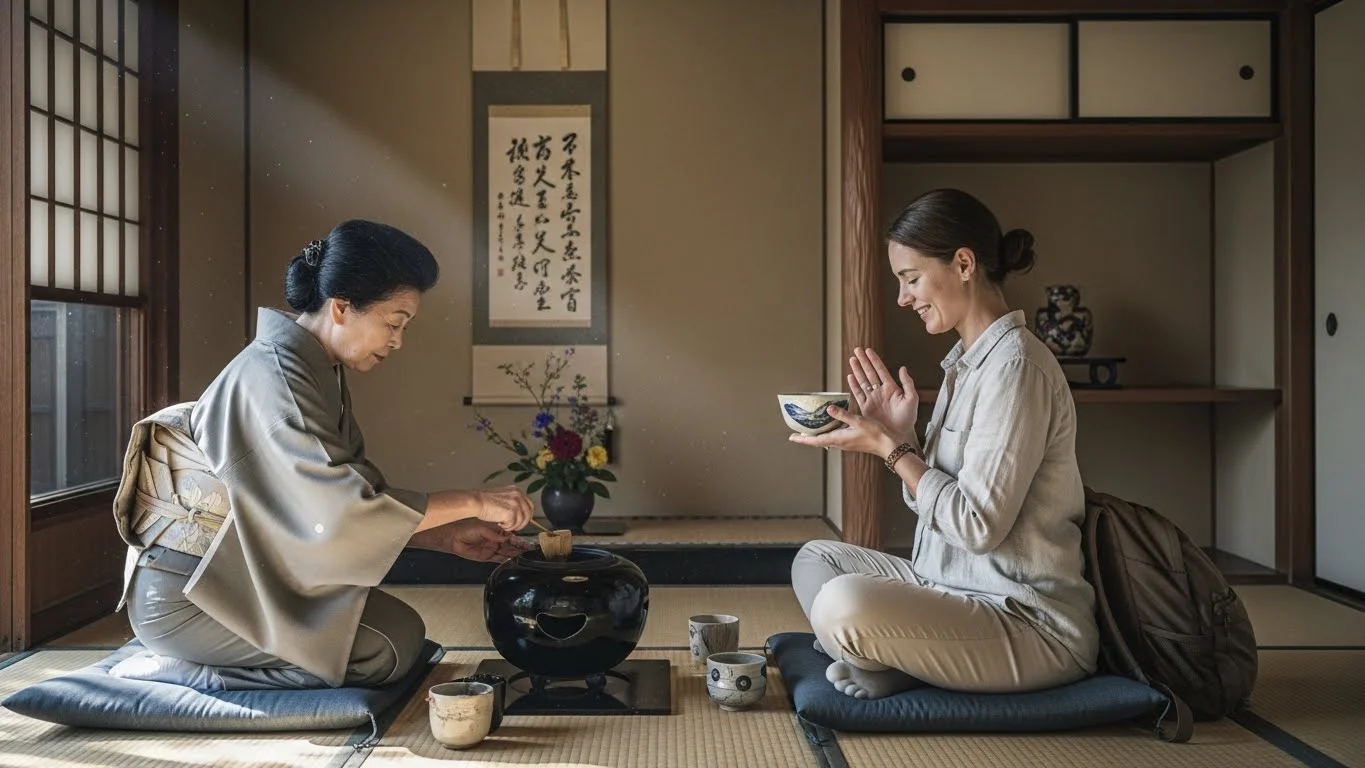
Understanding Cultural Etiquette
Definition of Cultural Etiquette
Cultural etiquette refers to the unwritten rules and behaviors that guide interactions within a specific culture. It encompasses everything from how we greet others to the way we dine, dress, and communicate. I remember my first solo trip abroad, and I was often unsure of how to behave appropriately in different settings. Over time, I learned that understanding these social norms is crucial for any traveler, especially when navigating unfamiliar territories.
Importance of Cultural Etiquette for Solo Travelers
When I travel alone, I find that being aware of cultural etiquette helps me connect with locals on a deeper level. It shows respect for their customs and traditions, which can lead to warmer interactions. For instance, in many cultures, a simple greeting can significantly impact your experience. I learned this the hard way in Italy when I neglected to greet shopkeepers with a friendly “Buongiorno.” Instead of engaging with me, they seemed disinterested. Once I adjusted my approach, I noticed a remarkable shift in their responses. This was a valuable lesson in the importance of cultural sensitivity, especially as a solo traveler. To further enhance your understanding, explore Essential Solo Travel Etiquette Tips for Cultural Adventures.
Researching Your Destination
Understanding Local Customs
Before embarking on a trip, I always dedicate time to researching the local customs of my destination. Each culture has unique traditions that shape daily life. For example, in Thailand, it’s considered rude to touch someone’s head since it’s viewed as the most sacred part of the body. I once made this mistake without knowing, and it led to an awkward moment. This experience taught me the importance of thorough research to avoid unintentional faux pas.
Language Basics and Phrases
I’ve found that learning a few basic phrases in the local language can be a game-changer. It shows respect and can often lead to friendlier interactions. I remember trying to speak Spanish in Mexico, and the locals appreciated my effort, even if my pronunciation was off. Simple phrases like “hello,” “thank you,” and “please” can break down barriers and make locals more willing to engage with you. I recommend using language apps that help you learn these essentials before your trip.
Reading Up on Cultural Norms
Beyond just greetings, it’s beneficial to read about the broader cultural norms of the place you’re visiting. For example, in many Middle Eastern countries, it’s important to dress modestly. I learned this after packing what I thought was an appropriate outfit only to realize I stood out like a sore thumb. This led me to do more research on dress codes, including local customs around modesty and appropriateness. It’s amazing how much easier it is to blend in and enjoy your surroundings when you’re dressed suitably.
Common Cultural Etiquette Practices
Greetings and Introductions
How we greet one another can set the tone for our interactions. In some cultures, a firm handshake is the norm, while in others, a bow or even a cheek kiss is customary. I’ve experienced this firsthand while traveling in Japan, where bowing is a sign of respect. I made a conscious effort to learn the proper way to bow, and it really helped me connect with local people. Understanding these greeting practices can make a significant difference in how you’re perceived.
Dining Etiquette
Dining is often where cultural etiquette shines the most. Each culture has its own traditions regarding food and sharing meals. For instance, in India, I learned that eating with your right hand is essential, while the left hand is considered unclean. I remember feeling awkward at first, but once I got the hang of it, it felt natural. Observing how locals interact during meals can also offer valuable insights into their culture. I recommend attending a local cooking class; it’s a fun way to learn not just about food but also about the significance of meals in that culture.
Dress Codes and Personal Appearance
As I mentioned earlier, dressing appropriately is vital. In some areas, casual clothing is welcomed, while in others, it can be seen as disrespectful. For example, when I visited a temple in Bali, I was required to wear a sarong. I found it fascinating how these dress codes reflect cultural values. Paying attention to these details helps you show respect and often leads to more welcoming interactions with the locals.
Gift-Giving Traditions
Gift-giving can also vary widely from culture to culture. In Japan, for example, it’s customary to present gifts neatly wrapped, while in many parts of Africa, gifts may be given with both hands as a sign of respect. I learned this when I attended a friend’s wedding in Ghana. Observing the local customs surrounding gift-giving made me appreciate the thoughtfulness involved. It’s a beautiful way to express gratitude and respect in a new culture.
Body Language and Non-Verbal Communication
Body language can speak volumes. I’ve noticed that gestures that are benign in one culture may be offensive in another. For example, in some countries, making eye contact is a sign of confidence, while in others, it might be considered disrespectful. I once unknowingly made a gesture that was offensive while in the Middle East, leading to a very uncomfortable situation. Being aware of these subtleties can help you navigate social interactions more gracefully as a solo traveler.
Country-Specific Etiquette Guides
Asia
Japan
Japan is a country rich in tradition and cultural etiquette, and I found it to be one of the most fascinating places to explore. When I visited, I learned that bowing is not just a greeting but also a way to express gratitude and apology. It’s customary to bow at various angles depending on the situation, and I remember practicing the different bows before my trip. I also discovered that shoes must be removed before entering homes and certain establishments, like temples and ryokans (traditional inns). This was a bit of an adjustment for me but also added to the cultural experience. The care taken in these small actions reflects a deep respect for cleanliness and hospitality, which I appreciated deeply during my stay.
China
In China, I quickly realized that dining etiquette plays a significant role in social interactions. I was invited to a traditional meal, and I had to learn some unspoken rules, such as not sticking my chopsticks upright in my rice, as it resembles a funeral ritual. Instead, placing them flat on the bowl or a chopstick rest is considered polite. Sharing food is also a common practice, and I remember feeling honored when dishes were offered to me. This act symbolizes friendship and goodwill. It’s essential to show appreciation for the meal by trying a bit of everything and expressing my enjoyment, which I found to be a delightful way to bond with my hosts.
Africa
Morocco
My journey to Morocco introduced me to the warmth of its people and their customs. One of the most memorable experiences was participating in a traditional tea ceremony. I learned that serving tea is a symbol of hospitality, and it’s customary to pour the tea from a height to aerate it. I felt a bit clumsy at first, but the locals were patient and encouraged me to try. This experience was a beautiful reminder of how sharing food and drink can create connections. When greeting someone, using titles and showing respect is essential, especially among elders. I made sure to practice these etiquette rules and noticed how they opened up conversations with the locals.
South Africa
South Africa’s diverse cultures make it a unique destination. During my visit, I learned that greetings are vital in establishing relationships. I found it common to greet people with “Sawubona” in Zulu or “Hallo” in Afrikaans, depending on the context. I remember attending a local market where a simple greeting would lead to engaging conversations, and I found this approach to be refreshing. Another important aspect is the custom of sharing meals, known as “Ubuntu.” It emphasizes community and togetherness. I was lucky enough to participate in a braai (a South African barbecue), where everyone contributed to the meal, creating a sense of unity.
Europe
France
Visiting France was a dream come true, but I quickly learned that French cultural etiquette is taken seriously. A simple “Bonjour” before asking for help can change the way you’re treated in shops and restaurants. I remember feeling a bit shy to practice my French, but I found that locals appreciated my effort, which opened doors to delightful conversations. Dining in France is another experience that reflects their culture. I discovered that it’s polite to wait for the host to start eating before taking my first bite. Observing the meals being enjoyed around me made me realize just how much pride they take in their culinary traditions.
Germany
Germany has its own set of etiquette guidelines, particularly when it comes to punctuality and respect for rules. I learned quickly that being late is seen as disrespectful. I made it a point to arrive at meetings and gatherings on time, which was appreciated. Additionally, when dining, it’s important to keep your hands above the table and not place your elbows on it. I remember feeling out of place at first, but as I adapted to these practices, I felt more at home. It was a great reminder of how different cultures emphasize various aspects of interaction, and I loved learning about the German way of life.
Americas
Brazil
In Brazil, I found the culture to be vibrant and full of life. Greetings are warm and often involve hugs or cheek kisses, which felt inviting. I learned that it’s common to maintain eye contact while conversing, as it shows interest. I experienced this firsthand at a street festival where everyone seemed eager to connect. However, I also learned that personal space is a bit closer than what I was used to, which took some getting used to. I embraced it as part of the experience, and it made me feel more integrated into the joyful atmosphere.
Mexico
Mexico’s rich culture is steeped in tradition. I found that family is central to Mexican life, and this is reflected in their customs. When dining, it’s polite to wait for the host to say “Buen provecho” before starting the meal. I remember feeling honored when I was invited to a family gathering, and I made sure to express my gratitude for their hospitality. Additionally, it’s customary to offer a handshake or a hug when greeting someone, which reinforced my feeling of being welcomed. It was heartwarming to see how these small gestures foster community and connection in everyday life.
Solo Travel Safety and Etiquette
Identifying Safe Practices
When I set out on my adventures as a solo traveler, safety was always at the forefront of my mind. Over the years, I’ve learned that understanding the safety practices of a culture can significantly enhance my travel experience. For instance, I’ve found it essential to stay aware of my surroundings, especially in crowded places. In busy markets, I keep my belongings close and avoid drawing too much attention to myself. I remember feeling uneasy in a crowded bazaar in Istanbul, where I noticed how locals moved confidently through the crowd while I was more hesitant. That experience taught me to blend in and embrace the local pace, which not only heightened my safety but also allowed me to enjoy the vibrant atmosphere around me.
Additionally, it’s wise to familiarize myself with the local emergency numbers and know the locations of nearby hospitals or police stations. I recall a time I got lost while hiking in the hills of a small town in Greece. By having a local map and knowing where the nearest help could be found, I felt more secure and was able to enjoy my exploration without anxiety. Taking the time to learn these basic safety measures before traveling can make a world of difference.
Understanding Local Laws and Regulations
Every country has its own laws and regulations, and understanding them can save you from unexpected trouble. For example, I learned that in Singapore, there are strict laws against littering, and the fines can be hefty. I always made it a point to dispose of my trash properly, which not only helped me avoid fines but also allowed me to appreciate the cleanliness of the city. It’s fascinating how local laws often reflect cultural values, such as respect for the environment or community.
Moreover, I’ve found that being aware of laws regarding photography can be crucial. In some places, taking photos of certain structures or people without permission can be frowned upon or even illegal. I once took a photo of a beautiful temple in Bhutan without asking first, only to be gently reminded by a local that it was prohibited. After that, I made it a habit to always ask first and respect the privacy and wishes of others. It’s a small act that demonstrates respect and can lead to richer interactions.
How to Handle Cultural Misunderstandings
Cultural misunderstandings can happen to anyone, and I’ve certainly had my share. I remember an occasion in Thailand when I accidentally pointed my feet at someone while sitting on a bench. In Thai culture, showing the soles of your feet is considered disrespectful. The look on the person’s face made me realize my mistake. I quickly apologized and adjusted my seating position, which eased the tension. This experience taught me that if I find myself in a tricky situation, a sincere apology often goes a long way. Most people appreciate the effort to correct a mistake.
Moreover, I’ve learned that staying calm and open-minded is crucial. I once mispronounced a local dish’s name in Italy, and instead of being offended, the waiter laughed and corrected me kindly. Engaging in a light-hearted conversation about it turned an awkward moment into a delightful exchange. Embracing these hiccups as part of the learning process can turn a cultural faux pas into a memorable experience.
Engaging with Locals
Building Rapport and Trust
Engaging with locals has always been one of my favorite parts of traveling solo. Building rapport with the people I meet can transform my experience from merely visiting a place to truly immersing myself in the culture. I remember sitting in a small café in Lisbon, where I struck up a conversation with the barista about the local pastries. This simple interaction led to recommendations for hidden gems around the city. I realized that when I approach people with genuine curiosity and respect, they often reciprocate with warmth and hospitality.
Being open about my travels and asking questions about their culture can also foster trust. I once met a family in Vietnam who invited me to their home for dinner after I expressed admiration for their cooking. Sharing a meal with them and learning about their daily lives created a bond that I cherish to this day. It’s these moments that remind me of the shared humanity we all have, regardless of where we come from.
Participating in Local Events and Traditions
One of the best ways to engage with locals is by participating in their festivals and traditions. I remember attending the Lantern Festival in Taiwan, where I felt incredibly welcomed. The locals encouraged me to release my own lantern into the sky, and it felt magical to be part of such a beautiful event. These experiences not only enrich my understanding of the culture but also create lasting memories.
Additionally, I’ve found that volunteering opportunities can offer unique insights into local life. During a trip to Costa Rica, I volunteered at a community farm, which allowed me to interact with locals on a deeper level. I learned about sustainable farming practices and the community’s commitment to preserving their environment. This kind of engagement not only adds value to my travel experience but also contributes positively to the places I visit.
Volunteering and Community Involvement
Volunteering abroad has always been a rewarding way for me to connect with communities. I remember spending time at an orphanage in South Africa, where I not only helped with daily activities but also formed friendships with the staff and children. This experience opened my eyes to their way of life and the challenges they face. By being involved, I felt like I was giving back, and it enriched my travels in ways I hadn’t expected.
Moreover, volunteering can help bridge cultural gaps. One time, while working on a conservation project in Brazil, I learned about the importance of preserving local wildlife and the cultural significance it holds for the community. The locals shared stories and wisdom that I took to heart, reminding me of the importance of mutual respect and understanding. These experiences often lead to deeper connections and a more profound appreciation for the culture.
Frequently Asked Questions
What is cultural etiquette?
Cultural etiquette refers to the unwritten rules and behaviors that guide interactions within a specific culture. It encompasses greetings, dining, dressing, and communication styles.
Why is cultural etiquette important for solo travelers?
Being aware of cultural etiquette helps solo travelers connect with locals on a deeper level and shows respect for their customs and traditions, leading to warmer interactions.
How can I research local customs before traveling?
You can dedicate time to researching the local customs of your destination through travel guides, websites, or cultural blogs to understand unique traditions that shape daily life.
What are some common dining etiquette practices around the world?
Dining etiquette varies by culture; for example, in India, it is essential to eat with your right hand, while in China, sticking chopsticks upright in rice is considered disrespectful.
What should I know about greetings in different cultures?
Greetings can set the tone for interactions. Some cultures prefer a firm handshake, while others may bow or greet with cheek kisses. Understanding these practices can enhance your experience.
How important is it to learn basic phrases in the local language?
Learning basic phrases in the local language shows respect and can lead to friendlier interactions with locals, making your travel experience more enjoyable. For further tips, refer to Mastering Solo Travel Etiquette: A Cultural Guide.
What are some safety practices for solo travelers?
Solo travelers should stay aware of their surroundings, keep belongings close in crowded places, and familiarize themselves with local emergency numbers and the locations of nearby hospitals or police stations.
How can I handle cultural misunderstandings during my travels?
If you find yourself in a cultural misunderstanding, a sincere apology often goes a long way. Staying calm and open-minded can help turn an awkward situation into a positive interaction.
What are the benefits of volunteering while traveling?
Volunteering allows travelers to connect with communities, gain deeper insights into local life, and contribute positively to the places they visit, enriching their overall experience.
How can participating in local events enhance my travel experience?
Participating in local events and traditions can provide unique insights into the culture, create lasting memories, and foster connections with locals, enriching your travel experience.