
Have you ever felt the thrill of scaling a rocky terrain while backpacking? Mastering essential climbing techniques can transform your outdoor adventures, making them safer and more rewarding. Let’s dive into the world of climbing as part of budget backpacking!
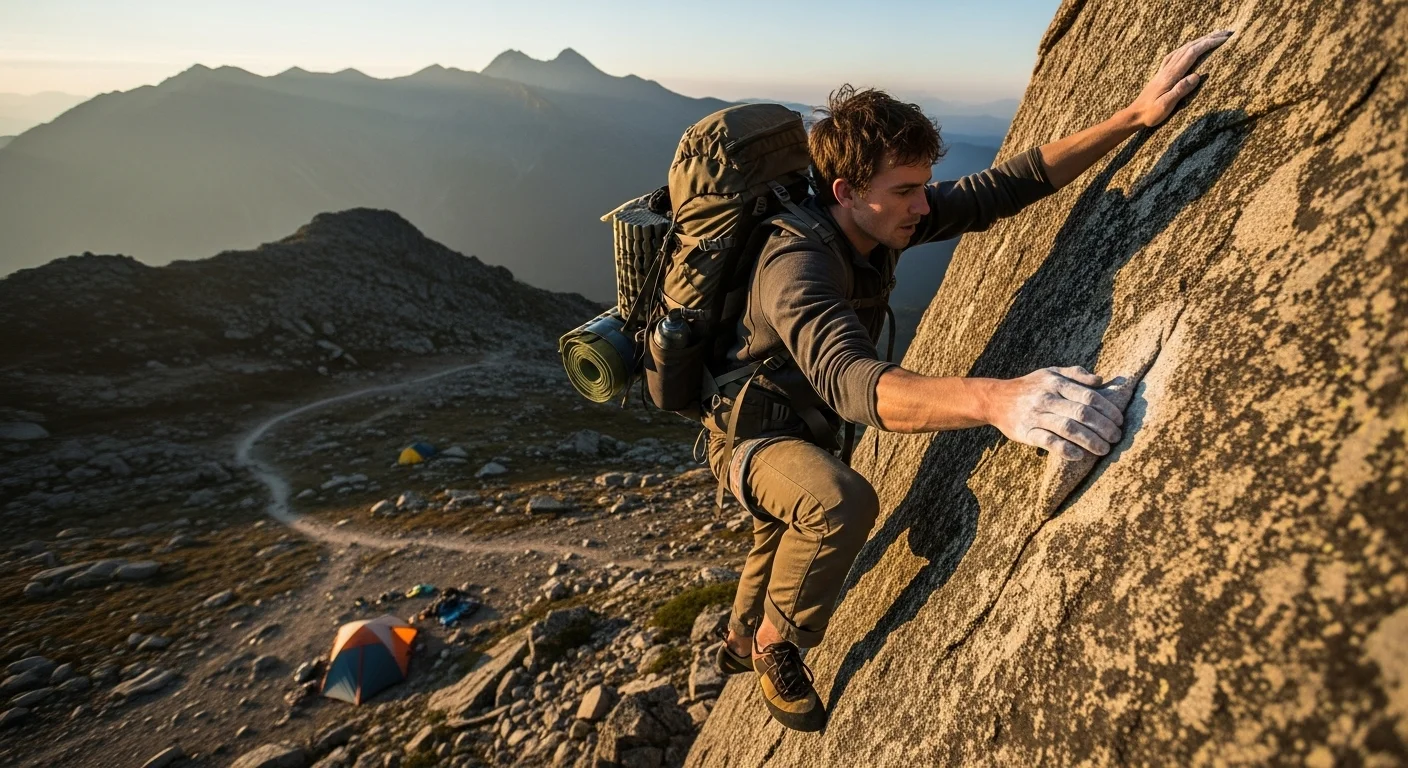
Understanding Climbing Techniques
What Are Climbing Techniques?
Climbing techniques encompass a wide range of skills that help climbers ascend various terrains efficiently and safely. These techniques include everything from how to place your feet and hands to how to manage your body weight and balance. I remember the first time I tried climbing; I was overwhelmed by how much technique mattered. It wasn’t just about brute strength; it was about finesse. Each movement counts, and understanding the fundamentals can make a significant difference in your climbing experience.
Importance of Climbing Skills in Backpacking
When it comes to backpacking, having solid climbing skills can elevate your journey. I’ve found that many beautiful trails lead to stunning vistas that require some climbing. Knowing how to maneuver through rocky bits or steep sections not only keeps you safe but also enhances your enjoyment of the great outdoors. I believe that mastering climbing techniques transforms a challenging hike into an exhilarating experience. It allows you to tackle routes that others might shy away from, giving you access to breathtaking landscapes and untamed nature. Plus, it builds your confidence, making you more adventurous on your travels. If you’re looking for budget-friendly options, essential gear for budget mountain trekking can make a big difference.
Essential Climbing Techniques for Beginners
Footwork Fundamentals
One of the first lessons I learned about climbing was the importance of good footwork. It might seem simple, but your feet are your foundation on the rock. I started practicing various foot placements, learning to rely on my toes rather than my heels. The more precise my foot placement became, the easier my climbs felt. I recommend starting with the basics: practice placing your foot directly on holds and pushing yourself up using your legs rather than pulling with your arms. This technique not only saves energy but also allows for more extended climbs without tiring out quickly.
Grip Techniques and Handholds
Next up is grip. I remember my first climb, grappling with holds that seemed impossibly small. I quickly learned that there are different types of grips — crimp, open hand, and pinch, to name a few. Each has its place, depending on the hold and the climb. I found it helpful to practice different grips on a climbing wall, where I could experiment without the risk of falls. Understanding how to use your hands effectively can give you the extra boost you need to reach higher holds, especially when you’re feeling fatigued.
Body Positioning and Balance
Another essential aspect of climbing is body positioning. I’ve encountered times when I felt stuck, only to realize it was due to my body being out of alignment. Keeping your body close to the wall and finding the right center of balance can make all the difference. I often visualize my body as a pendulum, swinging in a way that allows me to extend my reach without compromising my stability. Practicing this can help you move fluidly and confidently, especially on steep climbs. Remember, the less you have to fight against gravity, the better!
Climbing Stances: The Basics
Lastly, let’s talk about climbing stances. I learned that changing positions can help me conserve energy and adapt to different climbing challenges. There are several stances, such as the mantle, which is useful for getting over ledges, and the drop-knee, which helps when you need to reach high holds while maintaining balance. I recommend practicing these stances on varied terrains, both in controlled environments and during actual climbs. This way, you can develop muscle memory for each stance, making it easier to execute when you need it the most.
In my journey of mastering climbing techniques, I discovered that practice is vital. The more I climbed, the more I understood how these elements worked together to create a successful ascent. I hope this gives you a solid foundation to start your climbing adventure as part of your budget backpacking experiences. Let’s continue to explore the world of climbing techniques and how you can enhance your skills further!
Advanced Climbing Techniques
Dynamic Movement Techniques
As I progressed in my climbing journey, I quickly realized that dynamic movements were key to tackling more challenging routes. Dynamic climbing involves making quick, explosive moves that allow you to reach distant holds. I remember the first time I attempted a dynamic move; it felt like a leap of faith! I had to trust my body and my technique. I learned that timing is everything—swinging my body just right to gain momentum while ensuring I had a secure grip on my current hold. Practicing these techniques on easier climbs helped me build confidence and control without the fear of falling too far. I recommend incorporating dynamic movements into your practice sessions gradually, focusing on fluidity and precision.
Static vs. Dynamic Climbing
One day while climbing with friends, we started discussing the differences between static and dynamic climbing. Static climbing is all about controlled, slow movements—making sure every foot and hand placement is deliberate before you move. I found this technique incredibly useful in situations where the holds were small or my balance was precarious. By taking my time, I could assess each move carefully, allowing my body to remain stable. In contrast, dynamic climbing often requires a burst of energy and confidence. I think both techniques have their place in climbing, and it’s good to know when to use each. I’ve learned to blend them depending on the climb, which not only improves my skills but also makes for a more enjoyable experience.
Route Reading and Planning
Route reading is another skill that I found crucial as I advanced in my climbing. Before I even start a climb, I take a moment to study the route. I look for potential holds, the best body positions, and any tricky spots that might require extra caution. I remember standing at the base of a particularly daunting climb and sketching out my approach in my mind. It felt like solving a puzzle! The more I practiced this skill, the better I became at anticipating the moves ahead. I recommend visualizing the route as you climb, which can help you stay focused and reduce any anxiety about upcoming challenges. This practice not only enhances your performance but also gives you a sense of direction that boosts your confidence.
Using Climbing Gear Effectively
Having the right gear is essential for any climber, but understanding how to use it effectively is equally important. I had my fair share of gear mishaps, like misplacing my harness or struggling with my carabiners. I learned that each piece of gear has a purpose, and knowing how to utilize them properly can make all the difference. For instance, I found that understanding how to adjust my harness correctly not only increased comfort but also ensured my safety. Additionally, I recommend familiarizing yourself with different types of climbing gear, from belay devices to quickdraws, and practicing their use in a safe environment. This way, when it’s time to tackle a climb, you won’t be fumbling with your gear, but rather, you’ll feel confident and ready to go.
Safety Measures While Climbing
Understanding Climbing Safety Gear
Safety gear is a crucial aspect of climbing that I’ve come to appreciate deeply. Initially, I thought it was all about having the latest equipment, but I soon realized that understanding what each piece does is far more important. Harnesses, helmets, ropes, and carabiners are all designed to protect us, but they must be used correctly. I remember a time I neglected to check my harness before a climb and felt uneasy the entire ascent. Now, I make it a habit to inspect my gear and ensure everything is in place. I recommend creating a checklist for your gear before every climb; it helps to keep safety at the forefront of your mind.
Risk Assessment and Management
Risk is inherent in climbing, and knowing how to manage it has been a valuable lesson for me. I always assess the climb before starting—considering the weather, the type of terrain, and my own physical condition. I learned that it’s essential to trust my instincts and not push myself beyond my limits, especially on days when I’m feeling off. I’ve found that discussing potential risks with climbing partners can also be beneficial; they might notice things you overlook. It’s all about creating a culture of safety among your climbing group, ensuring everyone feels comfortable voicing concerns.
Emergency Procedures and First Aid
Accidents can happen, no matter how cautious we are. I believe that having a basic understanding of first aid and emergency procedures is vital for all climbers. I took a first aid course, which equipped me with the knowledge to handle minor injuries and recognize when it’s time to seek professional help. Additionally, discussing emergency scenarios with climbing partners before hitting the wall can prepare everyone for the unexpected. I keep a small first aid kit in my backpack, just in case, and I recommend everyone else does the same. It’s a simple measure that can make a huge difference.
Budget Backpacking Tips
Choosing Affordable Climbing Gear
When I first started climbing, I was shocked at how expensive some gear could be. It felt overwhelming to think about investing in the right equipment while trying to keep my budget in check. I remember spending hours researching affordable options that wouldn’t compromise my safety. I discovered that many reputable brands offer budget-friendly gear without skimping on quality. For example, I found good climbing shoes and harnesses from lesser-known brands that performed just as well as the big names. I suggest checking out online marketplaces and local gear swaps, where you can often find gently used equipment at a fraction of the original price. If you can, try to rent gear for your initial climbs; this way, you can see what you really need before making any purchases. If you’re interested in more tips, check out how to trek mountains on a budget.
Cost-Effective Training Options
Training can add to the expense of climbing, but I’ve learned that there are many cost-effective ways to build your skills. I started with local climbing gyms, which often have inexpensive day passes or monthly memberships. Many gyms also provide beginner courses that are reasonably priced and offer great value. I also explored outdoor climbing meetups and community workshops, where experienced climbers share their knowledge for free or for a small fee. YouTube has become my go-to resource for learning new techniques. I can watch tutorials and practice the moves at my own pace, which has been a game-changer for my budget. If you have friends who climb, consider organizing practice sessions together; it’s not only fun, but it also allows you to learn from each other without spending a dime.
Finding Budget-Friendly Climbing Destinations
Choosing where to climb can significantly impact your budget. I’ve found that some incredible climbing locations are often overlooked because they aren’t as well-known. For example, national parks and state parks frequently have climbing routes that are both scenic and free to access. I remember a trip to a nearby state park where the limestone cliffs offered challenging climbs without any entrance fees. Researching lesser-known climbing areas can lead to hidden gems. I also recommend checking out local climbing communities online; they often share information about free or low-cost climbing spots. Plus, camping nearby can save you money on accommodation while letting you immerse yourself in nature. By seeking out these budget-friendly destinations, you can enjoy climbing without breaking the bank.
Group Climbing Discounts and Partnerships
Climbing with friends not only makes the experience more enjoyable but can also help save money. I’ve participated in group climbs where the cost of gear rentals or guided tours is significantly reduced. It’s amazing how much more affordable everything becomes when you split costs. Many climbing gyms and outdoor adventure companies offer discounts for groups, so it’s worth reaching out and asking. I’ve also found that teaming up with friends to purchase gear or share transportation can lead to substantial savings. If you’re part of a climbing club or community, you may discover additional partnerships that offer exclusive discounts on gear, rentals, or even climbing courses. By collaborating with others, you can create a supportive and cost-effective climbing network.
Combining Climbing with Backpacking
Integrating Climbing into Backpacking Trips
One of the best parts of climbing is how seamlessly it can be integrated into backpacking trips. I remember planning a multi-day hike that included some climbing routes along the way. It added a thrilling twist to our adventure. To make this work, I recommend choosing a backpacking destination known for both its trails and climbing opportunities. Before heading out, I always map out potential climbs along our route, ensuring they align with our fitness levels and time constraints. It’s essential to balance the hiking with climbing, so I make sure to leave enough time for both activities without feeling rushed. This way, we can enjoy the beauty of the outdoors while pushing our limits with climbing challenges.
Best Practices for Packing Climbing Gear
Packing efficiently for a trip that combines backpacking and climbing can be a bit of a puzzle. I’ve learned that every ounce counts, especially when you’re carrying everything on your back. I start by selecting lightweight gear that serves multiple purposes. For example, my harness doubles as a seat when I’m resting, and I look for versatile climbing shoes that are comfortable for hiking too. I also recommend using compression bags to save space in your backpack. Additionally, I create a checklist to ensure I don’t forget anything important while avoiding overpacking. This approach has helped me streamline my gear and focus on enjoying both the backpacking and climbing parts of my journey.
Planning Multi-Activity Backpacking Routes
Creating a multi-activity itinerary can be one of the most rewarding experiences. I love the thrill of exploring new terrains, and combining climbing with backpacking allows for a variety of challenges. I think the key to successful planning is to be flexible. I usually look for trails that have climbing opportunities nearby and assess the difficulty levels ahead of time. It’s helpful to read recent trip reports or reviews from other climbers and backpackers who have tackled similar routes. Additionally, I always prepare for unexpected changes in weather or trail conditions, which could affect our climbing plans. By being adaptable and open to new paths, I’ve found that we can discover even more adventurous routes than initially planned!
Resources for Further Learning
Climbing Courses and Workshops
As I delved deeper into climbing, I found that taking formal courses and workshops was incredibly beneficial. I remember signing up for a weekend climbing clinic that focused on advanced techniques and safety measures. It was an eye-opening experience! Learning from experienced instructors who provided personalized feedback helped me refine my skills significantly. I recommend checking out local climbing gyms or outdoor centers that offer courses. Many institutions provide a variety of options, from beginner to advanced levels, and they often have knowledgeable staff who are eager to teach. Plus, these courses can be a great way to meet fellow climbers and expand your network!
Online Tutorials and Videos
In today’s digital age, there’s a wealth of information available online. I often turn to YouTube for climbing tutorials and technique videos. I remember stumbling upon a series that broke down various climbing moves step-by-step, which helped me visualize and practice them at my own pace. I found channels dedicated to climbing tips, gear reviews, and even motivational climbing stories that kept my enthusiasm alive. For anyone looking to learn new skills or reinforce existing ones, searching for reputable channels or following climbing influencers can be an excellent way to gain insights without spending a dime.
Books and Guides on Climbing Techniques
Books have also been a valuable resource in my climbing journey. I have a bookshelf filled with climbing guides that cover everything from basic techniques to advanced strategies. One of my favorites is a comprehensive guide that explores various climbing styles and offers tips for different terrains. I appreciate the way books allow me to absorb information at my own pace, and I often find myself revisiting sections as I encounter new challenges. If you’re a reader, I suggest checking out local libraries or bookstores for climbing literature that resonates with your interests. Many authors also share personal stories and experiences that can inspire you on your climbing adventures.
Climbing Communities and Forums
Building connections with other climbers has been one of the most rewarding aspects of my journey. I’ve joined several online forums and social media groups where people share tips, experiences, and advice about climbing. I remember posting a question about a difficult route I wanted to tackle, and the feedback I received was invaluable. Engaging with a community of like-minded individuals fosters a sense of belonging and can lead to new climbing partners. I encourage anyone interested in climbing to seek out these communities—whether online or in person—because you never know what knowledge or friendships you might gain.
Final Thoughts
Climbing has truly transformed my outdoor experiences, and I hope to inspire others to embrace this thrilling activity. With the right techniques, safety measures, and a little creativity, we can all enjoy the beauty of nature while pushing our limits. I believe that whether you’re a beginner or an experienced climber, there’s always something new to learn and explore. As we integrate climbing into our backpacking adventures, we unlock a world filled with excitement and discovery. So, let’s keep climbing, learning, and sharing our experiences together. The mountains are calling, and I can’t wait to see where our journeys take us!
Frequently Asked Questions
What are climbing techniques?
Climbing techniques encompass a wide range of skills that help climbers ascend various terrains efficiently and safely. These techniques include foot and hand placement, body weight management, and balance, making a significant difference in the climbing experience.
Why are climbing skills important for backpacking?
Having solid climbing skills enhances the backpacking experience by allowing climbers to tackle challenging trails that lead to stunning vistas. It ensures safety and boosts enjoyment, transforming a difficult hike into an exhilarating adventure.
What are the fundamentals of good footwork in climbing?
Good footwork is essential and involves precise foot placement, focusing on using the toes rather than the heels. This technique helps conserve energy and allows for longer climbs without fatigue.
What types of grips are important in climbing?
Different types of grips, such as crimp, open hand, and pinch, are important in climbing. Each grip type is suited for different holds and climbing scenarios, and practicing these on a climbing wall can enhance grip efficiency.
How does body positioning affect climbing?
Body positioning is crucial for maintaining balance and alignment while climbing. Keeping the body close to the wall and finding the right center of balance can significantly improve climbing efficiency and stability, especially on steep climbs.
What are some basic climbing stances?
Basic climbing stances include the mantle, useful for getting over ledges, and the drop-knee, which helps reach high holds while maintaining balance. Practicing these stances on varied terrains can develop muscle memory for better execution during climbs.
How can I assess climbing routes effectively?
Route reading involves studying the route before climbing, identifying potential holds, body positions, and tricky spots. This skill helps climbers anticipate moves and reduces anxiety during the climb.
What safety measures should I take while climbing?
Safety measures include understanding and properly using climbing gear like harnesses, helmets, and ropes, as well as assessing risks related to weather, terrain, and personal condition. It’s also important to have basic first aid knowledge and to discuss emergency procedures with climbing partners.
What are some tips for budget-friendly climbing?
To stay within budget, consider choosing affordable climbing gear from reputable brands, utilizing cost-effective training options like local gyms or online resources, and exploring lesser-known climbing destinations that may have free access.
How can I integrate climbing into my backpacking trips?
Integrating climbing into backpacking trips involves selecting destinations known for both trails and climbing opportunities, mapping out potential climbs along your route, and ensuring a balance between hiking and climbing to enjoy both activities without feeling rushed.