
Have you ever dreamed of mastering the art of European baking while traveling? Imagine kneading dough in a quaint Parisian kitchen or shaping pasta in a sunlit Roman studio. Let’s explore the rich world of European baking traditions together!
Understanding European Baking Traditions
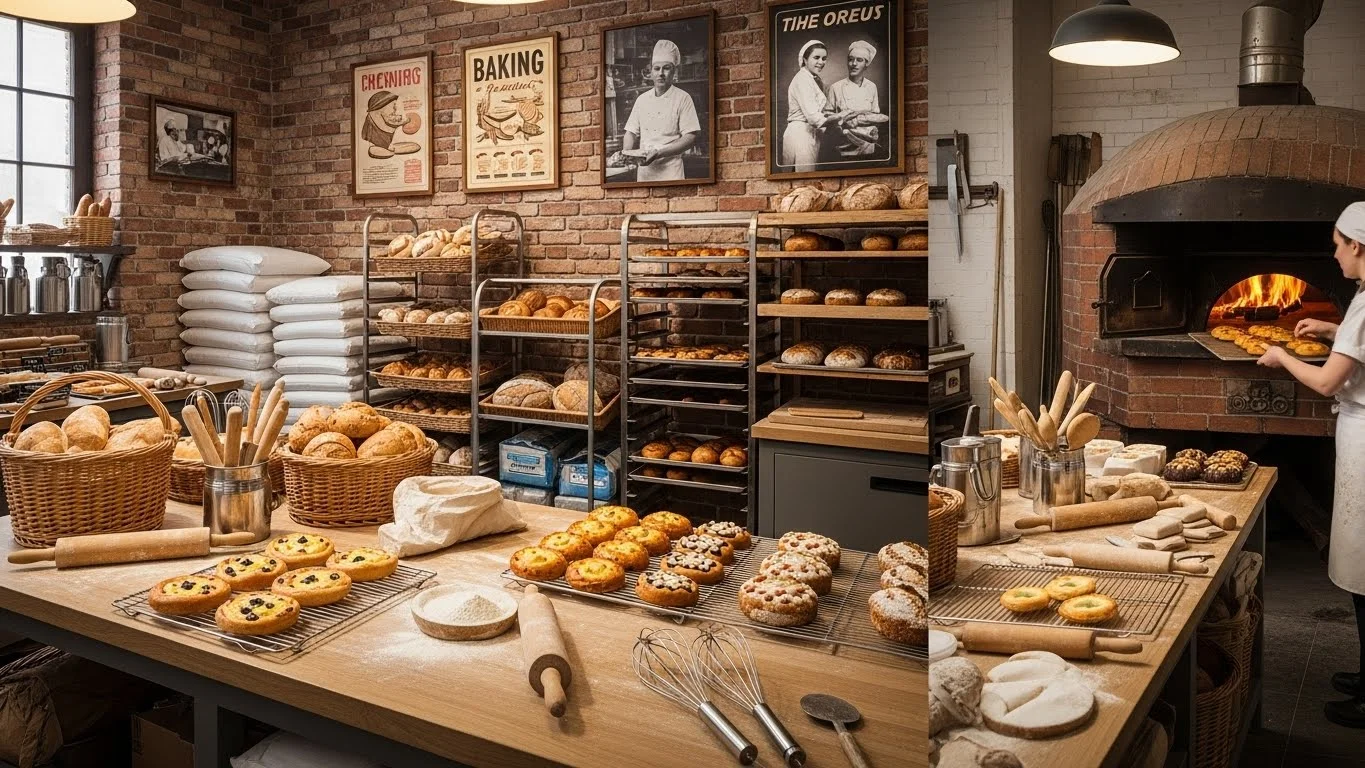
When I first embarked on my journey into the world of European baking, I quickly realized that each country has its own unique story to tell through its baked goods. From the delicate pastries of France to the hearty breads of Germany, I found that understanding these traditions not only enhances your culinary skills but also connects you deeply with the culture of each region. So, let’s dive into the diverse baking styles found across Europe!
Regional Baking Styles Across Europe
Europe is a tapestry of cultures, and this diversity is vividly reflected in its baking styles. Each region has its own specialties and techniques that have been passed down through generations. For instance, in France, I was captivated by the finesse of the croissant, where the lamination process creates those irresistible flaky layers. In contrast, Italian baking focuses on simplicity and quality, making use of fresh ingredients. The rustic loaves of sourdough from Germany and the sweet, buttery pastries of Scandinavia also showcase how geography and climate influence baking practices.
As I traveled, I started to notice these unique regional characteristics. In Spain, for example, the use of olive oil in baked goods is common and adds a wonderful depth of flavor. Meanwhile, in Eastern Europe, I encountered rich, hearty desserts often filled with nuts and fruits. Understanding these regional styles not only helped me appreciate the nuances of each dish but also inspired me to experiment with blending different techniques in my own kitchen.
Key Ingredients in European Baking
One of the most fascinating aspects of European baking is the key ingredients that define each region’s recipes. As I learned during my classes, flour quality can vary greatly, impacting texture and flavor. For instance, French bakers often use T55 flour for pastries, while Italian bakers might opt for “00” flour for pasta. The difference in protein content can dramatically change the outcome of a recipe.
Another ingredient that stood out to me was yeast, which can be fresh or dry, and it plays a crucial role in leavening bread. During one of my classes in Vienna, I discovered the importance of using high-quality butter in pastries to achieve that melt-in-your-mouth texture. I also learned about the significance of seasonal ingredients, like fresh berries in summer or hearty root vegetables in winter, making each dish not just a recipe but a reflection of its time and place.
Popular Baked Goods and Their Origins
As I immersed myself in these baking traditions, I couldn’t help but notice the stories behind some of the beloved baked goods we often take for granted. Take the iconic French baguette, for example. Its origins date back to the 19th century, and it has become a symbol of French culture. The crusty exterior and soft, airy interior tell a story of craftsmanship and tradition.
Another favorite of mine is the German pretzel. With its distinctive knot and deep-brown crust, the pretzel has roots that trace back to medieval times. I was fascinated to learn that the shape is said to represent arms crossed in prayer, making it not just a snack, but a cultural symbol as well. And let’s not forget about the Italian tiramisu, which originated in Treviso and has become a global favorite, showcasing the love for coffee and creamy textures in Italian desserts.
By understanding these baked goods and their origins, I found myself respecting the art of baking on a deeper level. It’s not merely about following recipes but embracing the history and culture behind each loaf and pastry. Each time I bake, I feel a connection to the people and traditions that came before me, and I believe that’s what makes the experience truly special.
Exploring European baking is not just about honing my culinary skills; it’s about embracing a rich heritage that celebrates creativity, culture, and community. I can’t wait to share more about why taking baking classes while traveling can enhance your experience and create lasting memories!
Why Take Baking Classes While Traveling?
When I think back to my travels, some of my most cherished memories are tied to the baking classes I took along the way. I’ve learned that these experiences are more than just a way to pick up a new skill; they’re a delightful journey into the heart of each culture. I want to share why I believe taking baking classes while traveling is such a rewarding endeavor.
Enhancing Your Culinary Skills
Taking baking classes while traveling has significantly boosted my culinary skills. Each class I attended offered unique techniques and recipes that I could never have learned back home. For example, during my time in Paris, I learned the art of making the perfect macarons. I still remember the instructor explaining the science behind the meringue and the importance of humidity in achieving that lovely, chewy texture. It was fascinating to see how one small detail could affect the entire process. I often find myself experimenting with these new techniques in my own kitchen, and it’s amazing how my confidence has grown.
Learning from local chefs who are passionate about their craft allows me to absorb their knowledge and skills firsthand. I’ve found that they share tips and tricks that aren’t in any cookbook, providing insights that truly elevate my baking. I often return from trips not just with souvenirs, but with a wealth of baking knowledge that I can carry forward into my culinary adventures. Read Interesting article: Top Packing Cubes: Essential Gear for Every Backpacker
Connecting with Local Culture
Baking classes offer an intimate glimpse into local culture that I’ve found hard to replicate elsewhere. In my experience, food is one of the best ways to connect with a place and its people. By participating in these classes, I’ve had the pleasure of engaging in conversations with locals who share their stories and traditions surrounding the recipes we were making. I remember chatting with a lovely Italian grandmother while making focaccia in a small kitchen in Florence. She shared tales of her family gatherings, where this bread was always the centerpiece. It made the experience feel personal and heartfelt.
Moreover, I’ve noticed that each class often incorporates local ingredients and techniques that reflect the region’s agricultural practices and culinary history. This connection adds depth to the learning experience. It’s not just about the final product; it’s about understanding the significance behind it. Each bite becomes a part of the story of that place, and I’ve come to appreciate the cultural heritage that each dish represents.
Creating Lasting Memories and Souvenirs
Baking classes have also become some of my favorite ways to create lasting memories. When I think back to my travels, I can almost taste the pastries I made and remember the laughter shared with fellow students. I often find myself reminiscing about the moments when we all came together to enjoy the fruits of our labor, sharing stories and bonding over our shared love for baking.
In addition to the memories, the baked goods themselves serve as delicious souvenirs! I often take home recipes that remind me of the places I visited. Each time I bake one of those recipes, I’m transported back to that kitchen in Barcelona or that sunny afternoon in Tuscany. It’s a way to relive those incredible experiences, and I love sharing these treats with friends and family, allowing them to taste a piece of my travels.
Taking baking classes while traveling is an enriching experience that goes beyond learning how to make pastries or bread. It’s about enhancing our skills, connecting with local culture, and creating memories that last a lifetime. I can’t recommend it enough for anyone who wants to dive deeper into the culinary world while exploring the diverse tapestry of European baking traditions. As we continue our journey, let’s explore some affordable baking classes in major European cities!
Affordable Baking Classes in Major European Cities
When I began exploring baking classes in Europe, I was pleasantly surprised by how many affordable options were available. From the iconic streets of Paris to the sun-soaked plazas of Barcelona, I found opportunities to learn from skilled bakers without breaking the bank. Here’s a closer look at some of the best cities for budget-friendly baking classes that won’t skimp on quality or experience.
Paris: A Hub for French Pastry Classes
Ah, Paris! The city of lights and pastries! I quickly discovered that there’s no shortage of baking classes here, and many of them cater to every budget. One class that stood out to me was at Le Foodist, where I learned how to create classic French pastries like éclairs and tarts. The instructors were not only knowledgeable but also passionate about sharing their culinary secrets. Classes typically range from €70 to €150, depending on the complexity of the pastries and the duration of the course.
For a more hands-on experience, I also recommend checking out the workshops at La Cuisine Paris. They offer short courses specifically designed for travelers, making it easy to fit in a baking adventure between sightseeing. Plus, the atmosphere in their kitchens is warm and welcoming, which made the learning process feel even more enjoyable.
Rome: Traditional Italian Baking Courses
Italy is synonymous with incredible food, and the baking scene in Rome is no exception. During my visit, I took a class at a quaint little spot called Cooking Classes in Rome, where we focused on making traditional Italian breads and pizzas. The class was surprisingly affordable, around €60 for a three-hour session, and included a meal where we enjoyed our freshly baked creations.
What I loved most was the small group size, which allowed for personalized attention from the chef. They shared family recipes that had been passed down through generations, making me feel connected to the rich culinary heritage of Italy. If you’re looking for an authentic experience, this is definitely the way to go!
Barcelona: Catalan Baking Workshops
Barcelona’s vibrant culture spills over into its baking classes. I found a delightful workshop at Barcelona Cooking, where we dived into making traditional Catalan pastries like panellets and coca de recapte. The class cost about €75 and included a market tour, where we sourced fresh ingredients for our recipes.
What made this experience truly special was the sense of community. We shared stories and laughter as we mixed, kneaded, and baked together. It was a wonderful way to meet fellow travelers and locals who shared a passion for baking. If you find yourself in Barcelona, don’t miss this opportunity to immerse yourself in the local baking culture!
Vienna: Learn to Make Authentic Austrian Desserts
Vienna is known for its rich coffee culture and delightful desserts, and I was excited to learn more about this during my baking class at the Viennese Cooking School. They offer a variety of classes focused on traditional Austrian desserts like Sachertorte and Apfelstrudel. The cost of the classes averages around €80, which I found to be a fair price considering the quality of instruction.
During the class, I was enchanted by the history behind each dessert. The instructors delved into the origins of the recipes, and I found it fascinating to learn the techniques that make these treats so special. Plus, we enjoyed our creations with a cup of authentic Viennese coffee, which was the cherry on top of an already sweet experience.
Amsterdam: Dutch Bread and Pastry Classes
Finally, my journey led me to Amsterdam, where I discovered a charming baking school called The Dutch Baking Company. They offer affordable classes focused on traditional Dutch baked goods, such as stroopwafels and apple pie. I was thrilled to learn that classes typically cost around €65, making it an accessible option for travelers.
One of the highlights of my class was the chance to learn about the local ingredients used in Dutch baking. The instructors emphasized the importance of using fresh, high-quality products, which truly made a difference in the flavor of our baked goods. Sharing our creations after class, surrounded by new friends, was a perfect way to end the day.
Exploring baking classes in these major European cities has not only allowed me to enhance my skills but also to immerse myself in the local culture and flavors. Each location offers unique experiences that cater to different budgets, making it possible for anyone to discover the joy of baking while traveling. Let’s keep the momentum going and look at what to expect from a European baking class!
What to Expect from a European Baking Class
Class Structure: From Theory to Hands-On Experience
One of the things that surprised me the most during my baking classes was how well-structured they were. Each class generally starts with an introduction where the instructor explains the theory behind what we were about to create. I remember my first class in Paris when the chef shared the history of the pastry we were going to make. This was not just a lecture; it set the stage for what we were about to learn and why it mattered. After the theory, we moved straight into hands-on practice. I loved getting my hands into the dough, feeling the textures, and sometimes even making a few mistakes! The instructors were always there to guide us, ensuring we understood each step. This blend of theory and practice helped me remember the techniques better. I learned that baking is as much about the process as it is about the final product, and I felt more confident trying out these new skills later in my own kitchen.Tools and Equipment Used in Class
The tools and equipment used in baking classes vary by region and recipe, but I found that many basics were quite similar across the board. Whether in Paris or Rome, we used quality baking tools that made the process smoother and more enjoyable. I often found myself enchanted by the shiny mixers, the precise scales, and the well-worn rolling pins that had seen many batches of dough. In some classes, we even got the chance to use traditional tools, like a pasta machine in Italy! This not only made the experience authentic but also allowed me to appreciate the craftsmanship involved in baking. The instructors would often highlight the importance of using the right tools, and I took that lesson home with me. I discovered that investing in a good rolling pin or a proper baking sheet can make a significant difference.Common Recipes Taught
The recipes taught in these classes are often a blend of traditional techniques and local favorites. I remember my time in Vienna, where we made Apfelstrudel from scratch. The instructor demonstrated how to stretch the dough so thin that you could see through it, a skill I found both fascinating and challenging! In other classes, I was introduced to classic recipes like macarons in France, focaccia in Italy, and stroopwafels in the Netherlands. Each recipe came with its own set of unique challenges and rewards. I loved how, by the end of the class, we not only took home delicious treats but also a newfound confidence in our baking abilities. It felt empowering to create something beautiful and tasty from scratch.How to Choose the Right Baking Class
Factors to Consider: Skill Level and Class Size
Choosing the right baking class can be a bit daunting, especially with so many options out there. From my experience, the first thing to consider is your skill level. Are you a complete beginner, or do you have some baking experience? Many classes cater to various skill levels, and I found that selecting a class that matched my abilities made the learning process more enjoyable. Class size also matters. I’ve been in both small, intimate classes where I received a lot of personal attention and larger ones where I felt a bit lost. Smaller classes often allow for more interaction with the instructor, which can be incredibly beneficial for learning. I remember feeling much more confident asking questions in a cozy group setting.Researching Instructors and Their Credentials
Another important factor is the instructor’s background. I always made it a point to look into their experience and qualifications. Many times, I found that instructors with a strong culinary background or those who had worked in renowned bakeries offered deeper insights into the craft. Their passion for baking often shone through in their teaching style, making the experience all the more enjoyable. I remember a particular class where the chef had trained in Paris for years. His stories about working in a Michelin-starred restaurant added an extra layer of depth to what we were learning, and I found myself hanging onto his every word.Reviews and Recommendations from Previous Students
Before signing up for a class, I always looked at reviews and recommendations from previous students. Hearing about others’ experiences helped me make informed decisions. I’d often find tips about which classes were the most hands-on, which instructors were particularly engaging, and even the best times to book. Sometimes, I would reach out to fellow travelers or locals to get their opinions on classes they had taken. Personal recommendations often led me to some of my most memorable baking experiences.Budgeting for Baking Classes and Related Expenses
Average Costs of Classes in Different Cities
As I mentioned earlier, there are many affordable options for baking classes throughout Europe. Prices can range anywhere from €60 to €150, depending on location, duration, and complexity of the recipes. Knowing this helped me budget better for my travels, allowing me to include a class or two in my itinerary without feeling guilty about overspending. I also learned that some cities, like Budapest and Prague, tend to have more budget-friendly options compared to pricier destinations like Paris. It’s essential to keep an eye on the local culinary scene to find hidden gems that offer fantastic value. Read Interesting article: Top Tips for Budget Urban Landscape PhotographyAdditional Expenses: Ingredients, Equipment, and Materials
In addition to the class fees, I found that there could be additional expenses for ingredients, equipment, and materials. Most classes include these costs upfront, but it’s always wise to double-check beforehand. Occasionally, there were classes that required students to bring specific tools or ingredients, which could add to the overall cost. I remember bringing my own apron to a class in Barcelona, which made me feel a little more prepared and involved.Discounts and Promotions to Look Out For
Finally, I’ve learned to keep an eye out for discounts and promotions, especially during off-peak travel seasons. Many baking schools offer special deals or package prices for multiple classes that can save you money. Signing up for newsletters or following social media pages of these schools often alerts me to flash sales, which is a great way to snag a deal!Tips for Maximizing Your Baking Class Experience
Preparing for Your Class: What to Bring
To make the most of my baking class experience, I always came prepared. Bringing a notebook to jot down tips, a camera to capture the moments, and, of course, my enthusiasm helped me engage more fully with the learning process. I found that taking notes during demonstrations allowed me to remember the techniques better when I tried them at home.Engaging with Instructors and Fellow Students
Engagement is key! I made it a point to ask questions, share my experiences, and connect with fellow students. These interactions often led to great conversations and friendships, making the entire class feel like a communal experience. I remember one class where we all exchanged recipes after baking. It was a lovely way to keep the connections alive beyond the kitchen.Practicing at Home: Resources and Follow-Up Classes
Once I returned home, I made sure to practice the recipes I had learned, often tweaking them to suit my taste. I found that joining online baking communities or finding follow-up classes helped me stay motivated and challenged. Some instructors even offer virtual classes, allowing me to continue learning from afar.Exploring Local Bakeries: A Complement to Your Class
Must-Visit Bakeries in Each City
After taking baking classes, I often made it a mission to explore local bakeries in the cities I visited. I found this to be a fantastic way to see the techniques I had learned in action. In Paris, I couldn’t resist visiting Pierre Hermé to try their famous macarons. In Rome, I sought out local bakeries to taste authentic focaccia. Each city had its own culinary gems that made my heart sing!What to Try: Signature Baked Goods from Each Region
Each region boasts signature baked goods that I couldn’t pass up. From buttery croissants in France to delightful cannoli in Italy, tasting the local specialties added another layer to my experience. I often found myself comparing the flavors and textures to what I had made in class, which enriched my understanding of the craft even further.How to Use Your New Skills in Local Bakeries
I also discovered that some local bakeries offer opportunities for aspiring bakers to volunteer or intern. This was a perfect way for me to put my new skills to the test while learning from seasoned bakers. I took the chance to refine my techniques, meet locals, and immerse myself even more in the baking culture of each city.Final Thoughts
Reflecting on my journey through the world of European baking has been an incredible experience. Each class, each recipe, and each interaction with local bakers opened my eyes to the richness of culture and tradition that baking embodies. I believe that by participating in these classes, we not only enhance our culinary skills but also create lasting memories and connections with people around the world. For anyone considering diving into the world of baking while traveling, I wholeheartedly encourage you to take that leap. Each moment spent in the kitchen, learning from passionate instructors, and sharing stories with fellow students is a treasure. I can’t wait to continue this journey, and I hope you join me in embracing the art of baking and the joy it brings! Read Interesting article: How to Enjoy Luxury Boutique Hotels Without Breaking the BankFrequently Asked Questions
“`htmlWhat are some unique baking traditions in Europe?
Each country in Europe has its own unique baking traditions. For example, France is known for its delicate pastries like croissants, while Germany is famous for its hearty breads. Italian baking emphasizes simplicity and quality, often using fresh ingredients. Regions like Spain and Eastern Europe also showcase distinct styles, with Spain using olive oil in baked goods and Eastern Europe featuring rich desserts filled with nuts and fruits.
What key ingredients are commonly used in European baking?
Key ingredients in European baking vary by region. Flour quality is crucial, with French bakers using T55 flour for pastries and Italian bakers opting for “00” flour for pasta. Yeast, which can be fresh or dry, is vital for leavening bread. High-quality butter is important for pastries, and seasonal ingredients like fresh berries in summer or root vegetables in winter are often used to enhance dishes.
Why is it beneficial to take baking classes while traveling?
Taking baking classes while traveling enhances culinary skills and offers a deep connection to local culture. These classes allow participants to learn unique techniques and recipes from local chefs, engage in cultural stories, and create lasting memories through shared experiences with fellow students.
What types of baked goods can you expect to learn in European baking classes?
Common recipes taught in European baking classes include classic French macarons, Italian focaccia, German pretzels, and Austrian desserts like Sachertorte and Apfelstrudel. Each recipe often includes unique techniques and historical context that enrich the learning experience.
What should you consider when choosing a baking class?
When choosing a baking class, consider your skill level and the size of the class. Opt for classes that match your abilities for a more enjoyable experience. Smaller classes often provide more personal attention from instructors, enhancing the learning process.
How much do baking classes typically cost in Europe?
Baking class prices in Europe generally range from €60 to €150, depending on the city, duration, and complexity of the recipes. Cities like Budapest and Prague may offer more budget-friendly options compared to destinations like Paris or Rome.
What additional expenses should be expected when taking baking classes?
In addition to class fees, there may be extra costs for ingredients, equipment, and materials. Most classes include these costs upfront, but it’s advisable to check if any specific tools or ingredients are required to avoid unexpected expenses.
What are some tips for maximizing your baking class experience?
To maximize your baking class experience, bring a notebook to take notes, engage actively with instructors and fellow students, and practice the recipes at home afterward. Exploring local bakeries and joining online baking communities can also enhance your skills and motivation.
What are some must-visit bakeries in European cities?
In Paris, visiting Pierre Hermé for macarons is a must. In Rome, local bakeries offer authentic focaccia. Additionally, exploring bakeries in Barcelona for traditional pastries like panellets and in Vienna for Sachertorte can enhance the culinary experience while traveling.
How can you use your new baking skills in local bakeries?
Some local bakeries offer opportunities for aspiring bakers to volunteer or intern. This allows you to apply your new skills while learning from seasoned bakers, further immersing yourself in the local baking culture.
“`