
Are you ready to dive into the rich world of Italian cooking? Mastering Italian cuisine through affordable cooking classes abroad can be a delicious adventure waiting for you!
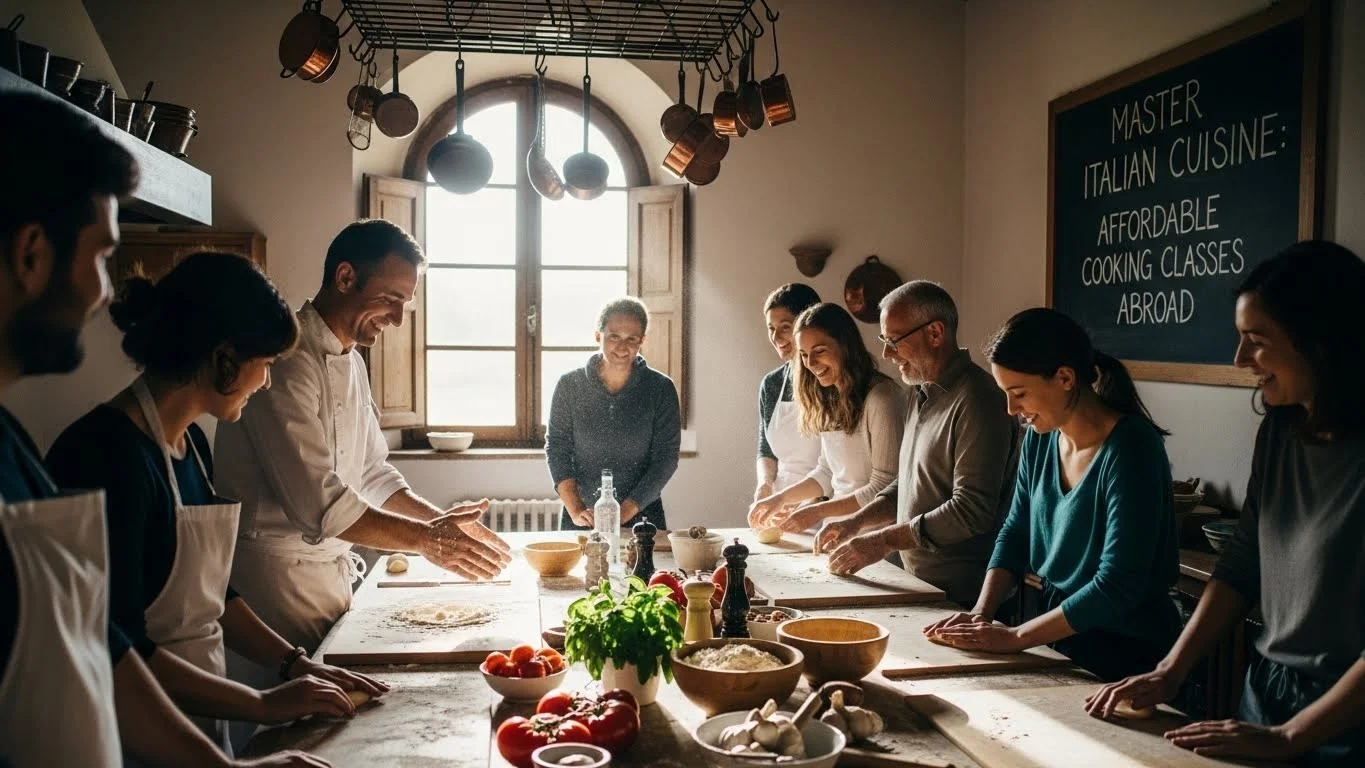
Understanding Italian Cuisine
Italian cuisine holds a special place in my heart. There’s something magical about the combination of fresh ingredients, regional flavors, and age-old techniques. When I first started exploring this culinary landscape, I was amazed at how deeply rooted the cooking traditions are in the culture and lifestyle of Italy. Each dish tells a story, and every region has its own unique twist on classic flavors. Let’s dive into the essentials of Italian cuisine!
Key Ingredients in Italian Cooking
One of the first things I noticed when I began my culinary journey was the importance of using high-quality, fresh ingredients. Italian cooking revolves around a few key staples that form the backbone of many recipes. Here are some must-haves:
- Olive Oil: Extra virgin olive oil is a cornerstone of Italian cooking. Its rich flavor enhances everything from salads to pasta dishes. I remember drizzling it over my homemade bruschetta, and it elevated the dish to a whole new level.
- Tomatoes: Fresh or canned, tomatoes are ubiquitous in Italian cuisine. They bring a vibrant, tangy flavor that complements so many dishes. I’ve experimented with different varieties, like San Marzano and cherry tomatoes, each providing a unique taste.
- Cheese: Italy is famous for its cheeses. From creamy mozzarella to sharp Parmigiano-Reggiano, cheese plays a key role in creating depth of flavor. I often find myself topping my pasta dishes with a generous amount of freshly grated cheese.
- Herbs: Fresh herbs like basil, oregano, and parsley add fragrance and flavor. I learned to appreciate how just a handful of fresh basil can brighten up a simple tomato sauce.
- Pasta: Homemade pasta is a labor of love. I remember the first time I tried making it from scratch; the texture and flavor were unlike anything store-bought. It’s a skill worth mastering!
These ingredients form the foundation of countless Italian dishes, and learning how to use them effectively is crucial for anyone looking to master this cuisine.
Regional Variations of Italian Cuisine
Something that truly fascinates me about Italian cooking is the regional diversity. Each area of Italy has its own culinary style, influenced by local ingredients and traditions. I’ve explored several regions, and each time, it felt like a whole new world of flavors opened up to me.
- Tuscany: Known for its rustic, hearty dishes, Tuscan cuisine often highlights local meats and beans. I loved trying ribollita, a thick vegetable soup, which felt like a warm hug on a chilly evening.
- Emilia-Romagna: This region is famous for its rich pasta dishes like lasagna and tortellini. When I had the chance to visit Bologna, I couldn’t resist trying the authentic ragù alla Bolognese.
- Campania: Home to Naples, where pizza was born, Campanian cuisine is vibrant and full of flavor. I remember indulging in a classic Margherita pizza right from a wood-fired oven – it was unforgettable!
- Sicily: Sicilian cuisine showcases a mix of influences, including Arabic and Spanish. Dishes like caponata and arancini are bursting with flavor and creativity. I found that the use of sweet and savory ingredients together is a hallmark of Sicilian cooking.
Understanding these regional variations not only enriches your cooking experience but also brings you closer to the culture and history behind each dish. Read Interesting article: Experience Local Flavors: Cheap Cooking Classes Worldwide
Traditional Cooking Techniques
In my cooking classes, I learned that traditional Italian cooking emphasizes techniques that have been passed down through generations. Mastering these techniques is essential for anyone serious about Italian cuisine. Here are a few key methods I encountered:
- Handmade Pasta: Making pasta by hand became one of my favorite activities. Kneading the dough and rolling it out felt therapeutic, and the end result was worth every bit of effort.
- Slow Cooking: Many Italian dishes benefit from slow cooking, allowing flavors to meld and develop over time. I loved the aroma that filled my kitchen when simmering a rich sauce for hours.
- Roasting: Roasting vegetables and meats brings out their natural sweetness. I remember a simple roasted vegetable dish that transformed into a gourmet experience with just a drizzle of olive oil and a sprinkle of sea salt.
- Grilling: Grilling is a popular method, especially in the summer. I recall enjoying grilled vegetables and meats during outdoor gatherings, where food became a centerpiece of social interactions.
These traditional techniques not only enhance the flavors of the dishes but also connect us to the rich history of Italian cooking. As I practiced these methods, I felt a deep appreciation for the artistry involved in creating authentic Italian meals.
Why Choose Cooking Classes Abroad?
When I first considered taking cooking classes abroad, I was unsure if it would be worth the investment. However, looking back, I can say it was one of the best decisions I made. There’s something incredibly enriching about learning to cook in the country where the cuisine originated. Here’s why I believe choosing cooking classes abroad, especially in Italy, is a fantastic opportunity.
Benefits of Learning in Italy
Learning to cook in Italy offers a unique blend of educational and experiential benefits. For one, the authenticity of Italian cooking is hard to replicate elsewhere. I found that being surrounded by the very ingredients and techniques that define Italian cuisine made the learning process so much more immersive. The instructors, often Italian chefs themselves, bring a wealth of knowledge and passion to the table. I remember one chef who shared stories of his grandmother’s recipes and cooking methods, which added a personal touch to the lessons.
Additionally, the quality of ingredients available in Italy is outstanding. Visiting local markets and picking out fresh produce, cheeses, and meats was an experience in itself. I noticed how the flavors of the dishes I prepared were enhanced by using ingredients that were freshly harvested or locally sourced. Cooking with the best ingredients made me appreciate the art of Italian cuisine even more.
Experience Local Culture and Traditions
Participating in cooking classes abroad isn’t just about the food; it’s also about the culture. Every class I took was infused with local traditions and customs that shaped the way people cook and eat. I remember learning about the significance of certain dishes tied to festivals or family gatherings. These insights provided a deeper understanding of how food is woven into the fabric of daily life in Italy.
Moreover, I had the chance to experience some of the cultural practices, such as how families gather around the table for meals. It reinforced my belief that food is not just sustenance; it’s a way to connect with others and celebrate life. I felt like I was part of something bigger, sharing in the joy of cooking and eating with locals who have been doing it for generations.
Networking with Other Food Enthusiasts
Another benefit of cooking classes abroad is the incredible people you meet along the way. I’ve forged friendships with fellow cooking enthusiasts from all over the world. In my classes, we shared not only our passion for food but also our backgrounds, experiences, and culinary journeys. These connections have turned into valuable networks that I still cherish today.
Often, we would collaborate on recipes, exchanging tips and tricks, which enriched my learning experience. I also had the opportunity to join group outings, such as wine tasting or visiting local farms, which further deepened our bonds and made the experience even more enjoyable. I believe that the friendships made in these classes have been just as rewarding as the cooking skills I acquired.
Finding Affordable Cooking Classes
Now that you’re excited about the prospect of cooking classes in Italy, you might be wondering how to find options that fit your budget. Luckily, there are plenty of ways to explore affordable cooking classes without breaking the bank. I’ve done some research and want to share my findings to help you get started.
Comparison of Class Prices Across Regions
Class prices can vary significantly depending on the region you choose to study in. I initially thought that popular tourist destinations would be the most expensive, but I discovered that smaller towns often have hidden gems offering classes at a fraction of the cost. For instance, I found that classes in Tuscany ranged from €70 to €150, while in less touristy areas, I could enroll for as low as €50.
It’s a good idea to compare prices and offerings across different regions. I found that some classes included meals, local excursions, or even a market tour, which added value to the experience. I recommend doing thorough research and reading reviews to ensure that you’re getting the most bang for your buck! Read Interesting article: Learn to Cook Like a Chef: Best Luxury Classes Worldwide
Scholarships and Discounts for Culinary Programs
Many culinary schools and organizations offer scholarships or discounts for their programs. During my search, I stumbled upon a few websites that listed various culinary scholarships specifically for international students. These opportunities can significantly reduce the cost of taking classes abroad. I applied for a couple of scholarships and was thrilled to receive a partial grant that made my experience more accessible.
Additionally, keep an eye out for seasonal discounts or group rates, especially during the off-peak tourism months. Many cooking schools are eager to fill classes and offer price reductions to attract students. I’ve found that contacting schools directly can sometimes lead to unexpected deals!
Online Platforms for Class Listings
In the digital age, finding cooking classes abroad has become much easier with various online platforms. Websites like Viator, Airbnb Experiences, and local culinary schools’ websites have tons of options. I remember using these platforms to compare reviews and prices quickly. Each platform has user-generated content that provides insight into the experience, which helped me make informed decisions.
Moreover, I found that many platforms allowed booking classes in advance, which can help secure your spot and sometimes even lock in lower rates. Reading testimonials from previous participants gave me confidence that I was choosing classes that would be both educational and enjoyable.
Top Destinations for Cooking Classes in Italy
When I think about the best spots to take cooking classes in Italy, a few regions always come to mind. Each destination offers a unique flavor, both in the kitchen and in the culture surrounding it. I had the pleasure of visiting several, and I can’t wait to share my experiences with you!
Tuscany: The Heart of Italian Cuisine
Tuscany is often considered the epicenter of Italian cooking, and for a good reason. The region is rich in history, art, and, of course, food. My cooking class in a rustic farmhouse overlooking the rolling hills was nothing short of magical. The focus was on local, seasonal ingredients like fresh vegetables and high-quality olive oil. We made hearty dishes like pici pasta and ribollita, which captured the essence of Tuscan cooking.
What I loved most was the emphasis on simplicity. The chefs taught us how to let the ingredients shine without overcomplicating things. I remember experiencing the joy of crafting a simple tomato sauce with just a handful of ingredients, and it tasted divine! Plus, the stunning landscapes made every moment feel like a scene from a movie.
Rome: Cooking in the Capital
Rome offers a vibrant culinary scene that blends tradition with innovation. During my time there, I enrolled in a class that took place in a charming kitchen tucked away in a bustling neighborhood. The instructor was a passionate Roman chef who shared his family recipes, handing down stories that added a personal touch to each dish.
We made classic Roman dishes like cacio e pepe and carbonara, and I especially appreciated learning the history behind them. There’s something special about cooking meals that have been enjoyed for generations in the heart of the city. After our cooking session, we gathered around a large table to savor the fruits of our labor, and I remember feeling a deep connection to the people and the culinary heritage of Rome.
Amalfi Coast: Seafood and Mediterranean Flavors
The Amalfi Coast is renowned for its stunning vistas, but the food is equally breathtaking. I had the pleasure of taking a cooking class in a seaside village, where we focused on fresh seafood and the Mediterranean diet. The experience began with a visit to a local fish market, where we learned how to select the freshest catch. I was amazed by the abundance of flavors, from lemons to olives, that define this region.
In class, we prepared dishes like spaghetti alle vongole (spaghetti with clams) and grilled fish drizzled with lemon and olive oil. The coastal air and the sound of the waves made it an unforgettable experience. I have to say, the freshness of the ingredients made all the difference. I still dream about that dish!
Sicily: Unique Regional Dishes
Sicily is a culinary treasure trove that showcases a blend of cultures. I was fortunate enough to take a class in a quaint town where the chef introduced us to the island’s unique flavors, influenced by Arab, Spanish, and Italian traditions. From caponata to arancini, I discovered how diverse Sicilian cuisine is.
One of the highlights was making cannoli from scratch. It was a bit of a challenge, but the thrill of filling those crispy shells with sweet ricotta was worth every moment. I recall sitting down to enjoy the treats with my fellow classmates, and it felt like we were celebrating something special together. The charm of Sicily is indeed reflected in its food, and I left feeling inspired to recreate those flavors back home.
Exploring these incredible destinations not only taught me how to cook but also deepened my appreciation for the culture and history behind each dish. If you’re considering cooking classes in Italy, these regions are definitely worth a spot on your itinerary!
Types of Cooking Classes Available
Hands-On Workshops
One of the most exciting aspects of cooking classes abroad is the opportunity to engage in hands-on workshops. I remember my first hands-on workshop, where we were guided step-by-step through the process of making fresh pasta. It was a thrilling experience as we rolled out the dough, cut it into shapes, and prepared the sauce from scratch. The satisfaction of creating something delicious from basic ingredients is something I cherish deeply. These workshops often focus on specific skills or dishes, allowing you to dive deep into a particular aspect of Italian cooking. The hands-on approach really makes you feel like a chef in the making!
Full-Day Culinary Experiences
Full-day culinary experiences are an amazing way to immerse yourself completely in Italian cooking. I participated in a full-day class that included market visits, cooking, and dining together. We started at a local market, choosing fresh ingredients while learning about their significance in Italian cuisine. It was fascinating to see how seasonal and local produce influenced our cooking. We then spent hours in the kitchen, crafting multiple dishes and sharing stories along the way. At the end of the day, we sat down to enjoy a beautiful meal we had prepared, celebrating our hard work and the flavors we had created. It was a day filled with learning, laughter, and delicious food.
Short Courses vs. Extended Programs
Depending on your time and budget, you can choose between short courses and extended programs. Short courses, typically lasting a few hours or a day, are perfect for those with limited time. I remember taking a short course focused on making risotto, which was both informative and fun! However, if you have more time, an extended program can offer a deeper dive into Italian cooking techniques and cuisines. I took part in a week-long course that allowed me to explore various regional dishes, meet different chefs, and truly immerse myself in the culinary culture of Italy. I came away with a wealth of knowledge and a sense of accomplishment that I still carry with me today.
What to Expect from a Cooking Class
Class Structure and Duration
When you sign up for a cooking class, it’s good to know what to expect regarding structure and duration. Most classes begin with an introduction from the chef, who outlines the dishes we’ll be making. I found that this initial guidance helped set the tone for the day. Classes can vary in length; some may last just a couple of hours, while others can take an entire day. I enjoyed the longer classes because they provided ample time to ask questions, practice techniques, and truly absorb the culinary knowledge being shared.
What You’ll Learn: Recipes and Techniques
Each cooking class offers a unique set of recipes and techniques. You might learn to make traditional sauces, pasta, or desserts. I was thrilled to discover that many classes also teach essential cooking techniques, such as how to properly season food or the importance of cooking at the right temperature. I remember learning how to emulsify a sauce, which opened up a whole new world of flavor for me. The hands-on experience coupled with expert guidance is invaluable when it comes to mastering Italian cuisine.
Dining Experience: Enjoying Your Creations
One of the highlights of any cooking class is the opportunity to enjoy the fruits of your labor. After spending hours crafting delicious dishes, sitting down to taste what we had prepared was incredibly rewarding. I cherished these moments of camaraderie with fellow classmates as we shared stories and savored each bite. It felt like a celebration of our hard work and the culinary journey we had embarked on together. These dining experiences created lasting memories and a profound appreciation for the food we had created.
Preparation for Your Cooking Class
What to Pack: Essential Items
Before heading off to your cooking class, it’s essential to pack wisely. I found that bringing a few key items made my experience even more enjoyable. Comfortable shoes are a must since you’ll be on your feet a lot. I also recommend bringing a notepad to jot down tips and recipes. Some classes may provide aprons, but having your own can be handy. Additionally, don’t forget your enthusiasm and a willingness to learn! It’s the perfect opportunity to embrace new experiences.
Language Considerations and Communication Tips
While many Italian chefs speak English, knowing a few basic Italian phrases can go a long way. I found that locals appreciate the effort, and it helps create a more immersive experience. Simple greetings or cooking-related terms can come in handy. If you’re unsure about something, don’t hesitate to ask for clarification. Most instructors are eager to help and share their knowledge.
Culinary Etiquette in Italy
Every culture has its culinary etiquette, and Italy is no exception. During my classes, I learned the importance of savoring food and taking the time to enjoy meals. Italians believe that food is a celebration, and rushing through a meal is frowned upon. I remember being encouraged to appreciate the flavors and textures of each dish, which deepened my connection to the food. Understanding these traditions made my cooking experience even more meaningful.
Tips for Making the Most of Your Experience
Engaging with Instructors and Peers
One of the best ways to enhance your cooking class experience is to actively engage with your instructors and peers. I made it a point to ask questions and share my thoughts during classes, which led to wonderful conversations and learning opportunities. Connecting with fellow participants allowed us to bond over our shared passion for cooking, making the entire experience more enriching.
Exploring Local Markets for Fresh Ingredients
If your class includes a market visit, take full advantage of it! I loved wandering through local markets, discovering seasonal produce, and learning about regional specialties. Engaging with local vendors added a personal touch to my culinary journey. It’s a fantastic way to understand the ingredients that define Italian cuisine and to gather inspiration for your cooking.
Documenting Your Culinary Journey
Finally, I highly recommend documenting your culinary journey. Take photos of your creations, jot down recipes, and reflect on your experiences. I created a little cooking journal to keep track of my favorite dishes and techniques. It’s a wonderful way to remember the skills you’ve gained and the memories you’ve made. Plus, it inspires you to continue cooking and experimenting with Italian flavors at home!
Success Stories: Alumni Experiences
Testimonials from Previous Participants
Hearing from other participants can be incredibly inspiring. I often read testimonials before signing up for classes, and it helped me choose the right ones. Many alumni share stories of how these classes have transformed their cooking skills and even influenced their career paths. One participant I met had turned her newfound passion for cooking into a successful catering business!
Career Opportunities After Culinary Classes
Taking cooking classes abroad can open doors to various career opportunities. Some participants have gone on to work in restaurants, food writing, or even starting their culinary ventures. I learned how a strong foundation in Italian cooking can be a stepping stone to a fulfilling career in the food industry. The skills and connections I gained from my classes continue to benefit me!
Impact of Cooking Classes on Personal Skills
Beyond technical skills, cooking classes can significantly impact your personal growth. I found that my confidence in the kitchen soared after attending classes. It taught me patience, creativity, and the joy of experimentation. These qualities extend beyond cooking; they’ve positively influenced other areas of my life as well. Embracing challenges and celebrating successes in the kitchen has made me more resilient and adventurous.
Final Thoughts
Choosing to learn Italian cooking through classes abroad is more than just about mastering recipes; it’s a journey into the heart of Italian culture and tradition. Each class has the potential to transform your understanding of food and its role in our lives. From the thrill of hands-on workshops and engaging with local communities to savoring the fruits of your labor, every moment is a celebration. I believe that no matter your skill level, the experience will enrich your life in ways you may not even anticipate. So, if you’re contemplating embarking on this culinary adventure, I wholeheartedly encourage you to seize the opportunity. You may find that the flavors of Italy become a cherished part of your own cooking repertoire.
Frequently Asked Questions
What are the key ingredients essential for Italian cooking?
The key ingredients in Italian cooking include extra virgin olive oil, tomatoes (fresh or canned), various cheeses, fresh herbs (such as basil, oregano, and parsley), and homemade pasta.
What are some regional variations of Italian cuisine?
Italian cuisine varies by region. For example, Tuscany is known for rustic dishes, Emilia-Romagna is famous for rich pasta dishes, Campania is home to pizza, and Sicily showcases a blend of influences with unique dishes like caponata and arancini.
What traditional cooking techniques are emphasized in Italian cooking?
Traditional Italian cooking techniques include making handmade pasta, slow cooking to meld flavors, roasting to enhance natural sweetness, and grilling, especially during summer gatherings.
Why should one consider taking cooking classes in Italy?
Cooking classes in Italy offer an authentic experience where you can learn from local chefs, use high-quality ingredients, and immerse yourself in the culture and traditions that shape Italian cuisine.
How can one find affordable cooking classes in Italy?
To find affordable cooking classes, compare prices across different regions, look for scholarships and discounts, and utilize online platforms like Viator and Airbnb Experiences for class listings.
What types of cooking classes are available?
Available types of cooking classes include hands-on workshops, full-day culinary experiences that combine market visits and cooking, and short courses versus extended programs for deeper learning.
What should you expect from a cooking class?
In a cooking class, you can expect an introduction from the chef, a structured lesson on recipes and techniques, and the opportunity to enjoy the meals you have prepared with fellow participants.
What essentials should you pack for a cooking class?
When attending a cooking class, it’s recommended to pack comfortable shoes, a notepad for tips and recipes, an apron (if not provided), and a positive attitude to learn and engage.
How can participants enhance their cooking class experience?
Participants can enhance their experience by engaging with instructors and peers, exploring local markets for fresh ingredients, and documenting their culinary journey through photos and notes.
What impact can cooking classes have on personal growth?
Cooking classes can boost confidence in the kitchen, teach patience and creativity, and encourage a spirit of experimentation, all of which positively affect other areas of life.