
Traveling can be a fantastic adventure, but navigating local transportation often feels overwhelming. Master it, and you can save big while discovering hidden gems during your trip! Read Interesting article: Top 5 Travel Passes to Slash Your Transportation Costs
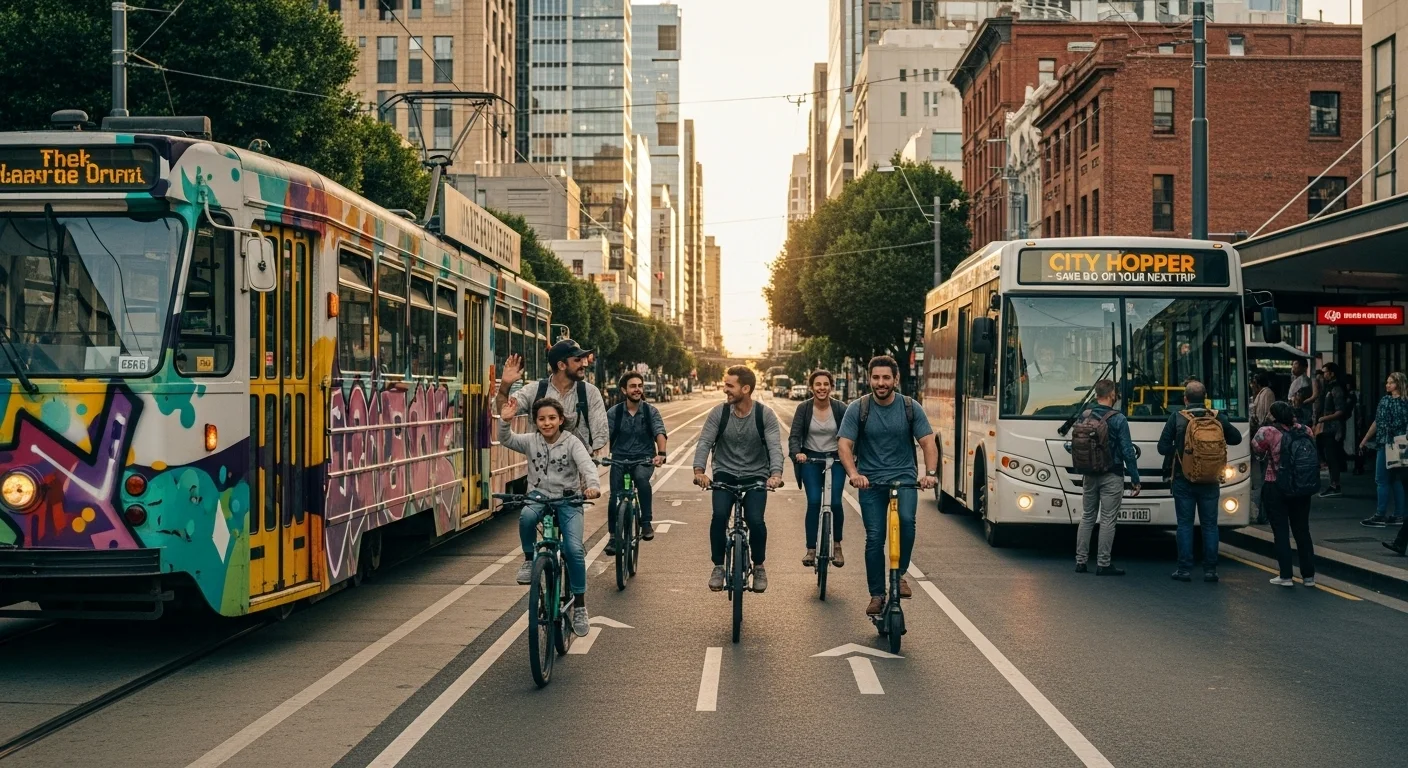
Understanding Local Transportation
When I first started traveling, I didn’t quite understand what local transportation really meant. I often relied on taxis or my rental car, thinking that was the easiest way to get around. However, local transportation encompasses various options to help you navigate a city more effectively and affordably. It’s not just about moving from one place to another; it’s about immersing yourself in the local culture and environment.
What is Local Transportation?
Local transportation refers to the different methods people use to travel within a city or nearby areas. It includes everything from buses and subways to ridesharing, biking, and even walking. Each option has its own set of advantages and challenges, but what’s important is finding what works best for you. I’ve learned that understanding the local system can make a world of difference in both cost and experience.
Types of Local Transportation
Let’s break down the primary types of local transportation. When I traveled to a new city, I often found myself switching between these methods, each offering a unique perspective on the area.
Public Transit
Public transit systems, like buses and trains, are often the backbone of local transportation. They can be a budget-friendly way to explore a city. For instance, during my trip to San Francisco, I used the Muni system extensively. It was efficient and allowed me to connect with locals. I remember hopping on the cable car one morning, feeling the cool breeze as I marveled at the iconic hills of the city. Using public transit can sometimes be daunting, especially in large cities, but I’ve found that most systems have user-friendly maps and schedules. Read Interesting article: 10 Budget Accommodation Tips for Savvy Backpackers
Ridesharing Services
Services like Uber and Lyft have changed the way we think about transportation. I often use ridesharing when public transit isn’t convenient or when I’m traveling late at night. It’s a flexible option that allows you to get from point A to point B without the hassle of parking or navigating public transit routes. However, I’ve learned to keep an eye out for surge pricing during peak hours. Planning your rides can save you a good amount of money!
Biking and Walking
One of my favorite ways to explore a new city is by biking or walking. Many cities are becoming more bike-friendly, with designated bike lanes and rental services available. I remember renting a bike in Amsterdam, and it was one of the highlights of my trip! Riding along the canals and stopping at cafes made me feel like a local. Walking is equally rewarding; it allows you to take in the sights, sounds, and smells of a place that you might miss while speeding by in a car.
Car Rentals
While I often lean toward public transportation, there are times when renting a car is worth it, especially if you plan to explore areas outside the city. I rented a car during my trip to the Pacific Northwest, which gave me the freedom to visit small towns and stunning natural parks that public transit wouldn’t reach. However, I’ve learned to factor in parking fees and gas costs when considering this option. Sometimes, the extra money spent on a rental can add up quickly!
Benefits of Mastering Local Transportation
Mastering local transportation can have a significant impact on your travel experience. I’ve come to appreciate the little things that make a trip memorable, and understanding how to navigate a city plays a crucial role in that journey.
Cost Savings
One of the primary benefits of mastering local transportation is cost savings. I can’t tell you how many times I’ve saved money by opting for public transit instead of taxis or rideshares. Many cities offer day passes or weekly passes that can significantly cut costs if you plan on using the transit system frequently. I learned this lesson the hard way after spending too much on ridesharing during a weekend trip. By the end of my trip, I wished I had utilized the local bus system more!
Time Efficiency
Another benefit I’ve noticed is time efficiency. Often, local transportation can get you to your destination faster than driving, especially in cities with heavy traffic. I remember getting stuck in traffic during a car rental in Los Angeles, realizing that the metro would have been a much quicker option. Plus, with public transportation, you can use your travel time to read, plan, or just enjoy the scenery.
Environmental Impact
Lastly, using local transportation can have a positive impact on the environment. I’ve tried to be more conscious of my carbon footprint while traveling. Utilizing public transit, biking, or walking whenever possible can help reduce pollution and lessen congestion. I feel good knowing that my travel choices contribute to a greener planet.
How to Navigate Public Transit
When I first started using public transit in different cities, I felt a mix of excitement and anxiety. It seemed like there was a lot to learn, but once I got the hang of it, I realized how empowering it could be. Navigating public transit can really open up a city to you, and I want to share some tips I’ve gathered along the way that made it easier for me.
Understanding Transit Systems
Each city has its own transit system, which can be both a blessing and a challenge. I’ve found that spending a little time studying the layout can make a huge difference. Many cities have maps available at stations or online, showing bus and train routes. On my recent trip to Paris, I took a few moments to download the RATP app, which not only has the transit maps but also real-time updates. It helped me plan my routes and avoid any unexpected delays. I suggest familiarizing yourself with the key transit hubs, as those are often the best places to switch lines or catch a bus. Understanding how the system works—like transfers and peak hours—can save you from a lot of frustration!
Buying Tickets and Passes
Buying the right ticket or pass can sometimes feel like a puzzle. During my travels, I’ve encountered a variety of ticketing options, from single rides to day passes. I remember being in Tokyo and being overwhelmed by the different types of tickets available. Eventually, I settled on a prepaid Suica card, which was super convenient. I could just tap in and out without worrying about buying a ticket each time. Many cities offer similar options, so I recommend checking the local website or asking someone at the station about the best choice for your travel plans. It’s often cheaper to buy a pass if you plan to use the transit system multiple times a day.
Using Mobile Apps for Navigation
In this digital age, mobile apps have made navigating public transit easier than ever. I can’t stress enough how much I rely on them when I’m exploring a new city. Apps like Google Maps or Citymapper provide real-time directions, estimated travel times, and even notifications about service disruptions. I remember trying to get to a concert in Berlin, and the app helped me navigate the U-Bahn system like a pro! Using your phone to track your route can take away a lot of the anxiety that comes with public transit. Just make sure to have a portable charger on hand; you don’t want your phone dying while you’re out and about!
Ridesharing Services: A Cost-Effective Option
While I love the local experience that public transport offers, there are moments when ridesharing becomes my go-to option. Whether it’s late at night or I’m in a hurry, having a rideshare app on my phone has made my travels much more convenient. I want to share some insights on how to make the most of these services.
Popular Ridesharing Platforms
Uber and Lyft are the most popular ridesharing services that I’ve used in the US, but other countries have their own versions, like Bolt in Europe or Grab in Southeast Asia. What I appreciate about these platforms is the convenience they offer. You can call a ride from practically anywhere, and I’ve often struck up conversations with drivers who shared local tips and hidden gems. I remember a driver in Austin who took the time to recommend some amazing food trucks that I would have missed otherwise!
Tips for Saving on Ridesharing
As convenient as ridesharing is, it can also add up quickly. I learned to be strategic about my rides to save money. One trick I found helpful is to check the fare estimates before requesting a ride. If prices seem high due to surge pricing, waiting a few minutes or walking a short distance can sometimes lead to lower fares. I also keep an eye out for promo codes or discounts that can pop up in the app. Plus, I’ve noticed that sharing a ride with others going in the same direction can bring costs down significantly!
When to Use Ridesharing vs. Public Transit
Deciding between ridesharing and public transit often depends on the situation. I try to use public transit when I have the time and want to soak in the local atmosphere, but if I’m running late or heading somewhere that’s not easily accessible, I’ll opt for ridesharing. There have been times, like late-night outings or early morning flights, when ridesharing felt like the safest and quickest option. Ultimately, it’s about balancing convenience, cost, and safety based on your specific travel circumstances.
Biking and Walking: Exploring the City on Your Own
After learning about various transportation options, I started to discover the joys of biking and walking. There’s something uniquely satisfying about exploring a city at your own pace, taking in the sights and sounds that you simply can’t experience from a car. I want to share some of my favorite aspects of biking and walking as a means of transportation.
Benefits of Biking
Biking is one of my favorite ways to get around, especially in cities designed for it. I remember renting a bike in Copenhagen and riding along the waterfront. It was exhilarating! Biking gives you the freedom to explore off the beaten path, and you can cover more distance than walking while still feeling connected to your surroundings. Plus, I’ve found that biking can be a fun way to stay active while traveling. Just be sure to check if the city offers bike lanes and rental services before you go. This preparation can make your experience much smoother!
Finding Bike Rental Services
In many cities, bike rental services have become increasingly common. I love that some places, like Barcelona, have bike-sharing systems where you can pick up and drop off bikes at various locations. It’s as easy as finding a station near you, hopping on a bike, and setting off on your adventure. I recommend checking local tourism websites for rental options, or you can use apps that list nearby rental services. Just remember to familiarize yourself with local biking regulations—some cities have specific rules about where cyclists can ride.
Best Walking Routes in Major Cities
Walking is another fantastic way to explore a city. I often find the best routes by simply wandering and seeing where the streets take me. However, I’ve also discovered that certain cities have established walking tours that highlight the must-see sights. For instance, during my time in Florence, I took a self-guided walking tour that led me through historical landmarks and charming piazzas. If you’re looking for the best walking routes, I suggest using travel blogs or local guidebooks, as they can offer insights into scenic paths and hidden spots that aren’t in the usual tourist guides.
Car Rentals: When is it Worth It?
Car rentals can be a game-changer for travelers looking to explore beyond the urban landscape. While I often enjoy using public transportation, I’ve found that there are certain situations where renting a car makes perfect sense. Let me share my experiences and insights about when to consider this option and what to keep in mind.
Pros and Cons of Renting a Car
Renting a car definitely has its perks. One of the biggest advantages I’ve experienced is the freedom to go wherever I want, whenever I want. For instance, during a trip to the beautiful national parks in Utah, having a rental car allowed me to visit Zion and Bryce Canyon at my own pace. I could stop along scenic routes, take photos, and explore hidden trails that I might have missed otherwise.
However, it’s important to weigh these benefits against the downsides. Renting a car can come with hidden costs, including fuel, parking fees, and insurance. I once rented a car in a bustling city where parking costs added up quickly, making me wish I had planned better. It’s crucial to think about where you’ll be driving and whether parking is available and affordable.
How to Find the Best Rental Deals
When I’m looking for a rental car, I always start my search online. I’ve discovered that comparing prices on different rental company websites and aggregator sites can lead to some fantastic deals. I also recommend booking in advance, especially during peak travel seasons, as prices tend to rise closer to your travel dates.
Another tip I’ve found helpful is to check for any discounts through memberships or credit cards. For instance, my AAA membership often gives me access to exclusive rates, which has saved me a chunk of change on several occasions. Lastly, don’t forget to read the fine print! Understanding the rental agreement and any potential fees can help you avoid surprises when you pick up the car.
Understanding Insurance and Fees
Insurance can be a tricky topic when it comes to renting a car. I remember my first rental experience where I was bombarded with options for insurance coverage. After doing some research, I realized that many credit cards offer rental car insurance, which can save you money. I recommend checking with your credit card company before you rent to see what coverage you already have.
Additionally, be aware of other fees that can come into play, such as a young driver surcharge if you’re under a certain age or fees for returning the car to a different location. I once made the mistake of not considering the drop-off fees when planning a road trip, and it ended up costing me more than I had anticipated. Being informed can help you budget accordingly and avoid any unexpected expenses.
Saving Money on Local Transportation
As travel enthusiasts, we’re always on the lookout for ways to save money, especially when it comes to local transportation. I’ve learned several strategies that have helped me keep my travel expenses in check while still enjoying everything a city has to offer.
Discount Passes and Cards
Many cities offer discount passes for public transportation, which can be a fantastic deal if you plan to use the system frequently. I remember visiting London, where I purchased an Oyster card. It not only provided convenient access to buses and trains but also offered reduced fares compared to buying single tickets. I’ve found that researching these options before a trip can lead to significant savings. Read Interesting article: Hitchhiking Safety Tips: Travel Smart on a Budget
In some cases, tourist cards can provide additional benefits, like discounts on local attractions or free transportation. During my trip to Barcelona, I got a Barcelona Card, which gave me unlimited access to public transportation and discounts to several museums. It felt great to save money while exploring!
Off-Peak Travel Strategies
Traveling during off-peak hours can often lead to cheaper fares and less crowded public transportation. I learned this lesson during a recent trip to New York City, where I took the subway at non-rush hours. The journey was much quicker and more comfortable, and I even got to snag a seat!
In addition, some ridesharing services offer lower rates during off-peak times. I’ve noticed that planning my rides for later in the evening or early mornings can save a few bucks. It might take a little adjustment to your schedule, but the savings can be worth it!
Using Loyalty Programs and Rewards
If you frequently travel, joining loyalty programs for transportation services can pay off. I signed up for a loyalty program with a major car rental company, and it has offered me perks like free upgrades and discounted rates. When planning a trip, I always check my loyalty accounts for any available benefits.
Additionally, accumulating points through travel credit cards can lead to free rides or upgrades. I once redeemed points for a free rideshare to the airport, which felt like a nice little bonus after a long trip! Keeping an eye on these opportunities can help maximize your travel budget.
Frequently Asked Questions
What is local transportation?
Local transportation refers to the different methods people use to travel within a city or nearby areas, including buses, subways, ridesharing, biking, and walking. It helps travelers navigate a city effectively and affordably while immersing themselves in the local culture.
What are the primary types of local transportation?
The primary types of local transportation include public transit (buses and trains), ridesharing services (like Uber and Lyft), biking, walking, and car rentals. Each offers unique advantages and challenges for travelers.
How can mastering local transportation save money?
Mastering local transportation can lead to significant cost savings. Public transit options often have day or weekly passes that reduce expenses compared to taxis or rideshares. Understanding the local transit system can help avoid overspending on transportation.
What are some tips for navigating public transit?
To navigate public transit effectively, familiarize yourself with the transit system layout, buy the appropriate tickets or passes, and use mobile apps for real-time navigation and updates. Studying maps and key transit hubs can also help ease anxiety when using public transport.
When is it best to use ridesharing services?
Ridesharing services are ideal when public transit is inconvenient, late at night, or when traveling to less accessible areas. They offer flexibility and convenience, particularly in situations where time is a constraint.
What are the benefits of biking as a form of transportation?
Biking allows travelers to explore cities at their own pace, cover more ground than walking, and stay active while enjoying the surroundings. Many cities offer bike lanes and rental services to facilitate biking as a transportation option.
What should travelers consider when renting a car?
Travelers should weigh the benefits of freedom and convenience against hidden costs like fuel, parking fees, and insurance when considering a rental car. It’s crucial to plan for parking availability and understand rental agreements to avoid unexpected expenses.
How can travelers save money on local transportation?
Travelers can save money by purchasing discount passes for public transportation, traveling during off-peak hours for lower fares, and using loyalty programs for transportation services. Researching these options before a trip can lead to significant savings.
What are some popular ridesharing platforms?
Popular ridesharing platforms include Uber and Lyft in the US, as well as alternatives like Bolt in Europe and Grab in Southeast Asia. Each platform offers convenience and can connect travelers with local drivers who may share helpful tips.
What are the advantages of using mobile apps for navigation?
Mobile apps provide real-time directions, estimated travel times, and notifications about service disruptions, making it easier to navigate public transit systems. They help reduce anxiety and enhance the overall travel experience.