
Traveling to different climates can be both exciting and challenging. Mastering the art of packing for any climate ensures comfort and joy on your adventures. Let’s dive into strategies that will help you prepare for whatever weather awaits! Read Interesting article: Top Packing Tips for Solo Travelers on a Budget
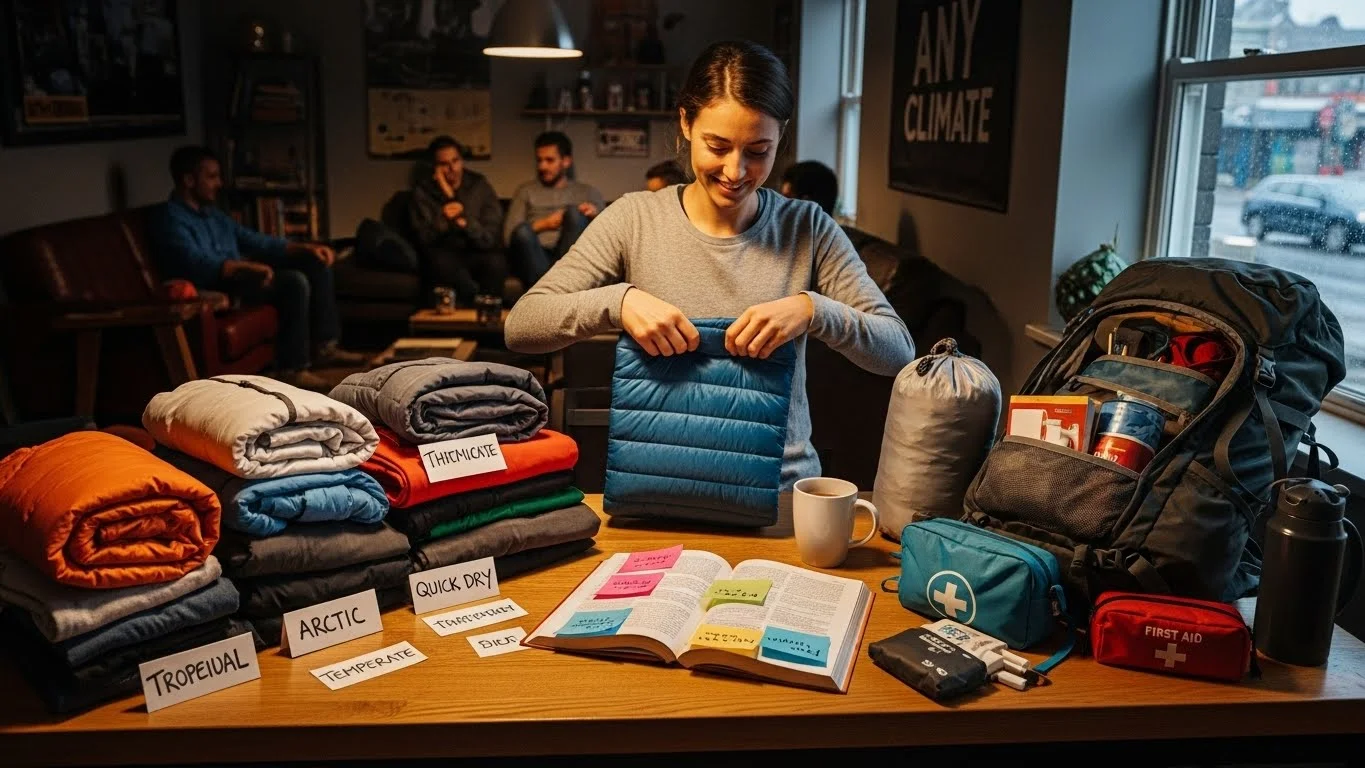
Understanding Different Climate Types
When I started traveling, I quickly realized that packing isn’t just about throwing clothes into a suitcase. It’s about understanding the climate of your destination and preparing accordingly. Over the years, I’ve learned how important it is to tailor my packing strategy to the specific climate I’ll be facing. Let’s break down the four main climate types to help you pack smarter.
Tropical Climates
Ah, tropical climates! They promise sunshine, lush greenery, and vibrant cultures. However, they also bring humidity and heat. I remember stepping off the plane in Bali, instantly drenched in sweat. To prepare for tropical destinations, I recommend packing lightweight and breathable clothing. Fabrics like cotton and linen are your best friends here.
Opt for loose-fitting clothes that allow air circulation. I’ve found that quick-dry materials are essential, especially for beach days or unexpected rain showers. A good pair of sandals and a wide-brimmed hat can make all the difference. Don’t forget a lightweight rain jacket; you never know when a tropical storm might hit!
Dry Climates
Traveling to places like the deserts of Arizona or the dry plains of Patagonia? Dry climates can be deceiving. While the days can be hot, the nights can get surprisingly chilly. I’ve learned to pack layers for these regions. Light long-sleeve shirts can shield you from the sun during the day, and a warmer jacket is crucial for cool evenings.
Moisturizing is essential in dry climes. I always carry a good lotion and lip balm to combat the arid air. You’ll also want to pack breathable fabrics that wick moisture away from your skin, as it helps keep you cool. A solid pair of hiking boots is a must if you plan on exploring, as these terrains can be rocky and rugged. Read Interesting article: 10 Essential Backpacking Tips for Budget Solo Travelers
Temperate Climates
Temperate areas, like much of Europe, offer moderate temperatures, but they can change rapidly. I remember walking through London one moment, basking in sunlight, and suddenly needing an umbrella as clouds rolled in. For these destinations, layering is key. I recommend packing a mix of short-sleeve and long-sleeve shirts, along with a light jacket.
Don’t forget a good pair of jeans or pants that can transition from day to night. Scarves can be both a stylish accessory and an extra layer when the weather gets brisk. I also suggest packing a light rain jacket; it’s a lifesaver when those sudden showers hit. If you’re visiting during the shoulder seasons, be prepared for temperature swings by including warmer accessories like a beanie or gloves.
Cold Climates
When heading to colder regions, like the snowy streets of Reykjavik or the mountains of Colorado, the packing list changes dramatically. I’ve learned to focus on insulation and waterproofing. Start with thermal base layers; they trap heat while wicking moisture away from your skin. I usually pack a couple of pairs of these for maximum comfort.
A good-quality insulated jacket is essential. I remember one trip where I didn’t pack my down jacket, and I regretted it as soon as I stepped outside! Waterproof gear is crucial, especially if you’re going to be in snowy or rainy conditions. I always include waterproof pants and a sturdy pair of insulated boots that can handle slippery surfaces.
Accessories like gloves, hats, and scarves are vital for keeping warm. I’ve found that layering my clothing not only helps in staying warm but also allows me to adjust based on my activity level throughout the day. Never underestimate the power of warmth in cold climates!
Understanding these climate types has transformed the way I pack. It’s not just about the clothes; it’s about feeling comfortable while enjoying my travels. With this knowledge, I hope you feel better equipped to tackle any climate and enjoy every moment of your journey!
Essential Packing Strategies
Creating a Packing List
One of the most crucial steps I’ve learned in my travel journey is the importance of creating a packing list. It might sound simple, but I can’t tell you how many times I’ve forgotten essential items because I didn’t plan ahead. I usually start my packing list a few days before my trip, adding items as I think of them. This way, I can ensure I don’t overlook anything important. I like to categorize my list by clothing, toiletries, and other essentials. When I create my clothing section, I reflect on the climate and activities I’ll engage in. For example, if I’m heading to a tropical destination, I jot down all the lightweight clothing I’ll need. If it’s a colder region, I focus on layers and warm gear. I also make a note of any tech gadgets, like chargers and cameras, that I want to bring along. This organized approach not only saves time but also reduces stress as I prepare for my adventures.Choosing the Right Luggage
Selecting the right luggage can make or break a trip. I remember the first time I traveled with a suitcase that was too heavy and cumbersome; it was exhausting maneuvering through the airport! Now, I carefully consider my luggage choices based on the duration of my trip and the climate. For short trips, I often opt for a carry-on. It’s compact and forces me to stick to my packing list, which I find really helps avoid overpacking. For longer trips, I lean toward a medium-sized suitcase that provides enough space without being too unwieldy. I also love backpacks for their versatility, especially when I’m exploring cities or hiking. They allow me to keep my hands free, which is a game-changer when navigating crowded places.Utilizing Packing Cubes and Organizers
Packing cubes have changed my packing game! I was skeptical at first, but once I tried them, I was hooked. They help keep my suitcase organized, making it easy to find what I need without digging through a chaotic mess. I usually dedicate one cube for clothing, another for accessories, and a smaller one for electronics. Additionally, I’ve found that using smaller pouches for toiletries and other essentials is incredibly helpful. It keeps everything in its place and prevents spills. I remember one trip where my shampoo leaked all over my clothes. Since then, I’ve been diligent about using leak-proof containers and packing them in designated pouches. It’s all about creating a system that works for me, and packing cubes are a big part of that.Clothing Essentials for Various Climates
Lightweight and Breathable Fabrics for Tropical Areas
When it comes to tropical climates, I can’t stress enough the importance of lightweight and breathable fabrics. I’ve experimented with different materials, and I always find myself reaching for cotton, linen, and performance fabrics that wick moisture away. I usually pack a couple of quick-dry shirts and shorts that keep me cool and comfortable, even in the sweltering heat. Dresses are also a fantastic option for women traveling to tropical destinations. They’re easy to pack, offer versatility, and can transition from beach days to dinner outings. I remember wearing a light sundress in Thailand that kept me feeling fresh while exploring the local markets. Plus, they’re stylish and require minimal effort!Layering Techniques for Temperate Weather
Layering is an art form I’ve come to appreciate, especially when traveling to temperate climates. I’ve had days where I started in a t-shirt and ended up in a sweater by afternoon. For this reason, I always pack items that can easily be layered. My go-to is a light long-sleeve shirt combined with a cardigan or a denim jacket. I also choose clothing in neutral colors, which allows me to mix and match. Scarves are another favorite of mine; they add warmth and can completely change an outfit. I remember one trip to Paris where my scarf was a lifesaver during those unexpected chilly evenings. It’s all about flexibility and being prepared for whatever Mother Nature throws at you.Insulated and Waterproof Gear for Cold Climates
Cold climates require serious planning when it comes to clothing. I’ve learned that investing in good-quality insulated and waterproof gear is essential. My thermal base layers are my best friends during winter trips. I usually pack a couple of pairs to keep warm under my clothes. A waterproof jacket is non-negotiable for me, especially since I’ve had my share of wet and cold experiences in places like Iceland. I also recommend durable, insulated boots that provide traction and warmth. On my last trip to the mountains, I found a pair that kept my feet warm and dry, which made all the difference as I trekked through snow. Accessorizing is also vital in cold weather. I’ve found that a good pair of gloves, a warm hat, and a thick scarf can significantly enhance comfort levels. I remember one day skiing where my hands got cold because I forgot my gloves; it was a lesson I won’t forget! These clothing essentials tailored to different climates have been game-changers for me. They not only keep me comfortable but also allow me to enjoy my travels to the fullest.Footwear Considerations
Sandals vs. Hiking Boots for Different Terrains
When it comes to choosing the right footwear for my travels, I’ve learned that the terrain can make all the difference. I’ve tried to get by with just a pair of sandals on trips, but after a few misadventures, I realized how essential it is to have the right shoes for the specific activities I plan on doing. For tropical climates, I usually pack a sturdy pair of sandals. I remember wandering through the beautiful streets of Thailand, where breathable sandals were a lifesaver in the heat and humidity. They allow my feet to stay cool, and I often look for styles with arch support so I can walk around without discomfort. However, I’ve learned that sandals aren’t always suitable for every situation. If I’m planning on hiking or exploring rugged landscapes, I always opt for a good pair of hiking boots. They provide the necessary support and grip when navigating rocky trails or uneven surfaces. In dry climates, I’ve found that lightweight hiking shoes work perfectly. They keep my feet cool during the day while still providing enough protection for longer hikes. On a trip to the Grand Canyon, I discovered the importance of wearing shoes with good traction, especially when the trails can be steep and challenging. I remember slipping a bit on loose gravel, which taught me to be mindful of my footwear choices.Waterproof Shoes for Wet Conditions
When I travel to places where rain is a possibility, waterproof shoes are a must. I’ve been caught in unexpected downpours, and trust me, soggy shoes can ruin a day of exploring. During my last trip to Seattle, I wore waterproof sneakers that kept my feet dry while I navigated the city’s famous coffee shops and markets in the rain. If I know I’m heading somewhere particularly wet, like a tropical destination during the rainy season, I’ll pack a pair of waterproof sandals as well. They’re great for keeping my feet comfortable while splashing through puddles or enjoying a day at the beach during a light shower. I’ve learned that having the right footwear can turn a wet day into a fun adventure rather than a miserable experience. Investing in high-quality waterproof shoes is worth it, especially for cold climates. I’ve found that my insulated, waterproof boots not only keep my feet warm but also prevent moisture from seeping in when trudging through snow. It’s a game-changer when you’re out exploring winter wonderlands!Accessories that Make a Difference
Sun Protection: Hats and Sunglasses
One of the most underrated accessories I’ve found essential for my travels is a good hat and a pair of sunglasses. Sun protection has always been a priority for me, especially when I’m heading to tropical destinations. I remember one trip to the Caribbean where I didn’t pack a wide-brimmed hat and regretted it after several days in the sun. My face got a bit too much sun, and I quickly realized that a hat not only keeps the sun off my face but also helps keep me cool. Sunglasses are equally important. I’ve experienced glare off water that made it hard to see, so investing in a good pair of polarized sunglasses has made my adventures much more enjoyable. They protect my eyes while also adding a stylish touch to my outfits. In colder climates, I also make sure to pack a beanie or a warm hat. I often wear a snug-fitting hat when I’m out and about to keep my head warm. I’ve had days where the wind chill made it feel much colder, and having that extra layer on my head made a noticeable difference in my comfort level.Travel-Friendly Umbrellas and Rain Gear
Having a travel-friendly umbrella has saved me on more than one occasion. I remember exploring London when it started pouring suddenly, and I was grateful to have a compact umbrella tucked away in my bag. It’s light and easy to carry, so I can always have it on hand without adding bulk to my luggage. Along with an umbrella, I recommend packing a lightweight, foldable rain jacket. I often choose one that can easily fit into my daypack. It acts as a barrier against unexpected rain showers and can also provide a bit of warmth when the temperature drops. I’ve noticed that having these items ready can make all the difference in enjoying my time outdoors, regardless of the weather.Scarves and Gloves for Cold Weather
When it comes to accessories for cold climates, I’ve learned that scarves and gloves are essential. I love how a cozy scarf not only keeps me warm but also adds a pop of style to my outfit. I have a few scarves that are versatile and can be worn in different ways, making them perfect for layering. Gloves are equally important, especially if I’m spending time outdoors. I’ve had experiences where I underestimated how cold it could get, and my fingers turned numb because I didn’t pack a good pair of gloves. Now, I always bring a pair that’s warm, lightweight, and easy to pack. I even have a pair that allows me to use my phone without taking them off—super handy for capturing travel memories! These accessories have become staples in my packing list, and they help ensure I’m prepared for whatever weather challenges I might face during my travels.Frequently Asked Questions
What should I pack for tropical climates?
For tropical climates, you should pack lightweight and breathable clothing made of fabrics like cotton and linen. Loose-fitting clothes that allow air circulation, quick-dry materials, sandals, a wide-brimmed hat, and a lightweight rain jacket are also recommended.
How should I prepare for dry climates?
When traveling to dry climates, it’s important to pack layers, including light long-sleeve shirts for daytime and a warmer jacket for cooler evenings. Moisturizing products like lotion and lip balm are essential due to the arid air, and breathable fabrics that wick moisture away will help keep you cool.
What clothing is best for temperate climates?
In temperate climates, layering is key. Pack a mix of short-sleeve and long-sleeve shirts, a light jacket, jeans or pants, and scarves for added warmth. A light rain jacket is also advisable for unexpected showers.
What should I include in my packing list?
Creating a packing list is crucial. Categorize your list by clothing, toiletries, and other essentials, considering the climate and activities planned. Include tech gadgets like chargers and cameras as well.
How can I choose the right luggage for my trip?
Choose luggage based on the duration of your trip and the climate. For short trips, a carry-on is ideal, while medium-sized suitcases work for longer trips. Backpacks are great for exploring cities or hiking.
What are packing cubes and how can they help?
Packing cubes help keep your suitcase organized, making it easy to find items without digging through everything. They can be designated for clothing, accessories, and electronics, and prevent spills when used with leak-proof containers.
What type of footwear should I pack for different terrains?
For tropical climates, pack sturdy sandals for comfort in heat. In dry climates, lightweight hiking shoes are recommended, while waterproof shoes are essential for wet conditions. Insulated boots are necessary for cold climates to keep your feet warm and dry.
What accessories are important for sun protection?
A good hat and polarized sunglasses are essential for sun protection in tropical destinations. They help keep the sun off your face and protect your eyes from glare, enhancing your travel experience.
Why are scarves and gloves important for cold weather?
Scarves and gloves are vital in cold weather as they provide warmth and comfort. A cozy scarf can add style, while gloves protect your hands from the cold, especially during outdoor activities.
How can I stay dry during unexpected rain?
Having a travel-friendly umbrella and a lightweight, foldable rain jacket can help keep you dry during unexpected rain. These items are easy to carry and can make a significant difference in your outdoor experience.