
Embarking on a long trip can be exhilarating, but figuring out how to pack light can be daunting. Let’s explore essential tips to help us travel with ease and make the most of our adventures. Read Interesting article: Pack Smart: Light Packing Tips for Family Trips
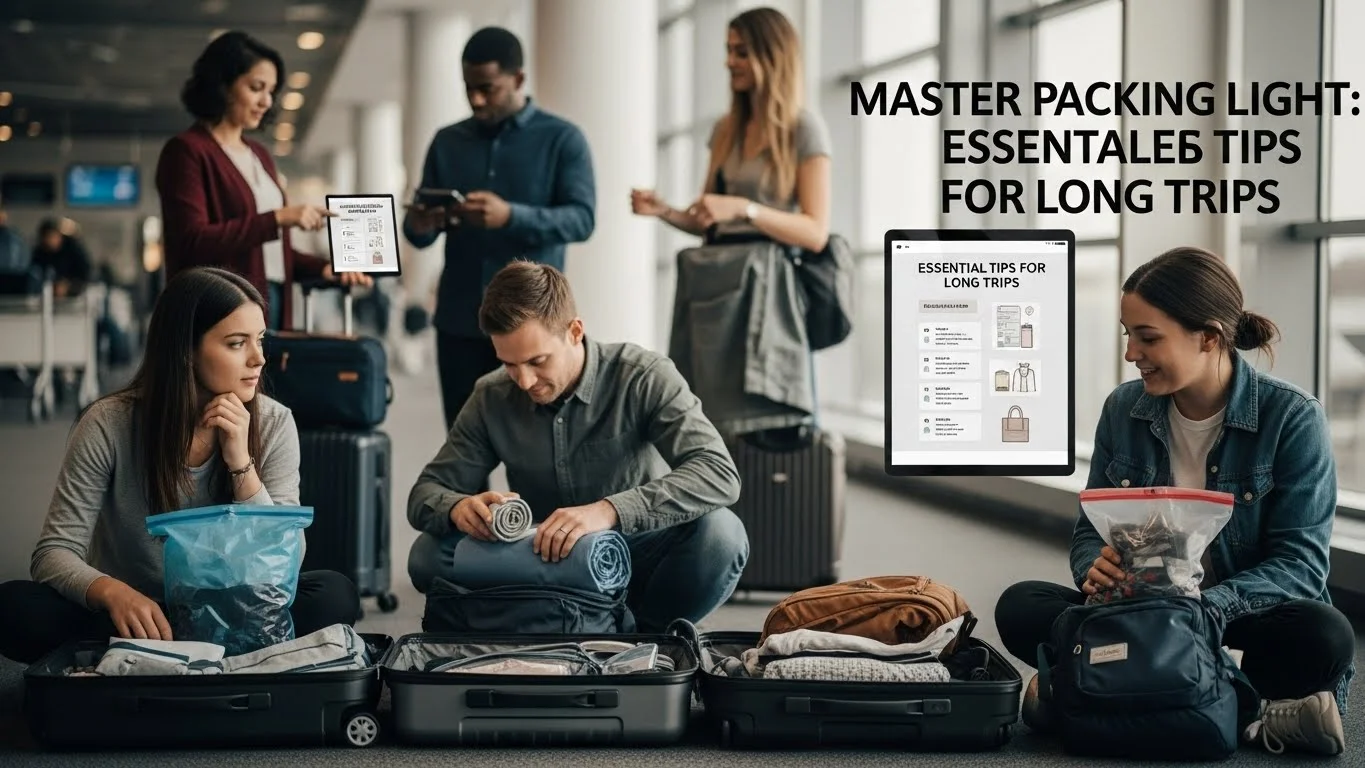
Understanding the Concept of Packing Light
Packing light is not just about squeezing everything into a small bag; it’s a mindset that prioritizes efficiency and simplicity. I remember my first long trip where I tried to pack for every possibility. The result? A heavy suitcase that felt like a weight around my shoulders. Over time, I learned that packing light is about making thoughtful choices and embracing flexibility. Let’s dive deeper into why packing light is beneficial and the common misconceptions that often hold us back.
Benefits of Packing Light
Packing light can transform our travel experience. The first major benefit I noticed was the freedom. When I traveled with just a carry-on, I felt unburdened and ready to explore. I could easily navigate through crowded airports, jump on a train, or hop on a bus without the hassle of bulky luggage. Plus, I saved money on checked baggage fees!
Another benefit is the ease of organization. I found that when I packed less, it was easier to keep track of my belongings. I could see everything at a glance, which helped me stay organized and avoid losing items. This clarity also made it simpler to adapt my wardrobe as the trip progressed; I could mix and match outfits without digging through layers of clothes. Read Interesting article: Top Tips for Light Packing on Family Getaways
Lastly, packing light encourages mindful travel. It pushes us to consider what we truly need versus what we think we might need. This reflection has made my trips more intentional, allowing me to focus on experiences rather than possessions. For me, this shift in perspective has been one of the most rewarding aspects of travel.
Common Misconceptions About Packing Light
Despite the benefits, I’ve realized there are many misconceptions about packing light that can deter us from trying it. One common myth is that packing light means sacrificing comfort or style. I used to think I had to leave my favorite outfits behind, but I soon discovered that versatile pieces can look great and feel comfortable. The key is to choose items that can be dressed up or down.
Another misconception is that you need to have a complete wardrobe for different occasions. I’ve traveled with just a few clothing items and mixed and matched them to create various outfits for different settings. It’s all about being creative with what you have.
Finally, people often believe that packing light means being unprepared. I want to assure you that it’s entirely possible to be well-prepared without overpacking. I’ve found that by focusing on essentials and prioritizing quality over quantity, I can be ready for just about anything without dragging a heavy bag along.
Essential Packing Tips for Long Trips
Choosing the Right Luggage
When I set out to master packing light, one of the first things I learned was the importance of choosing the right luggage. I used to underestimate how much a good suitcase could impact my travel experience. After trying a few different bags, I found that a well-structured carry-on suitcase works wonders. It’s compact enough to fit in overhead bins but spacious enough to hold all my essentials.
Additionally, I’ve also discovered the benefits of backpacks for light travel. A backpack can provide hands-free convenience, allowing me to navigate busy streets or embark on spontaneous hikes without hassle. When choosing luggage, I recommend looking for features like lightweight material, good organization pockets, and durability. Trust me, investing time in finding the right luggage can make all the difference.
Understanding Weight Limits and Restrictions
Before any trip, I always check the airline’s weight limits and restrictions. I remember a time when I was caught off guard at the airport when my bag was overweight, which resulted in extra fees. Being aware of these limits helps us pack smarter and avoid unnecessary stress. I recommend weighing your bag at home and making adjustments as needed before heading to the airport. It also helps to become familiar with what items are allowed in carry-on luggage to avoid packing regrets.
How to Use Packing Cubes Effectively
One of my favorite packing tools has to be packing cubes. When I first tried them, I couldn’t believe how much easier they made organizing my clothes. Each cube can serve a different purpose—like one for tops, another for bottoms, and even one for undergarments. This way, I can quickly find what I need without rummaging through my entire bag. I’ve also learned that cubes can compress my clothing slightly, making the most of the available space.
Utilizing Compression Bags for Extra Space
If you’re like me and often find yourself with more than you bargained for, compression bags can be a game-changer. I started using them for bulkier items, like jackets or sweaters, and I was amazed at how much space they saved. These bags work by removing air, allowing us to pack more efficiently. Just a quick tip: make sure you use them wisely and don’t overstuff them, as they can get heavy quickly!
By understanding the concept of packing light and utilizing effective strategies, we can enhance our travel experience. Let’s keep these tips in mind as we prepare for our adventures, ensuring that we travel smartly without the burden of excess baggage. Read Interesting article: The Ultimate Guide to Packing Light and Smart
Clothing Essentials for Long Trips
Versatile Clothing Items
When it comes to long trips, I’ve found that packing versatile clothing items can make a world of difference. Instead of bringing a separate outfit for every occasion, I focus on pieces that can be mixed and matched. For instance, I love packing a simple black dress that can easily transition from day to night. With the right accessories, I can dress it up for dinner or keep it casual for exploring during the day.
Another item I always include is a lightweight cardigan or jacket. It’s perfect for layering, and it can keep me warm during chilly evenings or in overly air-conditioned places. I’ve also learned that neutral colors tend to work best because they can coordinate with almost anything. So, I try to stick to a color palette that allows me to create multiple outfits with just a few pieces.
Layering Techniques for Various Climates
Layering is an essential skill I’ve developed over the years, especially when traveling to places with varying climates. I remember one trip where I went from a warm beach to a chilly mountain town in a matter of hours. By focusing on layers, I was able to adapt to the changing temperatures without needing to carry a bulky coat or extra heavy clothing.
For me, the classic layering strategy involves starting with a breathable base layer, adding an insulating mid-layer, and then topping it off with a waterproof outer layer. This approach allows me to remove or add pieces depending on the weather, which is especially helpful when I’m out and about all day. Plus, I’ve found that packing lightweight fabrics helps keep my luggage light while still being prepared for whatever comes my way.
Choosing Quick-Dry Fabrics
Quick-dry fabrics have become my best friends on my travels. I can’t tell you how many times I’ve been caught in unexpected rain or had to deal with sweaty days. Choosing clothes made from materials like polyester or moisture-wicking fabrics has helped me stay comfortable and dry. Not only do they dry faster, but they also tend to be lighter, which is an added bonus for packing light.
Additionally, I often opt for wrinkle-resistant clothing. I can’t stand pulling out a wrinkled shirt after a long flight! By selecting garments that resist wrinkles, I can pull them straight from my bag and look presentable without any extra effort. It’s all about making travel as easy and enjoyable as possible, and these fabric choices help me do just that.
Footwear Options: Comfort vs. Style
Footwear is another area where I’ve learned to be strategic. I used to pack multiple pairs of shoes—one for casual outings, another for dressier events, and maybe even a pair for exercise. But I quickly realized that packing light means making smart choices about shoes. Now, I focus on bringing just two pairs: a comfortable pair of walking shoes and a versatile pair of slip-ons or sandals. This way, I can easily dress up my outfit when needed without taking up excessive space in my bag.
Comfort is key for me, especially when exploring new cities where I might be walking for hours. I’ve found that investing in high-quality, supportive shoes makes a huge difference. They might be a bit pricier upfront, but the comfort they provide is worth it in the long run. Plus, when I choose neutral colors, I can wear them with just about anything, which helps keep my packing minimal.
Toiletries and Personal Care Products
Travel-Sized Toiletries: What You Really Need
When it comes to toiletries, I’ve learned the art of packing travel-sized products. I used to take full-size bottles of everything, which took up so much space and added unnecessary weight. Now, I carefully select the essentials: shampoo, conditioner, body wash, and skincare products in travel sizes. Many brands offer great options that last longer than you think, and they fit perfectly in my toiletry bag.
For me, it’s also about prioritizing what I truly need. Do I really need that fancy shampoo or can I use the hotel’s complimentary products? This thought process has helped me streamline my packing and focus on what’s truly necessary for my trip.
Multi-Use Products to Save Space
Multi-use products have become a staple in my travel routine. I love finding skincare products that serve multiple purposes, like a moisturizer with SPF or a tinted lip balm that doubles as blush. These products not only save space but also simplify my routine. I’ve discovered that I can achieve a fresh, polished look without needing to carry a whole makeup kit.
In my experience, the fewer products I carry, the easier it is to stay organized. I recommend investing in good-quality multi-use items; they can really enhance your travel experience by keeping things simple, light, and efficient.
How to Pack Toiletries without Spills
One of the biggest fears I had while packing toiletries was the dreaded spill. I remember one trip where I opened my bag to find my shampoo had leaked all over my clothes. To avoid this nightmare, I’ve developed a few strategies. First, I always make sure to seal the caps tightly and wrap them in plastic wrap before screwing the lid on. This extra layer of protection has saved me more than once.
Additionally, I store my liquids in a separate, zippered toiletry bag. This way, if something does leak, it’s contained, and the mess won’t spread to my clothes. I also keep my toiletries on top of my clothes in my bag, making it easily accessible and reducing the risk of pressure that could lead to spills. These little tricks have helped me travel with peace of mind, knowing my essentials are secure.
Electronics and Gadgets
Must-Have Travel Gadgets for Long Trips
When it comes to traveling, my gadgets have become essential companions. I’ve learned the hard way that not all electronics are created equal for travel, and some can make a world of difference. One of my favorite must-have gadgets is a portable charger. I can’t count how many times my phone battery has run low while I’m out exploring. Having a reliable power bank ensures I can capture memories without worrying about my phone dying mid-adventure.
Another gadget I’ve come to love is a noise-canceling headphone. I remember my first time on a long-haul flight; the noise from the engines made it hard to relax or enjoy my entertainment. Once I invested in a good pair of noise-canceling headphones, my travel experience improved significantly. They not only help me tune out distractions but also make it easier to sleep on planes or trains.
Lastly, I always pack a lightweight tablet or e-reader. As someone who enjoys reading, having access to a whole library without the bulk of physical books is a game-changer. Plus, they come in handy for watching movies or shows during downtime. I’ve found that these gadgets keep me entertained and help make long trips feel shorter, allowing me to enjoy my journey even more.
Organizing Cords and Chargers
Managing cords and chargers used to be a real hassle for me. I found myself untangling cables every time I needed to charge my devices, which was frustrating. To combat this, I started using cord organizers. I purchased a small zippered pouch where I could neatly store my charging cables and adapters. This simple solution has made it easy to access what I need and keep everything tidy. I’ve also discovered that using different colored cords for different devices helps me quickly identify which belongs to what.
Additionally, I recommend investing in multi-port chargers. Instead of bringing multiple chargers for each device, having one charger that can power several devices at once is a huge space saver. This way, I can plug in my phone and tablet simultaneously without needing extra outlets. It’s efficient and keeps my packing minimal, which is always a win in my book.
Choosing the Right Power Adapter
Traveling internationally means dealing with various plug types and voltage requirements. I remember my first trip abroad when I didn’t realize my standard charger wouldn’t work in Europe. After that experience, I made it a point to invest in a universal power adapter. This little gadget has saved me from the hassle of searching for compatible plugs in every country I visit.
In my experience, a good universal adapter should have multiple USB ports and be compact enough to fit in my bag without taking up too much space. I’ve found that choosing one with built-in surge protection is also wise, as it adds an extra layer of safety for my devices. By planning ahead with the right power adapter, I can keep my electronics charged and ready for whatever adventure lies ahead.
Documents and Important Items
What Travel Documents to Bring
Having the right documents when traveling is crucial, and it took me a few trips to really figure out what I needed. I always make sure to carry my passport, visa (if required), and a printed itinerary. It’s so helpful to have everything organized in one place. I usually keep these documents in a travel wallet that I can easily access when needed, especially at airports and border crossings.
In addition to my passport, I also carry copies of important documents. This includes a copy of my travel insurance, emergency contacts, and any necessary medical information. I learned this lesson after a friend misplaced their passport while traveling, and having copies available made things a bit easier for them. Now, I always have a backup plan.
How to Digitally Store Important Documents
To take it a step further, I’ve found that digitally storing my important documents is a lifesaver. I upload copies of my passport, travel insurance, and any essential documents to a secure cloud service. This way, if I ever lose my physical copies, I can easily access them online. It gives me peace of mind, knowing that I have a backup available at my fingertips.
Before each trip, I also make sure to download any necessary documents to my phone for offline access. This includes reservation confirmations, maps, and even emergency contacts. I’ve found that having everything in one place not only keeps me organized but also reduces stress during my travels.
Travel Insurance: Why It’s Essential
Speaking of peace of mind, I can’t stress enough how important travel insurance is. I used to think it was an unnecessary expense, but after hearing some friends’ horror stories about lost luggage and unexpected medical emergencies, I changed my mind. Now, I always purchase travel insurance before any trip.
Travel insurance can cover a range of issues, from trip cancellations to medical emergencies. I’ve come to appreciate it as a safety net that allows me to travel with confidence. If something goes wrong, knowing that I have support to help navigate the situation is invaluable. I recommend doing some research and finding a plan that suits your travel needs; it’s worth the investment for the peace of mind it provides.
Frequently Asked Questions
What is the concept of packing light?
Packing light is a mindset that prioritizes efficiency and simplicity, focusing on making thoughtful choices and embracing flexibility rather than just squeezing everything into a small bag.
What are the benefits of packing light?
Packing light offers several benefits including freedom of movement, ease of organization, and encouraging mindful travel by making travelers consider what they truly need versus what they think they might need.
What are some common misconceptions about packing light?
Common misconceptions include the belief that packing light means sacrificing comfort or style, needing a complete wardrobe for different occasions, and being unprepared. In reality, it’s possible to be stylish and ready for various situations with fewer items.
What should I consider when choosing luggage for packing light?
When choosing luggage, look for lightweight material, good organization pockets, and durability. A well-structured carry-on suitcase or a backpack can enhance your travel experience by being compact yet spacious enough for essentials.
How can packing cubes help with packing?
Packing cubes help organize clothes by allowing you to separate items, making it easier to find what you need without rummaging through your entire bag. They also compress clothing slightly, maximizing available space.
What are compression bags and how do they help?
Compression bags remove air from bulkier items like jackets or sweaters, saving space in your luggage. However, it’s important to use them wisely and avoid overstuffing, as they can become heavy quickly.
What types of clothing should I pack for long trips?
Focus on packing versatile clothing items that can be mixed and matched, such as a simple black dress and a lightweight cardigan. Neutral colors work best as they can coordinate easily, and layering techniques can help adapt to varying climates.
How can I pack toiletries without spills?
To avoid spills, seal caps tightly, wrap them in plastic wrap, and store liquids in a separate zippered toiletry bag. Keeping toiletries on top of clothes in your bag can also minimize the risk of pressure-induced leaks.
What important travel documents should I bring?
Essential travel documents include your passport, visa (if required), printed itinerary, and copies of important documents like travel insurance and emergency contacts. Keeping everything organized in a travel wallet is advisable.
Why is travel insurance important?
Travel insurance is essential as it covers a range of issues like trip cancellations and medical emergencies. It provides peace of mind, knowing that support is available in case something goes wrong during your travels.