
Adventure photography is a thrilling way to capture the intensity and beauty of extreme sports. If you’re ready to dive into this adrenaline-fueled world, let’s explore how to master the art of adventure photography!
Understanding Adventure Photography
What is Adventure Photography?
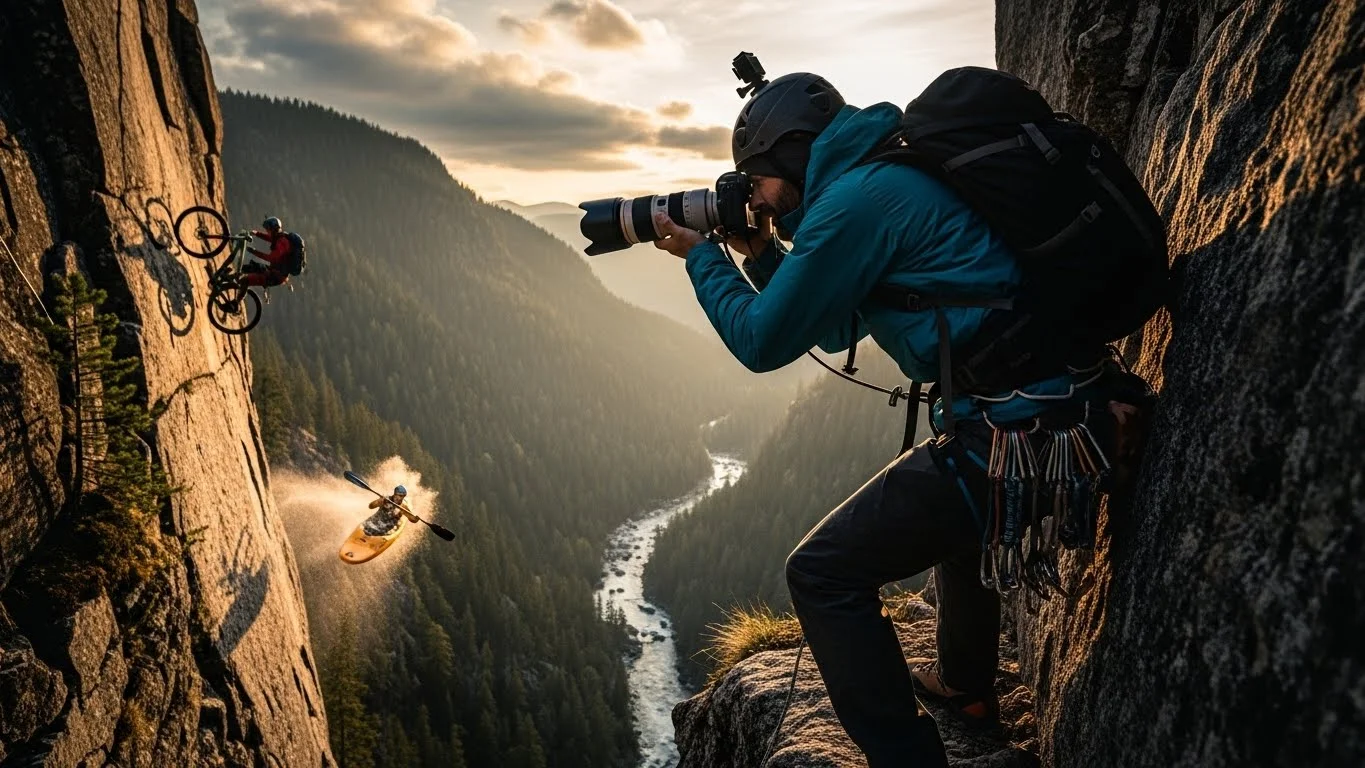
Adventure photography is more than just snapping pictures of outdoor activities; it’s about telling a story through visuals that inspire and evoke emotions. I remember the first time I picked up my camera during a hike; I wanted to capture the raw essence of nature and the thrill of adventure. It’s about freezing those fleeting moments when athletes push their limits and embrace the wild. This genre encompasses various activities, from rock climbing and surfing to mountain biking and skiing. Each shot should convey the energy and passion of the sport while showcasing the stunning landscapes that serve as the backdrop. Read Interesting article: Wildlife Adventure Photography: Budgeting Your Next Trip
The Role of Extreme Sports in Adventure Photography
Extreme sports bring an additional layer of excitement to adventure photography. When I started photographing these sports, I quickly learned that the unpredictability of the action meant I had to be ready for anything. The athletes in these sports often perform breathtaking maneuvers that require not just skill but also courage. Capturing a snowboarder flying off a jump or a mountain biker navigating a tricky trail is exhilarating and challenging. These sports allow photographers to create dynamic images that draw viewers in, making them feel the thrill of the moment. I often find myself holding my breath while waiting for that perfect shot—it’s an experience unlike any other.
Essential Equipment for Extreme Sports Photography
Cameras: Choosing the Right Gear
When it comes to adventure photography, having the right camera can make a world of difference. I’ve experimented with various camera brands, but I’ve found that a DSLR or a mirrorless camera works best for capturing high-quality images in fast-paced situations. Look for a camera with a good autofocus system, as this will help you track moving subjects more effectively. I remember when I upgraded to a camera with a faster shooting speed; it opened up a world of possibilities for my action shots. If you’re just starting, don’t feel pressured to buy the most expensive gear. Instead, focus on a solid entry-level camera that meets your needs.
Lenses: Wide-Angle vs. Telephoto
The choice of lens can significantly impact your adventure photography. I often carry a wide-angle lens for landscape shots, especially when I want to capture the vastness of a scene. This lens allows me to include more of the environment, which is critical when photographing sports set against stunning backdrops. Conversely, a telephoto lens is fantastic for getting close-ups of athletes in action without being right in the middle of the action. I remember taking a telephoto shot of a climber scaling a cliff from a safe distance; it made the image feel more dramatic. Depending on the sport, you may want to have both types of lenses available, as each serves its purpose beautifully.
Accessories: Tripods, Filters, and More
Don’t overlook the importance of accessories in adventure photography. A sturdy tripod can be a lifesaver, especially when shooting in lower light conditions or when you want to capture long exposure shots of water sports. I often use a polarizing filter to enhance the colors in my images, especially when photographing in bright sunlight. This filter helps reduce glare and can make skies pop, which is essential when shooting landscapes. Other accessories, like extra batteries and memory cards, are also crucial. I’ve learned the hard way that running out of battery or storage space can cut a shoot short, so I always come prepared.
Protective Gear for Your Equipment
Adventure photography often takes place in rugged environments, so protecting your gear is essential. I remember one rainy day while shooting a mountain biking event; I was grateful for my weather-sealed camera and lens. A good camera bag with ample padding is a must to keep your equipment safe during transport. Additionally, consider investing in lens filters and waterproof covers. I’ve seen too many photographers lose their gear to the elements simply because they didn’t take precautions. Being prepared can make a huge difference in your ability to capture those thrilling moments.
Techniques for Capturing Extreme Sports
Understanding Action Photography Basics
As I dove deeper into adventure photography, I realized that understanding the basics of action photography is essential. It’s not just about having the right gear, but also knowing how to use it effectively. One of the first things I learned was the importance of anticipating action. I often find myself watching athletes closely, trying to predict their next move. This skill helps me position myself for the best shot. It’s like a dance; I have to be in sync with the rhythm of the sport. I believe that immersing myself in the activity allows me to capture the most authentic moments, showcasing the adrenaline and excitement that come with extreme sports.
Mastering Shutter Speed and Aperture
Shutter speed and aperture are two of the most crucial settings in adventure photography. I remember being confused about how they work together. Lower shutter speeds can create motion blur, which can either convey speed or ruin a shot if not executed properly. I often experiment with faster shutter speeds to freeze the action, especially in sports like snowboarding or mountain biking, where every split second counts. Similarly, aperture affects the depth of field in my images. For wide landscapes, I favor a smaller aperture to keep everything in focus, while for action shots featuring athletes, I often open up the aperture to blur the background and make the subject stand out. Balancing these settings takes practice, but the results are always worth it.
Utilizing Burst Mode for Action Shots
Burst mode is one of my favorite features when capturing extreme sports. I remember my first time using it during a BMX event; I was amazed at how many frames I could capture in just a second. This mode allows me to take multiple photos in quick succession, increasing my chances of getting that perfect shot. It’s especially useful during high-action moments, like a skateboarder launching off a ramp or a surfer riding a massive wave. I like to review the images after the session and choose the one that captures the peak of the action. It’s a game-changer for adventure photography, and I highly recommend getting comfortable with it.
Framing and Composition Techniques
Framing and composition are key elements that can elevate my adventure photography. I often think about the rule of thirds when setting up my shots, dividing the frame into a grid and placing my subject at one of the intersections. This technique helps create a more dynamic image. I also enjoy experimenting with different angles. Sometimes, I’ll crouch low to the ground to emphasize a biker’s approach or shoot from above to capture the vastness of a landscape. I find that varying my perspective can lead to unique and impactful photos that tell a more compelling story. The beauty of adventure photography is that there are no strict rules, just guidelines that can help enhance my creative expression.
Popular Extreme Sports to Photograph
Snowboarding and Skiing
Snowboarding and skiing are two of my absolute favorite sports to photograph. There’s something magical about capturing athletes gliding down powdery slopes against a backdrop of snow-capped mountains. I love how the sunlight reflects off the snow, creating a stunning visual contrast. During my first ski shoot, I learned that timing is everything—waiting for the perfect moment as a snowboarder catches air mid-trick is exhilarating. I often find myself hiking to specific spots to get the best angles. The thrill of seeing the athletes push their limits while I capture their passion is an experience I cherish.
Mountain Biking
Mountain biking is another sport that gets my adrenaline pumping when I photograph it. The speed and agility of the riders as they navigate through rocky trails and steep hillsides always leave me in awe. I remember shooting a downhill race one sunny afternoon, and the energy was palpable. I found that using a telephoto lens helped me capture the intense expressions on the riders’ faces as they approached jumps. It’s incredible how a single frame can depict the excitement and focus required in this sport. I often seek out locations with natural obstacles to add drama to my shots, making the images feel more alive. Read Interesting article: Top Destinations for Affordable Wildlife Adventure Photography
Rock Climbing
Rock climbing is an art form, both in the physical challenge it presents and in the stunning scenery it often involves. I’ve spent hours at climbing spots, waiting for the right moment to capture a climber reaching for their next hold. I love how the climbers’ determination shines through in their expressions, and I try to convey that in my images. It’s essential to have a clear vantage point and to be mindful of safety, as I often shoot from precarious positions to get the best angles. Each shot tells a story of perseverance, and I feel honored to document these incredible feats.
Surfing and Water Sports
Surfing and water sports are thrilling to photograph, especially during golden hour when the sunlight casts a beautiful glow on the water. I remember my first time shooting surfers; I was enchanted by the rhythm of the waves and the skill of the surfers riding them. I always try to get into the water with a waterproof camera or stay on the beach to capture the action from different perspectives. The energy of each wave and the excitement of the surfers combine to create images that feel alive. I often experiment with shutter speeds here, as slower speeds can create motion blur that enhances the feeling of speed and movement.
Skydiving and Paragliding
Skydiving and paragliding are perhaps the most exhilarating sports I’ve had the chance to photograph. The sheer thrill of watching athletes leap from planes or glide through the air is something I can’t get enough of. Capturing these moments requires precision and timing, as I have to be ready to shoot just as they take off or land. I use wide-angle lenses to convey the vastness of the sky and landscape beneath them, and I often find myself holding my breath as I anticipate the perfect shot. The freedom and adrenaline of these sports inspire me, and I love being able to share that through my photography. Read Interesting article: Capture the Wild: Budget Tips for Wildlife Adventure Photography
Location Scouting for Adventure Photography
Finding the Best Spots for Extreme Sports
Location scouting is a crucial step in adventure photography that can significantly enhance the quality of our images. I’ve spent countless hours researching and exploring different sites where I could capture extreme sports. Each sport has its preferred terrain, and understanding this can guide us to the best locations. For example, when photographing mountain biking, I look for trails with natural features like jumps or rock formations that add depth to my shots. I often consult local biking communities or online forums for recommendations, which can lead me to hidden gems that aren’t in guidebooks. I remember one time, while searching for a new ski location, I stumbled upon a secluded area that offered breathtaking views and untouched powder—it turned out to be one of my most memorable shoots!
Understanding Weather Conditions and Timing
Weather plays a significant role in adventure photography. I’ve learned that different conditions can evoke various moods in my images. For instance, fog can add a sense of mystery, while bright sunshine might make colors pop vibrantly. I often check weather forecasts and plan my shoots accordingly. There have been times when I was ready for a sunny day only to face overcast skies, which taught me to embrace the unpredictability of nature. Timing is equally important; the golden hour—shortly after sunrise or before sunset—offers the best lighting for stunning photographs. I’ve made it a habit to arrive at my locations early to capture the changing light, and it always pays off with beautiful, dramatic results.
Permits and Access for Locations
Before heading out to a new location, I always check if I need any permits or permissions to shoot, especially in national parks or private lands. I remember planning an epic climbing shoot in a popular national park and realized I needed a permit for commercial photography. Fortunately, I had time to apply, and it was a great learning experience about the importance of respecting regulations and nature. Not only does obtaining the proper permits keep us within legal boundaries, but it also helps protect the environment we love to capture. Being mindful of our surroundings can ensure that these beautiful locations remain pristine for future generations to enjoy and photograph.
Post-Processing Tips for Adventure Photography
Editing Software: Lightroom vs. Photoshop
Post-processing is where I really get to enhance my adventure photography and bring my vision to life. I’ve found that Adobe Lightroom is my go-to software for organizing and making quick adjustments, like exposure and color correction. It’s user-friendly, and I can easily manage large batches of photos. For more detailed edits—like removing distractions or compositing images—I turn to Photoshop. I remember struggling with a photo that had an unwanted object in the frame. With Photoshop, I learned how to use the clone stamp tool to remove it seamlessly, and the final image was transformed! I recommend experimenting with both programs to figure out what works best for our editing style.
Enhancing Colors and Contrast
One of the most exciting parts of editing is enhancing colors and contrast to make my images pop. I often find that adventure photography benefits from vibrant hues that reflect the energy of the sport. Adjusting the vibrance and saturation sliders in Lightroom has become second nature to me. Additionally, I like to play with contrast to add depth to my images; it can help highlight the athlete against a backdrop. I remember a particular surfing photo where I boosted the colors during editing, and it transformed a good shot into a stunning one. Just be careful not to overdo it—finding the right balance is key!
Creating Action-Focused Edits
To really showcase the essence of extreme sports, I focus on creating action-oriented edits. This often involves cropping images to emphasize movement and dynamism. I also experiment with sharpening techniques to ensure the details of the athletes and their movements are clear. There are times I’ve added motion blur to specific elements in a frame to convey speed, which adds an exciting layer to the story. I believe that every edit should serve the narrative of the photograph, helping viewers feel the thrill and adrenaline of the moment. My goal is always to make them feel like they’re right there, experiencing the action alongside the athletes.
Sharing and Promoting Your Adventure Photography
Building an Online Portfolio
Once I’ve captured and edited my adventure photographs, the next step is sharing them with the world. Building an online portfolio has been an exciting journey for me. I use platforms like Squarespace and WordPress to showcase my work beautifully. It’s important to present a cohesive style that reflects who I am as a photographer. When I first started, I was overwhelmed by the options but realized that curating my best work helped me define my artistic voice. I recommend including a mix of action shots and scenic landscapes to give potential clients a well-rounded view of my abilities.
Using Social Media to Showcase Your Work
Social media has become an essential tool for sharing my adventure photography. I primarily use Instagram to connect with fellow photographers and outdoor enthusiasts. I’ve learned that consistency is crucial, so I try to post regularly and engage with my audience. Using relevant hashtags helps my work reach a broader audience. I remember when I posted a particularly striking shot from a climbing trip, and it gained traction, leading to connections with brands and fellow adventurers. It’s amazing how a single image can open doors to new opportunities!
Networking with Other Adventure Photographers
Networking is vital in the adventure photography community. I’ve met so many inspiring photographers through social media, events, and workshops. These connections have led to collaborative projects and even friendships. I often attend local meetups or photography workshops to learn from others and share experiences. I remember one workshop where I got to shoot alongside seasoned adventure photographers, and I walked away with new techniques and insights that have shaped my style. Building relationships in this community enriches our experiences and can lead to exciting opportunities.
Frequently Asked Questions
What is adventure photography?
Adventure photography is about telling a story through visuals that inspire and evoke emotions, capturing the raw essence of nature and the thrill of extreme sports like rock climbing, surfing, mountain biking, and skiing.
Why are extreme sports significant in adventure photography?
Extreme sports add excitement to adventure photography, as they involve unpredictable action and breathtaking maneuvers. Photographers aim to capture dynamic images that convey the thrill of the moment and the athletes’ courage.
What type of camera is best for adventure photography?
A DSLR or mirrorless camera is ideal for adventure photography due to their high-quality image capture and effective autofocus systems, which are essential for tracking moving subjects in fast-paced situations.
Which lenses should I consider for adventure photography?
A wide-angle lens is great for capturing landscapes, while a telephoto lens allows for close-ups of athletes without being in the middle of the action. Having both types of lenses available can enhance your photography.
What accessories are important for adventure photography?
Essential accessories include a sturdy tripod for low light or long exposure shots, filters to enhance colors and reduce glare, and extra batteries and memory cards to avoid running out of power or storage during a shoot.
What techniques should I use to capture extreme sports effectively?
Key techniques include understanding action photography basics, mastering shutter speed and aperture settings, utilizing burst mode for action shots, and experimenting with framing and composition to create dynamic images.
What are popular extreme sports to photograph?
Popular extreme sports to photograph include snowboarding, skiing, mountain biking, rock climbing, surfing, and skydiving, each offering unique challenges and breathtaking visuals.
How important is location scouting for adventure photography?
Location scouting is crucial as it helps photographers find the best spots for capturing extreme sports, taking into account the specific terrain and features that enhance the quality of the images.
What role does weather play in adventure photography?
Weather significantly impacts adventure photography, as different conditions can evoke various moods in images. Photographers should plan shoots according to weather forecasts and consider timing, such as shooting during the golden hour for optimal lighting.
How can I share and promote my adventure photography?
Sharing adventure photography can be done through building an online portfolio, using social media platforms like Instagram to showcase work, and networking with other photographers in the community for collaborative opportunities.