
Capturing the essence of travel through candid portraits can be thrilling yet challenging. This guide is designed to help you master the art of candid photography, allowing you to tell stories with every shot. For those seeking inspiration, consider exploring 10 Stunning Destinations for Candid Travel Portraits.
Understanding Candid Travel Portraits
What Are Candid Travel Portraits?
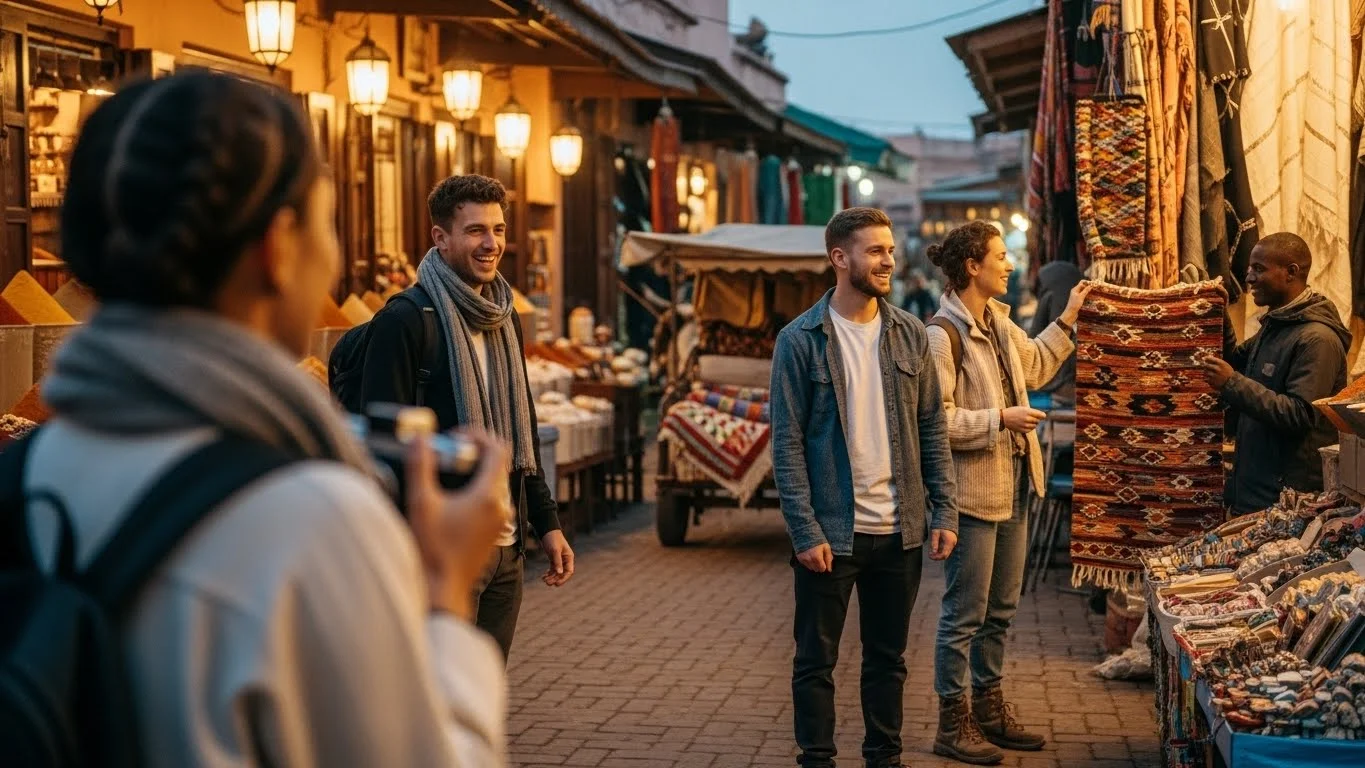
Candid travel portraits are all about capturing genuine moments that reflect the spirit and culture of a place. Unlike posed photos, candid portraits showcase people in their natural environment, often unaware of the camera. I remember my first attempt at this style; I was in Venice, and I snapped a shot of a local gondolier laughing with his friends. The joy on his face was infectious, and it was a moment I could never have staged. Candid portraits allow for storytelling that is rich and deeply personal. Each photo becomes a window into the subjects’ lives, emotions, and interactions, making them compelling and relatable.
The Importance of Authenticity in Portrait Photography
Authenticity is the heart of candid photography. I’ve learned that when people are at ease, their true selves shine through. This is especially important when you’re traveling. Each location has its unique vibe, and the people you meet contribute to that atmosphere. In my experience, the best portraits happen when subjects forget the camera is there. I’ve found that patience is key. Instead of rushing in with my camera, I often take a moment to observe the scene, letting the natural interactions unfold. This approach not only helps me capture genuine expressions but also allows me to connect with my surroundings and the people in them. To learn more about capturing authentic moments, check out Capture Authentic Moments: Candid Travel Portraits Tips.
Essential Equipment for Candid Travel Portraits
Cameras: Choosing the Right One for Candid Shots
When it comes to cameras, I’ve tried a few different types, and I’ve come to appreciate the versatility of a mirrorless camera. They are generally lightweight, making them perfect for traveling. I often carry my mirrorless camera with a silent shutter mode, which allows me to shoot without drawing attention. This feature has been a game changer for capturing those unexpected moments. If you’re starting out, I recommend considering a camera that fits comfortably in your hands and allows for quick adjustments in settings. The last thing you want is to miss a fantastic shot because you’re fumbling with your equipment.
Lenses: Best Options for Portrait Photography
Choosing the right lens can make a huge difference in your candid portraits. I find that a 35mm or a 50mm lens is perfect for capturing sharp, intimate portraits while still including some background. These lenses allow for a natural perspective, and they’re great for low-light conditions, which is often the case when you’re shooting in bustling markets or cozy cafes. I’ve also experimented with zoom lenses, which can be convenient for maintaining distance without losing the candid nature of the shot. Each lens has its unique strengths, so it’s worth experimenting to see what works best for you.
Accessories: Tripods, Filters, and More
While I tend to rely on my hands for most candid shots, having a few accessories can be quite beneficial. A lightweight tripod can be helpful if you’re shooting in low light or want to be part of the scene yourself. I remember using a small travel tripod to set up a shot of my friends enjoying a sunset on a beach in Bali. Filters can also enhance your photos, especially polarizing filters that reduce glare and saturate colors. I sometimes carry a few filters in my bag, just in case I come across a perfect scene that deserves an extra touch of color.
As I’ve navigated through the world of candid travel portraits, I’ve come to appreciate the balance between having the right gear and knowing how to use it effectively. It’s not just about what you carry; it’s about how you engage with your subjects and environment. The real magic happens when you combine your passion for photography with genuine moments that deserve to be captured. Each adventure offers new lessons, and as we delve deeper into this guide, I hope you’ll find your unique approach to mastering candid travel portraits.
Techniques for Capturing Candid Moments
Understanding Natural Light and Its Impact
One of the most significant factors in candid travel portraits is natural light. I’ve found that the quality of light can completely transform a photo. Early morning and late afternoon, often referred to as the golden hours, provide soft, warm light that enhances the mood of your shots. I remember wandering through the streets of Lisbon during sunset, where the golden hues made every portrait feel magical. I’d recommend experimenting with different times of the day to see how the changing light affects your subjects. It’s all about finding that sweet spot where the light complements the scene and brings out the best in your subjects.
Finding the Right Angle and Composition
Angles and composition can make or break a candid portrait. I’ve learned that sometimes, the best shots happen when you’re not standing directly in front of your subject. I often crouch down or shoot from the side to create a more dynamic perspective. For me, using the rule of thirds has been a helpful guideline; placing your subject off-center often leads to a more engaging composition. I also like to include elements of the environment in my shots, which gives context to the portraits. It’s fascinating how a slight change in angle can lead to a completely different story in the frame.
Using the Environment to Enhance Portraits
In my experience, the environment plays a crucial role in candid travel portraits. I often look for interesting backgrounds that complement or contrast with my subjects. For instance, shooting against a vibrant mural or a bustling market can add depth and context to the portrait. I remember capturing a street vendor in Marrakech surrounded by colorful spices. The background not only highlighted his character but also enriched the overall story of the image. Pay attention to leading lines, textures, and colors around you; they can guide the viewer’s eye and add layers to your portrait.
Preparing for Candid Travel Portraits
Researching Your Destination for Photo Opportunities
Before embarking on a trip, I always spend some time researching my destination. I look for places that are known for their vibrant local culture and unique interactions. Websites, travel blogs, and social media can be gold mines for finding hidden gems where candid photography shines. For example, I discovered a small village in Thailand that held a weekly market. I had no idea how rich the interactions would be, but my research led me there, and the portraits I captured are still some of my favorites. Knowing where to go can save you time and increase your chances of finding those perfect candid moments.
Understanding Local Cultures and Customs
Being aware of local cultures and customs is essential when capturing candid portraits. I’ve learned that what might be acceptable in one culture could be frowned upon in another. For instance, I remember being in a rural area of India, where I approached a group of women in traditional dress. Understanding their customs made it easier for me to engage with them respectfully. I always research etiquette and traditions before I travel, ensuring I approach people in a way that honors their culture. This not only helps me get better portraits but also builds a connection with the subjects.
Building Rapport with Your Subjects
Establishing a connection with your subjects can greatly enhance the authenticity of your candid portraits. I’ve found that a simple smile or a few friendly words can go a long way. When I approach someone, I try to engage them in conversation first, even if it’s just a brief chat about their day. I’ve noticed that when people feel comfortable, they’re more likely to let their guard down, resulting in genuine expressions. I remember chatting with an elderly man in a café in Rome, and after a few moments, he opened up and shared stories about his life. The candid shots I took afterward were filled with warmth and emotion. Building rapport not only enriches my photography but also creates memorable experiences during my travels.
Post-Processing Candid Travel Portraits
Basic Editing Techniques for Portrait Photography
Once I’ve captured my candid travel portraits, the next step is often post-processing. I’ve found that even a little editing can elevate a photo from good to great. Basic adjustments like exposure, contrast, and color balance can make a world of difference. For example, I like to brighten the shadows in portraits taken in low-light situations, which helps to reveal details that might otherwise be lost. Cropping is another essential technique. I often trim a bit from the edges to focus more on my subject, enhancing the emotional impact of the shot. I remember editing a portrait of a street musician in Barcelona, and by tightening the composition, I could draw attention to his expressive face and the notes flowing from his instrument. It’s fascinating how small tweaks can create a more engaging image.
Using Software: Lightroom vs. Photoshop
In my photography journey, I’ve experimented with both Lightroom and Photoshop, and I find that each has its strengths. Lightroom is fantastic for batch editing and applying consistent adjustments across multiple photos, which is super helpful after a day of shooting. I often use it to create presets that match the mood of my travels. For instance, I have a preset that enhances warm tones, perfect for my beach shots. On the other hand, Photoshop is my go-to for more detailed edits. When I need to remove distractions or combine elements from different images, Photoshop gives me that flexibility. I remember spending hours perfecting a candid shot of a market scene, meticulously removing a random passerby that was distracting from the main subject. Both tools have their place in my workflow, and I encourage you to explore both to see which fits your style best.
Creating a Consistent Editing Style
As I’ve developed my photography skills, I’ve realized the importance of a consistent editing style. This not only helps create a cohesive look for my portfolio but also defines my personal brand as a photographer. When I edit my photos, I often think about the story I want to tell and the emotions I want to convey. For example, I tend to lean towards warm, vibrant tones that evoke a sense of nostalgia, especially in travel portraits. I also pay attention to the overall mood of my images—whether it’s lively and energetic or calm and reflective. By using consistent editing techniques, I’ve been able to create a recognizable style that resonates with viewers. If you’re not sure where to start, I’d suggest looking at your favorite photographers and analyzing how their editing choices contribute to their unique voice. Over time, you’ll develop your signature style that reflects your experiences and perspective.
Common Mistakes to Avoid
Over-Posing Your Subjects
One of the pitfalls I’ve encountered in candid photography is the tendency to inadvertently pose my subjects. I remember a moment in a bustling market where I got so excited about capturing a great shot that I started directing the people in it. The result was a series of photos that felt stiff and forced—far from the authenticity I was aiming for. I’ve learned that giving subjects room to breathe and simply being an observer often leads to more genuine expressions. Instead of trying to get everyone perfectly aligned, I now focus on the natural interactions happening around me. This approach helps me preserve the spontaneous essence of candid photography.
Ignoring Background Elements
Another mistake I’ve made is neglecting the background when composing a shot. It’s easy to get caught up in the subject and forget about what’s happening behind them. I remember a lovely portrait of a woman selling flowers, but the distracting clutter of a nearby vendor took away from the shot. Since then, I’ve made it a habit to scan the entire frame before clicking the shutter. I often ask myself, “What story is the background telling?” This mindfulness has significantly improved my compositions. Now, I strive to include elements that complement my subjects rather than detract from them.
Not Being Patient Enough for the Perfect Shot
Patience is a virtue I’ve come to appreciate in candid photography. I used to rush into situations, eager to capture as many moments as possible. However, I quickly realized that some of the best shots come when you allow the scene to unfold naturally. One unforgettable experience was waiting for the right moment to capture a child playing in a fountain. I stood there for what felt like ages, but when the child finally let out a joyful scream, I was ready, and the resulting shot was pure happiness. It taught me that sometimes, the best thing you can do is simply wait and observe. In this fast-paced world, taking a moment to breathe and be present can lead to stunning candid portraits.
Inspiration from Renowned Candid Photographers
Analyzing the Work of Famous Travel Photographers
One of the best ways to evolve my photography skills has been through studying the work of renowned candid photographers. I’ve often found inspiration in the works of photographers like Steve McCurry and Henri Cartier-Bresson, both masters of capturing the human experience in their travels. I remember flipping through McCurry’s book, “The Iconic Portraits,” and being mesmerized by the emotions he captured in each frame. His ability to tell a story through a single image pushed me to think deeper about my own work. I love how he often waits for the right moment when people are just being themselves, which is the essence of candid photography.
Learning from Social Media Influencers
In our digital age, social media is a treasure trove for aspiring photographers. I’ve come across countless influencers who share their travel photography journeys, and their candid shots are often breathtaking. I particularly enjoy following accounts on Instagram that focus on travel and portrait photography. They offer not just inspiration but also practical tips and behind-the-scenes insights. For instance, seeing how they engage with locals before taking a shot has encouraged me to adopt similar practices. By learning from their experiences, I’ve been able to refine my approach and draw new ideas for my own candid portraits.
Sharing Your Candid Travel Portraits
Best Platforms for Showcasing Your Work
Once I’ve captured and edited my candid travel portraits, the next step is sharing them with the world. I’ve found that platforms like Instagram and Pinterest are fantastic for showcasing photography. Instagram allows for a visual storytelling experience, where you can create a cohesive gallery of your best work. I remember posting a series of candid shots from my trip to Morocco, and the feedback I received was incredibly encouraging. Pinterest, on the other hand, can drive traffic to your blog or website if you’re looking to expand your audience. Each platform has its unique strengths, and I recommend experimenting with different ones to see which resonates with your style and audience.
Engaging with Your Audience: Tips and Tricks
Engaging with my audience has been a rewarding part of sharing my photography. I often take the time to reply to comments and questions, which helps build a sense of community. I’ve found that asking for feedback or encouraging others to share their experiences related to my photos can spark meaningful conversations. Additionally, sharing the stories behind each portrait adds depth. For example, when I posted a candid photo of a street musician, I included a short story about our interaction, which prompted others to share their similar experiences. This connection not only enriches my photography journey but also creates a supportive network of fellow travel enthusiasts.
Resources for Further Learning
Online Courses and Workshops
If you’re looking to enhance your photography skills, I highly recommend exploring online courses and workshops. I’ve taken several courses on platforms like Skillshare and MasterClass, where experienced photographers share their techniques and insights. These courses often provide a structured way to learn, with assignments that encourage you to practice what you’ve learned. I remember taking a candid photography course that focused on storytelling through images; it opened my eyes to new techniques I had never considered before.
Books and Tutorials on Portrait Photography
Books have also been a valuable resource in my journey. I’ve read several photography books that delve into the art of portrait photography. One of my favorites is “Understanding Exposure” by Bryan Peterson, which helped me grasp the technical aspects of photography while also emphasizing creativity. Additionally, many blogs and online tutorials offer free advice and tips that can be incredibly useful. I often bookmark articles that resonate with me and revisit them for inspiration or guidance. For more tips on travel photography, you can also check out Travel Photography Techniques for Budget Backpackers Revealed.
Photography Communities and Forums
Finally, participating in photography communities and forums has been a game changer for me. Websites like Flickr and photography-focused subreddits allow you to share your work and receive constructive criticism. Engaging with fellow photographers has provided me with new perspectives and ideas. I’ve even met a few friends through these communities who share my passion for candid photography, and we often exchange tips and insights. Building these connections has not only enhanced my skills but also made my journey more enjoyable.
Final Thoughts
Mastering the art of candid travel portraits is a journey filled with exploration and growth. Each moment captured tells a story, and with every shot, we learn something new about ourselves and the world around us. I’ve found that the key lies in patience, authenticity, and a genuine connection with my subjects. As we continue to hone our skills and share our experiences, may we find joy in capturing the beauty of life in its most candid form. I hope this guide inspires you to pick up your camera and embrace the adventure of candid photography wherever your travels take you.
Frequently Asked Questions
What are candid travel portraits?
Candid travel portraits are photographs that capture genuine moments reflecting the spirit and culture of a place, showcasing people in their natural environment, often unaware of the camera. They tell rich, personal stories and provide a window into the subjects’ lives and emotions.
Why is authenticity important in candid photography?
Authenticity is crucial in candid photography because it allows subjects to be at ease, revealing their true selves. When people forget the camera is there, genuine expressions emerge, leading to more compelling and relatable portraits.
What type of camera is recommended for candid photography?
A mirrorless camera is highly recommended for candid photography due to its lightweight nature and features like silent shutter mode, which allows photographers to capture moments without drawing attention. It’s essential to choose a camera that fits comfortably in your hands and allows for quick adjustments.
Which lenses are best for capturing candid portraits?
A 35mm or a 50mm lens is ideal for capturing sharp, intimate portraits while still including some background. These lenses offer a natural perspective and perform well in low-light conditions, making them suitable for various environments like bustling markets or cozy cafes.
How can natural light affect candid portraits?
Natural light significantly impacts candid portraits by enhancing their mood. The golden hours of early morning and late afternoon provide soft, warm light that can transform a photo, making it more visually appealing and emotionally resonant.
What techniques can enhance candid portrait photography?
Techniques that can enhance candid portrait photography include finding the right angle and composition, using the environment to complement subjects, and being patient to wait for the perfect moment to capture genuine interactions.
How can one build rapport with subjects while taking candid portraits?
Building rapport with subjects involves engaging them in conversation to make them feel comfortable. A friendly smile or a brief chat can help subjects let their guard down, resulting in more authentic expressions in the photographs.
What are some common mistakes to avoid in candid photography?
Common mistakes include over-posing subjects, neglecting background elements that can distract from the subject, and not being patient enough to wait for the right moment to capture genuine interactions.
Which platforms are best for showcasing candid travel portraits?
Platforms like Instagram and Pinterest are excellent for showcasing candid travel portraits. Instagram allows for visual storytelling, while Pinterest can help drive traffic to your blog or website, expanding your audience.
What resources are available for further learning about candid photography?
Resources for further learning include online courses and workshops, photography books, and participation in photography communities and forums. These can provide structured learning, inspiration, and constructive feedback from fellow photographers.