
Traveling the world offers us a chance to experience new cultures, flavors, and friendships. But to truly enjoy these opportunities, mastering cultural etiquette is crucial. Understanding and respecting local customs can turn a good trip into an unforgettable adventure. Read Interesting article: Cultural Etiquette: Navigating Public Spaces on Your Trip
Understanding Cultural Etiquette
Definition of Cultural Etiquette
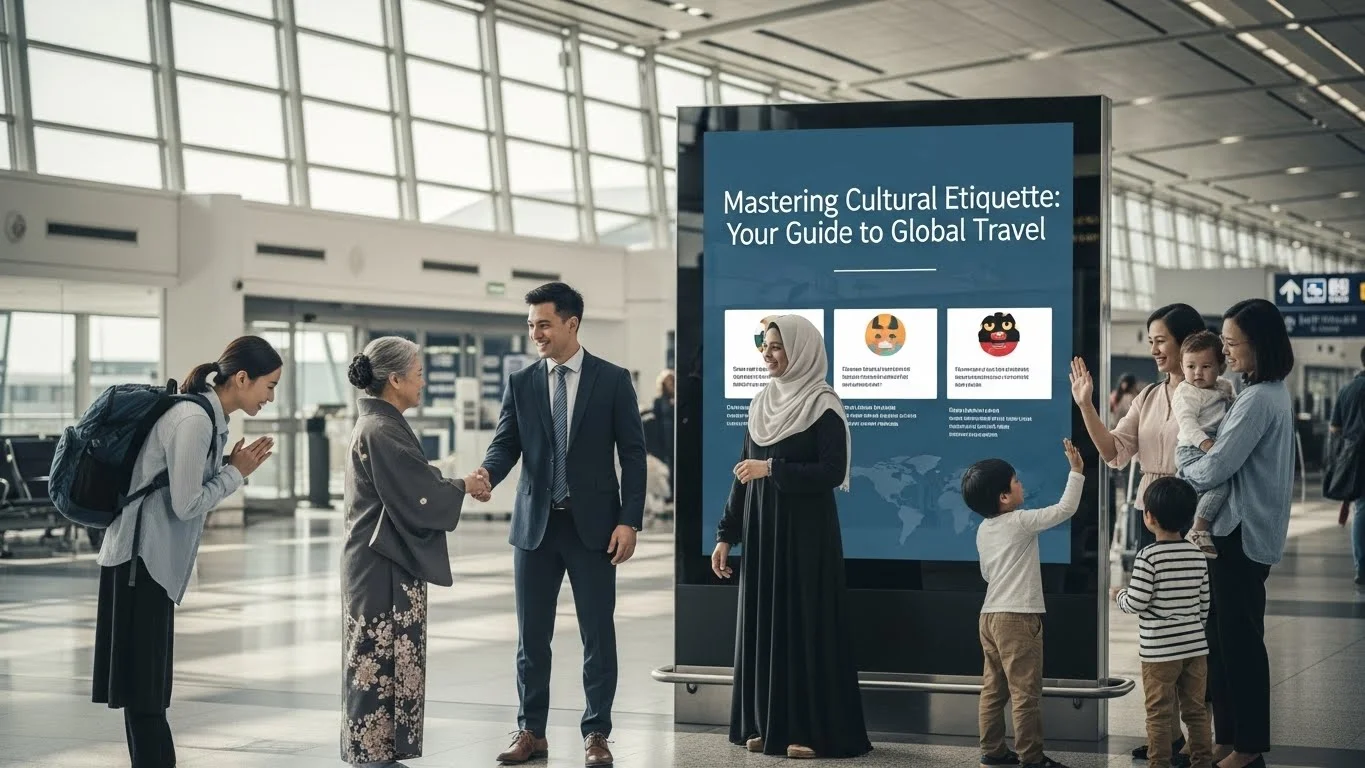
Cultural etiquette encompasses the behaviors, practices, and norms that are deemed acceptable within a specific culture. It includes everything from how we greet others to how we behave at the dining table. I remember my first trip abroad, where I quickly learned that what might be polite in one place could be considered rude in another. For example, in some cultures, maintaining direct eye contact is a sign of confidence, while in others, it can be seen as disrespectful. Understanding these nuances makes a huge difference in how we connect with people during our travels.
Importance of Cultural Etiquette in Travel
When we travel, we step into someone else’s world. Embracing cultural etiquette not only shows respect for the locals but also enriches our travel experiences. I’ve found that when I take the time to learn about and adhere to local customs, I open doors to deeper connections with people. Instead of being seen as a tourist, I become a welcomed guest. On my last trip to Japan, for instance, I learned that bowing is a customary greeting. By bowing slightly when I met locals, I felt their warmth and appreciation, which made my trip all the more memorable.
Key Elements of Cultural Etiquette
Greetings and Introductions
Greetings are often the first step in establishing a connection, and they vary significantly across cultures. In the U.S., a firm handshake is common, while in some Asian countries, a slight bow or a nod is preferred. I once visited Thailand, where I learned the “wai” greeting, involving palms pressed together at chest level. This simple gesture symbolized respect and friendliness. I’ve noticed that when I make an effort to greet people in their customary way, it sets a positive tone for any interaction.
Dining Etiquette
Dining is a central aspect of many cultures, and understanding the dining etiquette can be crucial. In Italy, for example, it’s important not to ask for cheese on your seafood pasta, as it’s considered a culinary faux pas. I learned this the hard way! When dining in other countries, I try to observe the locals first—watching how they eat, what utensils they use, and even how they engage in conversation during meals. An informal dinner I attended in Spain was quite different from any I’d experienced before. The meal lasted for hours, filled with laughter and stories, and I realized that it was just as much about the company as it was about the food.
Body Language and Non-Verbal Communication
Body language plays a huge role in communication, often speaking louder than words. I’ve found that gestures I use daily might not translate well in other cultures. For example, while a thumbs-up is a positive gesture in many Western countries, in parts of the Middle East, it can be offensive. I remember traveling to Greece, where I learned that maintaining a relaxed posture and open hand gestures is appreciated. Paying attention to non-verbal cues can help me understand how to better connect with others and avoid misunderstandings.
Gift Giving Customs
Gift giving is another area where cultural etiquette can vary widely. In some cultures, gifts are a way to show appreciation and strengthen relationships, while in others, it can be seen as inappropriate or even a bribe. During my travels in South Korea, I learned that it’s customary to present gifts with both hands. I also discovered that certain items, like clocks, have negative connotations. I always try to research the local customs before bringing gifts, as I want my gesture to be received with joy, not confusion. I remember bringing chocolates as a gift in France, which were beautifully received, sparking delightful conversations about flavors and preferences.
Cultural Etiquette by Region
North America
When I think of North America, I often recall the friendly and casual vibe that seems to permeate the air. People here generally appreciate direct communication, which I found refreshing. For instance, when I traveled to Canada, I noticed that politeness is highly valued. Saying “please” and “thank you” is not just nice but expected. I remember sitting in a café, and when I thanked the barista for my coffee, she beamed and responded with a big smile, making me feel at home. However, I also learned that personal space is crucial; invading someone’s bubble can make them uncomfortable. This was a little different from some other cultures I had experienced, where close physical proximity is commonplace.
Europe
Europe is a tapestry of cultures, each with its own quirks and customs. I found that the approach to greetings varies widely. In France, a light kiss on both cheeks is the norm among friends, while in Germany, a firm handshake is preferred, accompanied by eye contact. I remember feeling a bit awkward the first time I tried the cheek-kissing thing in Paris; I accidentally leaned in too far and nearly knocked heads with my friend! Dining customs also differ; in some countries like Italy, meals are celebrated with lengthy conversations, while in others like Sweden, dining is more subdued. I learned that understanding these nuances can truly enhance the experience of exploring different European nations.
Asia
Asia is perhaps one of the most diverse regions when it comes to cultural etiquette. I was amazed at how much I had to adapt during my travels there. In Japan, for instance, I learned that it’s important to remove my shoes before entering someone’s home—a custom that I found both respectful and practical. In India, I discovered that eating with my right hand was essential, as the left hand is considered unclean in many contexts. Just the other day, I reminisced about my time in Thailand, where I found that showing the soles of my feet is considered rude. These experiences taught me the importance of being mindful and adaptable when immersing myself in Asian cultures.
Africa
Africa is rich in traditions and customs that vary from one region to another. I remember visiting South Africa and being struck by the warmth of the people. Greeting with a friendly “howzit” is common, and a handshake is usually accompanied by a friendly clap. I was surprised to learn about the concept of Ubuntu, which emphasizes community and connectedness. In contrast, during my trip to Morocco, I noticed that hospitality is paramount—guests are often offered mint tea as a welcoming gesture. I found that understanding these cultural nuances helped me forge meaningful connections with the locals I met.
South America
Traveling through South America opened my eyes to a vibrant mix of customs and traditions. In countries like Brazil, I discovered how important physical touch is in social interactions. Hugs and kisses on the cheek are common among friends, which initially caught me off guard. I’ve experienced the joy of participating in a lively fiesta in Colombia, where the atmosphere felt electric, and everyone danced together. On the flip side, I learned that punctuality is viewed differently across the continent; arriving late is often acceptable in social settings but not in business meetings. This cultural fluidity made my travels exciting and full of surprises.
Oceania
Oceania is another unique region with a blend of cultures, particularly in places like New Zealand and Australia. I was fascinated by the Māori customs I encountered in New Zealand, including the traditional greeting known as the hongi, in which two people press their noses together. It felt like a moment of deep connection. In Australia, I found that casualness is the norm; addressing someone by their first name right away is common, regardless of their status. However, I also learned that respecting Indigenous customs and acknowledging the land’s history is crucial. Understanding these cultural layers enriched my experiences in Oceania immensely.
Cultural Dos and Don’ts
Common Mistakes to Avoid
During my travels, I’ve made my fair share of cultural faux pas. One of the biggest mistakes I encountered was not researching local customs before arriving. For example, in some Middle Eastern countries, I learned that showing the soles of my shoes can be seen as disrespectful. I was horrified when I accidentally crossed my legs in a café, and my foot was pointed towards someone. I realized that even small gestures can hold significant meanings. Another common mistake I’ve seen is interrupting someone while they speak. In many cultures, this can be seen as rude, so I’ve made it a point to listen attentively and wait for the right moment to chime in.
Respecting Local Traditions and Customs
Respecting local traditions is essential for any traveler. I remember attending a traditional wedding in India, where I was instructed to dress modestly and participate in rituals. Even though I was unfamiliar with some customs, I felt honored to be included. I’ve learned that asking questions and showing genuine interest in local practices can go a long way in building rapport with locals. For instance, during a visit to a rural village in Vietnam, I was invited to join in a rice planting ceremony. Participating in this event taught me not only about their agricultural practices but also about their values of community and hard work.
How to Research Cultural Etiquette Before Traveling
Using Travel Guides and Resources
Researching cultural etiquette before traveling has become one of my favorite parts of the trip planning process. I’ve discovered that travel guides and online resources can be incredibly helpful. I often start by reading guidebooks specific to the country I plan to visit. For instance, I once picked up a guide to Japan which not only covered popular tourist spots but also detailed cultural norms. I learned about the importance of bowing, how to properly use chopsticks, and even what to avoid when visiting shrines. Websites like Lonely Planet and cultural blogs also offer insights that can help me understand local customs better. Read Interesting article: Solo Travel Success: Understanding Cultural Etiquette
Another resource I’ve found useful is travel forums, where fellow travelers share their experiences. I remember reading about someone’s trip to Egypt, where they mentioned the significance of dress and modesty. This kind of firsthand knowledge gave me a more nuanced understanding of what to expect. Plus, engaging with others on these platforms can lead to discovering hidden gems in a destination that you might miss out on otherwise.
Engaging with Locals and Cultural Experts
Nothing beats learning about cultural etiquette from the people who live there. I’ve made it a point to connect with locals before my trips, whether through social media platforms or local cultural organizations. I once reached out to a friend I made while traveling in Spain, and she provided invaluable tips about the proper way to greet people and the importance of mealtimes. This personal connection made me feel more prepared and eager to embrace the culture.
I also recommend looking for cultural workshops or classes. In Thailand, I participated in a cooking class where the instructor not only taught us recipes but also shared insights into Thai dining etiquette. Learning directly from locals allows for a richer understanding of their culture and customs, making my travel experience all the more authentic. Read Interesting article: Navigating Cultural Etiquette Solo: A Traveler’s Guide
Real-Life Scenarios: Navigating Cultural Etiquette
Business Meetings Abroad
Business etiquette can vary so much from one culture to another, and I’ve learned this lesson the hard way. On a trip to Japan for a business meeting, I was astounded by the level of formality in their approach. I remember arriving and being greeted with bowing and exchanging business cards with both hands, which is a sign of respect. It felt a bit strange at first, but I quickly adapted. I made sure to take time to read the card thoroughly before putting it away, as it’s considered disrespectful to just glance at it and toss it into a pocket.
On the contrary, during a meeting in Brazil, I noticed a much more relaxed atmosphere. Personal relationships took precedence over formalities, and conversations flowed more casually. I learned that it was essential to engage in small talk and build rapport before getting down to business. Every experience has taught me the importance of flexibility and being observant to the cues offered by those around me.
Attending Local Festivals and Celebrations
Attending local festivals can be one of the most exhilarating parts of travel, but I’ve learned it comes with its own set of etiquette rules. I vividly remember experiencing the Diwali festival in India. The vibrant colors, lights, and sounds were captivating, but I quickly realized that participating in the rituals required a respectful approach. I made sure to dress modestly and follow the lead of locals during the ceremonies. I also learned that it was polite to accept food offered to me, as declining could be seen as offensive.
Another memorable experience was during Carnival in Brazil. I was swept away by the energy and excitement, but I made it a point to observe how locals interacted and celebrated. I noticed the importance of dancing closely while respecting personal space, which helped me navigate the lively atmosphere without feeling awkward. These experiences have highlighted to me how attending festivals can deepen our understanding of a culture, provided we approach them with respect and curiosity.
Tools and Resources for Mastering Cultural Etiquette
Cultural Etiquette Apps
In today’s digital age, there are so many fantastic apps designed to help travelers navigate cultural etiquette. I’ve found apps like “Culture Trip” or “Cultural Etiquette” to be real lifesavers. These apps not only provide information about local customs but also offer tips on how to engage respectfully with locals. While traveling in Morocco, I used one to learn about traditional greetings and dining customs, which helped me feel more confident and connected with the people I met.
Another excellent tool is language translation apps. I’ve found that being able to communicate even a little in the local language can go a long way in showing respect and building rapport. I remember using a translation app in Vietnam, which allowed me to practice basic phrases. The locals appreciated my efforts, and it helped break down barriers, making my experience all the more enriching.
Books and Guides for Cultural Awareness
Books have always been a treasure trove of knowledge for me. I’ve come across numerous titles focused on cultural etiquette, which I highly recommend. One of my favorites is “The Art of Crossing Cultures” by Craig Storti. This book offers fantastic insights into understanding different cultures and adapting accordingly. Before traveling to a new destination, I often check my local library or bookstores for guides that specifically address cultural nuances. The information I gather helps me approach my travels with a more informed mindset.
Online Courses and Workshops
As someone who loves learning, I’ve enjoyed taking online courses focused on cultural awareness and etiquette. Websites like Coursera or Udemy offer courses that delve into cultural norms around the world. I remember taking a course that explored the etiquette differences between various countries, which significantly enhanced my understanding. These courses often feature real-life scenarios and role-playing exercises that make learning fun and engaging. I believe that investing time in these educational resources can make a real difference in how we experience and interact with different cultures.
Benefits of Mastering Cultural Etiquette
Building Relationships and Trust
Mastering cultural etiquette has had profound effects on my travel experiences. It’s helped me build lasting relationships and trust with people I’ve met around the globe. I remember a time in Mexico when I followed local customs during a family gathering, which led to heartfelt conversations and storytelling. My willingness to embrace their culture opened doors to friendships and connections I cherish to this day. I’ve found that when we show respect and understanding towards a culture, it fosters goodwill and strengthens bonds.
Avoiding Cultural Faux Pas
Knowledge of cultural etiquette can save us from making embarrassing mistakes. I recall feeling embarrassed in Turkey when I mistakenly pointed my foot at someone. Thankfully, my new friends were understanding and laughed it off, but I learned my lesson. By taking the time to understand local customs, we can avoid these faux pas and instead immerse ourselves in enriching interactions that deepen our travel experiences.
Enhancing Your Travel Experience
Ultimately, mastering cultural etiquette enhances our travel experiences in countless ways. I’ve noticed that the more I learn about a culture, the more I appreciate its richness and depth. Instead of merely visiting a place, I begin to feel like a part of it. My travels have transformed from simple sightseeing to cultivating meaningful experiences that resonate long after I return home. Learning about and respecting cultural etiquette has allowed me to create memories that are not just about the places I’ve been but the people I’ve connected with along the way.
Frequently Asked Questions
What is cultural etiquette?
Cultural etiquette encompasses the behaviors, practices, and norms that are deemed acceptable within a specific culture, including greetings, dining behaviors, and body language.
Why is cultural etiquette important when traveling?
Understanding and respecting cultural etiquette shows respect for locals and enriches travel experiences, helping travelers connect more deeply with the people they meet.
How do greetings vary across different cultures?
Greetings can significantly differ; for instance, a firm handshake is common in the U.S., while in some Asian cultures, a slight bow is preferred, and in Thailand, the “wai” greeting is customary.
What should travelers know about dining etiquette?
Dining etiquette varies widely; for example, in Italy, asking for cheese on seafood pasta is a faux pas, while in other cultures, observing local dining practices can enhance the experience.
How does body language differ across cultures?
Body language can vary, as gestures like a thumbs-up are positive in many Western countries but may be offensive in parts of the Middle East, highlighting the importance of understanding non-verbal cues.
What are some cultural customs regarding gift giving?
Gift giving customs vary, with some cultures appreciating gifts as a sign of goodwill, while in others, it may be seen as inappropriate. For example, in South Korea, gifts should be presented with both hands.
What common mistakes should travelers avoid related to cultural etiquette?
Common mistakes include not researching local customs before arriving and interrupting someone while they speak, which can be considered rude in many cultures.
How can travelers research cultural etiquette before their trip?
Travelers can use guidebooks, online resources, travel forums, and engage with locals or cultural experts to learn about cultural norms and etiquette specific to their destination.
What are some tools and resources to help with cultural etiquette?
Helpful tools include cultural etiquette apps, books on cultural awareness, and online courses that provide insights into different cultural norms and practices.
What are the benefits of mastering cultural etiquette while traveling?
Mastering cultural etiquette helps build relationships and trust, avoid cultural faux pas, and enhances the overall travel experience by fostering meaningful connections with locals.