
Gift giving while traveling can be a delightful yet daunting task. Understanding the customs and traditions of your destination can elevate your experience, allowing you to connect with locals on a deeper level. Solo Travel Success: Understanding Cultural Etiquette provides insights into navigating these nuances.
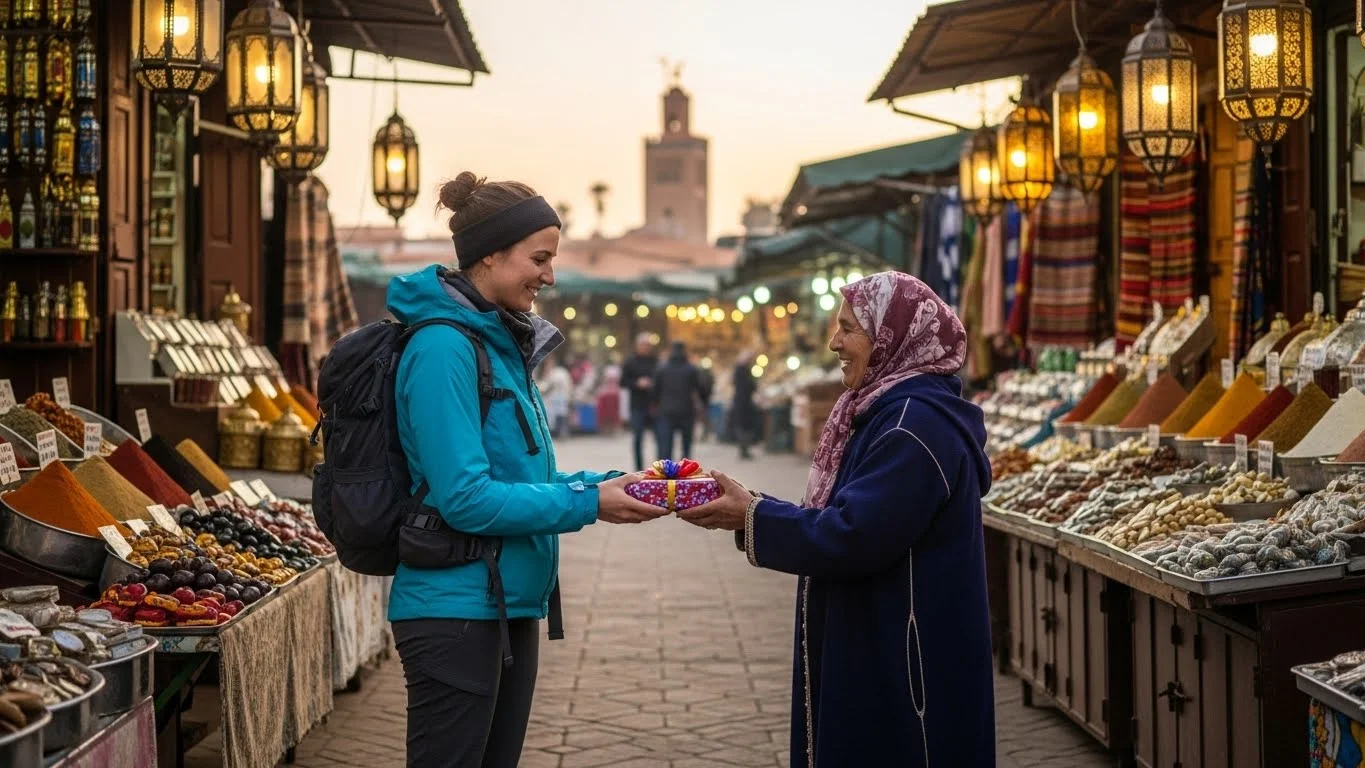
Understanding Gift Giving Etiquette Globally
Traveling opens up a world of experiences, but it also immerses us in diverse cultures, each with its own unique customs, especially when it comes to gift giving. I remember my first trip abroad, feeling excited but also nervous about navigating these cultural nuances. Understanding gift giving etiquette globally is essential not only for making a good impression but also for showing respect to the people we meet.
Why Gift Giving is Important in Different Cultures
In many cultures, gift giving is more than just a friendly gesture; it carries significant meaning. For instance, in Japan, gifts symbolize respect and gratitude, and it’s customary to bring a small present when visiting someone’s home. I learned this the hard way during my first visit to Tokyo. I brought a simple bottle of wine, thinking it would suffice. To my surprise, my hosts graciously accepted it, but I noticed gifts wrapped in beautiful paper and tied with intricate ribbons. This taught me that the presentation is just as important as the gift itself in many cultures.
In contrast, in parts of the Middle East, gift giving is often about establishing trust and building business relationships. A thoughtful gift can pave the way for future collaborations and friendships. Reflecting on my travels, I’ve come to appreciate that understanding the cultural importance of gifts can enhance our interactions and create lasting memories. Navigating Cultural Etiquette Solo: A Traveler’s Guide offers further exploration of these concepts.
The Role of Gifts in Building Relationships
Gifts often serve as a bridge between cultures, helping to foster relationships that might not have otherwise formed. I’ve witnessed this firsthand. During a visit to a small village in Italy, I brought homemade cookies from my hometown as a gift. The villagers were touched by the gesture, and it opened the door to conversations about our lives, traditions, and families. It felt incredible to see how something as simple as a cookie could create such a bond.
In many cultures, the act of giving a gift signifies the beginning of a relationship, be it personal or professional. I’ve learned that when we take the time to understand the significance behind gift giving in different cultures, we not only show respect but also enrich our travel experiences. Whether it’s a small token or a grand gesture, gifts can make a lasting impression and create connections that transcend language barriers.
General Gift Giving Guidelines
When to Give Gifts While Traveling
Timing is crucial when it comes to gift giving while traveling. I’ve found that understanding when to present a gift can vary widely by culture. For instance, in some countries, bringing a gift upon arrival is customary, while in others, it’s often reserved for special occasions or celebrations. During my travels in Spain, I discovered that gifts are typically given during festivals or family gatherings, which helped me avoid any awkward moments.
Also, consider the context of your visit. If you’re visiting someone’s home, it’s generally polite to bring a gift. However, if you’re attending a formal event or business meeting, it might be better to gauge the situation first. I remember attending a wedding in Greece where guests brought gifts for the couple, but they also had a tradition of providing favors for the guests. This dual aspect of gift giving was a delightful surprise!
Choosing the Right Gift for the Occasion
Selecting the perfect gift can be challenging, especially when you’re unfamiliar with local customs. I’ve made the mistake of choosing something that I thought was meaningful, only to realize it didn’t hold the same value in the recipient’s culture. I recommend doing a bit of research before your trip. For example, in some Asian cultures, items like clocks may symbolize mortality and should be avoided as gifts.
When I traveled to South America, I discovered that handmade items from local artisans are often appreciated more than generic souvenirs. I found a beautiful handwoven scarf, and the joy on the recipient’s face when I presented it was priceless. It reinforced my belief that thoughtful gifts, even if they are simple, can make a significant impact.
Presentation Matters: Wrapping and Presentation Styles
The way a gift is presented can be just as important as the gift itself. I learned this lesson during my travels in Japan, where the wrapping is an art form in itself. Gifts are typically wrapped beautifully, and I noticed that the act of unwrapping is done with care and respect. This attention to detail made me rethink my usual gift-wrapping style back home.
In many cultures, it’s customary to avoid wrapping gifts in red or white paper, as these colors can have negative connotations. Instead, I found that using bright, cheerful colors or traditional patterns can enhance the joy of giving. Whether it’s a simple bow or an intricately folded paper, the effort put into presentation can convey thoughtfulness and sincerity, making the gift even more special.
Country-Specific Gift Giving Etiquette
Gift Giving in Japan
Japan is such a fascinating place when it comes to gift giving. I remember my first experience there; I was invited to a colleague’s home, and I wanted to make a good impression. I learned that in Japan, the way you give and receive gifts is just as important as the gift itself. Presenting a gift with both hands shows respect, and it’s customary to politely refuse a gift a couple of times before accepting it. This was quite the dance for me! It felt a bit awkward at first, but it also added a layer of warmth to the exchange. I made sure to wrap my gift in a beautiful furoshiki cloth, which is not only practical but also a traditional Japanese wrapping cloth. My host seemed genuinely touched, and I felt that I had honored their culture.
Gift Giving in France
In France, gift giving has its own charm and etiquette. I remember my visit to Paris, where I was invited to a dinner party. I learned that it’s common to bring a gift for the host, such as a nice bottle of wine or some flowers. However, I quickly discovered that one should avoid gifting chrysanthemums, as they are reserved for funerals. I felt relieved to have done a bit of research beforehand! The presentation also matters; it’s nice to present your gift in a well-wrapped manner, reflecting thoughtfulness. When I handed my host a beautifully packaged bottle of wine, the smile on their face was priceless, and it felt like I was part of their lovely evening.
Gift Giving in India
India is a country bursting with traditions, and gift giving is an essential aspect of its culture. During my travels, I participated in a wedding celebration and learned just how significant gifts are in such contexts. I was advised to choose gifts that reflect both thoughtfulness and respect. For instance, sweets are a popular choice, particularly during festivals and celebrations. I brought a box of traditional Indian sweets when invited for dinner at a friend’s home. The joy on their face was heartwarming! I also learned that presenting gifts with the right hand, or both hands, is a sign of respect, while the left hand is considered unclean. I made sure to always adhere to this practice, and it helped me connect more deeply with my hosts.
Gift Giving in Brazil
Brazilian culture is known for its warmth and friendliness, and gift giving plays an important role in social interactions. I remember enjoying a vibrant birthday celebration in Rio de Janeiro, where I noticed that guests brought gifts not just for the host but also for the birthday child. The gifts ranged from toys to books, showcasing the thoughtfulness of each guest. I learned it’s best to avoid gifting items in sets of 13, as it’s considered unlucky. Instead, I opted for a colorful soccer ball that reflected the local passion for football. The excitement on the child’s face when I handed it over was a moment I will never forget!
Gift Giving in China
China’s gift giving customs are rich with symbolism. I’ve found that it’s essential to approach gift giving with an understanding of cultural meanings. When I traveled to Beijing, I learned that certain gifts, like clocks or umbrellas, can symbolize bad luck, so I made sure to avoid those options. Instead, I chose tea—something that’s cherished in Chinese culture. Presentation is key here too; gifts should be wrapped in bright colors, avoiding white and black as they are associated with funerals. When I presented the beautifully wrapped tea set to my hosts, their delight was evident. It not only honored their traditions but also opened the door for deeper conversations about their culture and lifestyle.
Common Mistakes to Avoid
Gifts That May Be Considered Offensive
While it’s easy to get excited about giving gifts, it’s crucial to be aware of what might be considered offensive in different cultures. I’ve had my share of awkward moments, and I’ve learned the hard way that some items carry negative connotations. For instance, in Germany, giving red roses could be seen as a romantic gesture, which may not be appropriate in a platonic context. I remember bringing a lovely bouquet of mixed flowers to a friend’s housewarming party, only to find out later that the arrangement included a few red roses! Thankfully, my friend understood my intentions, but it was a valuable lesson for me.
Additionally, in many Asian cultures, gifting certain items like scissors or knives can symbolize the severing of relationships. I once thought a beautifully crafted knife would be a unique present for a friend in Taiwan, but after doing some research, I realized it could be misinterpreted. Instead, I opted for a lovely decorative item that reflected local artistry, and the appreciation was evident. Being mindful of what gifts to avoid can save us from unintentional faux pas and show our respect for cultural sensitivities.
Ignoring Cultural Norms and Traditions
Every culture has its own set of norms and traditions surrounding gift giving, and ignoring these can lead to misunderstandings. When I traveled to Egypt, I was excited to bring a gift to my hosts, but I didn’t take the time to understand how gifts should be presented. I handed over a gift without any special wrapping, which I later learned is seen as a lack of effort or consideration in Egyptian culture. The follow-up conversation revealed that my hosts greatly appreciated the gesture but would have been even more pleased with a beautifully wrapped gift.
I also noticed that in some cultures, it’s expected that gifts should be opened in front of the giver to express gratitude. During a visit to Turkey, I made the mistake of suggesting that my host open the gift later. The look on their face signaled that I had missed an important social cue. Now, I always take the time to learn about the traditions and norms of the place I’m visiting, as this shows genuine interest and respect for the local culture. Essential Cultural Etiquette Tips for Solo Travelers can further assist in avoiding such pitfalls.
Inappropriate Timing for Gift Giving
Timing can be everything when it comes to gift giving. I recall attending a festival in India where it was customary to bring gifts, but I arrived with mine a week early. While my gesture was appreciated, it felt out of place with the festivities. In many cultures, the timing of a gift can enhance its significance, so I always make sure to align my gift giving with local customs. During my travels in Italy, I learned that gifts are often exchanged during specific holidays or family gatherings, and being aware of this helped me avoid any missteps.
Moreover, in some countries, such as Finland or Sweden, gifts given during casual visits may not be expected, and presenting one outside of a special occasion can lead to embarrassment. I’ve also noticed that in business contexts, the timing of gifts can be particularly sensitive. When I worked on a project in Singapore, I discovered that bringing gifts to initial meetings was frowned upon. Understanding these nuances has helped me navigate social situations with ease and confidence.
Practical Tips for Travelers
How to Pack Gifts for Travel
Packing gifts for travel can be a bit of a puzzle, but I’ve picked up some handy tricks along the way. I always look for lightweight, non-fragile items that can withstand the rigors of travel. For instance, I often opt for items that can be easily wrapped or don’t require elaborate packaging. One of my favorite experiences was bringing locally made soaps from my hometown as gifts. They were small, lightweight, and could easily fit into my suitcase without any fuss.
When it comes to wrapping, I recommend using materials that won’t break or crush easily. I came across these adorable fabric gift bags that not only looked charming but also provided extra protection for my presents. Additionally, I always ensure that my gifts comply with airline regulations and customs rules to avoid any surprises at the airport. Being prepared and thoughtful about packing can make the entire experience smoother and more enjoyable.
Where to Buy Gifts While Abroad
Finding the perfect gift while traveling can be an adventure in itself! I love exploring local markets and artisan shops to discover unique treasures that represent the culture of the place I’m visiting. On a trip to Marrakech, I stumbled upon a vibrant souk filled with handcrafted items. I ended up buying beautiful ceramics that not only captured the essence of Moroccan craftsmanship but also made for perfect gifts. I always try to support local artisans, as it feels good to contribute to the economy while also bringing home a piece of the culture.
Another tip is to ask locals for recommendations on where to shop. I’ve found that locals often know the best places for authentic gifts that you won’t find in tourist shops. Whether it’s a quirky trinket or something more substantial, taking the time to seek out local stores can lead to delightful discoveries.
Understanding Shipping and Customs Regulations
Shipping gifts internationally can be a gamble, and it’s essential to understand the customs regulations of both your home country and the country you’re sending gifts to. I’ve learned this lesson the hard way when I attempted to send a lovely handmade blanket back from Peru. I didn’t check the regulations and ended up facing hefty customs fees. Now, I always take a few minutes to research what items are allowed and how much they might cost to ship. This way, I avoid any unpleasant surprises and ensure my gifts make it safely to their destination.
Additionally, if you’re purchasing gifts abroad, I recommend keeping receipts to avoid issues at customs. I also make sure to declare any items that may have value, as this can save time and hassle. Understanding these regulations can help you navigate the gifting process more smoothly, allowing you to focus on the joy of giving.
Frequently Asked Questions
What is the importance of understanding gift giving etiquette while traveling?
Understanding gift giving etiquette globally is essential for making a good impression and showing respect to the people we meet. It allows travelers to connect with locals on a deeper level and enhances their overall travel experience.
How does gift giving vary across different cultures?
Gift giving varies significantly across cultures. In Japan, gifts symbolize respect and gratitude, while in the Middle East, they establish trust and business relationships. Each culture has unique customs regarding the significance and presentation of gifts.
When is it appropriate to give gifts while traveling?
Timing is crucial when giving gifts. In some cultures, gifts are expected upon arrival, while in others, they are reserved for special occasions. It’s important to understand the context of your visit to determine the right moment to present a gift.
What should I consider when choosing a gift for someone in a different culture?
It’s important to research local customs and values to choose an appropriate gift. Some items may carry negative connotations, so understanding cultural significance can help avoid unintentional faux pas.
Why is the presentation of a gift important?
The way a gift is presented can be just as important as the gift itself. In many cultures, the wrapping and presentation reflect thoughtfulness and respect, enhancing the joy of giving.
What are some common mistakes to avoid in gift giving?
Common mistakes include giving gifts that may be considered offensive, ignoring cultural norms, and inappropriate timing. Being aware of these factors can prevent misunderstandings and show respect for the recipient’s culture.
How can I pack gifts for travel effectively?
Packing gifts for travel requires choosing lightweight, non-fragile items and using durable wrapping materials. It’s also important to ensure that the gifts comply with airline regulations and customs rules.
Where is the best place to buy gifts while traveling?
Local markets and artisan shops are great places to find unique gifts that represent the culture of the destination. Asking locals for recommendations can also lead to discovering authentic treasures.
What should I know about shipping gifts internationally?
Understanding customs regulations of both your home country and the destination is essential when shipping gifts internationally. Researching allowed items and keeping receipts can help avoid issues at customs.
What is a thoughtful gift to give in Japan?
In Japan, it is customary to present gifts with both hands and to wrap them beautifully. Gifts that reflect respect, such as traditional items or beautifully packaged goods, are appreciated.