
Traveling the world is an exciting adventure, but it comes with its own set of challenges—especially when it comes to dressing appropriately. Understanding global dress codes can truly enhance our travel experiences. For more insights, check out Dress Codes Around the World: A Backpacker’s Guide.
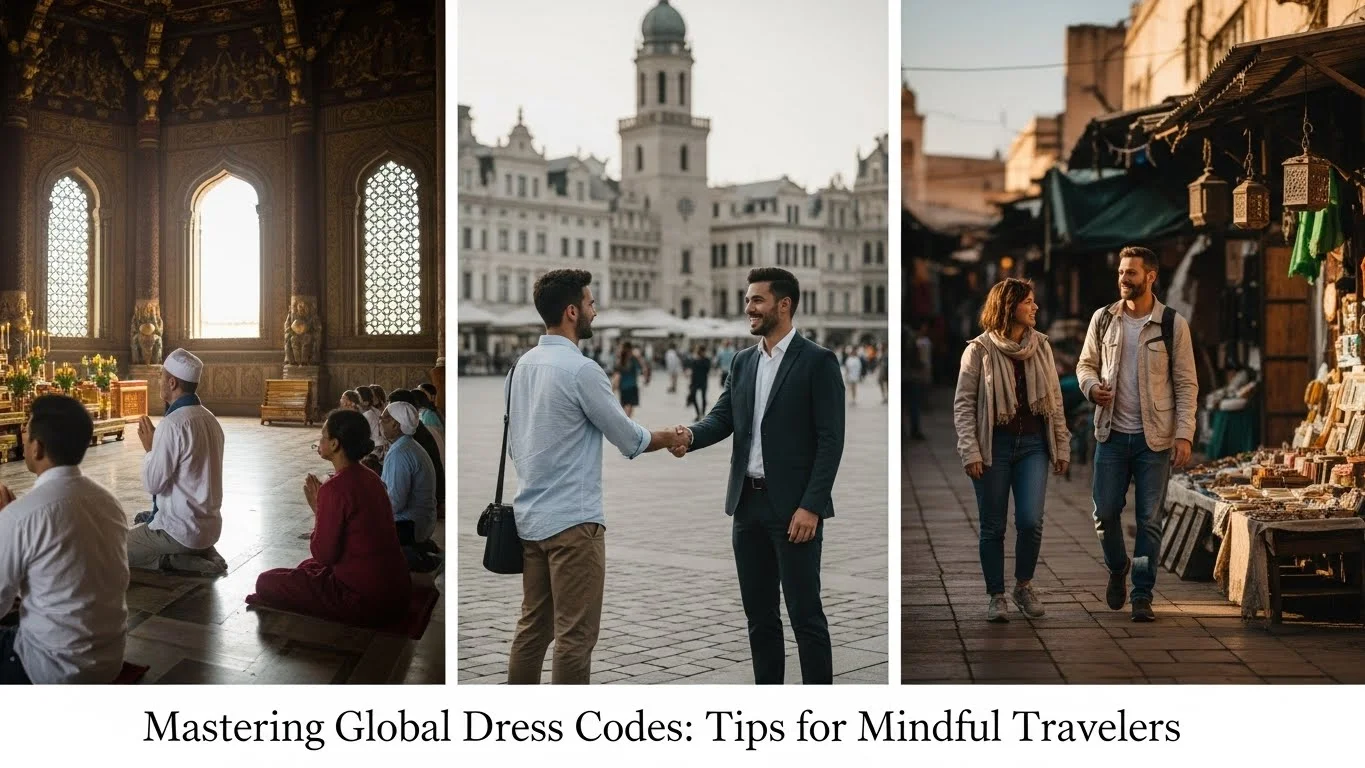
Understanding Global Dress Codes
What is a Dress Code?
I remember my first trip abroad, and I was overwhelmed by the variety of clothing styles I encountered. A dress code refers to the set of rules or guidelines that dictate what is acceptable to wear in different settings, be it a workplace, a social event, or a religious site. These codes can vary widely between cultures and locations, affecting how we present ourselves in various environments. For instance, while shorts and flip-flops might be perfectly fine at a beach in Thailand, they could be frowned upon during a dinner in Paris. It’s fascinating how much can be communicated through clothing, and I’ve learned that it’s essential to respect these conventions when traveling.
Importance of Dress Codes in Different Cultures
From my experience, understanding the importance of dress codes in different cultures can make or break a travel experience. In many places, clothing reflects respect for tradition and local customs. When I traveled to Japan, I was genuinely impressed by how locals dressed modestly, especially when visiting temples. It made me realize that my choice of attire could either show respect or disregard for their culture. I think it’s important to view dress codes as an opportunity to connect with a place and its people rather than just a set of rules to follow. This understanding helps us create a bridge of respect and appreciation, enhancing our interactions and experiences. To deepen your understanding, consider reading about Immerse Yourself in Global Traditional Dance Experiences.
Common Dress Codes Around the World
Casual Attire
Casual attire is perhaps the most relaxed dress code around the globe. I’ve found that this typically involves comfortable clothing like jeans, t-shirts, and sneakers. However, “casual” can differ significantly depending on where you are. In the U.S., people generally embrace a laid-back approach, while in some parts of Europe, casual might still lean towards a more polished look. I recall walking through Barcelona and noticing that even casual wear seemed to have a chic flair. It’s a reminder that casual doesn’t always mean sloppy; it can still reflect a sense of style.
Business Casual
Business casual is one of those dress codes that can leave travelers scratching their heads. I remember attending a business meeting in London and realizing I had misjudged the dress code. Business casual usually means a step down from formal business attire. Think slacks and a dress shirt without a tie, or a smart dress without heels. However, in countries like Australia, this can be even more relaxed, allowing for more vibrant colors and comfortable fabrics. The key is to research beforehand. I’ve learned that paying attention to local business culture can make a significant difference in how I am perceived.
Formal Wear
When it comes to formal wear, I’ve had my fair share of packing woes! In some cultures, formal means a full suit and tie or a cocktail dress, while in others, it might lean towards traditional garments. For instance, attending a wedding in Mexico, I discovered that wearing something colorful and festive was not just encouraged but expected. It’s crucial to be aware of what formal means in the context of the event. I now try to consult locals or do a bit of research to ensure I don’t stand out for the wrong reasons.
Traditional and Cultural Dress
Experiencing traditional and cultural dress is one of the most rewarding parts of traveling. I remember wearing a sarong in Bali during a temple visit, which not only made me feel part of the culture but also showed my respect for the local customs. Traditional dress often carries deep meaning, reflecting the history and values of a community. I believe that embracing these styles, even temporarily, can create a beautiful connection with the place we are visiting and its people. It’s a great way to learn about and honor the heritage of others.
Religious Attire
Religious attire is something I’ve encountered in nearly every country I’ve visited. Whether it’s modest clothing when visiting a mosque or removing shoes before entering a temple, respecting religious dress codes is crucial. I remember feeling slightly nervous when I was asked to cover my shoulders and knees in a church in Athens. However, once I donned a shawl, I felt more at ease, knowing I was honoring the sacred space I was entering. It’s a reminder that dress codes in religious contexts are often about showing reverence, and adapting can help us navigate these spaces respectfully.
Region-Specific Dress Codes
Dress Codes in Europe
Europe is a melting pot of cultures, and with that diversity comes a rich tapestry of dress codes. I’ve often found that understanding these codes can make my travels much more enjoyable. It’s not just about fitting in; it’s about respecting the local customs and traditions that shape a community.
Italy
Italy is renowned for its fashion, so dressing well is essential when visiting. I remember wandering through the streets of Florence and feeling slightly underdressed in my casual attire. Italians have a knack for looking effortlessly chic, even in everyday situations. I learned that darker colors, tailored pieces, and stylish accessories are popular, especially in cities like Milan. I recommend leaving the athletic wear at home unless you’re heading to the gym. Instead, opt for well-fitted clothing that reflects an appreciation for style—a nice pair of shoes can make all the difference!
France
France is another country where fashion takes center stage, especially in Paris. I noticed that Parisians often favor a minimalist aesthetic. During my visit, I saw many people donning classic outfits, such as black trousers and white blouses, paired with a scarf. I quickly learned that accessories are key to elevating a simple look. I also felt that the French take pride in their appearance, so I made an effort to dress well, even when exploring the city’s quaint streets. It’s a great reminder that in France, the way we dress can convey not just personal style but also respect for the culture.
Dress Codes in Asia
Asia is incredibly diverse, and dress codes can vary immensely from one country to another. I’ve found that being mindful of local customs can greatly enhance my travel experience and interactions.
Japan
While previously touched upon, I must emphasize how formal situations in Japan often require specific attire. In business settings, wearing a suit is the norm, while social gatherings might allow for more casual styles. I also discovered that when visiting shrines or temples, wearing subdued colors and covering shoulders is expected. I remember being complimented for my respectful approach, which encouraged me to learn more about their customs.
India
India’s diverse cultures also reflect a wide range of dress codes. I recall visiting a temple in Tamil Nadu, where I was advised to wear traditional attire. I ended up wearing a kurta, which not only made me feel more connected to the local culture but also received warm smiles from the locals. In urban areas, you’ll see a mix of Western clothing and traditional garments. When I traveled through Mumbai, I noticed how many people opted for colorful and vibrant clothing, especially during festivals. This experience taught me the beauty of embracing colorful attire and how it can reflect the spirit of a nation.
Dress Codes in the Middle East
The Middle East presents its own unique set of dress codes that are often influenced by religious beliefs and cultural traditions.
Saudi Arabia
In Saudi Arabia, modesty is key. I remember feeling a bit out of my comfort zone when I first arrived, as women are required to wear an abaya in public spaces. I opted for a lightweight, stylish abaya that allowed me to feel comfortable while respecting local customs. Men typically wear a thobe, which is a long, flowing garment. I learned that respecting these dress codes is essential for both men and women, and I found it rewarding to adapt to their customs.
United Arab Emirates
In the UAE, especially in Dubai, the dress code is slightly more relaxed, reflecting its cosmopolitan atmosphere. However, I noticed that modesty is still respected, particularly in public spaces and religious sites. I found it helpful to keep my shoulders and knees covered when visiting mosques. I also remember enjoying the vibrant markets and beaches, where casual attire was acceptable. This balance of modern and traditional clothing made my experience rich and enjoyable.
Dress Codes in Africa
Africa is a continent with countless cultures, each with its own dress customs. In my travels, I found that local attire often plays a vital role in cultural identity.
South Africa
In South Africa, the dress code can vary widely depending on the region. I found that in urban areas like Cape Town, a casual yet stylish look is common. However, when I visited rural areas, I noticed many people wore traditional garments that represented their heritage. I experienced this firsthand during a cultural festival, where traditional dress was celebrated. It reminded me how clothing can tell a story, and participating in that celebration was a beautiful way to connect with the local culture.
Kenya
In Kenya, I had the opportunity to wear a shuka, a traditional garment worn by the Maasai people. It was not only a unique experience but also a way to show respect and appreciation for their culture. I learned that in many communities, wearing traditional clothing during gatherings or ceremonies is a sign of respect and pride.
Tips for Mindful Travelers
Researching Local Dress Codes
One of the most valuable lessons I’ve learned as a traveler is the importance of researching local dress codes before I arrive at my destination. It’s amazing how a little prep can go a long way in ensuring a smooth experience. I remember planning my trip to Morocco and spending time online, reading blogs and travel forums about what to wear. I discovered that while tourists often opt for more relaxed clothing, locals usually dress modestly. This motivated me to choose outfits that respected their customs, like loose-fitting pants and long-sleeved tops. By doing my homework, I felt more confident and connected to the culture, and it certainly made my interactions with locals warmer and more genuine. For further guidance, check out Top Tips for Engaging in Community-Based Tourism Responsibly.
Pack Versatile Clothing
When it comes to packing, I’ve found that versatility is key. I like to choose pieces that can be mixed and matched for various occasions. For example, a simple black dress can be dressed up with heels for a night out or dressed down with sandals for a casual day exploring. I also recommend bringing layers, as climates can vary widely even within the same country. I learned this while traveling through Southeast Asia, where it could be hot during the day and chilly at night. By packing versatile clothing, I not only saved space in my suitcase but also ensured that I was prepared for different settings and activities.
Understanding Fabric Choices
Fabric choice is another essential aspect of dressing appropriately while traveling. I’ve discovered that some materials are better suited for specific climates or situations. For instance, when I visited India, I quickly learned that lightweight cotton was the best option for the hot and humid weather. It kept me cool while allowing my skin to breathe. Conversely, during my time in the cooler regions of Europe, I found that layers made of wool and cashmere offered both warmth and style. Understanding which fabrics work best in different environments can enhance comfort and help us fit in seamlessly with the locals.
Accessorizing Appropriately
Accessories can make or break an outfit, and I’ve really come to appreciate their role in traveling. I’ve found that simple, thoughtful accessories can elevate my look while respecting local customs. For example, while visiting a temple in Thailand, I wore a colorful scarf that not only complemented my outfit but also served as a wrap for modesty when entering sacred spaces. I also like to choose accessories that reflect the local culture, like handmade jewelry from artisans. This way, I not only enhance my outfit but also support local businesses. I believe that accessorizing appropriately shows an appreciation for the culture and makes my travel experience even more meaningful.
Dress Code Etiquette
What to Wear for Different Occasions
Knowing what to wear for various occasions can sometimes be tricky, but I’ve learned a few tips along the way. For formal events, I always make sure to opt for clothing that is not only appropriate but also reflects the local culture. For instance, while attending a wedding in Ghana, I wore a colorful kente cloth dress, which was a beautiful way to honor the local traditions. On the other hand, casual outings can vary widely; I’ve found that in many cities, a smart-casual look is often appreciated. When in doubt, I recommend asking locals or checking online for guidance, as it shows respect and thoughtfulness.
How to Handle Dress Code Violations
Encountering a dress code violation can be uncomfortable, but I’ve learned that handling it gracefully is key. There was a time in Italy when I wasn’t properly dressed to enter a historic church. Instead of feeling embarrassed, I took a moment to apologize and quickly found a nearby shop to buy a scarf to cover my shoulders. In situations like these, I believe it’s important to remain calm and respectful. A small gesture of trying to adhere to the local customs goes a long way in creating a positive experience. I’ve found that being adaptable and willing to learn can turn what could be an awkward moment into a valuable lesson.
Adapting to Changing Dress Codes
Influence of Globalization on Local Dress
Globalization has significantly influenced dress codes around the world, and I’ve noticed how traditional attire is often blended with modern styles. For instance, when I visited Nigeria, many young people wore a mix of traditional outfits with contemporary accessories. This fusion really caught my eye; it showcased how cultures can evolve while still respecting their roots. I think it’s important for travelers to be aware of these shifts, as they highlight the dynamic nature of cultural expression. By embracing this evolution, we can appreciate the beauty of diverse styles and recognize the stories they tell.
Balancing Personal Style with Cultural Sensitivity
Finding a balance between personal style and cultural sensitivity can be a challenge, but I’ve learned that it’s possible to express ourselves while respecting local customs. There have been times when I felt compelled to wear something that felt more like “me,” but I always strive to ensure it’s appropriate for the setting. For example, while I love my bohemian maxi dresses, I’ve learned to choose simpler patterns or neutral colors when visiting more conservative areas. I believe that it’s all about adapting our style without losing our identity, and this balance can lead to meaningful connections with the cultures we encounter.
Resources for Travelers
Websites and Apps for Dress Code Guidelines
In today’s digital age, there are countless resources available to help us understand dress codes around the world. I often turn to travel blogs and websites dedicated to cultural etiquette. Apps like Culture Trip and Dress Code are particularly helpful, providing specific guidelines for what to wear in different countries and settings. I recommend checking out these resources before and during your travels, as they can offer valuable insights that enhance our experiences and interactions with locals.
Local Customs Offices and Tourist Information Centers
Another great way to learn about local dress codes is by visiting customs offices or tourist information centers when I arrive at my destination. I’ve found that the staff are often friendly and eager to share tips about the local culture and dress expectations. They can provide insights that aren’t readily available online, helping me navigate potential dress code challenges. By reaching out to locals, I feel more connected to the culture, and it often leads to delightful conversations and recommendations for my stay.
Frequently Asked Questions
What is a dress code?
A dress code refers to the set of rules or guidelines that dictate what is acceptable to wear in different settings, such as workplaces, social events, or religious sites. These codes can vary widely between cultures and locations.
Why is understanding dress codes important while traveling?
Understanding dress codes in different cultures can enhance travel experiences by showing respect for local customs and traditions. Dressing appropriately can help create a bridge of respect and appreciation between travelers and locals.
What are common types of dress codes around the world?
Common dress codes include casual attire, business casual, formal wear, traditional and cultural dress, and religious attire. Each type has its own expectations depending on the region and culture.
How should one dress in Italy?
In Italy, particularly in cities like Milan and Florence, it is essential to dress well. Italians favor darker colors, tailored pieces, and stylish accessories, so it’s recommended to avoid athletic wear unless going to the gym.
What dress code should I follow when visiting a mosque?
When visiting a mosque, it is important to dress modestly. This often includes covering shoulders and knees, and in some cases, removing shoes before entering. Adapting to these dress codes shows respect for the religious space.
How can travelers research local dress codes before their trip?
Travelers can research local dress codes by reading blogs, travel forums, and online resources dedicated to cultural etiquette. This preparation can help ensure a smooth experience and enhance interactions with locals.
What are some tips for packing versatile clothing for travel?
When packing, choose versatile pieces that can be mixed and matched for different occasions. Layers are also important to accommodate varying climates, allowing travelers to adapt to different settings and activities.
How can accessories enhance travel attire?
Accessories can elevate an outfit while respecting local customs. Thoughtful accessories, such as scarves or handmade jewelry, not only enhance appearance but also reflect appreciation for the local culture.
What should I do if I encounter a dress code violation while traveling?
If faced with a dress code violation, it is important to remain calm and respectful. Acknowledge the mistake and take steps to correct it, such as purchasing appropriate clothing. This attitude can turn an awkward situation into a learning experience.
What resources can travelers use to understand dress codes?
Travelers can use websites, apps like Culture Trip and Dress Code, and local customs offices or tourist information centers to learn about dress codes. These resources provide valuable insights that enhance travel experiences.