
Capturing the breathtaking beauty of mountain landscapes doesn’t have to drain your wallet. With a little creativity and strategic planning, you can master this art on a budget. If you’re looking for inspiration, check out Top Budget-Friendly Destinations for Mountain Photography.
Understanding Landscape Photography
What is Landscape Photography?
Landscape photography is more than just snapping pictures of pretty views. It’s a way to connect with nature and share its beauty with others. I remember my first attempts at landscape photography; I was captivated by the vastness of the mountains and the way the light danced over them. It’s about capturing the essence of a place, the mood of the moment, and often, it’s about storytelling. A great landscape photo can evoke emotions and transport viewers to that specific location, making them feel as if they were there alongside you.
Different Types of Landscape Photography
When it comes to landscape photography, there are several styles to explore. I found that each type offers unique challenges and rewards:
- Classic Landscapes: These are broad vistas that showcase a wide view of the mountains, valleys, or seascapes.
- Close-Up Landscapes: This style involves focusing on specific features like rocks, trees, or flowers. I often find that these intimate shots reveal details that larger landscapes might overlook.
- Abstract Landscapes: Here, the focus is on shapes, colors, and textures rather than recognizable scenes. This approach can lead to some striking, artistic images.
- Adventure Landscapes: Capturing landscapes while engaging in outdoor activities like hiking or climbing adds a dynamic element to your photography.
Exploring these different types helped me discover what resonates with me most, and I encourage you to experiment with each to find your style.
The Importance of Composition
Composition is the backbone of any great photograph. I learned early on that arranging elements within the frame can drastically change the impact of an image. Using techniques like the rule of thirds, leading lines, and framing can elevate a simple landscape into something extraordinary. For example, when I started using the rule of thirds, I noticed how placing the horizon line in the upper third of the frame added depth and interest to my photos. I often take time to scout my locations, looking for natural lines in the landscape, such as rivers or paths, that can draw the viewer’s eye into the scene.
Another tip I picked up is to include foreground elements. Adding something in the foreground can create depth in your images, making the viewer feel more immersed in the scene. I once shot a photo of a mountain range with wildflowers in the foreground, and the depth it added made the shot feel much more alive and engaging.
Choosing the Right Gear on a Budget
Essential Camera Equipment for Landscape Photography
When I first got into landscape photography, I thought I needed the most expensive equipment to get good shots. But I quickly realized that it’s more about understanding how to use what you have. A decent DSLR or mirrorless camera can do wonders, even if it isn’t the latest model. I often recommend starting with a camera that allows you to manually adjust settings. This way, you can play around with exposure, aperture, and ISO to achieve the desired effect.
If you’re really on a tight budget, you might also consider using an older model or even a second-hand camera. I’ve found that many photographers sell their gear to upgrade, and you can often get a great deal on perfectly functional equipment. It’s amazing how much beauty can be captured with just the basics!
Affordable Lenses for Mountain Photography
When it comes to lenses, I’ve learned that a good zoom lens can be incredibly versatile. A 24-70mm lens is a fantastic option for landscape photography, allowing you to capture wide vistas as well as details up close. For budget-conscious photographers, looking for third-party lenses from brands like Tamron or Sigma can save a lot of money without compromising on quality. I’ve used these lenses, and they’ve performed beautifully in various conditions.
Tripods and Accessories: Budget-Friendly Options
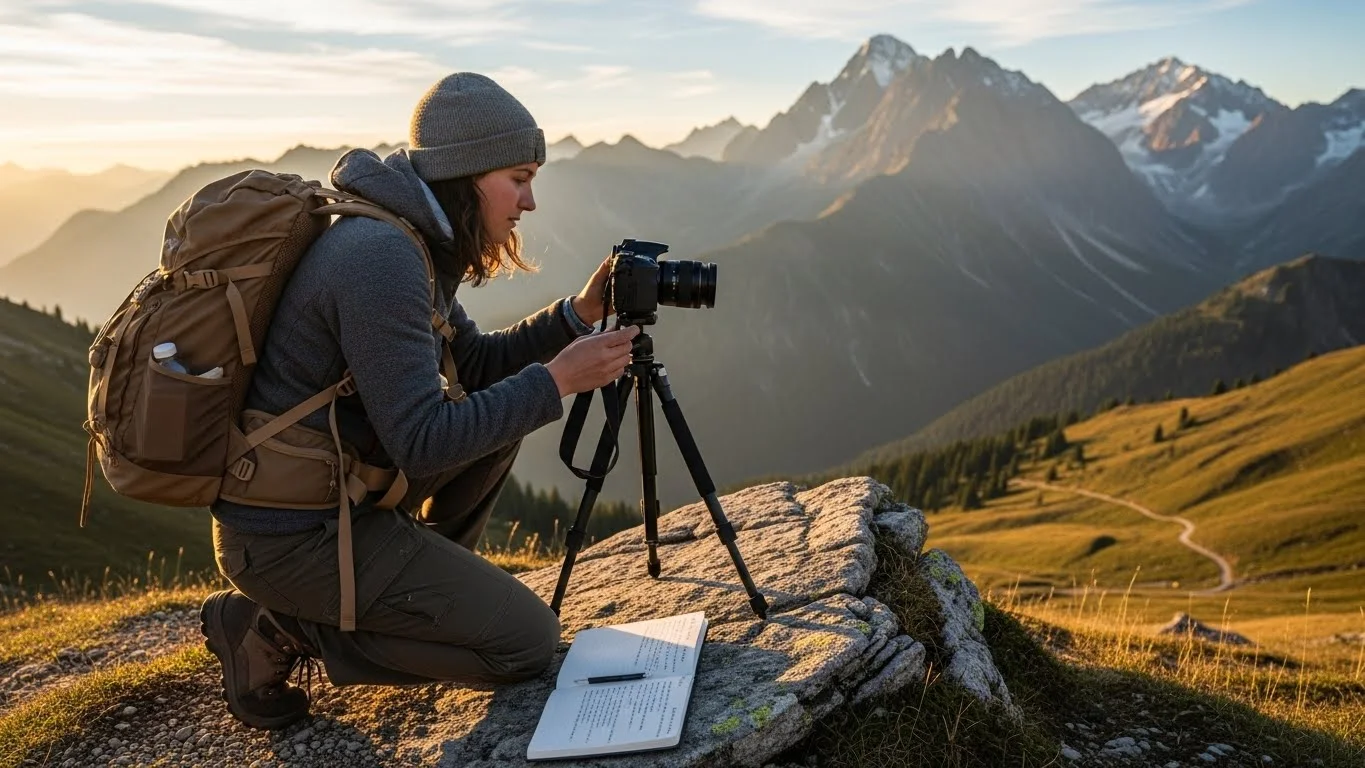
A sturdy tripod is a must-have for landscape photography, especially in the mountains where stability is key for long exposure shots. I remember investing in a budget tripod that I thought would be flimsy, but it surprisingly held up well against the wind. Look for tripods that are lightweight yet durable, as you’ll want something easy to carry on hikes. Additionally, consider getting a remote shutter release to minimize camera shake—this addition can make a significant difference in clarity.
Smartphone Photography: Capturing Stunning Landscapes
Don’t overlook your smartphone! I’ve captured some of my favorite landscape shots with my phone, especially when I didn’t want to lug around my camera gear. Modern smartphones come equipped with impressive cameras and editing tools. I recommend using apps like Snapseed or Adobe Lightroom Mobile to enhance your images right from your phone. It’s a great way to experiment with composition and editing without spending a fortune. For more tips, check out Essential Tips for Budget Mountain Photography Adventures.
Mastering landscape photography in the mountains on a budget is entirely possible with the right approach and mindset. By understanding the basics of photography, choosing the right gear, and tapping into the power of creativity, we can all capture the stunning beauty of the great outdoors without breaking the bank.
Planning Your Mountain Photography Trip
Best Locations for Mountain Photography
When it comes to mountain photography, choosing the right location can make all the difference. I’ve traveled to various mountain ranges, and each has its unique charm. Some of my favorite spots include the Rocky Mountains in Colorado, where the jagged peaks create dramatic backdrops, and the Sierra Nevada in California, with its stunning alpine lakes. I remember hiking to the top of a ridge in the Tetons and being blown away by the panoramic views. Researching locations ahead of time is crucial; I often use websites like AllTrails to find popular trails that lead to breathtaking viewpoints.
National parks are also fantastic places for landscape photography. They often have well-marked trails and accessible viewpoints. For instance, Glacier National Park in Montana offers incredible scenery and diverse landscapes. I’ve found that the beauty of a location can also vary depending on the time of year, so it’s worth considering seasonal changes. Spring wildflowers, autumn foliage, or winter snows can dramatically alter the mood of your photographs. Additionally, check out Capture Stunning Mountain Landscapes on a Budget for more insights.
Researching Weather Conditions and Time of Day
Weather can make or break a photography trip. I always check the forecast before heading out, as the right conditions can dramatically enhance my shots. For example, I’ve experienced fog rolling in over mountains, which created an ethereal atmosphere in my photos. I make it a habit to plan my outings during the golden hours—early morning or late afternoon—when the light is soft and warm. This golden hue can bring landscapes to life in ways that harsh midday sun simply cannot.
Additionally, I often consider how weather patterns might affect lighting. For example, a stormy sky can add drama to a landscape, while clear skies can bring out vibrant colors. Apps like Weather Underground and The Weather Channel can help me stay updated on real-time conditions, ensuring I’m in the right place at the right time.
Permits and Regulations for Mountain Photography
Before embarking on a photography adventure, I’ve learned that it’s essential to research any permits or regulations that might be in place. Many national parks and protected lands require permits for commercial photography or drone usage. I remember my excitement turning to disappointment when I found out I couldn’t use my drone in a specific area because I hadn’t checked the regulations beforehand.
It’s always best to check the official website of the location you plan to visit. Some places may have specific guidelines to protect wildlife and natural resources. Understanding these rules not only helps us stay compliant but also shows respect for the environment we’re enjoying and photographing.
How to Create a Photography Itinerary
Creating a photography itinerary is something I find incredibly helpful. It allows me to map out the locations I want to visit and the times I want to shoot. I typically start by listing the spots I want to capture, then I plot them on a map. This helps me visualize the distances between locations and plan my travel times accordingly. I try to group nearby locations together to maximize my shooting time, especially since the best light doesn’t last long.
In my experience, flexibility is key. Weather and light can change quickly, and sometimes the best photos come from spontaneous decisions. I remember planning to shoot the sunrise at one location, but when I got there, I was captivated by the light hitting a nearby mountain instead. Having a general plan is great, but being willing to adapt can lead to even better images. I also make sure to leave time for breaks and meals—trust me, shooting in nature can be exhausting!
Once my itinerary is set, I make sure to pack accordingly, bringing along any gear I might need for specific locations. Keeping track of everything helps me stay organized and ensures I don’t miss any opportunities to capture the beauty around me.
Techniques for Capturing Stunning Mountain Landscapes
Understanding Light and Its Impact on Photography
Light is arguably the most important element in photography, and I’ve spent a lot of time learning how to use it to my advantage. The way light interacts with a landscape can completely change the mood of a photo. I remember hiking up a mountain at dawn, and as the sun began to rise, the landscape transformed before my eyes. The soft, golden light illuminated the peaks and valleys, creating a magical atmosphere. I’ve learned to pay attention to how the quality of light varies throughout the day. Early mornings and late afternoons offer the best chances for capturing dramatic shadows and vibrant colors.
One technique I often use is to look for backlighting, where the sun shines from behind the subject. This creates a soft glow that can add a beautiful halo effect around trees or mountain ridges. Additionally, I’ve experimented with different weather conditions—cloudy days can provide diffused light that brings out the richness in colors, while stormy skies can create a more intense and moody feel. I always recommend keeping an eye on the sky and adjusting your plans accordingly, as the best light can sometimes appear unexpectedly!
Using Leading Lines and Framing Techniques
Creating a strong composition is key to drawing viewers into your landscape photos. One technique I love is using leading lines. These are natural lines in the landscape, like rivers, trails, or fence lines, that guide the viewer’s eye toward the main subject. I once photographed a breathtaking mountain scene where a winding river led directly to the peaks in the background. It not only added depth but also created a sense of journey within the image.
Framing, on the other hand, involves using elements within the scene to create a ‘frame’ around your subject. This could be overhanging branches, rock formations, or even an archway. I find that framing can make the photograph feel more intimate and focused. I often look for opportunities to incorporate these techniques when I’m out shooting. They help create a more engaging visual story and can elevate an image from good to great.
Long Exposure Photography in the Mountains
Long exposure photography is a technique that I’ve become quite fond of, especially in mountain landscapes. It allows me to capture the movement of clouds or the effect of flowing water in a way that adds a sense of tranquility to my images. To achieve this, I generally use a tripod to keep my camera steady and a neutral density (ND) filter to reduce the amount of light entering the lens, allowing for longer shutter speeds.
I remember one evening at a lake in the mountains, where I set my camera up to take a long exposure shot of the sunset reflecting off the water. As the sky turned vibrant shades of pink and orange, the stillness of the lake created a perfect mirror effect, and the long exposure smoothed out any ripples. It was a magical moment that I was thrilled to capture. Long exposures can really transform how we perceive motion in landscapes, making them a powerful tool in our photography arsenal.
Tips for Shooting in Different Weather Conditions
Mountain weather can be unpredictable, but I’ve learned to embrace it rather than shy away from it. Each weather condition offers unique opportunities for stunning photographs. On rainy days, for instance, I often find that clouds rolling over the mountains can create a dramatic backdrop. I’ve captured some of my favorite shots during light rain, with droplets on leaves adding an extra layer of interest to my images.
When shooting in foggy conditions, I find the ethereal quality it brings can be incredibly captivating. I remember a morning hike when the fog enveloped the mountains, creating a mystical scene that felt almost otherworldly. The key is to adjust your camera settings accordingly: I often increase the ISO to compensate for lower light levels and use a wide aperture to let in as much light as possible.
On sunny days, I make sure to be aware of harsh shadows and blown-out highlights. I’ve learned to seek out shaded areas or to shoot during the golden hour to avoid these issues. Additionally, I’ll often look for interesting foreground elements to include, as this can help balance out the bright sky. Adapting to various weather conditions not only challenges us as photographers but also can lead to some of the most memorable shots of our adventures.
Post-Processing on a Budget
Free and Affordable Photo Editing Software
Once I started capturing my mountain landscapes, I quickly realized the importance of post-processing. It’s like the icing on the cake! Thankfully, there are plenty of free and affordable editing software options available that can help enhance my photos without breaking the bank. For instance, I discovered GIMP, which is a powerful open-source program that rivals much more expensive software. I enjoy using it for detailed edits and adjustments.
Another fantastic option is Adobe Lightroom, which often offers a subscription model that can be more budget-friendly than buying standalone software. I find that the mobile version is particularly handy for editing on the go. Even apps like Snapseed, which is free on smartphones, provide a surprising amount of control and flexibility when editing images. These tools have helped me take my photography to the next level, proving that great editing doesn’t have to come with a hefty price tag.
Basic Editing Techniques for Landscape Photos
When I dive into editing, I like to start with the basics. Cropping is usually my first step; it helps me focus on the main elements of the photo and can dramatically improve composition. I often adjust the exposure to brighten or darken images based on the mood I want to convey. I’ve found that playing around with shadows and highlights can add depth, especially in mountainous scenes where contrast is key.
Another technique I use is adjusting the white balance. Sometimes, photos can appear too warm or cool based on the lighting conditions at the time of capture. By tweaking the white balance, I can bring out the true colors of the landscape. Additionally, I love applying clarity and vibrance to enhance details and make colors pop, creating a more striking final image. These simple adjustments can make a world of difference!
Enhancing Colors and Contrast in Your Images
Color is one of the most exciting aspects of landscape photography. I often take advantage of saturation and vibrance adjustments to make the hues in my photos leap off the screen. It’s amazing how a little enhancement can transform a dull image into something vivid and lively. I remember editing a photo of a sunrise over the mountains, where a slight boost in saturation made the oranges and pinks sing.
Contrast is another vital element. Increasing contrast can help separate the foreground from the background, adding depth and dimension to the scene. I often use the curves tool to fine-tune contrast, allowing me to create more dramatic effects. These enhancements not only help my images stand out but also capture the feelings I experienced while shooting. It’s like giving life back to the moments I witnessed.
Showcasing Your Work without Breaking the Bank
Creating a Photography Portfolio on a Budget
Once I built up a collection of landscape photos, I wanted to share my work with others. Creating a photography portfolio doesn’t need to be expensive. I recommend using free website builders like Wix or WordPress, which allow us to create visually appealing portfolios without any coding skills. I started with a simple layout that showcased my favorite images and included a brief bio. It’s a great way to share my passion and connect with others.
Social Media Platforms for Sharing Your Work
Social media has become a powerful tool for photographers, and I’ve found platforms like Instagram to be incredibly effective for showcasing my landscape photography. Sharing my images there has not only allowed me to reach a wider audience but also connect with fellow photographers. I enjoy using relevant hashtags to increase my reach, and I’ve even discovered photography communities that provide support and feedback on my work. It’s amazing how many opportunities can arise from simply sharing our passion online!
Participating in Photography Contests and Communities
Another way I showcase my work is by participating in photography contests. Many organizations and online platforms host competitions that can be entered for free or with a small fee. I’ve entered a few, and while I may not always win, the experience of sharing my work and receiving feedback is invaluable. Plus, it’s a great way to connect with the photography community and find inspiration in others’ work.
Learning and Improving Your Skills
Online Resources and Tutorials for Landscape Photography
The learning never stops in photography, and I’ve found countless online resources that have helped me improve. Websites like YouTube are treasure troves of tutorials on everything from basic camera settings to advanced editing techniques. I remember binge-watching videos on landscape photography tips and picking up a few tricks that I immediately tried on my next outing.
Joining Photography Clubs and Groups
Joining local photography clubs has been another rewarding experience for me. These groups often organize meet-ups and photo walks, providing opportunities to learn from more experienced photographers. I’ve made friends who share my passion for photography, and we often exchange tips and critiques. It’s a supportive environment that fosters growth and creativity.
Finding Affordable Workshops and Courses
If you’re looking for more structured learning, consider affordable workshops or online courses. I’ve participated in a few that were budget-friendly and packed with valuable information. Often, local photographers offer workshops that focus on specific techniques or locations, which can be a fantastic way to dive deeper into the craft while networking with fellow enthusiasts.
Budget Tips for Mountain Photography
Finding Affordable Travel Options
Traveling to stunning mountain locations doesn’t have to be a financial burden. I’ve learned to be resourceful when planning trips, often booking flights and accommodations during off-peak seasons to save money. Websites like Skyscanner and Google Flights have been helpful tools for finding the best deals. Additionally, I sometimes consider carpooling with fellow photographers to share travel costs, which turns out to be both economical and a chance to make new friends!
Camping vs. Lodging: Cost-Effective Accommodation
When it comes to accommodation, camping can be a great way to save money while immersing myself in nature. I’ve had some of my best photography experiences while camping near breathtaking mountain landscapes. National parks often have campgrounds that are affordable and conveniently located near popular trails. However, if camping isn’t an option, I look for budget-friendly lodges or hostels that provide a cozy place to rest after a long day of shooting.
Pack Smart: Essential Gear without Extra Weight
Packing smart is essential for mountain photography. I’ve learned to take only the gear I need to avoid carrying unnecessary weight on hikes. A lightweight camera bag helps me stay organized and makes it easier to reach my equipment quickly. I prioritize bringing versatile lenses, a sturdy tripod, and essential accessories like extra batteries and memory cards. This way, I’m prepared for any situation while keeping my load manageable.
Utilizing Local Resources and Knowledge
Finally, I always tap into local resources when planning my photography trips. Talking to locals can provide invaluable insights on hidden gems and the best times to shoot. I remember speaking with a ranger in a national park who pointed me to a secluded viewpoint that turned out to be one of my favorite spots. Connecting with local photographers can also lead to collaborations or opportunities to learn about the area’s unique features.
Final Thoughts
Photography in the mountains offers endless opportunities for creativity and connection with nature, and it doesn’t have to come with a hefty price tag. By approaching it with careful planning and creative strategies, we can capture stunning landscapes without breaking the bank. From understanding the intricacies of light and composition to utilizing budget-friendly gear and post-processing techniques, our photography journeys can be fulfilling and financially accessible. I’ve found that the experiences and memories made while capturing these beautiful landscapes are what truly matter, and I hope you find the same joy in your own photography adventures.
Frequently Asked Questions
What is landscape photography?
Landscape photography is an art form that involves capturing the beauty of nature, often focusing on the essence of a place and storytelling. It seeks to evoke emotions and transport viewers to specific locations.
What are the different types of landscape photography?
There are several styles of landscape photography, including classic landscapes, close-up landscapes, abstract landscapes, and adventure landscapes. Each style presents unique challenges and rewards, allowing photographers to explore various aspects of the landscape.
How can I improve my composition in landscape photography?
Improving composition involves techniques such as the rule of thirds, leading lines, and including foreground elements. These methods help create depth and interest in photographs, enhancing the overall impact of the image.
What essential camera equipment do I need for landscape photography on a budget?
A decent DSLR or mirrorless camera that allows manual settings is essential. Additionally, consider using older models or second-hand cameras, as well as a versatile zoom lens like a 24-70mm for diverse shots.
What tips are there for smartphone photography in landscapes?
Modern smartphones come equipped with impressive cameras and editing tools. Using apps like Snapseed or Adobe Lightroom Mobile can enhance images taken with your phone, allowing for creativity without the need for expensive gear.
What should I consider when planning a mountain photography trip?
When planning, research the best locations, weather conditions, and any necessary permits or regulations. Creating a photography itinerary can help maximize shooting time and ensure you capture your desired landscapes.
How can weather conditions affect landscape photography?
Weather can dramatically influence photography outcomes. Different conditions, like fog or clouds, can create unique atmospheres, while golden hours offer the best lighting for capturing vibrant landscapes.
What are some budget-friendly post-processing tools for landscape photography?
Free and affordable photo editing software options include GIMP and Adobe Lightroom. Apps like Snapseed also offer editing capabilities on smartphones, allowing photographers to enhance their images without high costs.
How can I showcase my photography work without spending much?
Creating a photography portfolio can be done using free website builders like Wix or WordPress. Additionally, using social media platforms like Instagram for sharing work and participating in photography contests can help gain visibility.
What budget tips are there for traveling to mountain photography locations?
Traveling on a budget can involve booking during off-peak seasons, considering camping for accommodation, and packing only essential gear to reduce weight. Utilizing local resources can also provide insights into cost-effective travel options.