
Traveling abroad can be a thrilling adventure, but navigating the unspoken rules of public behavior is crucial for a smooth journey. Mastering these norms helps us connect with locals and enhances our travel experience. For more insights, check out Navigating Cultural Norms: Solo Travel Etiquette Essentials.
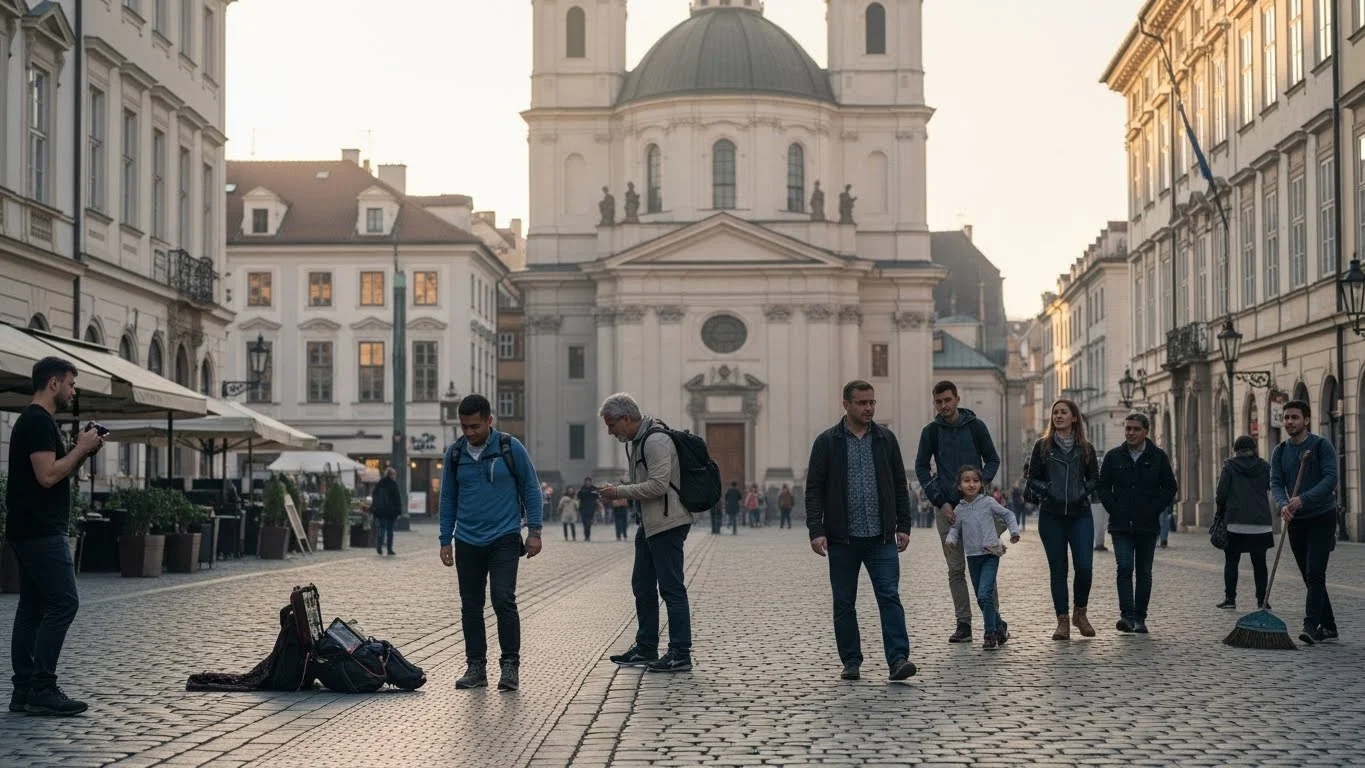
Understanding Cultural Norms and Public Behavior
What Are Public Behavior Norms?
Public behavior norms are the unwritten rules that dictate how we interact with others in various social settings. These norms can vary significantly from one culture to another, shaping everything from greetings to dining etiquette. For example, in some cultures, a firm handshake is a sign of confidence and respect, while in others, a light touch on the forearm may convey warmth and friendliness. I’ve learned that understanding these subtleties can make a remarkable difference in how we’re perceived and how we connect with people when we travel.
The Importance of Respecting Local Customs
Respecting local customs isn’t just about being polite; it’s about honoring the culture we’re visiting. When I traveled to Japan, I quickly realized how important bowing was as a form of greeting. At first, I felt awkward, but I made an effort to bow slightly to show my respect. The smiles I received in return were heartwarming. I believe that when we show respect for local traditions, we open ourselves up to deeper connections and more meaningful experiences. It’s a way of acknowledging that we’re guests in someone else’s home.
Key Public Behavior Norms by Region
North America
Social Etiquette and Personal Space
In North America, personal space is highly valued. I remember feeling a bit uncomfortable when someone stood too close while talking to me. It’s common for people to maintain about an arm’s length distance. This norm helps create a sense of comfort and respect. I recommend being mindful of your surroundings and adjusting your distance based on the comfort level of those around you. Also, a friendly smile and eye contact can go a long way in making connections.
Tipping Practices
Tipping is another essential aspect of public behavior in North America. I found it interesting that service workers often rely on tips as a significant part of their income. Generally, a tip of 15-20% in restaurants is standard. I’ve made it a habit to check if a service charge has already been included in the bill, especially in larger groups. Understanding these practices not only shows appreciation but also helps us fit in with local customs. Additionally, for tips on staying safe while traveling, refer to Solo Travel Safety: Your Ultimate Guide for Backpackers.
Europe
Dining Etiquette Across Countries
Dining etiquette can vary widely across Europe. For instance, I discovered that in Italy, finishing every crumb on my plate is a compliment to the chef. In contrast, in countries like Germany, leaving food can signal that you were not satisfied. I recommend researching specific dining norms for the countries you plan to visit, as they often come with unique customs that enrich the dining experience.
Gestures and Body Language
Gestures can also have different meanings. I once made the ‘OK’ sign in a European country, only to be informed that it was considered offensive. This incident reminded me of the importance of being aware of body language and gestures. I suggest being cautious and observing others before jumping into conversation or using hand signals.
Asia
Respect for Elders and Authority
In many Asian cultures, showing respect for elders and authority figures is essential. When I visited Thailand, I was struck by how young people would bow and greet their elders with great reverence. This cultural practice made me reflect on my own interactions back home. I’ve learned that showing respect through our words and actions can help us build rapport and trust with local communities.
Gift-Giving Traditions
Gift-giving is another significant aspect of Asian cultures. I remember gifting a small token to a host in Japan, and I was surprised at the elaborate way it was received. In many Asian countries, the manner in which a gift is presented is just as important as the gift itself. I recommend wrapping gifts beautifully and presenting them with both hands to show thoughtfulness and care.
Africa
Greetings and Communication Styles
African cultures often place a strong emphasis on greetings. During my travels in Kenya, I learned that taking time to greet someone properly can be seen as a sign of respect. I found myself adopting a slower pace, allowing conversations to flourish. Engaging in small talk and asking about someone’s family or well-being is essential. Building rapport before diving into business or personal matters can make a significant difference in how you are received.
Community and Family Values
Family and community are at the heart of many African cultures. I noticed how people often refer to each other as “brother” or “sister,” even among strangers. This creates a sense of belonging and connection. I believe that embracing this sense of community can enrich our travel experiences and foster deeper relationships.
South America
Cultural Festivals and Celebrations
South America is known for its vibrant cultural festivals. I was fortunate to experience Carnival in Brazil, where the energy was infectious. The locals welcomed me with open arms, and I learned the importance of participation and enthusiasm. Embracing local celebrations is a great way to immerse ourselves in the culture and create lasting memories.
Personal Interaction Norms
In South America, personal interactions are often warm and expressive. I’ve noticed that hugging and cheek-kissing are common greetings. This closeness may be surprising, especially if you come from a culture that values personal space. I recommend being open to these interactions and reciprocating the warmth to make meaningful connections.
Common Mistakes to Avoid While Traveling
Inappropriate Dress Codes
One of the first things I learned while traveling is that what we wear can say a lot about our respect for a culture. I remember stepping into a beautiful temple in Thailand and instantly feeling out of place because I was dressed too casually. I hadn’t thought about the importance of dressing appropriately for such a sacred space. I realized that many cultures have specific dress codes, especially in religious or formal settings. For instance, in places like the Middle East, covering shoulders and knees is often expected. To avoid any faux pas, I suggest researching the dress norms of your destination. Keeping a lightweight scarf or wrap handy can also be a lifesaver for unexpected visits to sacred sites.
Misunderstanding Gestures
Gestures are another area where misunderstandings can lead to awkward situations. I once unintentionally offended someone in Greece by using a hand gesture that I thought was harmless but was actually quite rude. It was a wake-up call for me to pay closer attention to non-verbal communication. Each culture has its own set of gestures, and what might be friendly in one place could be insulting in another. I think it’s essential to familiarize ourselves with common gestures before traveling, especially if we’re visiting countries known for rich cultural nuances. I often find that a little research can save us from embarrassment and help us communicate more effectively.
Ignoring Local Laws and Regulations
When we travel, it’s easy to get caught up in the excitement and forget that we’re bound by the laws of the land. I learned this lesson the hard way during a trip to Singapore, where I didn’t realize that littering could lead to hefty fines. While I consider myself a responsible traveler, I wasn’t aware of the strict regulations in place. Ignoring local laws, even unintentionally, can lead to serious consequences. I recommend taking some time to familiarize yourself with local laws and customs before your trip. It’s not just about avoiding trouble; it’s also about showing respect for the place you’re visiting. For further tips on travel safety, consider reading Travel Safety: How to Prepare Emergency Procedures Abroad.
Tips for Adapting to Local Customs
Researching Before You Go
Before embarking on any journey, I find that doing a little research can make a world of difference. I like to read up on the customs, language basics, and even the dining etiquette of the places I’m visiting. Websites, travel blogs, and cultural guides are fantastic resources. When I traveled to India, I dived into the importance of hand gestures and how eating with hands can be a sign of respect rather than rudeness. My preparation helped me navigate social situations with confidence and respect, allowing me to connect with locals on a deeper level.
Observing Local Behavior
Once I arrive at my destination, I’ve learned that simply observing those around me can be incredibly enlightening. I remember sitting in a café in Paris, watching how people interacted with each other and the staff. The French have a unique way of greeting one another, and I picked up on the nuances just by observing. I suggest taking a moment to sit back and watch how locals engage in daily life. It’s a great way to pick up on unspoken rules and behaviors without the pressure of jumping in right away. Plus, it gives us a chance to appreciate the culture at a slower pace.
Asking Locals for Guidance
Don’t hesitate to reach out to locals for advice or clarification on customs. I’ve found that most people are more than happy to share their insights. For example, during my visit to Morocco, I struck up a conversation with a shopkeeper who not only advised me on bargaining but also shared tips on local dining etiquette. This not only enriched my experience but also led to some memorable interactions. In my opinion, asking questions shows a genuine interest in the culture and fosters a sense of connection with the people. It’s a win-win for everyone involved.
How to Handle Cultural Misunderstandings
Apologizing and Taking Responsibility
Despite our best efforts, misunderstandings can happen. When I accidentally violated a cultural norm in a small village in Peru, I felt awful. I quickly learned that the best approach is to apologize sincerely. A simple “I’m sorry, I didn’t know” can go a long way in mending any offense. It shows that we respect their culture and are willing to learn from our mistakes. I’ve found that most locals appreciate the effort to acknowledge the error rather than brush it off. It’s all part of the learning process when we immerse ourselves in new cultures.
Learning from the Experience
Each cultural mishap can serve as a valuable lesson. After my experience in Peru, I took the time to reflect on what went wrong and how I could prevent it in the future. I believe that approaching these situations with humility and openness to learn enriches our travel experiences. It’s a reminder that we’re all human, and part of traveling is embracing the journey, mistakes and all. Every encounter is an opportunity to grow and understand the world around us better.
Resources for Understanding Public Behavior Norms
Travel Guides and Books
When it comes to understanding public behavior norms, I find that travel guides and books are invaluable resources. They often include sections on cultural etiquette, which can provide insights into the dos and don’ts of a region. I’ve relied on guidebooks for destinations like Japan, where understanding the nuances of bowing and gift-giving made my trip more rewarding. I recommend checking local libraries or bookstores for updated travel literature before embarking on your adventures.
Online Forums and Communities
Online platforms like travel forums and social media groups have become a treasure trove of information. I often browse sites like Reddit or Facebook groups where travelers share their experiences and tips. For instance, I once found a thread about cultural norms in Southeast Asia that helped me prepare better for my trip. Engaging in these communities can provide real-time insights and recommendations from fellow travelers who have recently experienced what you’re planning.
Local Cultural Organizations
Many cities have local cultural organizations that offer workshops or resources for travelers. I discovered this while visiting a cultural center in Mexico City, where they held classes on local traditions and etiquette. Participating in these events not only enhances our understanding but also provides a chance to meet locals and other travelers. I encourage everyone to seek out these organizations as they often offer a wealth of knowledge that can greatly enhance our travel experiences.
Making the Most of Your Travel Interactions
Embracing Curiosity and Openness
When I travel, I try to adopt a mindset of curiosity and openness. I believe that every interaction, no matter how small, has the potential to enrich our experience. For example, during my time in Morocco, I decided to step out of my comfort zone and strike up conversations with shopkeepers and locals. I learned fascinating stories about their lives and traditions that I would have missed if I had kept to myself. Embracing curiosity opens doors to connections we might not otherwise have made.
Participating in Local Activities
One of my favorite ways to engage with a culture is through local activities. Whether it’s joining a cooking class in Italy or taking part in a traditional dance in Brazil, these experiences allow me to connect with the culture on a deeper level. I remember participating in a weaving workshop in Guatemala, where I not only learned about the craft but also made friends with fellow travelers and locals. These shared experiences create lasting memories and foster a sense of belonging, no matter how far from home we are.
Building Long-Lasting Connections
Keeping in Touch
After making connections abroad, I’ve found it rewarding to keep in touch with the friends I’ve made. Whether it’s through social media or email, reaching out after my travels allows me to maintain those relationships. I remember chatting with a family I met in Vietnam; we still exchange messages about our lives and cultures. This not only enriches my understanding of their world but also provides a network of friends I can visit in the future.
Sharing Your Own Culture
While immersing myself in another culture, I also take the opportunity to share aspects of my own background. I’ve found that locals often appreciate learning about where I come from, which can lead to fascinating exchanges. I remember sharing a traditional dish from my hometown with a family in Turkey, and their enthusiasm was heartwarming. Sharing our cultures creates a two-way street of understanding and connection.
Frequently Asked Questions
What are public behavior norms?
Public behavior norms are the unwritten rules that dictate how we interact with others in various social settings. These norms can vary significantly from one culture to another and shape interactions such as greetings and dining etiquette.
Why is it important to respect local customs while traveling?
Respecting local customs honors the culture we are visiting and helps build deeper connections with locals. Showing respect, such as bowing in Japan, can lead to more meaningful experiences and positive interactions.
What is the typical personal space norm in North America?
In North America, personal space is highly valued, with an approximate arm’s length distance generally maintained during conversations to create a sense of comfort and respect.
How does dining etiquette differ across Europe?
Dining etiquette varies widely across Europe; for example, finishing every crumb on your plate is considered a compliment in Italy, while leaving food may indicate dissatisfaction in Germany. Researching specific dining norms for each country is recommended.
What is a common greeting practice in many African cultures?
African cultures often emphasize the importance of greetings, with taking time to greet someone properly seen as a sign of respect. Engaging in small talk and asking about someone’s well-being is also important in these interactions.
What should travelers know about gift-giving traditions in Asian cultures?
In many Asian cultures, the manner in which a gift is presented is as important as the gift itself. It’s recommended to wrap gifts beautifully and present them with both hands to show thoughtfulness and care.
What are some common mistakes to avoid while traveling?
Common mistakes include inappropriate dress codes, misunderstanding gestures, and ignoring local laws and regulations. Researching dress norms and being aware of local gestures can prevent misunderstandings and show respect for the culture.
How can travelers adapt to local customs effectively?
Travelers can adapt by researching local customs before their trip, observing local behavior upon arrival, and asking locals for guidance on customs and practices.
What should you do if you accidentally violate a cultural norm?
If you accidentally violate a cultural norm, it’s important to apologize sincerely. Acknowledging the mistake shows respect for the culture and a willingness to learn from the experience.
What resources can help travelers understand public behavior norms?
Travel guides, online forums, and local cultural organizations offer invaluable resources for understanding public behavior norms. Engaging with these resources can enhance travel experiences and provide insights into cultural etiquette.