
Embarking on a safari adventure is exhilarating, especially when you have your camera in hand. The thrill of capturing wildlife in their natural habitat can lead to breathtaking photographs that tell a story. Let’s dive into the art of safari photography!
Understanding Safari Photography
What is Safari Photography?
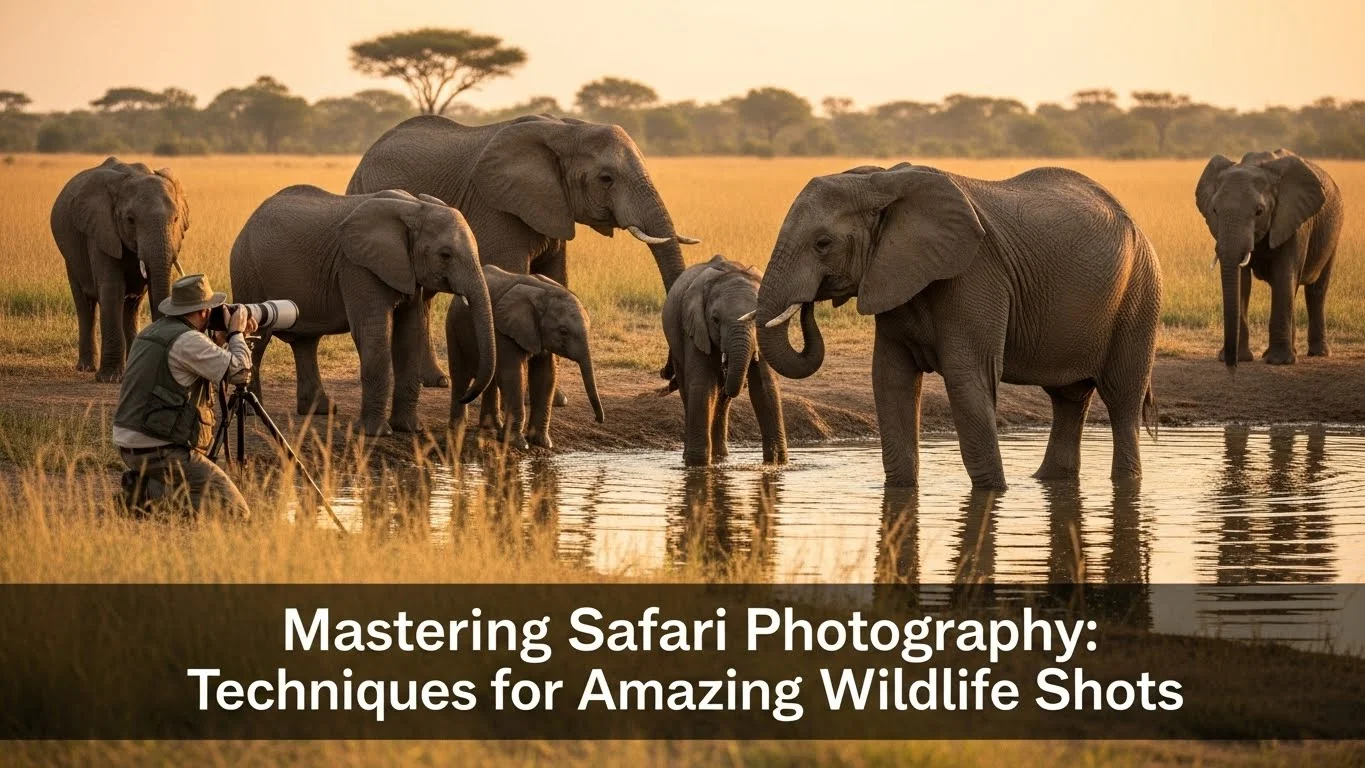
Safari photography is more than just snapping pictures of animals; it’s about capturing moments that showcase the beauty and behavior of wildlife in their natural environment. I remember my first safari trip, where I was both nervous and excited, trying to balance being a tourist and a photographer. The goal is to connect with nature, understand the animals, and document their behaviors and habitats. Every shot is a chance to tell a story, whether it’s a lion lounging in the sun or a herd of elephants marching through the savannah.
Importance of Wildlife Photography
Wildlife photography plays a crucial role in raising awareness about conservation and the importance of preserving our planet’s biodiversity. I’ve seen firsthand how stunning images can inspire people to care about wildlife and its habitats. When I share my photos, I feel like I’m not just capturing memories; I’m also advocating for those animals and their environments. Photography has the power to evoke emotions and create a connection that can lead to change. Every click of the shutter can help spark conversations about wildlife protection and conservation efforts. It’s rewarding to know that my passion for photography can contribute to something greater.
Essential Equipment for Safari Photography
Cameras: DSLRs vs. Mirrorless
Choosing the right camera is essential for safari photography. I’ve experimented with both DSLRs and mirrorless cameras, and each has its advantages. DSLRs are known for their durability and battery life, which can be a lifesaver during long days in the field. On the other hand, I’ve found that mirrorless cameras are lighter, more compact, and offer faster shooting speeds. This can be particularly helpful when trying to capture quick moments, like a cheetah sprinting after its prey. Ultimately, the best choice depends on your personal preferences and shooting style.
Lenses: Telephoto and Macro Options
When it comes to lenses, telephoto lenses are a must-have for safari photography. They allow you to zoom in on wildlife from a distance without disturbing their natural behavior. I’ve often used a 100-400mm lens, which gives me the flexibility to capture animals up close while still maintaining a safe distance. Macro lenses are also fantastic for getting detailed shots of smaller creatures, like insects or plants that are often overlooked in the vast landscape. Having a variety of lenses in your kit can enhance your photography experience and expand your creative possibilities.
Accessories: Tripods, Gimbals, and Filters
The right accessories can significantly improve your safari photography. I always travel with a sturdy tripod to stabilize my shots, especially during low-light conditions. A gimbal can also be helpful for tracking moving subjects smoothly, which is essential when photographing wildlife in action. Additionally, I recommend using polarizing filters to reduce glare and enhance colors in your images. These filters can help bring out the vivid blues of the sky and the rich greens of the grass, making your photos pop. Investing in quality accessories will make a noticeable difference in the quality of your shots.
Choosing the Right Safari Destination
Top Locations for Wildlife Photography
Not all safari destinations offer the same opportunities for wildlife photography. Based on my experiences, I’ve found a few places that consistently deliver amazing photo ops. For more detailed insights, check out the article on Best Destinations for Unforgettable Safari Photography.
Serengeti National Park
The Serengeti in Tanzania is a dream for wildlife photographers. The vast plains offer incredible sightings of the Great Migration, where millions of wildebeest and zebras traverse the landscape. I remember being in awe as I witnessed the action unfold before my eyes, capturing breathtaking shots of animals on the move.
Kruger National Park
South Africa’s Kruger National Park is another fantastic location. It’s one of the largest game reserves in Africa, hosting a diverse range of wildlife. My time there was filled with unexpected encounters, from elephants bathing in waterholes to lions resting in the shade. The variety of ecosystems within the park provides numerous backdrops for stunning photography.
Masai Mara National Reserve
Located in Kenya, the Masai Mara is famous for its population of big cats. I found my heart racing as I spotted a cheetah stalking its prey. The landscapes are picturesque, and the golden grasslands create a beautiful stage for photography. It’s a place where every corner seems to hold a new story waiting to be captured.
Seasonal Considerations
Timing your safari trip can greatly impact your photography opportunities. I’ve learned that different seasons bring unique wildlife behavior and scenery.
Best Time for Wildlife Sightings
For me, the dry season usually offers the best chances for wildlife sightings. Animals tend to congregate around water sources, making them easier to find and photograph. I’ve found that planning my trips during these peak times can lead to more rewarding experiences.
Weather Conditions and Their Impact
Weather can also play a significant role in your photography. I’ve experienced rain during safaris, which can create dramatic skies and vibrant colors in my photos. However, it can also mean wet, muddy conditions that might limit movement. Being adaptable and prepared for various weather scenarios will help you make the most of your photography sessions.
Techniques for Capturing Amazing Wildlife Shots
Understanding Animal Behavior
When it comes to wildlife photography, one of the most rewarding aspects is understanding animal behavior. I’ve learned that spending time observing animals can significantly improve my ability to capture compelling images. Every creature has its own quirks and habits, and being attuned to these can lead to stunning photographs.
Patterns of Movement
One of the first things I noticed while on safari is that animals often have predictable patterns. For example, I’ve seen elephants typically travel to waterholes during the hottest parts of the day. By taking the time to observe these movements, I’ve been able to position myself at prime locations for capturing those breathtaking moments. Understanding the rhythms of wildlife allows me to anticipate where the action will happen, making it easier to get those perfect shots.
Feeding and Social Behaviors
I’ve found that observing how animals interact with each other during feeding times can provide incredible opportunities for photography. Watching a pride of lions share a meal or a group of zebras grooming each other can lead to intimate and powerful images. I always try to remain patient and respect their space while waiting for the right moment. This patience often pays off, as the images taken during these interactions can tell a deep, emotional story.
Composition Techniques
Once I’ve found the perfect moment to capture, composition becomes key. The way I frame my shot can make a significant difference in the final image. I’ve experimented with various techniques, and here are a couple that have worked particularly well for me.
Rule of Thirds
The rule of thirds is a classic technique that I often apply in my wildlife photography. By dividing the frame into thirds, both horizontally and vertically, I can create a more balanced composition. I try to position key elements, like the animal or interesting background features, along these lines or at their intersections. This method has helped me create more dynamic images that draw the viewer’s eye.
Leading Lines and Framing
Another favorite technique of mine involves using leading lines or natural frames within the environment. Whether it’s the curve of a river, the line of a dirt path, or even the branches of a tree, these elements can guide the viewer’s eye toward the subject. I remember one instance when I captured a cheetah on a hunt, with the grasslands leading the viewer’s gaze directly to it. Using these compositional tools can elevate a simple image into something quite striking.
Lighting Techniques
Lighting plays a crucial role in wildlife photography, and I’ve learned to adapt to different conditions to enhance my images.
Golden Hour Photography
The golden hour—shortly after sunrise and just before sunset—offers the most magical lighting for photography. I love the warm tones and soft shadows that create a beautiful atmosphere. During my trips, I’ve made a habit of planning my outings around these times. Capturing a herd of elephants silhouetted against a vibrant sunset is an experience that’s hard to beat. It’s moments like these that remind me why I love photography so much.
Dealing with Harsh Sunlight
However, not every safari is blessed with perfect lighting. I’ve had my fair share of experiences shooting in harsh midday sunlight, which can create strong shadows and overexposed highlights. In these situations, I often look for shaded areas where the light is softer. Alternatively, I’ve learned to adjust my camera settings to combat the brightness, such as using a higher shutter speed and adjusting the aperture. It’s all about finding creative ways to work with what you have, and I believe this adaptability can lead to unique results.
Post-Processing Tips for Safari Photography
Editing Software Options
Once I’ve captured my photos, the editing process begins. I find that post-processing can greatly enhance the final image. I typically use software like Adobe Lightroom or Photoshop, which offers a variety of tools to improve my photographs. Learning how to navigate these programs has opened up new creative possibilities for me.
Basic Editing Techniques
There are a few basic editing techniques I rely on regularly to elevate my safari shots.
Color Correction
Color correction is one of the first things I do. Sometimes the colors in the image don’t quite match what I saw in person, especially in different lighting conditions. Adjusting the white balance can bring back the warm tones of the savannah or the vibrant colors of wildlife. I often play around with saturation and vibrance to make the colors pop without overdoing it.
Sharpness and Noise Reduction
Another important step is sharpening the image and reducing any noise. I’ve learned that even the best cameras can introduce some noise, especially in low-light conditions. Using noise reduction tools helps smooth out the image while keeping important details sharp. I take care to strike a balance here, ensuring that the end result looks natural and true to life.
Ethics and Conservation in Wildlife Photography
Respecting Wildlife and Their Habitats
As passionate as I am about capturing stunning images of wildlife, I’ve come to realize that our responsibility as photographers extends beyond just taking pictures. Respecting the animals and their habitats is crucial in ensuring that we don’t disturb their natural behavior or environment. I’ve always tried to maintain a safe distance while shooting, avoiding any actions that could stress the animals. For instance, I remember a moment when I was photographing a pride of lions. I stayed in my vehicle, watching quietly without intruding on their space. This not only allowed me to get some great shots, but it also kept the lions calm, preserving their natural behavior for others to enjoy.
Additionally, I’ve learned that it’s important to be aware of the impact of our presence on the ecosystem. Every safari experience is part of a larger system, and we should aim to leave minimal footprints. That means not only following park regulations but also being mindful of our actions, like avoiding littering or stepping off designated paths. Each time we respect these guidelines, we contribute to the conservation of these beautiful places and the wildlife that inhabit them.
Responsible Safari Practices
Responsible safari practices are something I’ve always prioritized in my photography adventures. One of the key aspects is to choose eco-friendly tour operators who prioritize conservation efforts. I’ve found that many companies are committed to sustainable tourism, which helps to protect the environments we love to photograph. When I choose a tour, I look for operators who contribute part of their profits to local conservation projects or community development, which not only helps the wildlife but also supports the local people.
Another practice I uphold is being patient and waiting for the right moment instead of trying to force a shot. I remember an instance when I was eager to photograph a herd of elephants. Instead of rushing in, I took my time, observing their movements and interactions. This patience not only resulted in more meaningful images but also allowed me to appreciate the beauty of their natural behavior up close. I believe that sometimes the best shots come when we simply allow nature to unfold before us, rather than trying to manipulate it.
Lastly, I think it’s vital to share the message of conservation through our photography. When I post images on social media or share them with friends, I often include information about the species, their habitats, and the threats they face. By doing so, I aim to raise awareness and encourage others to care about wildlife and its preservation. It’s a small step, but I believe every effort counts in the larger picture of conservation.
Sharing Your Safari Photography
Building a Portfolio
After capturing those incredible moments in the wild, the next step for me is to build a cohesive portfolio that showcases my best work. I love putting together a collection of images that tell a story about the places I’ve visited and the animals I’ve encountered. I usually select images that not only highlight the beauty of the subjects but also convey the essence of the environment they inhabit.
When curating my portfolio, I focus on variety. Including different species, landscapes, and behaviors gives viewers a well-rounded experience of wildlife photography. I often revisit my best shots, looking for themes that connect them, whether it’s the colors, the types of animals, or the emotions they evoke. This process has helped me refine my skills and develop a unique style that represents my perspective on wildlife.
Social Media and Online Platforms
Sharing my photography on social media has become a vital aspect of my creative journey. Platforms like Instagram and Facebook allow me to connect with fellow photographers and wildlife enthusiasts from all over the world. I’ve found that engaging with these communities not only inspires me but also provides valuable feedback on my work. When I post my photos, I try to write captions that encourage dialogue, asking questions or sharing personal stories about the experiences behind the shots.
Additionally, I’ve discovered that using relevant hashtags can help my images reach a broader audience. I often incorporate tags related to wildlife photography, specific animals, or conservation efforts. This not only gives my photos more visibility but also connects me with others who share similar passions. I appreciate the conversations that arise from these posts, as they often lead to valuable exchanges of knowledge and experiences.
Engaging with the Photography Community
Engaging with the photography community has been one of the most fulfilling aspects of my journey. I’ve participated in online forums, attended workshops, and even joined local photography clubs. These interactions have enriched my understanding of wildlife photography and have introduced me to new techniques and perspectives.
Through these connections, I’ve met many like-minded individuals who inspire me to push my creative boundaries. We often share tips, critique each other’s work, and even collaborate on projects. I remember participating in a photo challenge where we all aimed to capture wildlife in a specific theme. This not only motivated me to think outside the box but also fostered a sense of camaraderie among us. It’s amazing how sharing our passion can lead to meaningful friendships and growth as photographers.
Frequently Asked Questions
What is safari photography?
Safari photography is about capturing moments that showcase the beauty and behavior of wildlife in their natural environment. It involves connecting with nature, understanding animals, and documenting their behaviors and habitats.
Why is wildlife photography important?
Wildlife photography raises awareness about conservation and the importance of preserving biodiversity. Stunning images can inspire people to care about wildlife and its habitats, sparking conversations about protection and conservation efforts.
What type of camera is best for safari photography?
Both DSLRs and mirrorless cameras have their advantages. DSLRs are known for durability and battery life, while mirrorless cameras are lighter and offer faster shooting speeds. The best choice depends on personal preferences and shooting style.
What lenses are recommended for safari photography?
Telephoto lenses are essential for safari photography as they allow you to zoom in on wildlife from a distance without disturbing them. Macro lenses are also useful for capturing detailed shots of smaller creatures.
What are some top locations for wildlife photography?
Some top locations include Serengeti National Park in Tanzania, known for the Great Migration; Kruger National Park in South Africa, which hosts a diverse range of wildlife; and Masai Mara National Reserve in Kenya, famous for its big cats.
When is the best time for wildlife sightings on safari?
The dry season usually offers the best chances for wildlife sightings as animals congregate around water sources, making them easier to find and photograph.
What are some effective techniques for capturing amazing wildlife shots?
Understanding animal behavior and their patterns of movement, as well as observing feeding and social behaviors can lead to compelling images. Patience and being attuned to these factors are essential for success in wildlife photography.
How does lighting impact wildlife photography?
Lighting plays a crucial role in wildlife photography. The golden hour, shortly after sunrise and just before sunset, provides magical lighting. However, harsh midday sunlight can create challenges, and photographers must adapt to different conditions to enhance their images.
What are some basic editing techniques for safari photography?
Basic editing techniques include color correction to adjust white balance and saturation, as well as sharpening images and reducing noise, especially in low-light conditions. These techniques help enhance the final image significantly.
How can photographers practice responsible wildlife photography?
Photographers can practice responsible wildlife photography by respecting wildlife and their habitats, choosing eco-friendly tour operators, being patient, and sharing conservation messages through their photography.