
Embarking on a solo travel adventure is thrilling, but it comes with its own set of unwritten rules. Mastering travel etiquette can enhance your experience and deepen your connections with locals and cultures. To dive deeper into cultural experiences, check out Cultural Solo Travel: Affordable Ways to Dive Deep.
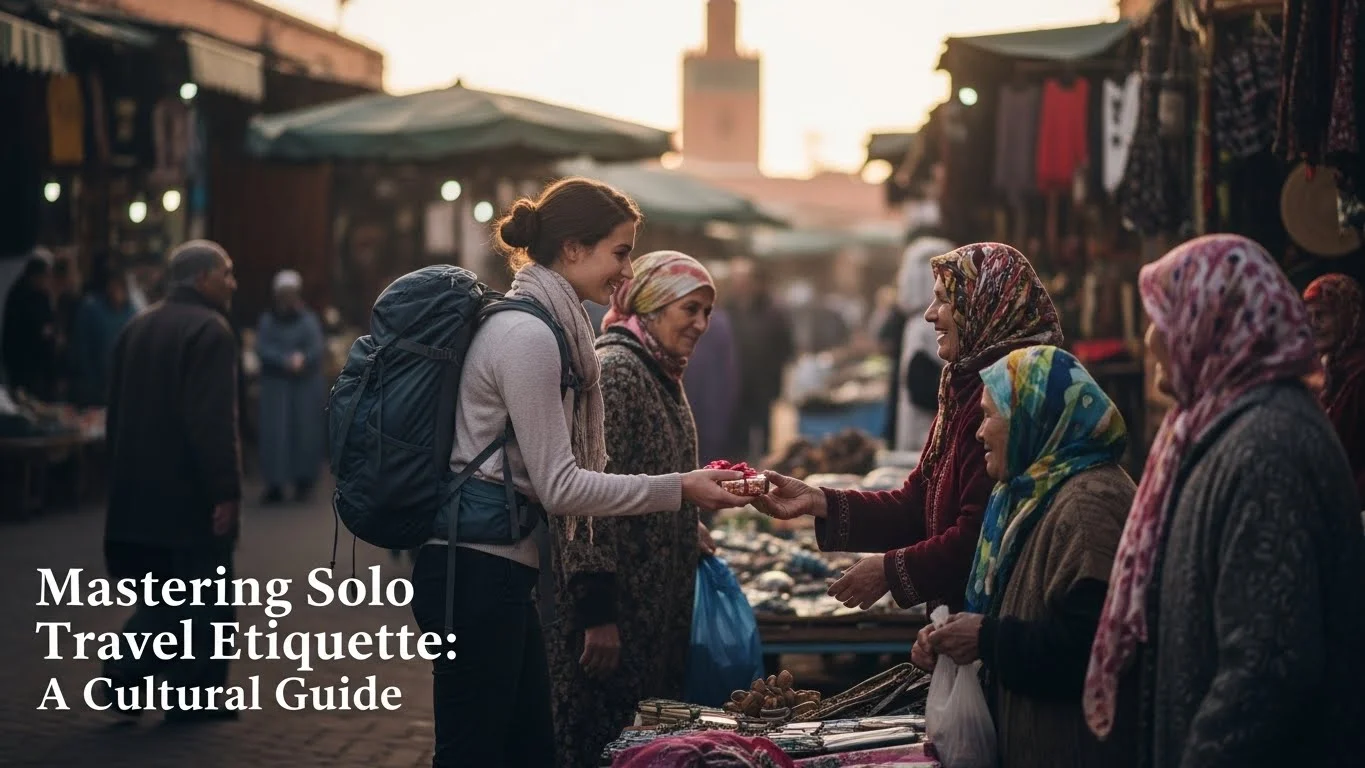
Understanding Solo Travel Etiquette
What is Solo Travel Etiquette?
Solo travel etiquette refers to the set of behaviors and practices that are considered polite and respectful in various cultures while traveling alone. As someone who has ventured out on my own, I’ve learned that understanding these nuances can make a world of difference. It’s not just about knowing what to do, but also appreciating the local customs that shape interactions. For instance, in some places, greeting locals with a warm smile is customary, while in others, a more reserved approach is preferred. By familiarizing myself with these etiquettes, I’ve often found that locals are more welcoming and open to interaction, enriching my travel experience.
Why is Etiquette Important for Solo Travelers?
Practicing good etiquette while traveling alone is crucial for multiple reasons. First and foremost, it fosters respect between travelers and locals. I remember my first solo trip to Italy, where I made an effort to greet shop owners in Italian. The smiles on their faces taught me that such small gestures can create a bond. Secondly, adhering to local customs helps in keeping oneself safe. In some cultures, ignoring social norms can lead to misunderstandings or even conflict. I think of instances where I observed locals engaging in specific gestures or behaviors; imitating these respectful practices often helped me blend in and receive kindness in return.
Preparing for Your Solo Journey
Researching Cultural Norms and Customs
Before I embark on any solo journey, I dedicate time to researching the cultural norms and customs of my destination. Websites, travel blogs, and even forums have been invaluable in this. For example, I learned that in Thailand, it’s essential to be respectful of the monarchy, which is deeply revered. This knowledge helped me avoid any potential faux pas during my travels. I also discovered that in countries like India, greeting with “Namaste” instead of a handshake is often more appreciated, especially among older generations. Taking the time to understand these customs not only prepares us for respectful interactions but also enhances our overall experience. You can find more tips in the Ultimate Guide to Solo Adventure Travel Destinations.
Understanding Local Laws and Regulations
It’s vital to familiarize ourselves with local laws and regulations, especially when traveling solo. I admit, I used to overlook this aspect, but after a few close calls, I learned my lesson. For instance, in some countries, taking photographs in certain areas is prohibited, and ignorance can lead to hefty fines or worse. I remember being in a beautiful temple and almost snapping a photo, but a friendly local reminded me of the rules. This simple act of caution allowed me to enjoy the moment without any worries. Always check the local laws, and ensure you respect them to keep your travels smooth and enjoyable.
Travel Documents and Safety Protocols
When preparing for a solo trip, organizing travel documents is crucial. I recommend making copies of your passport, visa, and any other important documents. This practice has saved me multiple times. For example, during a trip to Spain, I misplaced my wallet, and having copies of my documents made it easier to report the loss. Additionally, understanding safety protocols in the area you’re visiting is key. Researching local emergency numbers and familiarizing yourself with safe neighborhoods can provide peace of mind. In my case, I found that downloading offline maps and learning about the local emergency services helped me navigate new cities confidently. For more safety tips, check out Navigating Solo Travel: Essential Safety Tips for Backpackers.
Social Etiquette in Different Cultures
Dining Etiquette Across Cultures
Dining is one of the most enjoyable ways to immerse ourselves in a new culture, but it’s essential to know the dining etiquette specific to each place. During my travels, I’ve encountered unique dining customs that have enriched my experiences.
Table Manners in Japan
In Japan, I learned that table manners are taken very seriously. For example, I was surprised to discover that making noise while eating noodles is not only acceptable but encouraged! It shows appreciation for the meal. However, I also learned that it’s disrespectful to stick chopsticks upright in a bowl of rice, as this resembles a funeral ritual. Observing and mimicking local dining norms not only showed my respect but also allowed me to enjoy my meals in a way that was culturally appropriate.
Tipping Practices in the USA
On the flip side, in the USA, tipping is a big part of dining etiquette. I remember being confused about how much to tip when I first traveled there. After asking locals, I learned that a 15-20% tip is standard in restaurants. This practice not only reflects appreciation for service but also supports many service industry workers. Understanding these practices helped me connect with the locals and made my dining experiences more enjoyable.
Communication Styles and Body Language
How we communicate often varies dramatically across cultures. I’ve noticed that understanding these differences can help avoid misunderstandings and build rapport.
Understanding Personal Space in Europe
In many European countries, personal space can be quite different from what I’m used to. For instance, I found that people in southern Europe tend to stand closer during conversations, while in northern regions like Scandinavia, a bit more distance is typical. I learned to adapt my personal space expectations accordingly, which made my interactions smoother and more enjoyable.
Gesture Interpretations in the Middle East
I’ve also discovered that gestures can have different meanings in various cultures. In the Middle East, using your left hand for eating or greeting is considered disrespectful. During my travels there, I made a conscious effort to use my right hand, which was met with smiles and warmth from locals. Understanding these subtle cues can significantly enhance our interactions with people from different backgrounds.
Dress Codes and Appearance Expectations
What we wear while traveling can speak volumes about our respect for local customs. I’ve learned that dressing appropriately can lead to more positive experiences.
Modesty in Islamic Countries
In many Islamic countries, modesty in clothing is highly valued. I remember my visit to Morocco, where I opted for longer dresses and more conservative attire. The locals appreciated my effort to blend in, and it made my experience more enriching. I felt more comfortable exploring the markets and interacting with the community.
Fashion Norms in Urban vs. Rural Areas
Similarly, I noticed that fashion norms can change dramatically between urban and rural areas. In bustling cities, such as Bangkok, more modern fashion is embraced, while in rural areas, traditional attire may still be the norm. I’ve found that adapting my wardrobe to fit the local culture not only shows respect but also helps me feel more at home in new environments.
Interacting with Locals
How to Approach Conversations
Engaging in conversations with locals can be one of the most rewarding aspects of solo travel. I’ve found that the key is to approach these interactions with genuine curiosity and an open heart. For instance, I remember walking through a bustling market in Istanbul, feeling a bit shy. I decided to strike up a conversation with a vendor selling beautiful handcrafted pottery. I began by complimenting his work, which opened the door for a friendly exchange. He shared stories about his craft, and I learned a lot about the history behind the art. This taught me that starting with a compliment or a question can break the ice and lead to meaningful connections. I suggest asking about local favorites, like places to eat or hidden gems to visit; it shows interest in their culture and can lead to exciting recommendations.
Respecting Local Traditions and Festivals
Experiencing local traditions and festivals can provide a deep dive into a culture. I’ve had my share of unforgettable moments at these events. For example, during a trip to Thailand, I was fortunate enough to witness the Loy Krathong festival, where people release beautiful lotus-shaped floats into the water. I felt a little out of place at first, but the locals welcomed me with open arms. They encouraged me to join in and even helped me make my own krathong. I realized that by respecting and participating in their traditions, I was not just an observer but a part of their celebration. So, when you find yourself in such situations, embrace the moment and ask how you can join in. It’s a wonderful way to connect with people and learn more about their cultural heritage.
Participating in Local Activities and Events
Another great way to interact with locals is by participating in activities or events they host. During my travels in Peru, I joined a cooking class that focused on traditional Peruvian cuisine. It was such a fun experience! Not only did I learn how to make ceviche and lomo saltado, but I also met wonderful locals who shared their family recipes and stories. Engaging in a local activity can create a relaxed atmosphere where conversations flow naturally. I recommend looking for community events, workshops, or classes wherever you go. Whether it’s a dance class, art workshop, or cooking session, these experiences allow you to bond with locals over shared interests, while also learning something new.
Solo Travel Safety and Etiquette
Staying Aware of Your Surroundings
Safety is a crucial aspect of solo travel, and I can’t stress enough how important it is to remain aware of your surroundings. I’ve had moments when I felt a bit lost in a new city, and the hustle and bustle around me made it easy to get distracted. I learned to stay vigilant, keeping an eye on my belongings and being mindful of my surroundings. I also found that engaging with locals can help; they often provide valuable insights on which areas to avoid or where to be extra cautious. When I was in Barcelona, for instance, I learned from a local that certain tourist spots can be hotspots for pickpockets. By staying aware and asking locals for advice, I felt more secure and confident during my adventures.
Handling Unwanted Attention or Harassment
As a solo traveler, I’ve faced my share of unwanted attention. It can be uncomfortable, but I’ve learned how to handle these situations with grace. When I was in Morocco, I encountered some persistent salespeople who wouldn’t take no for an answer. Initially, I felt overwhelmed, but I quickly realized that being firm yet polite worked best. I learned to use body language—standing tall and maintaining eye contact—to express confidence. If a situation escalates, it’s perfectly okay to walk away or seek help from locals or fellow travelers. They’re often more than willing to assist, as I found when I sought help from a nearby café owner during a tough moment. Knowing how to address unwanted attention is essential, as it allows us to enjoy our travels without feeling anxious.
Emergency Protocols and Local Resources
Preparing for emergencies while traveling solo is something I’ve come to take very seriously. I’ve experienced a few close calls that taught me the value of knowing local emergency protocols. Before any trip, I research local hospitals, police stations, and emergency numbers. During my travels in Thailand, I found myself needing medical assistance after a minor accident. Because I had familiarized myself with local emergency numbers, I was able to quickly call for help and receive the care I needed. Additionally, I always recommend keeping a list of important contacts, like the nearest embassy or consulate, in case things go awry. Being prepared not only makes you feel safer but also gives you peace of mind, allowing you to focus on enjoying your adventure.
Digital Etiquette for Solo Travelers
Using Social Media Responsibly
In our digital age, sharing our travel experiences on social media has become second nature. I enjoy documenting my journey, but I’ve learned that it’s important to use social media responsibly. While it’s tempting to post every moment, I try to be mindful of how it affects my interactions with locals. For instance, during a visit to a small village in Vietnam, I noticed that many locals were hesitant to engage with me when I was glued to my phone. I decided to put my device away and focus on the people and surroundings. This choice led to deeper conversations and connections. I think it’s crucial to strike a balance between sharing experiences and being present in the moment. Engaging with locals in real-time can lead to more enriching experiences than simply capturing them for social media.
Respecting Privacy and Photography Norms
Photography can be a beautiful way to capture memories, but I’ve realized that respecting privacy and local photography norms is essential. During a trip to Nepal, I was fascinated by the vibrant culture and wanted to take photos of the people I met. However, I quickly learned that in some communities, asking permission is not just polite but necessary. I always make it a point to ask before snapping a photo, and I’ve found that most people appreciate the respect. One time, a woman in a local market smiled brightly when I asked if I could take her picture, leading to a lovely exchange and a memorable moment. Understanding when and how to take photos can foster goodwill and often leads to unexpected friendships.
Solo Travel Challenges and How to Overcome Them
Dealing with Loneliness and Isolation
Traveling solo is an incredible adventure, but I won’t lie—there are moments when loneliness can creep in. There have been times, especially during long trips, when I found myself missing the comfort of familiar faces and conversations. I remember sitting in a café in Paris, enjoying a croissant, but feeling a pang of isolation as I watched groups of friends laughing together. It was a reminder that while solitude can be empowering, it can also be challenging.
To combat loneliness, I learned to embrace the moments of quiet reflection but also sought out social opportunities. I started joining group tours or classes, which opened doors to meeting fellow travelers. I recall participating in a painting class in Florence, where I not only learned something new but also struck up conversations with people from different backgrounds. Engaging with others in a shared activity can break the ice and create instant connections. I suggest looking for local meetups or joining guided tours, as these can provide both companionship and a chance to explore new interests.
Making Friends While Traveling Alone
Making friends while traveling alone is one of the most rewarding experiences I’ve encountered. It can feel daunting, especially when you’re in a foreign place and don’t know anyone. However, I found that being open and approachable can lead to unexpected friendships. On a trip to Bali, I stayed at a hostel and decided to join a group for a day trip. I started chatting with a fellow traveler from Australia, and before we knew it, we were sharing laughs and stories.
To foster connections, I recommend being proactive. Initiate conversations with those around you. Whether it’s at a café, on a tour, or at an event, simply saying “Hi” can lead to deeper interactions. I’ve learned that most people are willing to chat, especially fellow solo travelers who might be looking for company too. Social platforms and travel apps can also help connect solo travelers. I’ve had great success finding travel buddies through these platforms, and they often lead to meaningful travel experiences.
Finding Supportive Travel Communities
Having a supportive travel community can make a significant difference when navigating the challenges of solo travel. I discovered that online forums and social media groups are fantastic resources for finding like-minded travelers. Websites like Meetup or Facebook groups dedicated to solo travelers can lead to local meetups, coffee chats, or even group excursions.
During my travels in South America, I joined a Facebook group focused on solo female travelers. Through this group, I connected with several women who were exploring the same region. We organized a hiking trip together, and the shared experience not only made the journey more enjoyable but also fostered lasting friendships. If you’re feeling uncertain about navigating a new place alone, reaching out to these communities can provide reassurance and camaraderie.
Post-Travel Reflection and Etiquette
Sharing Your Experiences Respectfully
After returning from a solo trip, I always find it valuable to reflect on my experiences. It’s easy to get caught up in the excitement of sharing photos and stories, but I’ve learned the importance of doing so respectfully. When recounting my adventures, I focus on the positive interactions I had with locals and how their culture influenced my journey. I remember a time in Mexico when I shared stories about the warmth of the people I met and the customs I embraced rather than just highlighting tourist attractions.
Being mindful of how I share my experiences can help promote cultural appreciation rather than perpetuating stereotypes. I encourage fellow travelers to emphasize personal growth, insights, and the connections made during their travels. This approach not only pays homage to the places visited but also encourages others to explore with an open heart.
Expressing Gratitude to Hosts and Locals
Whether it’s a hotel staff member, a host in a homestay, or locals who helped along the way, expressing gratitude is a crucial part of solo travel etiquette. I always make it a point to thank those who have made my journey smoother. A simple “Thank you” can go a long way, but I’ve found that going the extra mile, like leaving a heartfelt note or a small gift, can leave a lasting impression.
During my stay with a family in rural Thailand, I made sure to express my gratitude for their hospitality by cooking a meal with local ingredients as a thank-you gesture. They appreciated my effort, and it turned into a beautiful evening of sharing stories and laughter. I encourage others to find ways to show appreciation, as this fosters goodwill and strengthens connections between travelers and the communities they visit.
Frequently Asked Questions
What is solo travel etiquette?
Solo travel etiquette refers to the set of behaviors and practices that are considered polite and respectful in various cultures while traveling alone. Understanding these nuances can enhance interactions with locals and enrich the travel experience.
Why is it important for solo travelers to practice good etiquette?
Practicing good etiquette fosters respect between travelers and locals, helps keep travelers safe, and can lead to more welcoming interactions. Small gestures, like greeting locals in their language, can create bonds and enhance the overall travel experience.
How can I prepare for my solo journey regarding cultural norms?
Researching cultural norms and customs of your destination is crucial. This can be done through websites, travel blogs, and forums, helping you avoid faux pas and preparing for respectful interactions.
What should I know about local laws and regulations when traveling solo?
Familiarizing yourself with local laws and regulations is vital to avoid misunderstandings or conflicts. This includes knowing photography restrictions and other rules that may be in place at certain locations.
What dining etiquette should I be aware of when traveling?
Dining etiquette varies by culture. For example, in Japan, making noise while eating noodles is encouraged, while in the USA, a tip of 15-20% is standard in restaurants. Understanding these customs enhances dining experiences.
How can I approach conversations with locals as a solo traveler?
Approach conversations with genuine curiosity and an open heart. Starting with a compliment or a question can break the ice and lead to meaningful connections with locals.
What should I do if I experience unwanted attention or harassment while traveling alone?
Handle unwanted attention with grace by being firm yet polite. Use body language to express confidence, and if necessary, walk away or seek help from locals or fellow travelers.
How can I deal with loneliness while traveling solo?
To combat loneliness, seek social opportunities by joining group tours or classes. Engaging in shared activities can create instant connections and provide companionship during travels.
What are some ways to express gratitude to hosts and locals during my travels?
Expressing gratitude is important. Simple gestures like saying “Thank you,” leaving a heartfelt note, or cooking a meal can leave a lasting impression and strengthen connections with locals.
How can I share my travel experiences respectfully after returning home?
Reflect on your experiences by focusing on positive interactions with locals and cultural insights rather than just tourist attractions. This approach promotes cultural appreciation and encourages others to explore with an open heart.