
Street photography is an exhilarating way to explore the world around us, capturing everyday moments in unique and artistic ways. The best part? You can master it without breaking the bank! For those looking to dive deeper into the subject, Exploring Culture: Street Photography in Local Markets offers great insights.
Understanding Street Photography
What is Street Photography?
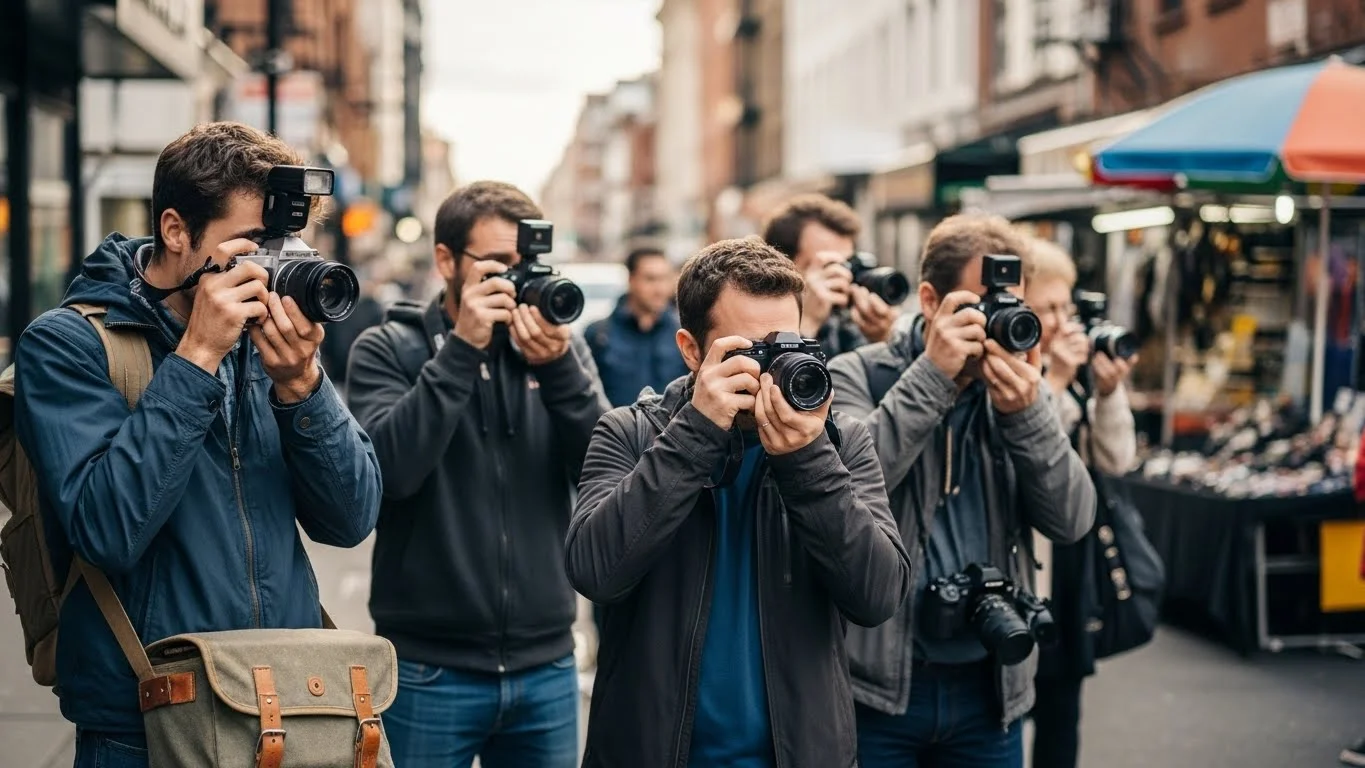
Street photography, to me, is all about documenting life in public spaces. It’s an art form that combines photography with storytelling, allowing us to freeze fleeting moments that might otherwise go unnoticed. I remember my first attempt at street photography; it felt thrilling yet intimidating. The idea of capturing real-life scenes, emotions, and interactions sparked a passion in me. Unlike other genres, street photography is spontaneous, often requiring us to react quickly to our surroundings.
The Essence of Capturing Life
What makes street photography truly special is its connection to daily life. Each photograph tells a story, reflecting the vibrancy of human experiences. I’ve found that some of my favorite shots were taken in unexpected moments—like a child playing in a park, a couple sharing a laugh, or an elderly person lost in thought on a busy street. These images hold a mirror to society, showcasing the diverse tapestry of cultures and emotions. It’s this essence that drives many photographers, including myself, to venture into the streets with our cameras. For more on this theme, check out Top Tips for Budget Street Photography in Iconic Cities.
Common Themes in Street Photography
Throughout my journey in street photography, I’ve noticed several recurring themes. These themes often help guide my shots and inspire creativity. Here are a few that stand out:
- Human Emotion: Capturing raw emotions—joy, sadness, surprise—can evoke powerful reactions in viewers. A well-timed shot of a laughing child or a contemplative adult can resonate deeply.
- Urban Landscapes: Cities provide a backdrop teeming with life. From bustling markets to quiet alleyways, urban landscapes offer endless opportunities for exploration and creativity.
- Contrasts: Street photography thrives on contrasts—people versus their environment, light versus shadow, chaos versus calm. These elements can create striking visual stories that compel viewers to look closer.
Essential Gear for Street Photography on a Budget
Choosing the Right Camera
When it comes to street photography, selecting the right camera is crucial, and I know firsthand that it doesn’t have to be expensive. I learned that the key is to find a camera that fits your style and comfort level.
DSLR vs. Mirrorless
Both DSLR and mirrorless cameras offer great image quality and versatility. I’ve used both and noticed some differences. DSLRs tend to be bulkier but can be more affordable, especially with used options. Mirrorless cameras are generally lighter and more compact, making them easier to carry around, which is a huge plus for street photography. For budget-conscious photographers, I recommend looking for entry-level models from reputable brands.
Compact Cameras and Point-and-Shoot Options
If you’re looking for something even simpler, compact cameras can be a fantastic choice. I remember using a compact camera during my early street photography days. They are unobtrusive and lightweight, allowing for quick shots without drawing too much attention. Some models are equipped with impressive features that rival professional cameras, making them a wise investment for street photographers on a budget.
Smartphones as a Street Photography Tool
Let’s not forget about our smartphones. I always have mine with me, and I’ve captured some incredible moments using just my phone. Many modern smartphones have excellent cameras that can shoot in various conditions, and they allow for quick edits and sharing on social media. I believe that the best camera is the one you have with you, and smartphones are often the most accessible option for beginners.
Important Camera Features
When choosing a camera, certain features can make a significant difference in your street photography experience. Here are a few that I’ve found essential:
Lens Options
The lens you choose can dramatically influence your shots. I’ve experimented with different focal lengths and found that a prime lens, like a 35mm or 50mm, is fantastic for street photography. They tend to be more affordable, sharp, and lightweight. Zoom lenses offer versatility, but they can be bulkier and more expensive.
Image Stabilization
Image stabilization is another feature worth considering. It helps reduce blur caused by shaky hands, especially in low-light situations. I’ve found that even a little stabilization can make a big difference in achieving sharp images in dynamic street environments.
Low-Light Performance
Street photography often happens in varying light conditions. I’ve been in situations where the sun was setting, and I had to rely on my camera’s low-light capabilities. Cameras that perform well in low light with high ISO capabilities can allow for stunning shots as the day transitions into night.
Accessories to Enhance Your Experience
While a good camera is essential, there are some budget-friendly accessories that can enhance your street photography experience:
Lens Filters
Lens filters can protect your lens and improve image quality. I’ve used UV filters to shield my lens from scratches and dust. They’re relatively inexpensive and can prolong the life of your gear.
Tripods and Stabilizers
While street photography often relies on quick shots, having a lightweight tripod can be beneficial for those times when you want to stabilize your camera for long exposures. I’ve used portable tripods that fold up easily and fit in my bag, so I’m always prepared.
Camera Straps and Bags
A comfortable camera strap can make a world of difference during long shooting sessions. I’ve personally switched to a crossbody strap that distributes weight evenly, making it easier to carry my camera around. A sturdy camera bag is also essential for protecting my gear while keeping it accessible.
Budget-Friendly Photography Gear Recommendations
Best Affordable Cameras for Street Photography
Having the right camera can be a game changer, especially when you’re diving into street photography. I’ve always believed that you don’t need to spend a fortune to get great results. Over the years, I’ve come across some fantastic budget-friendly options that really deliver without breaking the bank.
Top Picks Under $500
If you’re looking for solid cameras under $500, I’ve found a few that stand out. One of my favorites is the Canon EOS Rebel T7. It’s a DSLR that offers great image quality and user-friendly controls, perfect for beginners. Another great option is the Fujifilm X-T200. It’s a compact mirrorless camera with a retro design and a fantastic selection of film simulation modes, which I adore for adding unique vibes to my photos.
Another camera I can’t recommend enough is the Sony Alpha a6000. It’s a bit older but still packs a punch with its fast autofocus and excellent image quality, especially in low-light situations. I’ve used this camera in bustling markets, and it never let me down. Each of these cameras provides fantastic value for the price and will serve you well as you explore street photography.
Used or Refurbished Options
Don’t overlook the value of buying used or refurbished gear! I’ve scored some incredible deals on sites like B&H Photo, KEH, and even local camera shops. Buying used can allow you to grab a higher-end model for the price of a lower-end new one. Just make sure to check the condition and possibly ask for a return policy. I once found a refurbished Nikon D5300 that’s still my go-to for street shoots. It’s always a thrill to know you got a great deal on something that performs well!
Budget Lenses to Consider
Once you have your camera sorted, the next step is considering lenses. I’ve learned that the right lens can elevate your street photography game significantly without requiring you to empty your wallet.
Prime vs. Zoom Lenses
For street photography, prime lenses are often my go-to choice because they tend to be lighter, sharper, and more affordable. I’ve had great experiences with a 50mm f/1.8 lens. It’s fantastic for portrait shots, allowing for beautiful background blur while keeping the subject in sharp focus. On the other hand, zoom lenses are versatile and can cover a range of focal lengths, which can be helpful when you want to be a bit more discreet or when the scene changes quickly. I’ve used the 18-55mm kit lens, and it’s served me well, especially when I didn’t want to switch lenses mid-shoot.
Wide-Angle and Telephoto Options
Depending on your style, wide-angle lenses can be great for capturing more of the environment, giving context to the subjects in your photos. I’ve found a 24mm wide-angle lens to be a fantastic addition to my kit, especially for street scenes that are bustling with activity. Telephoto lenses can help you capture candid moments without being too close, which I think is crucial for street photography. If you can, try to find a used 70-300mm lens—it opens up a whole new world of possibilities while remaining budget-friendly.
Essential Accessories Under $50
Let’s not forget about accessories that can enhance your street photography experience without breaking the bank. I’ve picked up several items that have significantly improved my workflow and overall enjoyment.
Tripods and Monopods
While I often shoot handheld, a lightweight tripod or monopod can be a lifesaver for long exposure shots or when I want to stabilize my camera. I’ve got a portable tripod that collapses into a compact size, making it easy to carry around. It’s been invaluable for evening shoots in low light, allowing me to capture stunning cityscapes with clear details.
Camera Bags and Pouches
Keeping my gear safe and organized is important, and a good camera bag can make a huge difference. I recommend looking for a crossbody camera bag that allows quick access while keeping my equipment secure. I’ve also used pouches for specific lenses, which are lightweight and easy to carry, ensuring I have everything I need at my fingertips when inspiration strikes.
Cleaning Kits and Maintenance Tools
Lastly, investing in a cleaning kit is essential, especially when you’re out and about in various environments. Dust, fingerprints, and smudges can ruin a perfect shot. I always carry a basic cleaning kit with a microfiber cloth and a blower. It’s amazing how a quick clean can make my lenses and camera look spotless and ready for action!
Techniques for Mastering Street Photography
Finding the Right Locations
When I first started exploring street photography, I quickly realized that location plays a significant role in the kind of shots I could capture. Some places just seem to breathe life, offering endless opportunities to tell stories through our lenses. I’ve found that knowing where to go can greatly enhance our experience and results. If you’re planning to shoot in various locations, consider checking out Capture the World: A Guide to Street Photography Abroad.
Urban Areas vs. Suburban Settings
Urban areas are often bustling with activities and emotions. I love wandering through busy city streets, where every corner offers a new scene. The energy of a crowded market or the quiet moments in a park can yield powerful images. However, suburban settings have their charm too. I remember photographing a neighborhood block party where families gathered, sharing laughter and food. The contrast between the two settings can lead to unique storytelling opportunities. It’s all about what resonates with you and where you feel inspired to shoot.
Timing and Lighting Considerations
Timing is crucial in street photography. I’ve learned that the golden hour—shortly after sunrise or before sunset—provides the most beautiful natural light. The way the sun casts long shadows and bathes everything in golden hues is simply magical. I try to be out during these times, and I’ve captured some of my favorite images then. On the other hand, shooting during overcast days can create a softer, more even light that’s great for portraits or capturing the mood of a scene. Experimenting with different times of day has helped me develop my style.
Building Confidence in Public Spaces
One of the biggest hurdles I faced in street photography was building the confidence to shoot in public. It can be challenging to point a camera at strangers, but with practice, I learned some strategies to make it easier.
Approaching Strangers for Portraits
I’ve found that engaging with people can lead to some beautiful portraits and genuine moments. It took me a while to muster the courage to approach strangers, but I realized that most people are flattered when asked for a photo. When I approach someone, I try to keep it casual and friendly. A simple compliment or expressing interest in their story often opens up a conversation. I once met a street performer who was thrilled to let me capture his performance, and the resulting images were some of my favorites. Building a rapport makes the experience enjoyable for both parties and often results in stunning shots.
Capturing Candid Moments
For me, candid moments are the heart of street photography. I prefer to blend into the crowd and capture authentic interactions without interrupting them. I often use my camera’s silent mode to avoid drawing attention, allowing me to capture fleeting moments—like a teenager laughing with friends or a couple sharing a quiet moment on a park bench. I’ve learned the importance of patience; sometimes, the best shots come when you simply wait for life to unfold. It’s all about being present in the moment and ready when those magical interactions happen.
Post-Processing on a Budget
Once I’ve captured my images, post-processing is an exciting part of the journey. I’ve discovered that you don’t need expensive software to enhance your street photos. There are plenty of budget-friendly or even free options that can help us polish our work.
Free Editing Software Recommendations
For those just starting, I highly recommend exploring software like GIMP or Darktable. Both offer powerful editing capabilities without the price tag. I remember being pleasantly surprised by what I could achieve with GIMP, especially when it came to basic adjustments like cropping, exposure, and color correction. Another favorite of mine is Snapseed, which works beautifully on smartphones, allowing for quick edits on the go.
Basic Editing Techniques for Street Photos
When I edit my street photos, I focus on a few key techniques. First, I adjust the exposure to ensure my images are bright yet maintain detail in the shadows. I often play around with contrast to make the subjects pop against their backgrounds. Cropping is another essential step; it can dramatically improve composition by removing distractions from the edges. Sometimes, a little sharpening can enhance the details, making the images feel more vivid. I usually keep my edits subtle, aiming to enhance the raw emotion captured in the moment rather than completely altering the scene. It’s about bringing out the story in each shot.
Community and Resources for Street Photographers
Connecting with fellow street photographers has been invaluable for my growth. The online and local communities provide inspiration, support, and opportunities to learn from one another.
Online Forums and Groups
I’ve discovered that many online forums and social media groups cater specifically to street photographers. These platforms are fantastic for sharing our work, seeking critiques, and discussing techniques. I often participate in discussions on platforms like Reddit or Facebook groups dedicated to photography. Seeing others’ work inspires me, and I love sharing my own experiences and learning from the community.
Photography Communities on Social Media
Instagram has become a haven for photographers. I follow numerous street photography accounts that showcase incredible talent from around the world. Engaging with these communities allows me to discover new styles, techniques, and trends. I also share my work regularly, which has helped me connect with like-minded individuals and even establish friendships based on our mutual passion for street photography.
Websites and Blogs for Tips and Inspiration
There are countless websites and blogs dedicated to photography that I find incredibly useful. Sites like Petapixel and Fstoppers provide tips, gear reviews, and articles that often spark my creativity. I also enjoy reading personal blogs from photographers who share their journeys, struggles, and successes in street photography. It’s a great reminder that we’re all on a similar path, learning and growing together.
Frequently Asked Questions
What is street photography?
Street photography is an art form that involves documenting life in public spaces, capturing real-life scenes, emotions, and interactions. It combines photography with storytelling, freezing fleeting moments that might otherwise go unnoticed.
What are some common themes in street photography?
Common themes in street photography include human emotion, urban landscapes, and contrasts. These themes help guide shots and inspire creativity, showcasing the vibrancy of human experiences and the dynamic interplay of light, shadow, and environment.
What type of camera is best for street photography on a budget?
For street photography on a budget, entry-level DSLR and mirrorless cameras are great options. Compact cameras and smartphones are also effective tools. The key is to find a camera that fits your style and comfort level without breaking the bank.
What are some recommended budget-friendly cameras for street photography?
Some recommended budget-friendly cameras under $500 include the Canon EOS Rebel T7, Fujifilm X-T200, and Sony Alpha a6000. These cameras offer great image quality and user-friendly features, making them suitable for beginners.
What lens options are ideal for street photography?
Prime lenses, such as 35mm or 50mm, are often ideal for street photography due to their affordability, sharpness, and lightweight design. Zoom lenses offer versatility but can be bulkier and more expensive, so it’s important to consider your shooting style.
How can I build confidence in public while taking street photographs?
Building confidence in public spaces can be achieved by approaching strangers for portraits in a casual and friendly manner. Engaging with people can lead to genuine moments and beautiful portraits, helping to create a comfortable atmosphere for both the photographer and the subject.
What are some effective techniques for capturing candid moments in street photography?
To capture candid moments, it’s important to blend into the crowd and use your camera’s silent mode to avoid drawing attention. Patience is key; waiting for life to unfold can lead to stunning, authentic interactions that define the essence of street photography.
What free editing software is recommended for post-processing street photos?
Recommended free editing software for street photography includes GIMP, Darktable, and Snapseed. These programs provide powerful editing capabilities without the cost, allowing photographers to enhance their images effectively.
How can participating in photography communities benefit street photographers?
Participating in photography communities, both online and locally, provides inspiration, support, and opportunities to learn from others. Engaging with fellow street photographers through forums and social media can spark creativity and foster connections based on shared interests.
What are some essential accessories for street photography that are budget-friendly?
Essential budget-friendly accessories for street photography include lightweight tripods, camera bags, pouches, and cleaning kits. These items help enhance the photography experience by ensuring gear is organized, accessible, and well-maintained.