
Wildlife photography is more than just a hobby; it’s a thrilling adventure that allows us to connect with nature in the most profound way. If you’re planning a safari trip, I can’t wait to share some tips to help you capture breathtaking moments! Read Interesting article: Essential Wildlife Photography Tips for Budget Safari Travelers
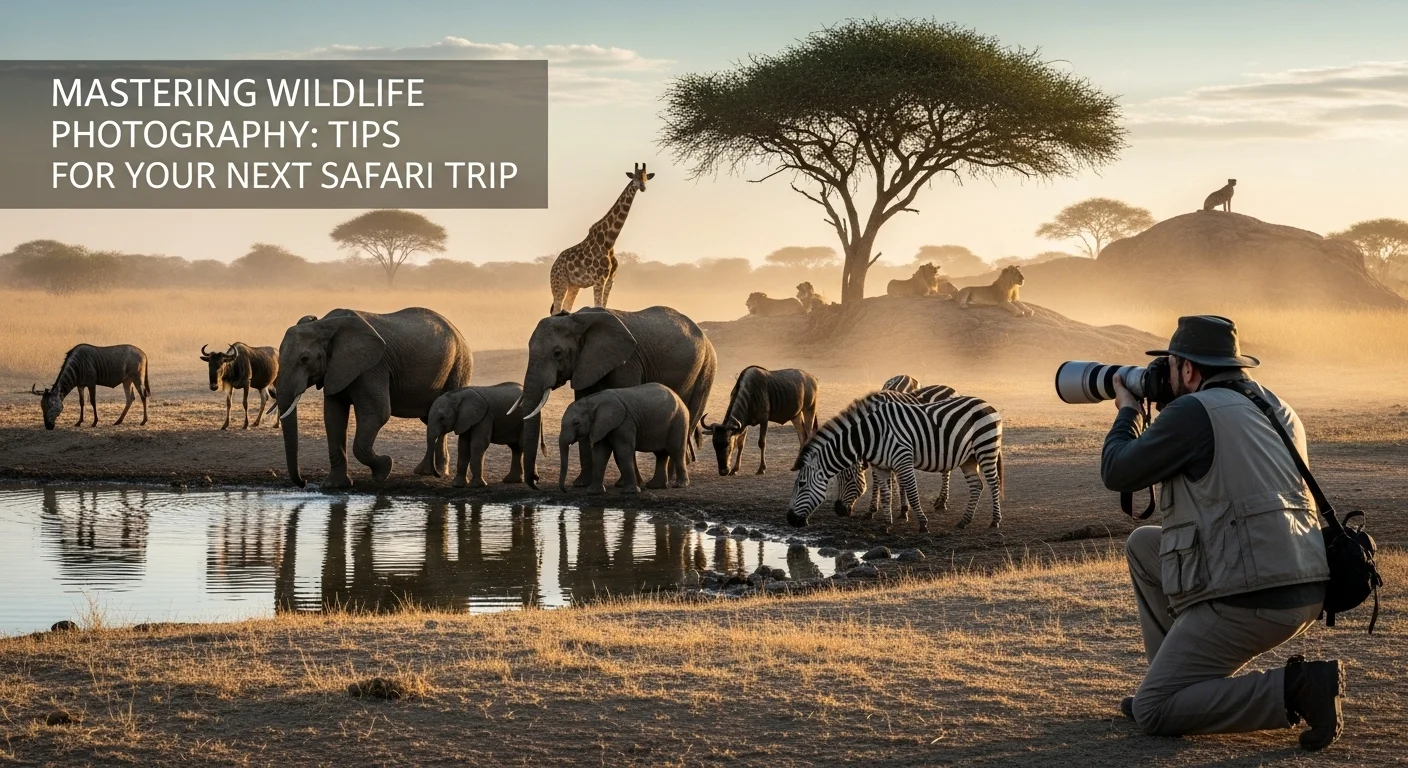
Understanding Wildlife Photography
What is Wildlife Photography?
Wildlife photography is the art of capturing animals in their natural habitats. I remember my first wildlife photo, a fleeting shot of a gazelle darting across the savanna. It was exhilarating! This genre of photography requires not only technical skills but also a deep appreciation for the creatures we encounter. It’s about immersing ourselves in nature, observing animal behavior, and capturing those magical moments that tell a story. From majestic elephants to vibrant birds, every photograph can evoke emotions and inspire conservation efforts.
Key Equipment for Wildlife Photography
When it comes to equipment, I’ve learned the hard way that having the right gear can make all the difference. A good camera, ideally a DSLR or mirrorless, is essential for capturing high-quality images. I recommend investing in a camera with fast autofocus to keep up with unpredictable wildlife movements. A sturdy telephoto lens is also crucial; it allows you to zoom in on animals without disturbing them. My favorite is a 100-400mm lens, which offers versatility for various wildlife scenarios.
Besides the camera and lens, there are some accessories I wouldn’t venture out without. A tripod is invaluable for stability, especially in low-light conditions or when using longer lenses. Consider also bringing along a camera bag that protects your gear from dust and moisture, as wildlife adventures can be unpredictable in terms of weather.
Importance of Patience and Timing
One lesson I’ve learned over the years is that patience is the key to successful wildlife photography. You might find yourself waiting for hours to capture that perfect shot, but believe me, it’s worth it. I remember sitting quietly in a hide, observing a pride of lions resting in the shade. It was only after a long wait that one of them stood up, stretching lazily before heading towards a nearby waterhole. That moment was magical, and my heart raced as I adjusted my settings to capture the scene.
Timing is equally important. Early mornings and late afternoons are often the best times for wildlife viewing, as animals tend to be more active during these hours. I’ve had the most success photographing animals during the golden hour, when the light is soft and warm, creating an enchanting atmosphere for my shots. Learning to understand the rhythms of the wildlife you’re photographing is crucial; spending time researching their behavior can significantly improve your chances of capturing incredible images. Read Interesting article: Capture the Wild: Top Wildlife Photography Tips for Safaris
Planning Your Safari Trip
Choosing the Right Destination
When planning a safari trip, choosing the right destination can make or break your wildlife photography experience. I’ve explored different national parks and reserves, and each one has its unique charm and wildlife. For example, Kenya’s Maasai Mara is famous for its annual wildebeest migration, while Tanzania’s Serengeti offers a rich variety of wildlife year-round. I recommend researching the types of animals you want to photograph and selecting a location that is known for those species. Consider also the park’s accessibility, accommodation options, and the overall experience you seek.
Best Times for Wildlife Viewing
The time of year can greatly affect your wildlife photography opportunities. I’ve found that the dry season (usually from June to October) is often the best time for viewing as animals congregate around water sources. In contrast, during the rainy season, the landscape transforms, and you can witness the birth of many young animals. Each season has its unique beauty, so think about what kind of experience you’re looking for. If you want to capture dramatic skies and lush landscapes, the wet season might be for you. However, if wildlife sightings are your priority, then the dry season is ideal.
Local Wildlife and Their Habitats
Before embarking on your safari, it’s helpful to familiarize yourself with the local wildlife and their habitats. I often spend time researching the specific animals I hope to encounter. For instance, understanding the migration patterns of elephants or the hunting behaviors of lions can help me predict where to find them. Additionally, knowing the types of vegetation and terrain can assist in choosing the best angles and compositions for my photographs. I believe that immersing myself in the environment not only enriches my photography but also deepens my connection to nature.
Essential Photography Gear for Safari
Cameras: DSLR vs. Mirrorless
Choosing the right camera is crucial for wildlife photography, and I’ve had my fair share of experiences with both DSLRs and mirrorless systems. I used to favor DSLRs for their robust build and extensive lens options. However, I’ve recently transitioned to a mirrorless camera, and I have to say, I’m impressed! They are lighter and more compact, which makes them easier to carry on long treks through the wilderness. Plus, the electronic viewfinder allows me to see exposure changes in real-time, which is a game changer when photographing wildlife in varying light conditions.
Both systems have their pros and cons, and I think it ultimately comes down to personal preference. If you’re just starting out, I recommend renting or borrowing both types to see what feels right for you. Whatever you choose, look for a camera that offers fast autofocus and good high-ISO performance, as you may find yourself shooting in low-light situations.
Lenses: Telephoto and Wide-Angle Options
When it comes to lenses, I believe having a good telephoto lens is essential for wildlife photography. A 300mm or 400mm lens allows you to capture stunning close-ups of animals without getting too close for comfort. I remember being able to photograph a cheetah lounging in the grass from a safe distance, and the detail in that shot was breathtaking. It’s like having a front-row seat to nature’s drama!
However, don’t underestimate the power of wide-angle lenses. They are perfect for capturing landscapes and the context of wildlife in their habitats. Sometimes, I find that including the environment in my shots adds depth and tells a more compelling story. I often keep a wide-angle lens handy for those moments when a herd of elephants is silhouetted against a stunning sunset or when a pride of lions is resting on a rocky outcrop.
Accessories: Tripods, Filters, and More
Having the right accessories can enhance your wildlife photography experience. A sturdy tripod is one of my must-haves. It stabilizes my camera, especially when using longer lenses, and it’s invaluable for low-light shooting. I remember a night shoot with fireflies dancing around, and my tripod allowed me to take long exposures without blur.
Filters can also be beneficial. A polarizing filter helps reduce glare and enhances colors, making your images pop. I often use it when photographing waterholes or shiny surfaces; the difference it makes is remarkable. Additionally, a lens cleaning kit is something I never leave without. Dust and moisture can be a wildlife photographer’s worst enemies, and keeping my lens clean is essential for clear shots.
Packable Gear: What to Bring on Safari
Packing for a safari can feel overwhelming, but I’ve learned to keep it simple yet effective. I usually pack my camera body, two or three lenses (including a telephoto and a wide-angle), and a sturdy tripod. Make sure to bring extra batteries and memory cards; I’ve had experiences where I ran out of space just as something incredible was happening. Nothing is worse than missing a shot because you weren’t prepared!
Clothing is just as important. I recommend lightweight, breathable fabrics that help you stay cool in the heat and can layer easily for cooler evenings. Neutral colors like khaki and olive help you blend into the environment, which is crucial for wildlife encounters. A good pair of binoculars is also a great addition; they’re helpful for spotting animals from afar before you bring your camera into play.
Finally, don’t forget about your personal comfort. Sunscreen, a hat, and insect repellent are essential for long days in the field. I’ve had my share of sunburns and bug bites, and trust me, being comfortable allows you to concentrate on your photography without distractions. Read Interesting article: Winter Hiking on a Budget: Tips for Thrill Seekers
Techniques for Capturing Stunning Wildlife Images
Understanding Animal Behavior
One of the most fascinating aspects of wildlife photography is understanding animal behavior. I’ve found that taking the time to learn about the species I want to photograph makes a huge difference. Knowing when they feed, rest, and socialize helps me anticipate their movements. For instance, I discovered that elephants often gather near watering holes during the late afternoon. This knowledge helped me position myself perfectly to capture a stunning image of a family of elephants splashing about.
Every animal has its own quirks, and I love observing these behaviors firsthand. I often take notes during my outings, jotting down what I see; it not only helps me improve but also deepens my appreciation for the wildlife around me.
Composing Your Shots: Rule of Thirds and Beyond
Composition can make or break a photograph. I usually follow the rule of thirds, which helps create a more dynamic and engaging image. Instead of centering my subject, I position it along the grid lines or at the intersections to create balance. However, I’ve also learned that breaking the rules can lead to some stunning shots. Sometimes, a centered subject can be powerful, especially in portraits where you want to capture the essence of the animal.
Don’t forget to consider the background, too. I’ve had experiences where a cluttered background distracts from the subject. I always try to find clean, unobtrusive backgrounds that make the wildlife pop. I believe that a little extra thought into composition can elevate an ordinary wildlife photo into something spectacular.
Adjusting Camera Settings for Wildlife Photography
Being able to adjust your camera settings quickly is vital in wildlife photography. I typically use shutter priority mode, especially when photographing fast-moving animals. This setting allows me to freeze the action while I adjust the aperture for the desired depth of field. I often start with a fast shutter speed, like 1/1000 or 1/2000 of a second, depending on the animal’s speed.
ISO settings also come into play, especially during early morning or late evening shoots. I aim to keep my ISO as low as possible to reduce noise, but I’ll bump it up if the light is low. It’s all about finding that balance to get the clearest shot possible.
Using Natural Light to Your Advantage
Natural light is my best friend in wildlife photography. The golden hour, just after sunrise or before sunset, creates a magical glow that adds warmth and depth to my photos. I try to position my subjects against the light to create beautiful backlighting, which can result in stunning silhouettes or rim lighting. I remember capturing a lioness at sunset, her fur glowing in the golden light, and it remains one of my favorite shots.
Overcast days can also be beneficial. The diffused light softens shadows and highlights, making it easier to capture detail in the fur or feathers of animals. No matter the weather, always be adaptable and ready to make the most of the conditions you encounter.
Safety and Ethical Considerations in Wildlife Photography
Staying Safe in the Wild
When I ventured into the wild for the first time, I was filled with excitement and a bit of nervousness. Understanding safety is crucial when photographing wildlife. I’ve learned that being aware of my surroundings and knowing how to react to different animals can make all the difference. For instance, while photographing elephants, I always keep a safe distance. These massive creatures can be unpredictable, especially if they feel threatened or if calves are around. I’ve had close calls where I had to back away slowly to avoid alarming them.
Another important aspect of safety is being prepared for the environment. I always carry a first-aid kit and know the basics of wilderness survival, just in case. It’s essential to be aware of potential hazards like snakes, insects, and even plants that can cause allergic reactions. One time, I brushed against a thorny bush and learned the hard way to always wear long sleeves and pants when hiking. Staying mindful of the terrain can also help prevent falls and injuries while you’re focused on capturing those perfect shots.
Respecting Wildlife and Their Habitats
Respecting wildlife and their habitats is a principle I hold dear in my photography journey. It’s vital to remember that we are visitors in their world. I always strive to minimize my impact on the environment. For example, I avoid stepping off designated paths, as this can damage delicate vegetation or disturb nesting birds. I’ve found that following local guidelines and respecting wildlife regulations not only protects the animals but also enhances my experience. When I stay on the trails, I can enjoy observing animals without causing them stress or altering their natural behaviors.
I’ve seen firsthand the difference that respect can make. On a trip to a national park, I watched as a group of tourists got too close to a lion pride. The anxiety from the crowd caused the lions to move away, ruining the moment for everyone. I’ve learned that patience and distance often yield much better results. When animals feel safe, they behave more naturally, allowing us to capture their true essence.
Ethical Photography Practices
Ethical photography practices are a topic I feel strongly about. I believe that as wildlife photographers, we have a responsibility to promote conservation and respect for the animals we capture through our lenses. One practice I’ve adopted is to avoid baiting animals. Some photographers may use food to attract wildlife, but I feel this disrupts their natural foraging habits and can lead to dependency on humans. Instead, I prefer to wait for the right moment and let the animals come to me.
Additionally, I take care to avoid photographing animals in distress or in compromising situations. For instance, if I notice a stressed animal, I’ll pack up my gear and move on. It’s essential to keep the well-being of wildlife at the forefront of our minds. I often remind myself that our goal is to capture the beauty of these creatures, not to put them in harm’s way. I’ve found that the most powerful images come from moments when animals are calm and comfortable in their environment.
In my opinion, sharing the story behind each photograph is just as important as the image itself. I often include captions about the animals’ behavior, their habitats, and the challenges they face in the wild. This not only educates others but also raises awareness about conservation efforts. I believe that as wildlife photographers, we can play a crucial role in inspiring others to appreciate and protect the natural world.
Post-Processing Your Wildlife Photos
Basic Editing Techniques
Once I’ve captured my images, the next step is post-processing. This is an area where I’ve honed my skills over time. I start with basic editing techniques like adjusting exposure and contrast. I remember when I first began editing my photos; I was amazed by how a slight tweak in exposure could bring out the details in the shadows and highlights. I usually use software like Adobe Lightroom, which offers a user-friendly interface for beginners.
Cropping is another technique I often apply. Sometimes, I find that a simple crop can eliminate distractions and focus the viewer’s attention on the subject. I also pay attention to color correction; ensuring that the colors reflect the natural beauty of the scene is important to me. I have learned that subtle adjustments can bring an image to life without making it look overly processed.
Advanced Photo Editing Software
As I’ve progressed, I’ve explored advanced photo editing software like Adobe Photoshop. I find that it provides more tools for fine-tuning images. One of my favorite techniques is layering, which allows me to blend different exposures for high dynamic range (HDR) images. This technique can be particularly stunning for landscapes where both the sky and the foreground need to be well-exposed. I often combine multiple images to achieve a result that reflects the beauty I experienced in the moment.
Another feature that I love is the healing brush tool. It’s perfect for removing distractions, such as small branches or dust spots that can take away from the overall composition of the shot. I’ve found that investing time in learning these advanced techniques can significantly elevate the quality of my wildlife photography.
Creating a Consistent Style
Over time, I’ve realized that developing a consistent style is key to building a recognizable portfolio. I often experiment with different editing styles and techniques, but I always keep an eye on maintaining a cohesive look across my work. I find that consistency in color grading and exposure helps to create a strong visual narrative.
I also enjoy adding subtle borders or watermarks to my images. It’s a small touch, but it can make a big difference in presenting my work professionally. I often look to my favorite wildlife photographers for inspiration but always strive to put my unique spin on my images. It’s all about finding that balance between my artistic vision and the authenticity of the wildlife I’m capturing.
Frequently Asked Questions
What is wildlife photography?
Wildlife photography is the art of capturing animals in their natural habitats. It involves technical skills and a deep appreciation for the creatures, focusing on observing animal behavior and capturing moments that tell a story.
What equipment is essential for wildlife photography?
Essential equipment includes a good camera, preferably a DSLR or mirrorless, with fast autofocus capabilities. A sturdy telephoto lens, such as a 100-400mm, is crucial for zooming in on animals without disturbing them. Accessories like a tripod for stability and a camera bag for protection from dust and moisture are also important.
Why is patience important in wildlife photography?
Patience is key because capturing the perfect shot often requires waiting for long periods. Understanding animal behavior and timing your presence during active hours increases the chances of getting a magical moment.
What are the best times for wildlife viewing?
The best times for wildlife viewing are early mornings and late afternoons when animals are more active. The golden hour provides soft, warm light that enhances photographs.
How should I plan my safari trip for photography?
When planning a safari, choose a destination known for the wildlife you want to photograph, consider the best times of year for viewing, and familiarize yourself with local wildlife and their habitats to enhance your experience.
What types of camera systems are recommended for wildlife photography?
Both DSLR and mirrorless camera systems are recommended. DSLRs are known for their robust build and lens options, while mirrorless cameras are lighter and more compact, offering advantages in mobility and real-time exposure viewing.
What lens types should I consider for wildlife photography?
A good telephoto lens (300mm or 400mm) is essential for capturing close-ups of animals without getting too close. Wide-angle lenses can also be beneficial for capturing landscapes and the context of wildlife in their habitats.
What safety precautions should I take while photographing wildlife?
It’s important to be aware of your surroundings and know how to react to different animals. Keeping a safe distance, carrying a first-aid kit, and being prepared for the environment can help ensure safety while photographing wildlife.
What ethical practices should I follow in wildlife photography?
Ethical practices include avoiding baiting animals, not photographing animals in distress, and respecting wildlife habitats. It’s crucial to minimize your impact on the environment and promote conservation through your photography.
What should I consider during post-processing of wildlife photos?
During post-processing, basic editing techniques like adjusting exposure, cropping, and color correction are important. As you progress, advanced techniques in software like Adobe Photoshop can help fine-tune images and create a consistent style across your portfolio.