
Mountain climbing is an exhilarating adventure that demands not just physical strength but also a keen understanding of safety. Knowing how to respond in emergencies can make all the difference between a memorable ascent and a life-threatening situation.
Understanding Mountain Climbing Safety
The Importance of Safety in Mountain Climbing
When I first ventured into mountain climbing, I was captivated by the breathtaking views and the thrill of reaching new heights. But alongside that excitement, I quickly learned that safety has to be my top priority. The mountains can be unpredictable, and a single misstep can lead to serious consequences. That’s why I believe that understanding and respecting safety protocols in climbing is essential for everyone, whether you’re a beginner or an experienced mountaineer. Read Interesting article: Stay Safe: First Aid Gear for Your Next Mountain Climb
For me, safety is not just about avoiding accidents; it’s about creating an environment where I can enjoy my climbing experience to the fullest. This means being well-prepared and informed about how to prevent and respond to potential hazards. We all want to return home safely after our adventures, and the first step in achieving that is to embrace a safety-first mentality.
Common Risks and Hazards in Mountain Environments
As I began my climbing journey, I was surprised by the variety of risks I encountered. From sudden weather changes to the physical challenges posed by altitude, I quickly learned that being prepared is vital. Here are some common risks I’ve come across:
- Altitude Sickness: As you ascend, the air thins, leading to symptoms like headaches, nausea, and fatigue. I experienced mild altitude sickness on my first high-altitude climb, which made me realize the importance of acclimatization.
- Weather Changes: Mountain weather can shift dramatically. One moment it’s sunny, and the next, a storm rolls in. I’ve been caught in unexpected rain showers, which made me appreciate the need for proper gear.
- Falls: Slips and falls are common, especially on steep or rocky terrain. I’ve had my share of near-misses and learned the hard way that footing and balance are crucial.
- Wildlife Encounters: While most animals will avoid humans, I’ve learned to respect their territory. A scared animal can be unpredictable, so knowing how to behave around wildlife is essential.
Understanding these risks has helped me prepare better for my climbs. Each hazard comes with its own set of precautions, and taking the time to learn about them can be a game-changer for both safety and enjoyment.
First Aid Essentials for Mountain Climbers
Basic First Aid Kit Contents
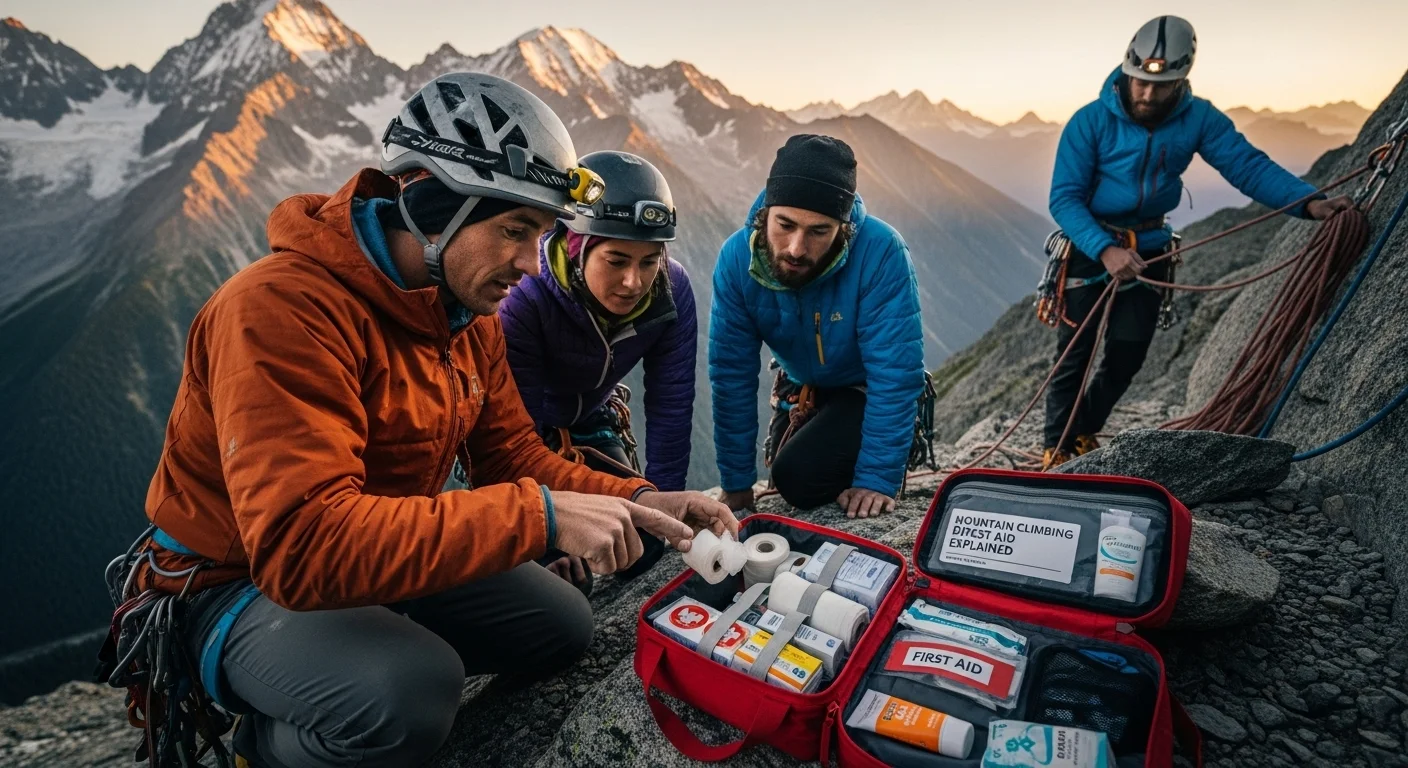
After my first few climbing trips, I realized that having a well-equipped first aid kit is non-negotiable. I always carry a basic first aid kit, and I recommend that all climbers do the same. Here’s what I include in mine:
- Adhesive Bandages: These are great for minor cuts and scrapes. I can’t tell you how many times I’ve needed one!
- Gauze Pads and Tape: For larger wounds, gauze pads are essential. I’ve used them to cover cuts and prevent infection.
- Antiseptic Wipes: I always carry antiseptic wipes to clean wounds before applying bandages.
- Pain Relievers: Ibuprofen or acetaminophen can help with headaches or muscle soreness after a long day of climbing.
- Elastic Bandages: These are perfect for wrapping sprains and strains, which I’ve found helpful more than once.
Having these basic supplies has helped me feel prepared and safe on my climbs. It’s reassuring to know that I’m equipped to handle minor injuries while enjoying the great outdoors. Additionally, I recommend checking out Essential First Aid Tips for Mountain Climbing Adventures for more insights.
Advanced First Aid Supplies for Climbers
As I gained more experience, I expanded my first aid kit to include advanced supplies. These items can be crucial in more serious situations:
- Splints: In case of fractures, a splint can stabilize the injury until professional help is available.
- Emergency Blankets: These compact blankets can help keep someone warm in case of hypothermia, which I learned is a real risk even in the summer months in higher altitudes.
- Tape for Blisters: Blisters can ruin a climbing trip, and I’ve learned that prevention is key. I always carry special blister tape.
- Burn Cream: I once encountered a climber with a bad sunburn. Having burn cream can help soothe the pain until they can get more help.
These advanced supplies have given me peace of mind, knowing I can address more serious issues if they arise on the mountain. It’s all about being prepared for anything that might come my way. Also, consider reading the Ultimate Guide to Budget-Friendly Climbing Equipment for tips on ensuring you have the right gear.
Personal Medications and Special Considerations
I also believe that personal medications and considerations should not be overlooked. If you have any specific health issues or allergies, it’s essential to carry your medications. For example, I have seasonal allergies, so I always bring antihistamines when I’m out climbing. It’s also wise to inform your climbing partners about any medical conditions so they can assist you in case of an emergency.
Additionally, I recommend carrying a small notebook to jot down important medical information for yourself and your climbing companions. This includes allergies, medical conditions, and emergency contact numbers. You never know when this information might come in handy.
By taking these steps, I’ve learned that I can enjoy my climbing adventures while being prepared for whatever might come my way. Being informed, equipped, and ready helps turn potential emergencies into manageable situations.
Common Injuries and How to Treat Them
Sprains and Strains
During my climbs, I’ve seen sprains and strains happen more often than I’d like to admit. These injuries usually occur when we push our bodies too hard or stumble on uneven terrain. I remember one particular hike where I twisted my ankle while navigating a rocky path. It was painful, but having some basic first aid knowledge helped me manage the situation. To treat a sprain, I followed the R.I.C.E. method: Rest, Ice, Compression, and Elevation. Resting was key; I took a break, sat down, and elevated my foot. I also applied ice to reduce swelling. Compressing the area with an elastic bandage was another step that helped me feel more stable as I made my way back down. I learned that understanding how to respond to these injuries can make a big difference in recovery time and pain management.
Fractures and Broken Bones
Fractures are definitely one of my biggest fears when climbing. I’ve heard countless stories of climbers who’ve suffered serious breaks. If you suspect that someone has a fracture, it’s crucial to keep them as still as possible to prevent further injury. During one climb, I witnessed a fellow climber fall and land awkwardly. It was a tense moment as we assessed the situation. We knew we had to make a splint using nearby materials to immobilize the injured limb. This can be done with sticks and a bandage or even a piece of clothing. It’s all about stabilizing the area until professional medical help can be reached. I’ve learned that knowing how to handle fractures can ease the panic in an emergency and help the injured climber stay calm.
Altitude Sickness
Altitude sickness is something I’ve personally experienced, and it’s no joke. As I climbed higher, I felt dizzy, nauseous, and incredibly fatigued. It was a wake-up call about the impact of altitude on our bodies. If you or someone in your climbing group starts showing symptoms, the best immediate action is to descend to a lower elevation. Hydration is crucial, so drinking water can help alleviate symptoms. I also found that eating light snacks helped me feel a bit better. It’s important to recognize the signs early because avoiding altitude sickness is far easier than treating it once it sets in.
Hypothermia and Frostbite
On one of my more challenging climbs in winter, I encountered the harsh reality of hypothermia and frostbite. I remember feeling the chill seep into my bones despite wearing layers. Recognizing the early symptoms of hypothermia, like shivering and confusion, is vital. When I noticed my friend starting to slur his words, we took immediate action. We got him warm and dry, using extra clothing and emergency blankets. For frostbite, especially on fingers and toes, it’s important to warm the affected areas gradually, avoiding direct heat sources like stoves, which can cause burns. Keeping moving and finding shelter from the wind is essential in these situations.
Heat Exhaustion and Heat Stroke
Climbing in hot weather can be just as dangerous as climbing in the cold. On particularly hot days, I’ve felt the effects of heat exhaustion creeping up on me. Symptoms include heavy sweating, weakness, and dizziness. I learned the hard way to always carry plenty of water and take breaks in the shade. If heat exhaustion is suspected, it’s best to cool down by resting in a shaded area, drinking cool water, and applying wet cloths to your skin. Heat stroke, however, is much more severe and requires immediate medical attention. Recognizing the difference between the two can be crucial, and I always keep a close eye on my hydration levels during hot climbs.
Wounds and Lacerations
Minor cuts and lacerations are almost a given when you’re hiking through rough terrain. I’ve had my share of scrapes, especially when climbing over jagged rocks. It’s essential to clean the wound properly, using antiseptic wipes from my first aid kit, and then cover it with a bandage. I’ve learned that keeping wounds clean can prevent infections, which is vital when you’re far from medical help. If a wound is deep or bleeding heavily, applying direct pressure can help control the bleeding until professional help is available. Trust me; you want to be prepared for anything when you’re out in the wilderness!
Prevention Strategies for Mountain Climbing Injuries
Proper Gear and Equipment
Over the years, I’ve learned that the right gear can be a game changer in preventing injuries while mountain climbing. When I first started, I didn’t realize how crucial it was to invest in quality equipment. I remember hiking in a pair of old boots that had seen better days. My feet were sore, and I was constantly worrying about slipping on rocky terrain. Since then, I’ve made it a point to choose appropriate footwear that offers both comfort and support. A good pair of climbing shoes can make all the difference in stability and grip.
Aside from footwear, I’ve found that wearing the right clothing is equally important. Layering is essential because temperatures can fluctuate dramatically. I always opt for moisture-wicking fabrics that keep me dry and warm. Don’t forget about essentials like helmets and harnesses, which protect against falls and head injuries. Proper gear not only enhances performance but also significantly reduces the risk of injury, allowing me to focus on the climb rather than worrying about my safety.
Physical Conditioning and Training
I can’t stress enough how important physical conditioning is for mountain climbing. When I first started, I underestimated the physical demands of climbing. I quickly realized that a solid fitness routine helps build endurance and strength. I began incorporating various exercises like hiking, running, and strength training into my weekly routine. I found that a strong core and legs made a huge difference in my climbing performance.
Flexibility is another crucial aspect that I’ve come to value. Stretching regularly helps prevent injuries and enhances my climbing technique. I often include yoga in my routine, which not only improves flexibility but also helps with balance. I believe that staying in shape not only prepares my body for the climb ahead but also boosts my confidence, knowing that I’m physically ready to tackle any challenge.
Weather Awareness and Planning
One of the lessons I learned early on is that weather can make or break a climbing trip. I remember setting out on a climb without checking the forecast, only to be met with unexpected rain and cold winds. Since that experience, I always make it a priority to check the weather before heading out. I use apps and websites that provide detailed forecasts, and I also keep an eye on the weather patterns as I climb.
Understanding the signs of changing weather can be just as important as the forecast itself. I’ve learned to recognize when dark clouds are rolling in or when the wind picks up, indicating a storm might be on its way. Planning around the weather not only enhances the experience but also significantly reduces the risks associated with sudden climate changes, making my climbs safer and more enjoyable.
Know Your Limits: Assessing Skill Levels
One of the toughest lessons I’ve faced is recognizing my own limits. In the beginning, I was eager to tackle challenging routes, often pushing myself beyond what I was truly ready for. I remember one particular climb where I pushed through my comfort zone, only to find myself feeling overwhelmed and fatigued. It was a wake-up call that made me realize the importance of assessing my skill level honestly.
Since then, I’ve made it a point to choose climbs that align with my abilities while still challenging myself. I’ve also learned the value of climbing with partners who can help gauge each other’s skill levels. It’s essential to communicate openly about any concerns or fears, as this fosters a safer climbing environment. Knowing our limits not only enhances our safety but also allows us to enjoy the journey without unnecessary stress.
Emergency Response Procedures
Assessing the Situation
In my experience, the first step in any emergency is to assess the situation calmly. During one of my climbs, a fellow climber fell and injured themselves. In the chaos, I took a deep breath and focused on evaluating the scene. I checked to see if the area was safe to approach and assessed the injured climber’s condition. I learned that staying calm allows you to think more clearly and make better decisions in a high-pressure situation.
It’s important to check for any immediate dangers, such as falling rocks or unstable terrain. Once I felt it was safe, I approached the injured climber to assess their injuries. Having a clear plan in mind helped me stay focused on what needed to be done, whether it was providing first aid or calling for help. I believe that knowing how to assess a situation can make a world of difference in ensuring everyone’s safety during emergencies.
Communicating in an Emergency
Effective communication is essential during emergencies, especially when climbing in remote areas. I remember a time when a friend of mine fell ill on the trail. I quickly realized that I needed to communicate clearly with the rest of our group to coordinate a response. I made sure to speak calmly and provide clear instructions on what needed to be done.
Using hand signals is also a valuable tool when it’s too noisy to hear each other, especially in windy conditions. I’ve also learned to designate a leader in our climbing group who can make decisions if something goes wrong. This helps streamline communication and ensures everyone knows their role in an emergency. Being prepared to communicate effectively can help mitigate panic and lead to quicker resolutions during crises.
Evacuation Techniques
Knowing how to evacuate an injured climber is something I never took lightly. During one of my climbs, I had to assist a partner who had sustained a serious injury. We had to move quickly but carefully to ensure their safety. We used a makeshift stretcher and worked together to carry them down to a more accessible point where help could reach them.
I’ve learned that there are various techniques for evacuation, depending on the severity of the injury and location. In some cases, moving the person might not be the best option if it risks further injury. I’ve found that practicing these techniques in a safe environment can prepare us for real-life situations. Being equipped with knowledge about evacuation can truly be lifesaving.
When to Seek Professional Help
Deciding when to seek professional help can be tough, especially in remote areas. I remember a climb where a member of our group was in severe pain and unable to walk. After assessing the situation, we determined that it was vital to get them medical attention right away. It’s crucial to recognize when a situation is beyond our capabilities.
Having a plan for emergencies, including knowing the nearest access points for rescue services, can be invaluable. I always carry a map and familiarize myself with the area before heading out, which has helped me feel more prepared. I believe that knowing when to ask for help is a key aspect of mountain climbing safety, as it can prevent worsening injuries and ensure everyone returns home safely.
Frequently Asked Questions
What are the common risks associated with mountain climbing?
Common risks in mountain climbing include altitude sickness, sudden weather changes, falls, and wildlife encounters. Being aware of these hazards is vital for preparation and safety.
What should be included in a basic first aid kit for mountain climbing?
A basic first aid kit for climbers should include adhesive bandages, gauze pads and tape, antiseptic wipes, pain relievers, and elastic bandages.
How can altitude sickness be prevented or treated?
Altitude sickness can be prevented by acclimatizing and ascending gradually. If symptoms occur, the best immediate action is to descend to a lower elevation and stay hydrated.
What is the R.I.C.E. method for treating sprains?
The R.I.C.E. method stands for Rest, Ice, Compression, and Elevation. It helps manage pain and swelling after a sprain or strain.
What precautions should be taken to avoid hypothermia while climbing?
To avoid hypothermia, it is important to recognize early symptoms such as shivering and confusion, and to keep warm and dry using extra clothing and emergency blankets.
How can climbers prepare for sudden weather changes?
Climbers should check the weather forecast before heading out, recognize signs of changing weather, and plan their climbs to avoid risks associated with sudden climate changes.
What should climbers do in case of an emergency?
In case of an emergency, it is crucial to assess the situation calmly, communicate effectively with others, and know evacuation techniques if necessary.
When should climbers seek professional medical help?
Climbers should seek professional medical help when injuries are severe, such as when someone is in severe pain or unable to walk, or when a situation is beyond their capabilities to manage.
What role does physical conditioning play in mountain climbing?
Physical conditioning is essential for building endurance and strength, which enhances climbing performance and helps prevent injuries. Regular exercise, including strength training and flexibility practices, is recommended.
Why is it important to know your limits while climbing?
Knowing your limits is crucial to ensure safety while climbing. It helps in selecting appropriate climbs and prevents pushing oneself too hard, which can lead to fatigue and accidents.