
Backpacking doesn’t have to break the bank! With the right gear and a little planning, you can explore the great outdoors without overspending. Let’s dive into the essentials you need for an incredible adventure on a budget. Read Interesting article: Top 10 Essential Gear Items for Budget Backpackers
Understanding Backpacking Gear Basics
What is Backpacking Gear?
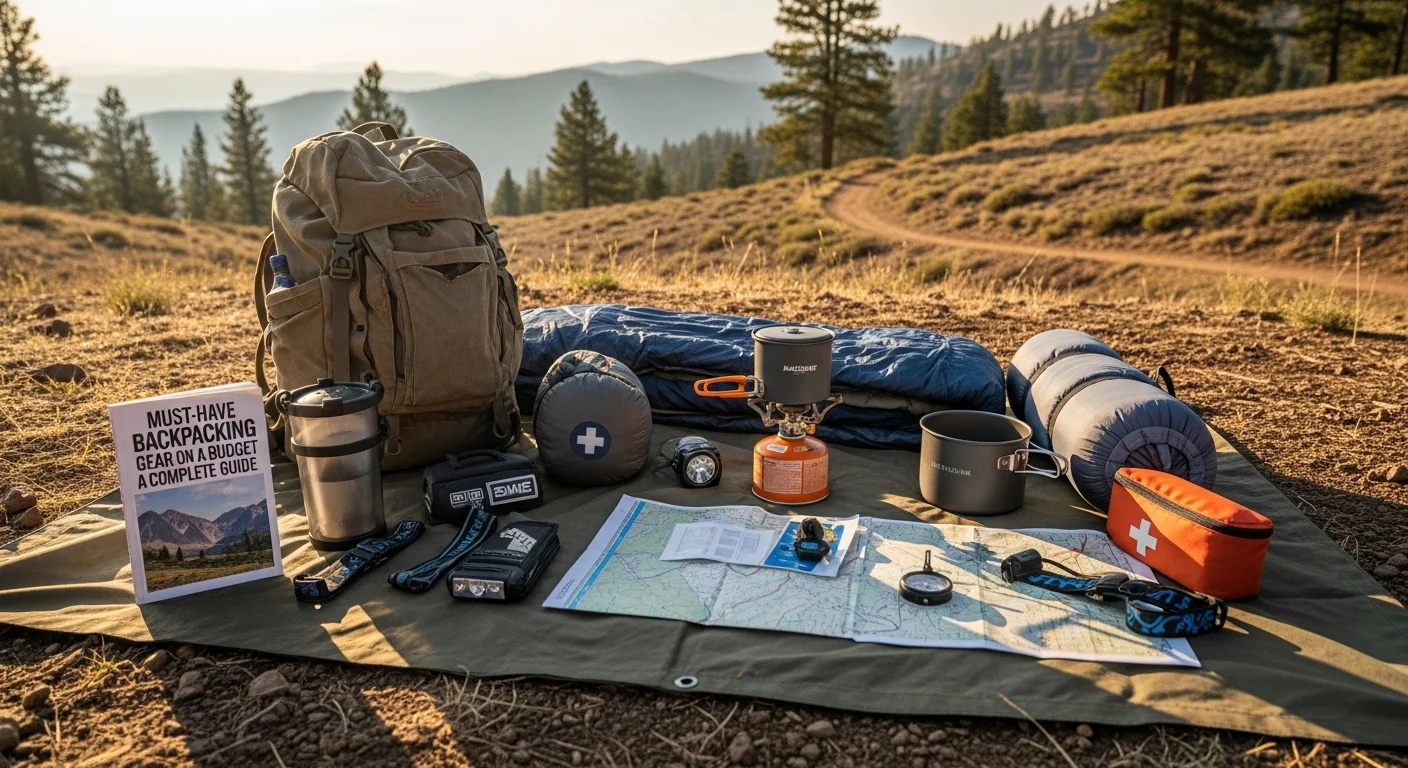
Backpacking gear is essentially the equipment you need to carry with you while hiking and camping. This includes everything from your backpack, tent, and sleeping bag to cooking gear and clothing. Each item has a specific purpose, making it crucial for a successful and enjoyable trip. I remember when I first started backpacking; I was overwhelmed by the choices! But once I got a grasp of the essentials, it became much easier to choose what I needed.
Importance of Choosing Budget-Friendly Options
Choosing budget-friendly options is key for many of us who love hiking but don’t want to spend a fortune. I’ve felt the pressure of wanting the latest and greatest gear, but I’ve learned that you can find great quality without the hefty price tag. Budget-friendly gear allows us to invest in experiences rather than just equipment. Plus, it gives us the freedom to replace or upgrade gear as we grow in our backpacking journey, without feeling guilty about the cost! For more insights, check out Budget Backpacking: Enjoy Exclusive Events Without Breaking the Bank.
Essential Backpacking Gear Categories
Backpacks
The backpack is your home away from home on the trail. It needs to be comfortable, durable, and spacious enough for your gear. I once made the mistake of choosing a cheap backpack that didn’t fit well, and it made my hike miserable! Look for packs around 50-70 liters for multi-day trips, with features like adjustable straps and good ventilation. There are lots of affordable options that don’t skimp on quality.
Tents
A reliable tent is essential for a good night’s sleep in the wilderness. I remember my first camping trip with a budget tent that leaked—needless to say, it was a soggy experience! When selecting a tent, consider weight, ease of setup, and weather resistance. Many reputable brands offer budget-friendly tents that can withstand the elements without costing an arm and a leg.
Sleeping Bags
Your sleeping bag can make or break your camping experience. A warm, comfortable bag is worth its weight in gold, especially on chilly nights. I’ve found that synthetic bags are often more affordable and easier to care for than down bags. Make sure to choose one rated for the temperatures you expect to encounter. For budget options, look for sales or consider last season’s models; they can be significantly discounted!
Cooking Equipment
Cooking equipment is often overlooked but is vital for enjoying good meals in the wild. From camp stoves to pots and utensils, keeping it lightweight and compact is key. I’ve tried cooking over a campfire, but I found a small, portable camping stove made my meals easier and faster to prepare. Look for affordable options that include everything you need without compromising on weight or size.
Clothing
Choosing the right clothing can be tricky on a budget. I used to think I needed the most expensive gear to stay warm and dry, but I learned that layers are the way to go. Base layers, insulating layers, and waterproof outer layers can be found without spending a fortune. Look for moisture-wicking fabrics and breathable materials. Thrift stores can also be treasure troves for affordable outdoor clothing!
Footwear
Comfortable shoes are crucial for any backpacking trip. I can’t stress enough how important it is to invest in a good pair of hiking boots or shoes. On my first hike, I wore sneakers and ended up with sore feet. Look for footwear that offers support, traction, and durability. There are plenty of budget-friendly options that still provide the comfort and support you need on the trail.
Navigation Tools
Even if you think you know the trail, having navigation tools is essential. I used to rely solely on my phone for directions, but I quickly learned that a physical map and compass are invaluable. They don’t run out of battery and can help you find your way in case of emergencies. You can find affordable maps at outdoor stores or even online.
First Aid Kits
No one wants to think about injuries while out hiking, but having a first aid kit is a must. I once tripped and scraped my knee, and having a kit made all the difference. You don’t need an elaborate kit; just the basics like band-aids, antiseptic wipes, and pain relievers will do. Many budget-friendly options are available that come pre-packed, making it easy to grab one before you head out.
Budget-Friendly Backpacking Gear Recommendations
Best Affordable Backpacks
Finding a good backpack on a budget is like discovering hidden treasure. I remember the joy of stumbling upon a lightweight backpack that fit me perfectly and didn’t cost a fortune. Look for brands that offer quality at lower prices, such as REI Co-op or Kelty. They often have solid options around $100 or even less during sales. I’ve found that features like hydration reservoir sleeves, multiple compartments, and padded hip belts can be really helpful without stretching your wallet. I recommend checking out online reviews to find the best fit for your needs before making a purchase.
Cost-Effective Tent Options
When I was on a budget, I turned to brands like Coleman and MSR for affordable tents that still hold up against the elements. You can find good two-person tents for under $150 that are lightweight and easy to set up. I’ve had a great experience with a tent from REI Co-op that’s not only budget-friendly but also has excellent weather resistance. It’s always worth looking at user reviews to see how they perform in real-world conditions. Don’t forget to check if the tent comes with a footprint, as that can save you a bit more in the long run.
Top Budget Sleeping Bags
Finding a warm, reliable sleeping bag doesn’t have to mean emptying your bank account. I’ve had great experiences with sleeping bags from brands like Teton Sports and Coleman, which often cost less than $100. These bags provide warmth and comfort, and they’re often rated for various temperatures. I particularly love synthetic sleeping bags since they dry quickly and are less expensive than down. Keep an eye on clearance sales; I’ve scored some fantastic deals on last year’s models that perform just as well!
Inexpensive Cooking Gear
Cooking gear doesn’t need to be costly to be effective. I started with a basic camp stove from a budget brand and a lightweight pot set that didn’t break the bank. Brands like GSI Outdoors and MSR offer affordable utensils and cook sets that pack nicely. I also recommend getting a simple lighter and a few reusable containers to make meal prep easier. When I first started, I thought I needed a full kitchen, but I learned that a few quality pieces can go a long way. Look for multi-functional tools to save space and money!
Affordable Clothing Essentials
When it comes to clothing, I’ve found that layering is key. I often shop at places like Patagonia’s Worn Wear or even thrift stores for deals on outdoor clothing. Brands like Columbia and North Face frequently have sales on their older models, which can save you a lot. I focus on breathable base layers and insulating fleeces, which can all be found reasonably priced. Just remember to check the fabric—moisture-wicking and quick-drying materials are worth the extra effort to find, as they make a big difference in comfort.
Value Footwear for Backpacking
Good footwear is one area I won’t skimp on. I learned the hard way that uncomfortable shoes can ruin a trip. Brands like Merrell and Salomon offer budget-friendly hiking shoes and boots that provide excellent support. I recommend trying them on and taking a few laps in the store to ensure they fit well. Look for sales or clearance sections, as you can often find great deals on last season’s models. Investing a little more here can make all the difference in comfort during your hikes.
Budget Navigation Tools
For navigation, I love the simplicity of a good map and compass. I’ve found that printed maps from local ranger stations or parks are often free or very cheap. Pair that with a basic compass, which can usually be found for around $20, and you’re set. I also keep a portable GPS device handy, but I make sure it’s loaded with offline maps. The key is to be prepared—having both digital and physical navigation tools ensures I’m ready for anything while hiking.
Affordable First Aid Solutions
Creating a first aid kit on a budget is easier than I thought. I’ve built my kit over time, starting with a basic pre-packed option that cost around $20. I added personal items like specific medications and a few additional bandages. Many local outdoor stores offer affordable first aid kits that cover the essentials. I like to keep my kit lightweight and compact, ensuring it fits easily in my backpack. It’s comforting to know I’m prepared without spending a fortune!
Where to Buy Budget Backpacking Gear
Online Retailers
Shopping online for backpacking gear has become one of my favorite ways to discover budget-friendly options. I love browsing websites like Amazon, REI, and Backcountry, where I can compare prices and read user reviews. One trick I’ve learned is to use price tracking tools or browser extensions that notify me when prices drop. It’s like having my own personal shopper! Also, don’t forget to check out clearance sections on these sites; I’ve found some amazing deals there. Just make sure to read the return policy, just in case the gear doesn’t meet your expectations.
Local Outdoor Stores
There’s something special about walking into a local outdoor store. I find that chatting with the staff can be incredibly helpful. They often have insights on which products are worth the investment and which ones to avoid. Plus, many local shops offer discounts for first-time customers or have membership programs with benefits. I’ve also encountered some great deals during their seasonal sales. Supporting local businesses while getting quality gear feels good, and I love the sense of community it fosters.
Second-Hand Marketplaces
Buying second-hand gear has saved me a significant amount of money over the years. I’ve found some excellent hiking boots and tents through apps like OfferUp, Facebook Marketplace, and even eBay. When buying used, I always check the item thoroughly in person or ask for detailed photos and descriptions if it’s online. I remember scoring a nearly-new sleeping bag for half the retail price simply because someone was upgrading. Just be cautious and trust your instincts—if something doesn’t feel right, it’s okay to walk away!
Seasonal Sales and Discounts
Timing can make all the difference when it comes to buying gear. I’ve learned to keep an eye on seasonal sales, which typically happen at the end of summer or winter. Major retailers often have clearance events to make way for new inventory. I also subscribe to newsletters from my favorite outdoor brands to stay informed about upcoming promotions. One year, I snagged a high-quality tent for 40% off during a spring sale, and it felt like winning the lottery! Sales events like Black Friday or Prime Day can also be great opportunities to save.
Tips for Backpacking on a Budget
Prioritizing Gear for Your Needs
When I first started backpacking, I felt the urge to buy everything on the market. But over time, I learned to prioritize what I truly needed. I recommend making a list of essential gear based on the type of trips you plan to take. For instance, if you’re just starting, focus on the basics like a good backpack, shelter, and sleeping gear. As I became more experienced, I was able to invest in specialized gear based on my needs, like lightweight cooking equipment for longer treks. This approach not only saves money but also prevents clutter in your gear collection!
Maintaining and Repairing Gear
Taking care of my gear has been a game changer for extending its lifespan. I’ve learned a few simple maintenance tips that keep my items in good shape. For example, washing my sleeping bag according to the manufacturer’s instructions and regularly checking my tent for leaks can save me from costly replacements. There have been times when I found a small tear in my backpack; instead of replacing it, I was able to patch it up with some fabric glue. Investing a bit of time in maintenance can go a long way in preserving the gear we’ve chosen to invest in.
Renting vs. Buying Gear
If you’re just dipping your toes into backpacking, renting gear can be an excellent way to save money. I’ve rented tents and backpacks from outdoor stores before committing to a purchase, and it helped me figure out what I really liked. Many local outdoor shops offer rental programs that allow you to test out high-quality gear without the hefty price tag. Plus, if you decide that backpacking isn’t for you, you won’t be stuck with expensive equipment gathering dust in your closet!
Utilizing Gear Swaps and Community Resources
Gear swaps are a fantastic way to acquire budget-friendly items and connect with fellow outdoor enthusiasts. I’ve attended local gear swaps where people trade or sell their gently-used items. It’s a great way to find unique pieces while sharing stories with other backpackers. Additionally, many communities have groups focused on outdoor activities where members lend or share gear. Joining these communities has not only saved me money but also enriched my backpacking experience through shared knowledge and camaraderie.
Planning Your Backpacking Trip on a Budget
Choosing Budget-Friendly Destinations
When it comes to backpacking, the destination can greatly impact your budget. I’ve discovered that some of my best trips were to lesser-known trails or national parks that don’t charge entrance fees. Researching local terrain or state parks often reveals hidden gems that offer stunning views without the crowds and costs associated with popular spots. I also love taking advantage of “shoulder season” times, which are right before or after peak seasons, to find lower accommodation and permit fees.
Planning Meals and Food Costs
Food is one area where it’s easy to overspend when planning a backpacking trip. What I’ve found helpful is meal prepping before the trip. I usually make a list of simple, lightweight meals that are easy to cook on the trail. Dehydrated or freeze-dried meals can be a bit pricey, so I often prepare my own at home. I’ve discovered that packing items like oatmeal, rice, and nuts can keep costs low while still providing plenty of energy for the hike ahead. Plus, cooking in the wilderness can be a fun experience that enhances the overall adventure!
Transportation Options
Getting to your destination can also add up quickly. I’ve used carpooling with friends to split gas costs, making it cheaper for everyone involved. If you’re going solo, consider public transportation options that can take you close to your hiking destination. I’ve even used ride-sharing apps to find rides to trailheads for a fraction of the cost of renting a car. Being flexible with timing and routes can help you save money while still getting to enjoy the great outdoors.
Free Activities and Attractions
Once I’m at my destination, I love exploring free activities around the area. Many national and state parks offer free ranger-led programs or guided hikes that can enrich your experience without costing a dime. I’ve also found amazing viewpoints and hidden trails that don’t require permits. Taking the time to explore these free attractions has led me to some of the most memorable moments on my trips. It’s a reminder that nature itself offers countless opportunities for adventure—all we need to do is show up!
Backpacking Gear Safety and Maintenance
Gear Care Tips
Proper maintenance of your gear is essential for ensuring safety and longevity. I always clean my cooking equipment after each trip to prevent any leftover food from attracting pests. It’s also a good idea to check zippers and seams on my tent and backpack before hitting the trail. I’ve learned that taking a few minutes to inspect my gear can make a huge difference in avoiding issues while out in the wilderness. Additionally, storing gear in a cool, dry place helps maintain its integrity and performance.
Safety Equipment Essentials
Having the right safety equipment is crucial for any backpacking trip. I always pack a multi-tool, headlamp, and extra batteries. These small items can make a big difference in emergencies. I also keep a whistle and a mirror in my pack, which are lightweight and can be lifesavers in case I need to signal for help. Over the years, I’ve learned that being prepared can enhance my peace of mind while exploring, allowing me to fully enjoy the experience.
Emergency Preparedness on a Budget
Preparing for emergencies doesn’t have to mean spending a fortune. I’ve created a compact emergency kit that includes essentials like a first aid manual, emergency blanket, and a small fire starter—all for under $30. Additionally, I always let someone know my planned route and expected return time. In my experience, staying informed and prepared is the best way to ensure a safe and enjoyable adventure.
Frequently Asked Questions
What is backpacking gear?
Backpacking gear is the equipment needed to carry while hiking and camping, including items like a backpack, tent, sleeping bag, cooking gear, and clothing. Each item serves a specific purpose, making it essential for a successful trip.
Why is it important to choose budget-friendly options for backpacking gear?
Choosing budget-friendly options allows backpackers to enjoy the outdoors without overspending. It enables investment in experiences rather than just equipment and provides the freedom to replace or upgrade gear as one progresses in their backpacking journey.
What should I look for when choosing a backpack for backpacking?
When choosing a backpack, look for comfort, durability, and adequate space for your gear. Packs between 50-70 liters are typically suitable for multi-day trips, and features such as adjustable straps and good ventilation are also important.
How can I find reliable and affordable tents for backpacking?
Look for reputable brands like Coleman and MSR that offer good quality budget tents. Consider factors like weight, ease of setup, and weather resistance, and check for user reviews to ensure they meet your needs.
What type of sleeping bag is recommended for budget backpacking?
Synthetic sleeping bags are often more affordable and easier to care for than down bags. Choose one rated for the expected temperatures and consider looking for sales or last season’s models for better prices.
What cooking equipment is essential for a budget backpacking trip?
Essential cooking equipment includes a lightweight camp stove, pots, and utensils. Brands like GSI Outdoors and MSR offer affordable options that pack easily. Multi-functional tools can also help save money and space.
How can I find affordable outdoor clothing for backpacking?
Look for moisture-wicking and breathable fabrics from brands like Columbia and North Face, especially during sales. Thrift stores can also provide great deals on outdoor clothing. Layering is key for staying warm and dry on a budget.
What are some budget-friendly navigation tools I should consider?
A physical map and compass are crucial navigation tools. Printed maps can often be obtained for free at local ranger stations, and a basic compass usually costs around $20. Having both digital and physical navigation tools is recommended.
What items should be included in a budget-friendly first aid kit for backpacking?
A basic first aid kit should include essentials like band-aids, antiseptic wipes, and pain relievers. Many budget-friendly options are available that come pre-packed, making it easy to grab one before heading out.
Where can I find budget backpacking gear?
You can find budget backpacking gear online from retailers like Amazon, REI, and Backcountry, as well as local outdoor stores. Additionally, second-hand marketplaces, seasonal sales, and gear swaps are great options for saving money.
What cultural experiences can I enjoy during budget backpacking trips?
To explore cultural experiences while backpacking, consider local events and activities that highlight the region’s heritage. For more ideas, check out Budget Backpacking: Cultural Experiences on Safari Trips.