
Embarking on sustainable adventures isn’t just a trend; it’s a way of life. By choosing eco-friendly gear, we can explore the great outdoors while protecting the planet we love. Read Interesting article: Essential Gear for Eco-Friendly Camping on a Budget
Understanding Eco-Friendly Gear
What is Eco-Friendly Gear?
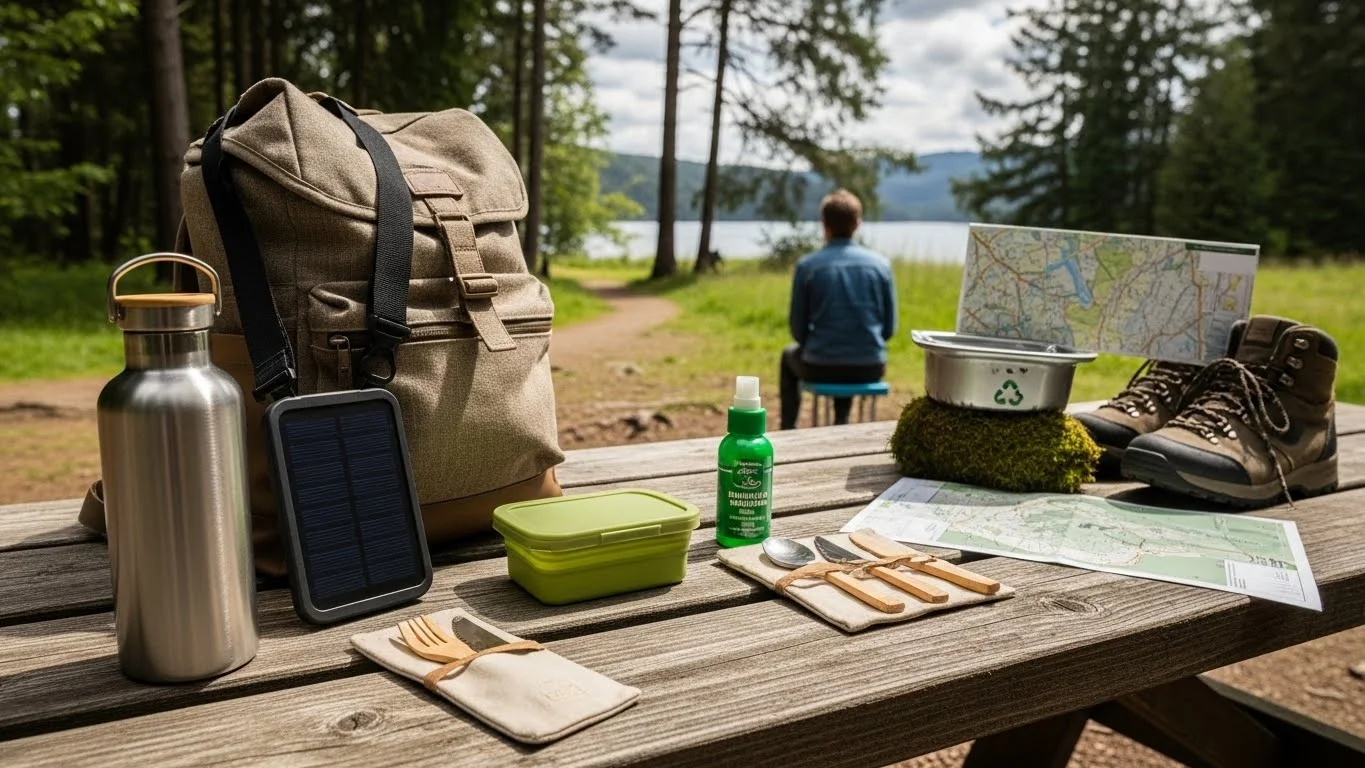
Eco-friendly gear refers to equipment and supplies designed with environmental sustainability in mind. This includes products made from renewable resources, items that are biodegradable or recyclable, and gear produced through ethical manufacturing processes. Personally, I love the idea of investing in gear that not only enhances my outdoor experience but also minimizes harm to the planet. From reusable water bottles to solar-powered gadgets, each piece of eco-friendly gear contributes to a larger movement towards sustainable living.
The Importance of Sustainability in Outdoor Adventures
When I first started exploring the outdoors, I didn’t think much about my impact on the environment. I was more focused on the adventure itself. However, as I learned more about climate change and environmental degradation, I realized that my choices matter. Sustainable outdoor adventures are crucial because they help protect the very landscapes we enjoy. By choosing eco-friendly gear, we’re not just reducing waste; we’re also inspiring others to think about their environmental footprint. I believe that every small change can have a big impact. When we prioritize sustainability, we ensure that future generations can experience the beauty of nature too.
Essential Eco-Friendly Gear for Sustainable Adventures
Reusable Water Bottles
One of the simplest yet most impactful changes I made was switching to a reusable water bottle. I used to rely on single-use plastic bottles, but I quickly learned about the harmful effects they have on the environment. Now, I carry a stainless steel or glass bottle on every adventure. Not only do these bottles keep my drinks cold or hot for hours, but they also help reduce plastic waste significantly. Plus, many outdoor locations have refill stations, so I never have to worry about running out of water. I recommend looking for bottles that are insulated and easy to carry, like those with built-in handles or carabiner clips.
Biodegradable Camping Supplies
When it comes to camping, I’ve found that biodegradable supplies make a huge difference. From plates to utensils, using compostable items means I can enjoy my meals without feeling guilty about the waste I’m creating. Brands are now offering a variety of biodegradable options, including cups, cutlery, and even trash bags. I remember one camping trip where I used corn-based utensils, and I felt great knowing they would break down naturally instead of lingering in a landfill for years. This gear not only supports a cleaner environment but also adds a unique touch to outdoor dining.Read Interesting article: Top 10 Eco-Friendly Travel Gear for Budget Backpackers
Solar-Powered Gadgets
During my adventures, I’ve come to rely on solar-powered gadgets. Whether it’s a charger for my phone or a lantern for my campsite, these tools harness the sun’s energy, which feels so much better than using disposable batteries. I once spent a week in the wilderness with a solar charger, and it worked beautifully. Each day, I’d set it out in the sun, and by evening, I had enough charge to keep my devices powered. Plus, it’s a fun way to embrace renewable energy while enjoying the great outdoors.
Recycled and Upcycled Clothing
Fashion choices can also impact the environment. I’ve started choosing clothing made from recycled materials or upcycled fabrics. Brands are innovating, creating stylish outdoor gear that reduces waste. I have a jacket made from recycled plastic bottles, and it not only keeps me warm but also sparks conversations about sustainability. When shopping, I look for labels that specify their materials and practices. It’s great to wear something that tells a story while keeping me comfortable on the trail.
Eco-Friendly Footwear
Comfortable footwear is essential for any adventure, and I’ve discovered that eco-friendly options are often just as stylish and functional as traditional ones. I’ve invested in shoes made from sustainable materials that are designed to last. They provide the support I need while hiking and are made with practices that reduce environmental impact. It’s satisfying to know that every step I take is a step towards sustainability. I recommend checking out brands that focus on using natural or recycled materials in their shoes.
Green Cooking Equipment
Cooking outdoors is one of my favorite parts of any adventure. I’ve switched to using green cooking equipment, such as lightweight, durable pots made from recycled aluminum. I also love my solar oven, which allows me to cook meals using only the sun’s energy. This gear not only reduces my carbon footprint but also inspires me to get creative with my outdoor cooking. I remember one trip where I baked fresh bread in my solar oven, and it was a hit with my friends. Investing in eco-friendly cooking gear has transformed my outdoor dining experience.
Top Brands for Eco-Friendly Adventure Gear
Patagonia: Leading the Charge in Sustainability
When it comes to eco-friendly adventure gear, Patagonia is a brand I truly admire. They were one of the pioneers in promoting sustainability in outdoor clothing and gear. Their commitment to reducing their environmental footprint is evident in everything they do, from using recycled materials to promoting fair labor practices. I remember the first time I bought a Patagonia jacket made from recycled polyester. It felt good to wear something that not only looked great but also supported a brand that values the planet. They also have a program called Worn Wear, which encourages customers to repair and recycle their gear, reminding us all that every piece of clothing has a story and a purpose.
REI: A Commitment to Environmental Responsibility
REI has been a go-to for my outdoor gear for years, and I love that they focus on sustainability. Their co-op model allows members to support a company that gives back to the environment. They invest in conservation projects and promote eco-friendly brands. I often find myself browsing their extensive selection of gear, knowing that many products are made with sustainable practices in mind. Plus, their recycling and repurposing initiatives, like accepting used gear for resale or recycling, make it easy for me to reduce my own waste while shopping.
The North Face: Innovations in Eco-Friendly Materials
The North Face has also made significant strides in sustainability. They’ve developed a range of products using recycled and organic materials, which makes me feel even better about my gear choices. I’ve had a couple of their jackets and backpacks that not only performed exceptionally well but also used innovative fabrics to reduce environmental impact. Their “Clothes the Loop” program, which encourages recycling worn items, is another reason I enjoy supporting their brand. It feels good to know that I’m contributing to a cycle that prioritizes sustainability.
Merrell: Sustainable Footwear Options
Footwear can be a tricky area when it comes to sustainability, but Merrell stands out for its eco-friendly options. I’ve worn their shoes on many trails, and I’ve been impressed by their commitment to using sustainable materials. They focus on creating durable footwear that minimizes waste while maximizing comfort. I recently treated myself to a pair of Merrell hiking boots made from recycled materials. The comfort and support they provide during long hikes are incredible, and knowing they’re made with the environment in mind is a fantastic bonus.
Tips for Choosing Eco-Friendly Gear
Identifying Sustainable Materials
When I set out to buy gear, I’ve learned to check for sustainable materials. Many brands are now transparent about what goes into their products. Look for fabrics made from organic cotton, recycled plastics, or natural fibers like hemp. I always feel better when I see these materials listed, knowing they have a reduced environmental impact. I often educate myself on the types of materials used, which helps me make informed choices that align with my values.
Assessing Brand Practices and Certifications
Not all brands are created equal, so I recommend researching a brand’s practices. Certifications like Fair Trade, Global Organic Textile Standard (GOTS), and OEKO-TEX can indicate a commitment to ethical production. I’ve found that looking for these labels not only simplifies my shopping experience but also assures me that I’m supporting companies that care about the planet. Checking a brand’s website for sustainability reports or initiatives is another step I take to ensure I’m making responsible choices.
Considering Longevity and Durability
In my experience, investing in durable gear is one of the best ways to practice sustainability. I prefer to buy fewer items that last longer rather than frequently replacing cheap products. This mindset has saved me money in the long run and reduced waste. For example, I bought a high-quality tent several years ago that has been through countless camping trips without a hitch. It’s great to know that every time I use it, I’m not just enjoying my adventure; I’m also minimizing my environmental footprint.
How to Maintain Your Eco-Friendly Gear
Proper Cleaning and Care Techniques
Taking care of my eco-friendly gear has become a priority for me. I’ve learned that many products require specific cleaning methods to maintain their longevity. For instance, I always follow the care instructions on my clothing labels and use eco-friendly detergents. I remember ruining a favorite jacket by tossing it in the dryer without realizing it shouldn’t be dried that way. Now, I air-dry most of my gear, which not only extends its life but also saves energy.
Repairing vs. Replacing Gear
Repairing gear instead of replacing it has become a satisfying practice for me. I often take the time to fix small tears or issues, rather than automatically throwing something away. There are many resources and repair kits available for common gear problems, and I’ve even learned a few sewing techniques. I remember a trip where I successfully patched a hole in my favorite backpack, and it felt great knowing I had saved it from the landfill. I believe that repairing gear not only saves money but also fosters a deeper connection to our equipment.
Eco-Friendly Practices for Sustainable Adventures
Leave No Trace Principles
Embracing eco-friendly practices goes hand in hand with using sustainable gear. One of the most important concepts I’ve learned is the Leave No Trace principles. These seven principles guide us in minimizing our impact while enjoying nature. I remember my first camping trip where I didn’t fully understand how to practice Leave No Trace. I left food scraps and trash behind, thinking they would decompose quickly. But I learned that even organic waste can harm wildlife and ecosystems. Now, I always pack out what I pack in, ensuring that my campsite remains as pristine as I found it. These principles are easy to follow and have made my outdoor experiences more meaningful, knowing I’m doing my part to protect the environment.
Choosing Sustainable Destinations
Where we choose to explore also plays a crucial role in sustainability. I’ve started to consider the environmental impact of my travel choices. Opting for local destinations or places that prioritize conservation can make a significant difference. For instance, instead of flying across the country for a hiking trip, I’ve discovered beautiful trails and parks within driving distance. Not only does this reduce my carbon footprint, but it also supports local economies. I’ve found that local adventures often lead to hidden gems I might have overlooked, leading to unexpected discoveries and experiences while minimizing my impact on the environment. Read Interesting article: Top Eco-Conscious Travel Gear for Budget Backpackers
Engaging in Local Conservation Efforts
Getting involved in local conservation efforts has become a rewarding part of my outdoor lifestyle. I’ve participated in clean-up events and tree-planting initiatives, which have connected me with like-minded individuals who share my passion for the environment. Volunteering not only helps the planet but also allows me to learn about local ecosystems and wildlife. I remember a day spent cleaning up a local beach with others; it was heartwarming to see how many people cared about preserving our environment. Engaging in these efforts gives me a sense of purpose and strengthens my commitment to sustainable living. I encourage everyone to seek out local organizations or initiatives that resonate with them and get involved.
Frequently Asked Questions (FAQs)
What are the benefits of using eco-friendly gear?
Using eco-friendly gear has numerous benefits, both for the planet and for us as adventurers. Firstly, it helps reduce our environmental footprint, which is crucial in combating climate change. Secondly, many eco-friendly products are made from high-quality materials that are designed to last longer, ultimately saving us money over time. I also find that these products often come with innovative features that enhance my outdoor experiences, like improved durability or unique functionality. Lastly, using sustainable gear fosters a sense of connection to nature and encourages others to think about their choices, creating a ripple effect in promoting environmental awareness.
How can I tell if a product is truly eco-friendly?
I’ve learned to look for specific indicators to determine if a product is genuinely eco-friendly. First, I check the materials used in the product—organic, recycled, or natural fibers are good signs. I also look for certifications, such as Fair Trade or GOTS, which can indicate ethical and sustainable practices. Additionally, I appreciate brands that are transparent about their manufacturing processes and environmental impact. When I find that a company shares its sustainability report or initiatives on its website, it reassures me that I’m making a responsible choice. It may take a little extra time to research, but it’s worth it to support brands that align with my values.
Are eco-friendly products more expensive?
While eco-friendly products can sometimes carry a higher price tag, I’ve found that the investment is often worth it. Many sustainable items are made from high-quality materials designed for durability and longevity, which means I spend less in the long run by not having to replace them frequently. Additionally, supporting eco-friendly brands contributes to a market that prioritizes sustainability, which can lead to more affordable options over time as demand increases. I try to view my purchases as an investment in both my adventures and the health of our planet.
Where can I find eco-friendly gear for my next adventure?
Finding eco-friendly gear has become easier as more brands prioritize sustainability. I often start my search at local outdoor retailers, like REI, which have a dedicated selection of eco-friendly products. Online platforms also offer a plethora of options; websites like Patagonia and The North Face allow me to filter products based on sustainability criteria. I’ve also discovered smaller, niche brands through social media and eco-conscious blogs that focus on innovative, sustainable gear. Joining eco-conscious communities online can be a great way to discover new products and share recommendations with others who share the same passion for the environment.
Final Thoughts
As I reflect on my journey towards sustainable adventuring, I realize that every choice we make can lead to a more environmentally friendly lifestyle. Embracing eco-friendly gear and practices has enriched my outdoor experiences, allowing me to connect with nature while also doing my part to protect it. Each piece of sustainable gear is not just a tool for adventure; it’s a statement about our values and a commitment to the planet.
I’ve seen firsthand how small changes can lead to significant impacts. For example, when I started using biodegradable camping supplies, I felt a sense of relief knowing that my waste wouldn’t contribute to long-lasting pollution. Likewise, investing in high-quality, eco-friendly clothing has not only kept me comfortable but also sparked conversations with fellow adventurers about the importance of sustainability in our lives.
Engaging in local conservation efforts has been one of the most rewarding aspects of my journey. I’ve met incredible people who share the same passion for the environment, and together we’ve made a positive impact in our communities. It’s empowering to know that we can all contribute to making the world a better place, simply by caring for the environments we love.
So, whether you’re planning a weekend camping trip or a longer hiking adventure, I encourage you to think about how your choices can align with a sustainable lifestyle. Choose eco-friendly gear, practice responsible outdoor ethics, and consider how you can give back to nature. Together, we can enjoy the beauty of the outdoors while ensuring that it remains intact for generations to come.
Let’s embrace this journey towards sustainability, making each adventure not just an escape but a chance to make a difference. I know that with every step we take, we can foster a deeper appreciation for our planet and inspire others to join us on this path. After all, the great outdoors is a treasure worth protecting, and it’s up to us to ensure its beauty endures.
Frequently Asked Questions
What is eco-friendly gear?
Eco-friendly gear refers to equipment and supplies designed with environmental sustainability in mind. This includes products made from renewable resources, items that are biodegradable or recyclable, and gear produced through ethical manufacturing processes.
Why is sustainability important in outdoor adventures?
Sustainable outdoor adventures are crucial because they help protect the landscapes we enjoy. By choosing eco-friendly gear, we reduce waste and inspire others to consider their environmental footprint, ensuring that future generations can experience the beauty of nature.
What are some essential eco-friendly gear items for adventures?
Essential eco-friendly gear includes reusable water bottles, biodegradable camping supplies, solar-powered gadgets, recycled and upcycled clothing, eco-friendly footwear, and green cooking equipment.
How can I identify sustainable materials when purchasing gear?
To identify sustainable materials, look for fabrics made from organic cotton, recycled plastics, or natural fibers like hemp. Many brands are transparent about their materials, which helps in making informed choices.
What practices can help maintain eco-friendly gear?
Maintaining eco-friendly gear includes proper cleaning and care techniques, such as following care instructions and using eco-friendly detergents. Additionally, repairing gear instead of replacing it fosters a deeper connection to the equipment.
What are the Leave No Trace principles?
The Leave No Trace principles are guidelines that help minimize our impact while enjoying nature. They include packing out what you pack in, which ensures that campsites remain pristine and protects wildlife and ecosystems.
How can I choose sustainable travel destinations?
Choosing sustainable destinations involves opting for local places or those that prioritize conservation. This reduces carbon footprints and supports local economies while allowing for unexpected discoveries during adventures.
Are eco-friendly products typically more expensive?
While eco-friendly products can sometimes be more expensive, they are often made from high-quality materials designed for durability, ultimately saving money in the long run by reducing the need for frequent replacements.
Where can I find eco-friendly gear for my adventures?
You can find eco-friendly gear at local outdoor retailers like REI, or online at websites such as Patagonia and The North Face. Smaller, niche brands focusing on sustainability can also be discovered through social media and eco-conscious blogs.
What are the benefits of using eco-friendly gear?
Using eco-friendly gear reduces environmental footprints, often involves high-quality materials that last longer, enhances outdoor experiences with innovative features, and fosters a sense of connection to nature while promoting environmental awareness.