
Dining around the world can be a delightful adventure, but it also comes with its own set of cultural rules. As budget backpackers, understanding these dining etiquettes can enhance our travel experiences and help us connect with locals. For more insights, check out Essential Dining Etiquette Tips for Cultural Travel Adventures.
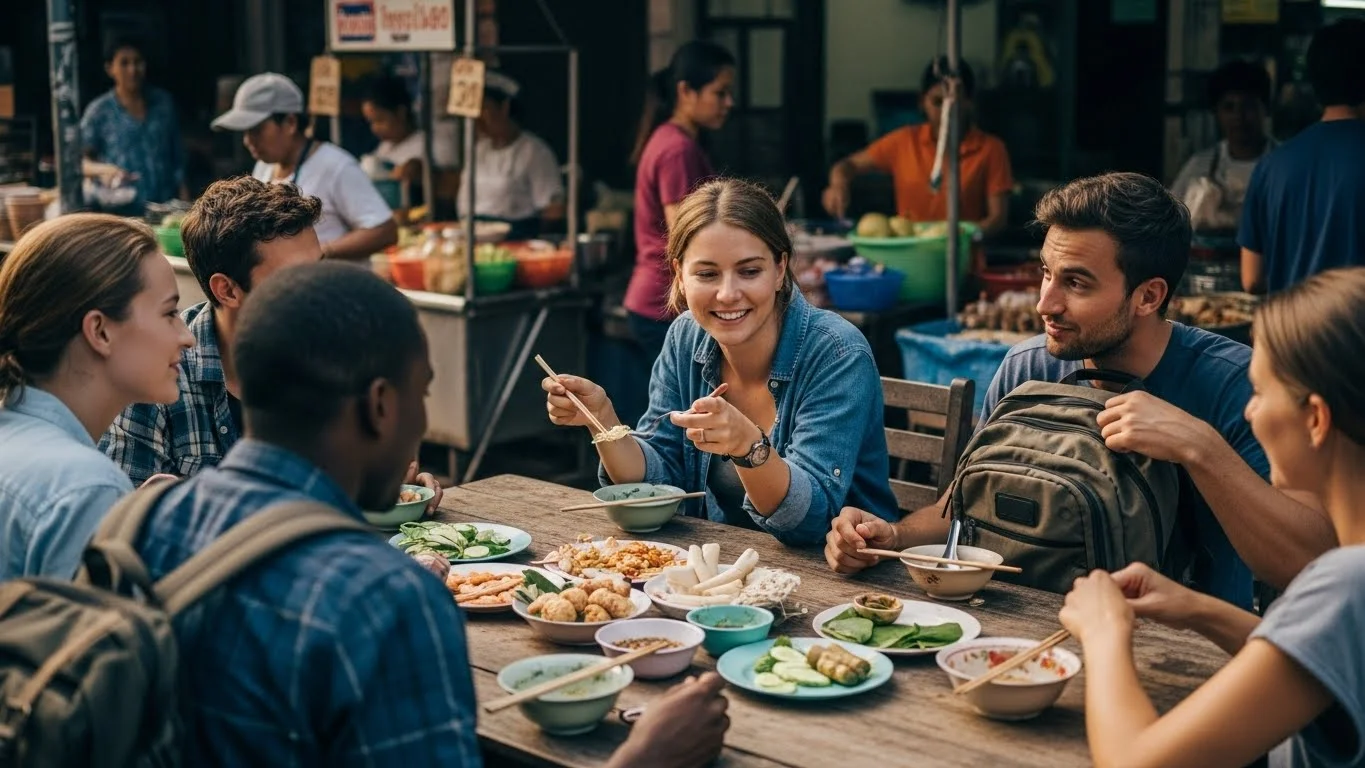
Understanding Dining Etiquette Across Cultures
Importance of Dining Etiquette for Travelers
When I first set out on my backpacking journey, I quickly realized that dining etiquette is not just about knowing which fork to use. It’s about immersing ourselves in the culture of the places we visit. Respecting local dining customs can open doors to memorable interactions with locals, making our experiences richer and more enjoyable. I remember one evening in Thailand, sitting down for a meal with a family who shared their favorite dishes with me. If I hadn’t followed their customs of communal eating and showing appreciation for the food, I might have missed out on that beautiful connection.
Dining etiquette also plays a critical role in avoiding misunderstandings. For instance, in some cultures, finishing your plate signals you were not satisfied with the meal. In others, it shows appreciation. By understanding these nuances, we can navigate our way through meals confidently, reducing the chances of accidentally offending our hosts or fellow diners.
Common Dining Etiquette Terms
As I traveled, I stumbled upon various terms that helped me navigate different dining settings, making me feel more at ease. Here are a few that I found particularly useful:
- Table manners: This encompasses a range of behaviors such as how to eat, speak, and interact at the table.
- Communal dining: Sharing dishes and eating from a common plate is a common practice in many cultures, promoting togetherness.
- Tipping customs: Understanding when and how much to tip can vary greatly between countries, and it’s crucial to know what’s expected.
- Host-guest etiquette: Knowing how to behave as a guest or host can make a significant difference in your dining experience.
These terms became part of my travel vocabulary, and they helped me feel more integrated into different dining experiences. Whether I was at a street food stall in Vietnam or a cozy café in Paris, they guided my actions and decisions. For more information on these terms, visit Dining Etiquette Around the World: Tips for Budget Travelers.
Dining Etiquette in Specific Countries
Dining Etiquette in Italy
Italy has a rich culinary culture that is deeply tied to its regions. One thing I learned quickly was the importance of enjoying the meal, rather than rushing through it. Italians take their time, savoring each course. At a trattoria in Florence, I noticed how patrons lingered over their wine and conversation long after the plates were cleared. I decided to join in, and it turned out to be one of my favorite evenings.
Another point to remember is that it’s customary to wait for everyone at the table to be served before starting to eat. I once made the mistake of diving into my pasta too early, and it drew some amused glances. Now, I always make it a point to be patient, enjoying the moment with my fellow diners.
Dining Etiquette in Japan
Japan is a fascinating blend of tradition and modernity, and its dining etiquette reflects this. One key aspect I found fascinating was the concept of ‘itadakimasu,’ a phrase said before meals to express gratitude. I always try to remember to say it, as it shows respect for the food and those who prepared it. I also learned that slurping noodles is not only acceptable but encouraged, as it signifies enjoyment of the meal!
However, I had to be careful with chopsticks. Sticking them upright in rice or passing food directly from one pair of chopsticks to another is seen as disrespectful, as it resembles funeral rituals. Being aware of these subtleties enhanced my dining experiences in Japan immensely.
Dining Etiquette in India
Dining in India is a vibrant affair. It’s common to eat with your hands, and using the right hand is essential, as the left hand is considered unclean. I remember being a bit nervous about this at first, but once I got the hang of it, it felt incredibly liberating and connected me to the culture. Sharing food is also a big part of Indian dining; I found that locals were always eager to share their dishes with me, which made meals feel like a communal celebration.
Dining Etiquette in France
Dining in France is an art form. I quickly learned that meals are seen as a time to relax and enjoy, rather than just refueling. At a bistro in Paris, I noticed how the waitstaff took their time, emphasizing service and attentiveness. I made a point to engage with my server, practicing a bit of my French, which made the experience even more enjoyable.
Another interesting aspect of dining in France is the importance of wine. It’s not just a drink; it’s part of the meal. I learned to ask for recommendations, and I found that locals appreciated my effort to embrace their culture.
Dining Etiquette in Mexico
Mexico is a land of flavors and traditions, and dining etiquette varies by region. I found that meals often start with a warm greeting and perhaps a small appetizer. It’s polite to wait for the host to begin before digging in, and sharing food is a common practice, especially at family gatherings. I still remember being invited to a home-cooked meal by a local family where we all shared different platters, creating a warm, communal atmosphere.
Overall, each of these experiences taught me that dining etiquette is not just about the rules; it’s about respect, connection, and enjoying the moment. By learning these cultural nuances, we can enrich our travels and create lasting memories. As we move forward, let’s explore budget-friendly dining options and tips for navigating dining situations while traveling. Don’t forget to check out Master Dining Etiquette: A Backpacker’s Guide to Local Customs.
Budget-Friendly Dining Options
Street Food vs. Restaurants
One of the best parts of traveling is discovering local cuisine, and as a budget backpacker, I’ve learned that street food can be a game changer. There’s something exciting about grabbing a bite from a street vendor, feeling the energy of the city, and tasting authentic flavors. I remember wandering through the bustling streets of Bangkok, where the air was filled with the aromas of grilled meats and spicy noodles. I sampled delicious pad thai from a street stall for just a couple of dollars, and it quickly became one of my favorite meals of the trip.
On the flip side, dining at restaurants can also be a fulfilling experience, especially if you’re looking to relax after a long day of exploring. I’ve discovered that many local eateries offer lunch specials or fixed-price menus that are much more affordable than dinner prices. For instance, in Lisbon, I enjoyed a three-course meal at a cozy restaurant for less than what I’d pay for a single dish at a tourist spot. It’s all about doing a bit of research and asking locals for recommendations.
Finding Affordable Local Eateries
When I’m on the hunt for affordable dining options, I always keep my eyes peeled for places filled with locals. If you see a crowded restaurant or café, that’s usually a good sign! I remember sitting in a small diner in Mexico City, completely surrounded by families enjoying their meals. The atmosphere was vibrant, and the prices were unbelievably low. I was able to feast on tacos and fresh guacamole, all while enjoying the lively chatter around me.
Another tip I’ve found helpful is using local apps or websites to identify budget-friendly places. In some countries, there are even social media pages dedicated to food deals. Additionally, asking your hostel staff or fellow travelers for suggestions can lead you to hidden gems that aren’t in the guidebooks. I’ve often found that the best culinary experiences come from those unexpected finds.
Utilizing Food Markets and Cafés
Food markets are one of my favorite places to explore when traveling. Not only do they offer a variety of affordable options, but they also provide a unique cultural experience. I remember visiting a market in Barcelona, where I sampled everything from fresh seafood to artisan cheeses. It felt like a feast for the senses! I often make a meal out of snacks from different stalls, trying a bit of everything without breaking the bank.
Cafés, too, can be a great way to enjoy local flavors without spending much. I’ve found that many cafés offer breakfast or lunch specials that are reasonably priced. Plus, they often provide a cozy atmosphere to relax and recharge. In Paris, I enjoyed a delightful croissant and coffee while people-watching at a small café, and it was one of my favorite moments of my trip. It’s amazing how a simple meal can create such lovely memories.
Tips for Navigating Dining Situations
Making Reservations: When and How
Making reservations can feel daunting, especially in foreign countries where the language barrier might complicate things. However, I’ve learned that it can save you a lot of hassle, particularly at popular restaurants. In my experience, it’s best to book ahead, especially for dinner, to ensure you have a spot waiting for you. I remember trying to walk into a famous sushi bar in Tokyo without a reservation and being told there was a two-hour wait! Now, I always make it a point to check if reservations are needed, either by calling or checking online.
Understanding Tipping Practices
Tipping can be a tricky subject since customs vary widely around the world. In some places, like the U.S., tipping is expected, while in others, it can be seen as an insult. I’ve made it a habit to do a little research on tipping practices before my trips. For instance, in Italy, I learned that a small service charge is usually included in the bill, so leaving a little extra is appreciated but not obligatory. In contrast, in many Asian countries, tipping is generally not practiced, so I’ve had to adjust my approach accordingly. Knowing these nuances helps me navigate dining situations without feeling awkward.
How to Handle Dietary Restrictions
As someone who follows a vegetarian diet, I’ve often found myself in situations where I need to communicate my preferences clearly. I’ve picked up a few key phrases in the local language to help express my dietary restrictions, and it’s made a huge difference. For example, in India, I learned to say “no meat” in Hindi, which helped me enjoy delicious vegetarian dishes without any confusion.
In some places, I’ve even found that restaurants are more than willing to accommodate special requests. I had a wonderful experience in Thailand, where the chef prepared a delightful vegetarian version of a traditional dish just for me. It’s all about being polite and clear about what you need, and I’ve found that locals are often eager to help.
Polite Ways to Decline Food
Declining food can be tricky, especially when you’re a guest. I’ve been in situations where locals offer me food as a gesture of hospitality, and I always want to be respectful. I’ve learned that expressing gratitude while politely declining is key. A simple, “Thank you so much, but I’m full,” has worked well for me. I’ve noticed that locals appreciate honesty, and framing it positively helps maintain that warm connection.
Cultural Differences in Dining Customs
Table Manners: What to Know
As I continued my travels, I became increasingly aware of how table manners can vary drastically from one culture to another. For instance, in some places, like the United States and much of Western Europe, it’s common to keep your hands on the table but not your elbows. Meanwhile, in countries like Egypt, it’s more acceptable to keep your hands resting on your lap during meals. I recall dining in a cozy restaurant in Cairo where I noticed most diners would eat with their right hand, but they also seemed relaxed about personal space. The contrast was eye-opening! Understanding these simple rules helped me blend in and feel more comfortable.
Another thing I found interesting was how people engage with their utensils. In many Asian cultures, the use of chopsticks comes with its own set of rules. For example, I learned that resting chopsticks on the table is generally frowned upon. Instead, there’s usually a holder or a place to rest them that avoids contact with the tablecloth. This little detail made me appreciate the thoughtfulness embedded in their dining customs.
Sharing Food: Communal vs. Individual Plates
When it comes to sharing food, I discovered that practices can vary even within the same country. In countries like China and Ethiopia, communal dining is the norm. I remember being at a family-style meal in Beijing, where dishes were placed in the center of the table, and everyone would share. It felt wonderfully inclusive, and I loved trying a bit of everything. I tried to engage fully, using my chopsticks to serve myself while also remembering to offer the dishes to others first—an important gesture of respect.
Conversely, in many Western countries, individual plates are the standard. I found this to be the case in France, where I enjoyed beautifully plated individual servings that were as much art as food. It made me reflect on how sharing food can foster connection, while individual plates might emphasize personal preference and presentation. Regardless of the style, being attuned to these differences enriched my dining experiences everywhere I went.
Alcohol Consumption and Etiquette
Alcohol is often part of the dining experience, but the etiquette surrounding it can vary widely. In some cultures, like in Germany or Hungary, toasting before drinking is important. I remember enjoying a traditional meal in Budapest where everyone raised their glasses, and I learned to say “Egészségedre!”—meaning “To your health!”—which helped me connect with my fellow diners. It’s these small gestures that can enhance the entire experience.
On the other hand, in places like Morocco, it’s customary to pour tea for others, and refusing a drink can be seen as impolite. I had the pleasure of enjoying a mint tea ceremony in Marrakesh, and I quickly learned to embrace this ritual. Being aware of these customs not only helped me fit in but also deepened my appreciation for the cultural significance behind each drink.
How to Be a Respectful Guest
Bringing Gifts or Offering to Pay
Being a guest in someone’s home can be one of the most rewarding experiences while traveling, but it also comes with its own set of expectations. I’ve learned that bringing a small gift, such as sweets or a local specialty, is often appreciated in many cultures. I remember visiting a friend’s family in Spain and bringing a box of pastries from a local bakery. The smiles on their faces when I presented it brought warmth to the gathering and set a positive tone for the evening.
Offering to pay for a meal can also be a gray area. In some cultures, like in the U.S., splitting the bill is common, while in countries like Japan, it can be seen as disrespectful to divide the bill. I’ve often found that in many Asian countries, the person who invites others usually pays. I once made the mistake of trying to pay my share during a dinner in Tokyo, and I quickly learned to gracefully allow my host to take care of it. Observing and following these customs can help maintain the harmony of the gathering.
Engaging in Conversation During Meals
Conversation is the heart of dining, and learning how to navigate it in different cultures has been a journey of its own. In some places, like Italy, meals are lively affairs filled with laughter and animated discussions. I remember one dinner where the host encouraged everyone to share stories and jokes, making the meal feel like a celebration. It taught me the importance of engaging with those around me, creating a sense of community and connection.
In contrast, I found that in many Asian cultures, dining tends to be quieter, with less emphasis on conversation. This was particularly evident during meals in Japan, where silence during eating was respected as a sign of appreciation for the food. I learned to appreciate these moments of calmness, realizing that it doesn’t mean a lack of connection but rather a different way of showing respect and mindfulness.
Understanding Host-Guest Dynamics
The dynamics between hosts and guests can also vary dramatically. In some cultures, the host takes a central role, ensuring everyone is taken care of, while in others, it’s more about sharing the responsibility. I remember attending a dinner party in India where the host was attentive to everyone’s needs, but guests were also expected to help with serving and cleaning up afterward. This communal approach made the gathering feel warm and inclusive, reinforcing the idea that dining is about togetherness.
Understanding these dynamics has not only helped me navigate meals more gracefully but has also deepened my appreciation for the hospitality I’ve encountered. Each culture has its unique way of expressing warmth and generosity, and I’ve been fortunate to experience it firsthand.
Frequently Asked Questions
Why is dining etiquette important for travelers?
Dining etiquette is crucial for travelers as it helps immerse them in the local culture, facilitates memorable interactions with locals, and reduces misunderstandings that could lead to accidental offense.
What are some common dining etiquette terms that travelers should know?
Some common dining etiquette terms include table manners, communal dining, tipping customs, and host-guest etiquette, all of which help travelers navigate different dining experiences comfortably.
What should I know about dining etiquette in Italy?
In Italy, it’s important to savor each course and wait for everyone to be served before starting to eat. Rushing through a meal is generally frowned upon.
How does dining etiquette differ in Japan?
In Japan, saying ‘itadakimasu’ before meals expresses gratitude, slurping noodles is encouraged, and it’s considered disrespectful to stick chopsticks upright in rice or pass food directly between chopsticks.
What dining customs should I be aware of in India?
In India, it’s common to eat with your right hand, as the left hand is considered unclean. Sharing food is also an integral part of the dining experience.
What unique aspects of dining etiquette exist in France?
Dining in France is viewed as an art form, where meals are enjoyed slowly. Engaging with the waiter and understanding the significance of wine as part of the meal is also essential.
How can budget travelers find affordable dining options?
Budget travelers can seek out crowded local eateries, utilize local apps or websites for recommendations, and explore food markets and cafés for affordable meals and unique culinary experiences.
What should travelers know about making reservations at restaurants?
Making reservations is advisable, especially at popular restaurants, to avoid long waits. Checking online or calling ahead can help ensure a spot is available.
How can travelers handle dietary restrictions while abroad?
Travelers can communicate dietary restrictions by learning key phrases in the local language and politely expressing their needs, which helps in enjoying suitable meals without confusion.
What is the proper way to decline food when offered by locals?
To decline food politely, travelers should express gratitude while stating they are full, which is generally appreciated by locals and helps maintain good relations.