
Solo travel is an exhilarating adventure, but it comes with its own set of challenges—especially when it comes to understanding cultural norms. Knowing how to navigate these customs can enhance your experience and foster genuine connections. To help you along the way, here are some Essential Solo Travel Etiquette Tips for Cultural Adventures.
Understanding Cultural Norms in Solo Travel
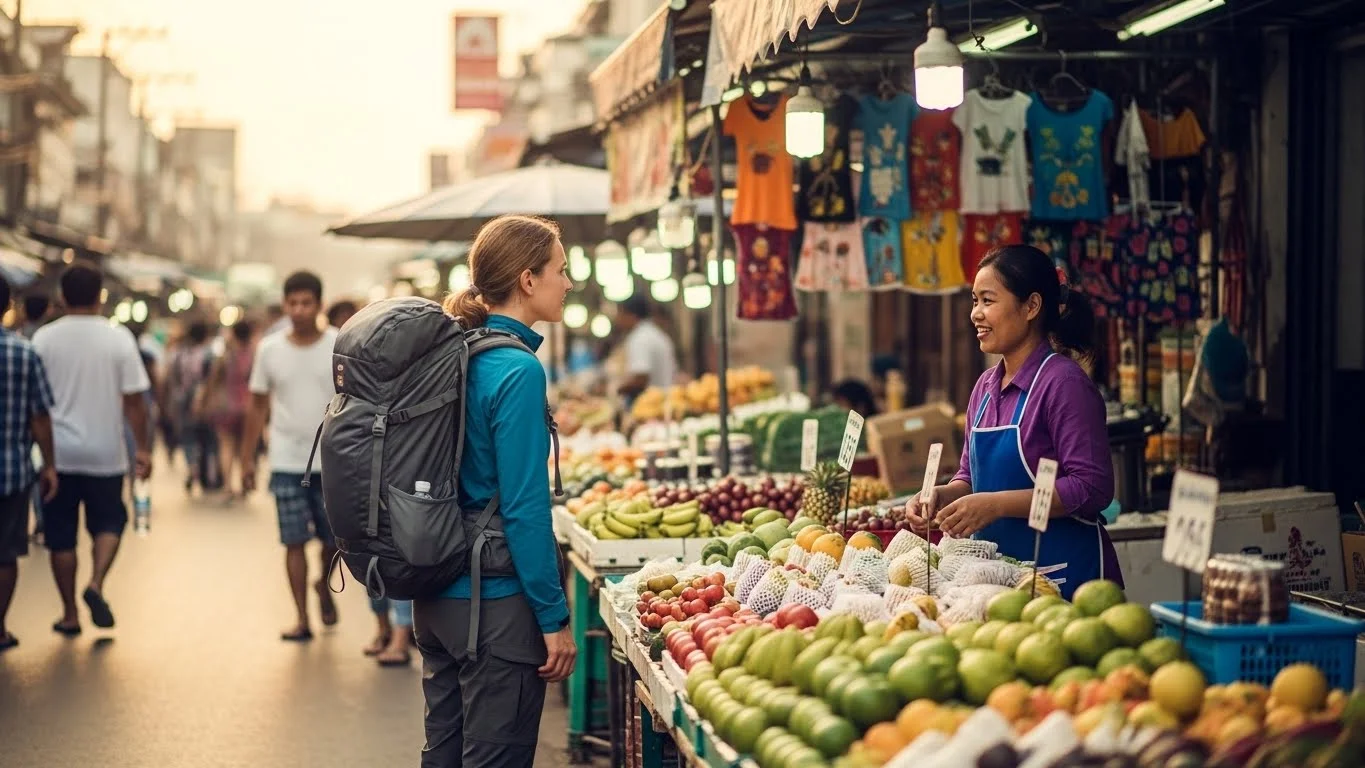
When I first embarked on my solo travel journey, I quickly realized that cultural norms vary widely from one destination to another. Understanding these norms is not just important; it’s essential for a smooth and enriching experience. I remember standing in a bustling market in Thailand, feeling slightly overwhelmed. The colorful stalls were vibrant, but I was unsure of how to interact with the locals respectfully. This experience taught me that cultural awareness is a key ingredient to successful solo travel.
The Importance of Cultural Awareness
Cultural awareness is more than knowing a few phrases in the local language or recognizing popular tourist spots. It’s about immersing yourself in the local way of life and understanding the values, traditions, and customs that shape a community. I learned that when I approached locals with respect and an open mind, they were often eager to share their stories and traditions with me.
Embracing cultural awareness makes us more than just travelers; it turns us into participants in the vibrant tapestry of life around the world. For instance, in Japan, I discovered the significance of bowing as a greeting. Initially, I felt awkward, but after a few attempts, I found joy in the practice, connecting me with locals in a meaningful way. The more I learned, the more I felt a sense of belonging.
Common Cultural Misconceptions
As I traveled, I encountered several misconceptions about different cultures. One common belief is that everyone speaks English, especially in touristy areas. While I found that many people do, assuming this can lead to frustration. In Italy, for example, I faced challenges when trying to communicate with older generations, who often preferred to speak in Italian. This pushed me to learn basic phrases, something I found incredibly rewarding.
Another misconception I observed is the idea that all countries have similar social customs. In reality, what is acceptable in one place might be frowned upon in another. I learned this the hard way during a visit to the Middle East, where gestures that I considered friendly—like a thumbs-up—were deemed offensive. It’s a stark reminder that while we may share humanity, our customs can be as diverse as the landscapes we travel through.
My experiences have shown me that understanding these cultural nuances not only helps avoid awkward or disrespectful situations but also enriches my travel experience. When I respect local customs, I often find myself embraced by the community, leading to friendships and unforgettable memories.
Essential Etiquette Tips for Solo Travelers
Now that we’ve covered the importance of cultural awareness, let’s dive into some essential etiquette tips that every solo traveler should keep in mind. These simple guidelines can help us navigate different cultures with grace and respect. For more detailed insights, check out Mastering Solo Travel Etiquette: A Cultural Guide.
Greeting Customs Around the World
Greeting customs can vary dramatically from one culture to another. In some places, a firm handshake is the norm, while in others, a light bow or a kiss on the cheeks is more appropriate. I remember arriving in France and being unsure whether to greet with a kiss or a handshake. After observing the locals, I realized that a simple “bonjour” accompanied by a friendly smile went a long way. It’s all about reading the room and adapting to the local customs.
Dining Etiquette: From Table Manners to Tipping
Dining etiquette is another crucial aspect of cultural norms. In some cultures, it’s common to eat with your hands, while in others, using cutlery is a must. I once made a mistake in India, where I eagerly dug into a delicious meal with my right hand, only to realize that using only the fingertips was the proper way to eat. Not only did I adjust, but I also found it to be a more enjoyable experience.
When it comes to tipping, practices vary widely. In the United States, tipping is expected, while in Japan, it can be seen as rude. I learned to research tipping customs beforehand; it’s a small gesture that shows respect for the local culture.
Dress Code: What to Wear in Different Cultures
What we wear can speak volumes about our respect for a culture. In many conservative countries, dressing modestly is essential. During my travels in Morocco, I made sure to wear loose-fitting clothing that covered my arms and legs, which was welcomed by the locals. It’s not just about fashion; it’s about honoring the customs and sensibilities of the people we visit.
Public Behavior: Dos and Don’ts
Public behavior is another critical area for solo travelers. I learned that what might be considered friendly behavior in one culture could be offensive in another. For example, in some Asian cultures, maintaining a calm demeanor is important, while expressing loud excitement can be frowned upon. I found myself adjusting my tone and volume, which not only helped me fit in but also allowed me to connect with the locals on a deeper level.
Photography Etiquette: When to Ask for Permission
We all love capturing memories through photographs, but it’s vital to ask for permission in many cultures, especially when photographing people. I remember walking through a village in Vietnam and wanting to take photos of the locals. I asked a friendly woman if I could take her picture, and she smiled brightly. The joy on her face was far more rewarding than the photo itself. This simple act of respect opened doors to more conversations and connections.
Understanding and adhering to cultural norms can transform your solo travel experience from mere sightseeing into authentic engagement with the world around you. By being mindful of etiquette, we not only enhance our own journey but also show respect to the cultures we encounter. As I continue to navigate the globe, I carry these lessons with me, reminding myself that every interaction is an opportunity to learn, grow, and connect.
Country-Specific Etiquette Guidelines
Solo Travel Etiquette in Asia
Traveling through Asia, I was constantly amazed by the variety of cultures and traditions. Each country has its unique etiquette that can significantly enhance your experience. For instance, in Thailand, I learned the importance of the “wai” greeting, where you press your palms together and bow slightly. I remember feeling awkward at first, but after some practice, it became a beautiful way to connect with locals. In contrast, in Japan, I found that removing your shoes before entering homes and certain temples is a sign of respect. This simple act made me feel more welcomed and grounded in their customs.
When it came to dining in Asia, I quickly discovered that sharing food is often a communal experience. In places like China, it’s common to order several dishes for the table, and I felt a genuine sense of connection when sharing meals with new friends. However, I also learned that finishing all the food on your plate can signify that you were not offered enough, so I made it a point to leave a little behind to show appreciation for the meal.
Solo Travel Etiquette in Europe
Europe is a patchwork of cultures, and each country has its own set of social norms. I recall my first experience in Spain, where I was surprised by the late dining hours. I learned that dinner typically starts after 9 PM, and I found myself swept up in the lively atmosphere of tapas bars. I also noticed that being informal is often appreciated; in Italy, for example, a friendly “ciao” and a smile were the best ways to start a conversation. However, in places like Germany, I learned that punctuality is highly valued, and being late can be seen as disrespectful.
While traveling through France, I paid close attention to the dining etiquette. I learned that it’s polite to keep your hands on the table (but not your elbows!), and saying “bon appétit” before starting a meal is customary. These small gestures helped me blend in and fostered warm interactions with locals.
Solo Travel Etiquette in Africa
Africa is a continent rich in diversity, and I found that each country offers unique customs and traditions. During my time in Morocco, I learned that greeting with a handshake is common among men, while a light touch of the forearm or a nod is more appropriate between men and women. I remember participating in a traditional tea ceremony, which is a deeply embedded cultural practice that symbolizes hospitality. Being invited to share this experience made me feel honored and connected.
In Southern Africa, I discovered the significance of “ubuntu,” which emphasizes communal respect and interconnectedness. When I volunteered at a local school in South Africa, I learned to interact with the children in a way that showed genuine interest and care, which created bonds that still resonate with me today.
Solo Travel Etiquette in South America
As I traveled through South America, I embraced the vibrant cultures and friendly interactions. In countries like Brazil, I learned that physical touch, such as hugs and cheek kisses, is common when greeting friends. I remember my first encounter, feeling a bit shy, but the warmth of the locals made me quickly feel at home. In contrast, in Argentina, I found that the tradition of sharing mate (a herbal tea) is a social ritual that fosters connection. I was delighted to be included in this ceremony, which made me feel like part of the family.
However, I also had to navigate some cultural sensitivities, such as avoiding discussions about politics or personal income, which can be seen as rude. Being aware of these nuances not only helped me avoid awkward situations but also deepened my relationships with the locals.
Solo Travel Etiquette in the Middle East
The Middle East is a region filled with rich history and diverse cultures, each with its own etiquette. I remember visiting Jordan and being welcomed into a family’s home, where I learned that offering food and drink is a sign of hospitality. Refusing the first offer can be polite, as it’s often expected to insist a bit before accepting. This small dance made me appreciate the depth of their traditions.
In places like Iran, I found that maintaining eye contact is important, especially during conversations, as it shows attentiveness and respect. However, it’s essential to be aware of gender norms; for instance, I learned that physical contact between men and women who are not family members is typically avoided. By understanding these customs, I felt more at ease and was able to build respectful relationships with the people I met.
As I navigated through these diverse regions, I realized that understanding country-specific etiquette is crucial for solo travelers. By embracing the customs, I not only enriched my experiences but also fostered genuine connections with the wonderful people I encountered along the way. For those looking for affordable ways to immerse themselves in different cultures, I recommend checking out Cultural Solo Travel: Affordable Ways to Dive Deep.
Safety and Respect: Protecting Yourself and Others
Understanding Local Laws and Regulations
One of the most critical aspects of traveling solo is understanding the local laws and regulations of the countries we visit. I remember my trip to Singapore, where I was amazed by how clean and orderly everything was. It wasn’t until I learned that strict regulations enforce these norms that I truly appreciated the environment. For instance, littering comes with hefty fines, and smoking is only allowed in designated areas. This taught me to be more aware of my surroundings and the local laws that govern daily life.
In more conservative countries, like Saudi Arabia, I discovered that cultural laws are deeply intertwined with local customs. For example, public displays of affection are frowned upon, and it’s essential to dress modestly. Understanding these laws not only kept me safe but also showed my respect for the culture. I believe that taking the time to research these regulations before arriving at a destination can alleviate unnecessary stress and enhance our travel experience.
How to Respect Local Traditions and Customs
Respecting local traditions and customs can significantly affect how we are perceived as travelers. I learned this during my visit to India, where I participated in a local festival. Adhering to the customs of the festival, such as dressing appropriately and participating in traditional rituals, deepened my connection with the community. I felt honored to be included, and it provided me with a real sense of belonging.
One of the most notable experiences was when I was invited to a family wedding. I made sure to observe the customs surrounding the event, including the attire and the traditional greetings. This not only made the hosts feel appreciated, but it also allowed me to engage in a personal and cultural exchange that I will never forget. I think showing genuine interest in local traditions is one of the best ways to connect with people and create lasting memories.
Staying Safe While Engaging with Locals
While it’s important to immerse ourselves in local cultures, safety should always be a priority. I remember meeting a group of locals in a bustling market in Marrakech, and while they were friendly and welcoming, I felt a twinge of caution. I decided to engage with them but kept my belongings close and remained aware of my surroundings. It’s a balancing act; we want to connect with people, but we must do so wisely.
In many places, it’s advisable to avoid discussing sensitive topics, such as politics or religion, until you understand the local context. I learned this the hard way during a conversation with a local in Egypt, where I accidentally touched on a controversial issue. The shift in their demeanor was immediate, and it reminded me of the importance of being sensitive to the local climate. By approaching conversations with care and respect, we can enjoy meaningful interactions without compromising our safety.
Making Connections: Engaging with Local Cultures
Participating in Local Events and Festivals
One of the best ways to immerse ourselves in a new culture is by participating in local events and festivals. I vividly remember my experience at the Holi Festival in India. The joy and vibrancy of the celebration were infectious! As I joined the locals in throwing colored powders and dancing to traditional music, I felt an exhilarating sense of unity and happiness. It was more than just an event; it was a communal celebration that transcended language barriers.
Attending local festivals also allowed me to learn about the customs and traditions that are significant to the community. I found that being a part of these experiences created a bridge that helped me connect with locals on a deeper level. There is something truly special about celebrating life together, and I believe it fosters a shared sense of humanity that enriches our travels.
Joining Tours and Activities: How to Choose the Right Ones
When looking to engage with local cultures, I recommend choosing tours and activities thoughtfully. I’ve found that local guides often offer unique insights and perspectives that enhance the experience. On a trip to Bali, I joined a cooking class led by a local chef. Not only did I learn how to prepare traditional dishes, but I also gained a deeper understanding of Balinese culture, including the significance of certain ingredients and cooking methods.
When selecting tours, I always look for small group experiences or those that prioritize sustainability and cultural respect. I’ve discovered that these types of activities often allow for more authentic interactions and provide opportunities to support local economies. By engaging in responsible tourism, we can leave a positive impact on the communities we visit.
Volunteering: A Deeper Dive into Local Communities
Volunteering during my travels has been one of the most rewarding experiences. I remember volunteering at a community center in Guatemala, where I helped with educational programs for children. This experience allowed me to connect with the community in a meaningful way, and I learned so much from the locals. I felt like I was contributing to something larger than myself, and it provided a unique lens through which to view the culture.
Volunteering can also help break down barriers and create lasting friendships. I found that working alongside locals fostered mutual respect and understanding. As we collaborated on projects, we shared stories about our lives, which created bonds that continued long after the experience ended. I believe that volunteering is a powerful way to engage with local cultures and leave a positive legacy behind.
Frequently Asked Questions
What is the importance of understanding cultural norms in solo travel?
Understanding cultural norms is essential for a smooth and enriching travel experience. It helps travelers interact respectfully with locals and immerse themselves in the local way of life.
How can cultural awareness enhance my solo travel experience?
Cultural awareness allows travelers to connect genuinely with locals, fostering friendships and creating unforgettable memories by understanding the values, traditions, and customs that shape a community.
What are some common cultural misconceptions travelers may have?
A common misconception is that everyone speaks English, particularly in touristy areas, which can lead to frustration. Another misconception is that social customs are similar across all cultures, which can result in unintentional offenses.
What are some essential etiquette tips for solo travelers?
Essential etiquette tips include understanding greeting customs, dining etiquette, dress codes, public behavior, and photography etiquette, all of which vary greatly across different cultures.
How should one approach greeting customs in different cultures?
Greeting customs vary; some cultures prefer a handshake, while others may use a light bow or cheek kisses. Observing locals can help determine the appropriate greeting.
What dining etiquette should solo travelers be aware of?
Dining etiquette includes knowing whether to eat with hands or cutlery, understanding tipping practices, and respecting communal dining customs, which can vary significantly between cultures.
Why is it important to dress appropriately while traveling?
Dressing appropriately shows respect for the local culture, especially in conservative countries where modest attire is essential. Proper dress can foster positive interactions with locals.
What should travelers know about public behavior in different cultures?
Public behavior expectations can differ; what is considered friendly in one culture may be offensive in another. Being mindful of local customs regarding demeanor and volume is crucial.
When is it necessary to ask for permission when taking photographs?
It is important to ask for permission before photographing people in many cultures, as this shows respect and can lead to deeper connections with locals.
How can participating in local events enhance cultural understanding?
Participating in local events and festivals allows travelers to immerse themselves in the culture, learn about community traditions, and create shared experiences that foster a sense of unity and connection.