
Traveling solo as a woman can be both exhilarating and daunting. I’ve learned that navigating different cultures enriches our experiences and empowers us to embrace the world with open arms. For those considering this journey, it’s essential to explore resources like Solo Female Travel: Embrace Culture While Staying Safe to ensure a fulfilling experience.
Understanding Cultural Differences
As I embarked on my solo travels, one of the first lessons I learned was just how vital it is to understand cultural differences. Every destination has its unique set of customs, traditions, and social norms. When I traveled to Japan, for instance, I quickly realized how important it is to respect personal space and silence, which shaped my experiences in profound ways. Understanding these nuances not only enhances our travel experience but also deepens our connections with the people we meet.
Importance of Cultural Sensitivity
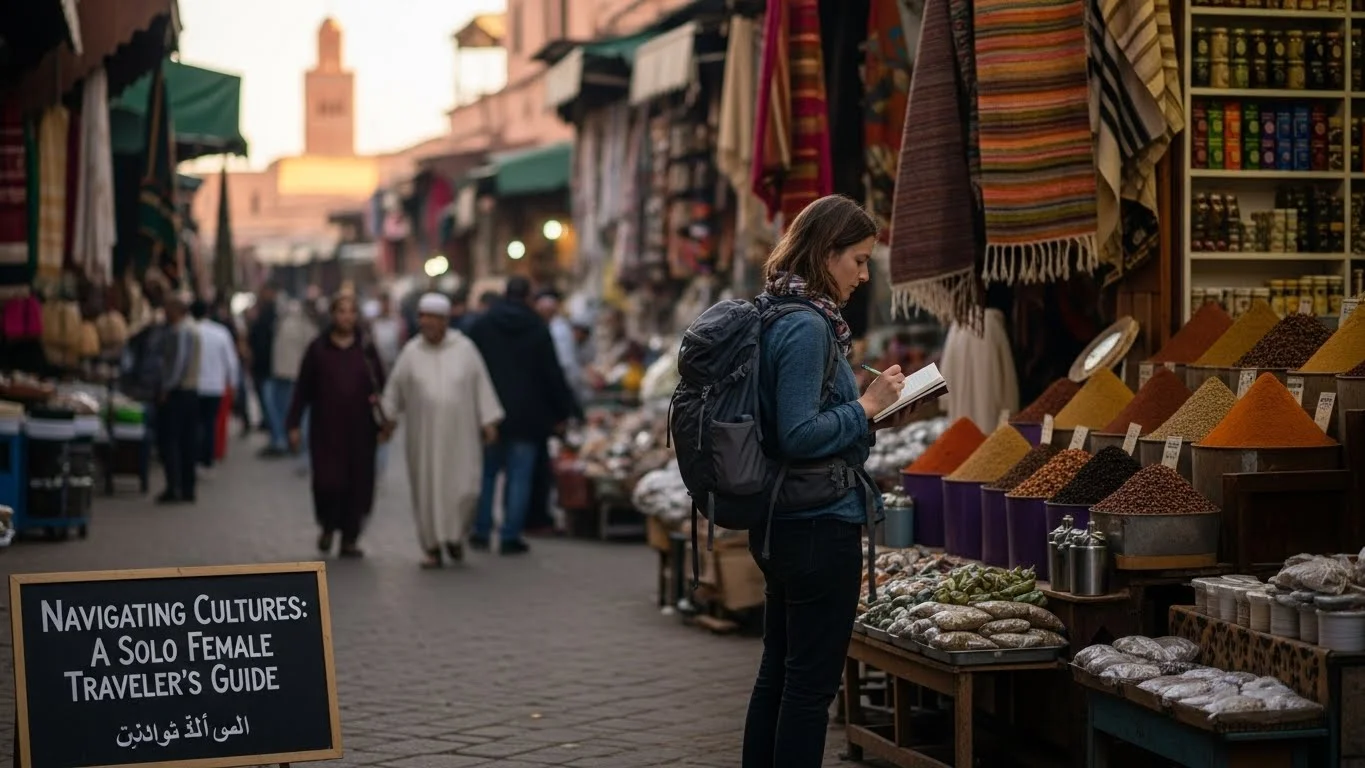
Cultural sensitivity is more than just being polite; it involves being aware of and respecting the differences that define each culture. When I first arrived in Morocco, I felt a bit overwhelmed by the vibrant markets and the fast-paced environment. However, taking the time to learn about the local traditions and customs transformed my experience. For example, I was invited to a local tea ceremony, and understanding the significance of hospitality in Moroccan culture made me appreciate the gesture even more. By being culturally sensitive, I believe we foster goodwill, create lasting memories, and often find ourselves invited into experiences we might otherwise miss out on. If you’re interested in more insights, check out Cultural Tips for Solo Female Travelers: Stay Safe & Savvy.
Common Cultural Norms to Be Aware Of
As I traveled through different countries, I noticed various cultural norms that shaped everyday interactions. In some places, greeting someone with a firm handshake is acceptable, while in others, a gentle bow or a nod suffices. In countries like India, I learned that using the right hand for giving and receiving items is crucial, as the left hand is considered impolite. These small details can make a significant difference in how we are perceived. I remember trying to navigate a bustling market in Thailand and accidentally using my left hand to hand over money. The vendor smiled, but I felt embarrassed. It taught me to always be observant and respectful of the local customs.
How Culture Affects Social Interactions
Culture shapes how we communicate, express emotions, and interact socially. When I visited Italy, I was struck by how open and expressive everyone was. It felt natural to engage in animated conversations and share laughter. However, when I traveled to Finland, I noticed a stark contrast. Finns tend to value personal space and quietude, which at first felt unwelcoming. Yet, I realized that this was simply their cultural norm. Understanding these differences allowed me to adapt my approach and engage meaningfully with locals. I learned that patience and an open mind are key when navigating these diverse social landscapes.
Planning Your Solo Trip
Planning a solo trip can be both thrilling and overwhelming. From choosing the right destination to understanding cultural practices, it takes a thoughtful approach. As I prepared for a trip to Southeast Asia, I found that careful research made all the difference in my experience.
Choosing Your Destination
Choosing the right destination is crucial for any solo female traveler. I often reflect on my choice to visit Bali. The vibrant culture, warm people, and stunning landscapes made it an ideal spot for both relaxation and exploration. However, I also considered factors like safety and cultural norms. Researching places that cater to solo female travelers helped me feel more confident. I found that destinations like Portugal and Iceland not only have stunning views but also welcoming atmospheres for women traveling alone. It’s always wise to look for places that prioritize safety and have a strong community for travelers.
Researching Cultural Practices
Once I settled on a destination, I dove into researching cultural practices. This step can feel like a treasure hunt! I remember eagerly reading articles and watching videos about the dos and don’ts of Balinese culture. Understanding the significance of offerings, traditional ceremonies, and even dress codes made my experience more immersive. I wanted to be respectful when visiting temples, and knowing how to properly dress and behave allowed me to engage with the local culture authentically. For a comprehensive guide on what to pack for your journey, consider looking at the Essential Packing List for Solo Female Travelers.
Understanding Local Laws and Regulations
Before any trip, I always take the time to familiarize myself with local laws and regulations. This step can be a game-changer, especially for solo female travelers. For instance, I learned that in some countries, public displays of affection are frowned upon, while in others, they are perfectly acceptable. In my experience, understanding these legal nuances not only helps keep us safe but also enhances our ability to navigate new environments smoothly. I remember feeling relieved when I discovered that my destination had clear guidelines for tourists, which helped me plan my activities with confidence.
Safety Tips for Solo Female Travelers
Staying Safe in Different Cultures
Safety is always at the forefront of my mind when I travel solo. I’ve learned that what feels safe to me might not be the same for someone else, and this is especially true when navigating different cultures. One thing I keep in mind is to trust my instincts. If a situation feels off, I remove myself from it. I remember walking through a crowded street market in Istanbul, and I felt a little uneasy. I decided to step into a café to grab a drink instead of pushing through the crowd. It ended up being a delightful experience, and I felt much safer in a more open space.
Another tip is to dress appropriately to blend in with the local culture. This has helped me avoid unwanted attention. For example, when I traveled to the Middle East, I made sure to wear loose-fitting clothes and a scarf to cover my hair when appropriate. Not only did it help me respect local customs, but it also made me feel more comfortable and secure in my surroundings.
I also try to familiarize myself with local customs regarding gender interactions. In some cultures, women may not be allowed to engage in direct conversation with men, while in others, it’s perfectly normal. Understanding these nuances has not only kept me safe but has also allowed me to approach situations with the right mindset. I once had a delightful conversation with a local woman in Morocco who shared tips about exploring the city while respecting their customs. Her insights made my experience richer and safer.
Emergency Contacts and Resources
Before I set off on any adventure, I always make a list of emergency contacts and resources. This preparation gives me peace of mind. I often write down the local embassy or consulate’s contact information, the nearest hospital, and local emergency numbers. For instance, when I was in Thailand, I made sure to have the contact details of my embassy saved on my phone. It felt reassuring to know I had a safety net if anything went wrong.
I also recommend downloading relevant apps that can help during emergencies. Apps like Maps.me can provide offline maps, and Google Translate can help bridge communication gaps. I’ve found myself in situations where language barriers made it hard to ask for help. Having translation tools on hand turned out to be an absolute lifesaver during a recent trip to Vietnam when I needed directions to my hotel in a busy city.
How to Handle Uncomfortable Situations
No matter how well we plan, uncomfortable situations can arise while traveling solo. I’ve had my fair share of awkward moments, and I’ve learned a few tricks along the way. One instance that stands out was when I was approached by a persistent street vendor in Barcelona. Instead of feeling overwhelmed, I remembered to stay calm and respond politely. I simply said, “No, thank you,” while maintaining a friendly demeanor. It worked like a charm. Most of the time, a polite but firm response is all you need to defuse the situation.
If you ever find yourself in a more serious uncomfortable situation—like being followed or feeling threatened—don’t hesitate to seek help from locals or go into a public space. I remember walking alone at night in a quiet area of Paris and felt uneasy. I spotted a nearby restaurant and walked in, asking the staff if I could wait there until I felt safe to leave. They were incredibly understanding and allowed me to sit and have a coffee while I regained my composure.
Always keep your belongings close, especially in crowded places. I learned this lesson the hard way in Barcelona when I was targeted by a pickpocket. Now, I use a crossbody bag that I can easily hold onto and keep my valuables in an inner pocket. It’s all about being aware of my surroundings and keeping my belongings secure.
Accommodation Options
Hostels vs. Hotels: Pros and Cons
When choosing where to stay, I often weigh the pros and cons of hostels versus hotels. Hostels have a special place in my heart because they offer a sense of community. I remember my stay at a cozy hostel in Lisbon, where I met several other solo travelers. We shared stories over breakfast and even explored the city together. It was a fantastic way to make connections and feel less alone on the road.
On the other hand, hotels provide a level of comfort and privacy that I sometimes crave, especially after a long day of sightseeing. They can offer amenities like room service and a more secure environment. I’ve stayed at both types of accommodations and found that it often depends on my mood and the destination. In cities known for their nightlife, hostels are fun; whereas in quieter, more serene locations, I lean toward hotels.
Women-Only Accommodations
As a solo female traveler, I appreciate the growing number of women-only accommodations. These spaces provide a sense of security and comfort that can enhance the travel experience. I stayed at a women-only hostel in Berlin, and it was a refreshing experience. It felt like a safe haven where I could fully unwind and connect with other female travelers. We shared tips, stories, and even went out together to explore the nightlife, creating a sisterhood that made the trip unforgettable.
Staying with Locals: Couchsurfing and Homestays
Staying with locals through platforms like Couchsurfing has added incredible depth to my travels. I remember my first Couchsurfing experience in Istanbul—my host welcomed me with homemade Turkish delights and stories of the city’s history. It allowed me to see the city through a local’s eyes and experience things I wouldn’t have found in a guidebook. However, I always prioritize safety and read reviews before committing to a stay. I find that clear communication with hosts ahead of time helps set expectations and ensures a comfortable experience.
Homestays, too, can be a wonderful way to immerse ourselves in a culture. I’ve enjoyed staying with families in places like rural India, where the warmth and hospitality made me feel like part of the family. Sharing meals and participating in daily activities allowed me to gain insights that I would have missed staying in a hotel. Overall, I think the choice of accommodation greatly impacts our experiences, and it’s worthwhile to consider what aligns best with our travel goals.
Transportation Tips
Navigating Public Transport
Public transport can be a thrilling yet intimidating part of traveling solo, especially for women. I remember my first ride on the Tokyo subway. It was like stepping into a world of organized chaos. The trains were efficient, clean, and incredibly punctual. I quickly learned to read the signs and maps, which made the experience exhilarating rather than overwhelming. I found that downloading local transport apps helped me navigate routes and schedules seamlessly, allowing me to explore more of the city with confidence.
In cities where English isn’t the primary language, I always keep a translation app handy. On my trip to Barcelona, I encountered a few moments where I had to ask for directions in Spanish. While my Spanish was rusty, I realized that a smile and a polite approach go a long way. Most locals appreciated my effort, and it often led to delightful conversations. I think that being open to learning the basics of the local language can significantly enhance our interactions and experiences on public transportation.
It’s also wise to be aware of the local customs regarding women on public transport. In some countries, there are women-only carriages, which I found both comforting and empowering. When I traveled to Cairo, I utilized these dedicated spaces, which made my commute feel safer and more comfortable. Always trust your instincts—if a place feels crowded or unsafe, don’t hesitate to wait for the next train or bus.
Using Rideshare Services Safely
Rideshare services have become a staple for many travelers, and I definitely rely on them during my adventures. They can be a convenient way to get around, especially late at night or in areas where public transport isn’t readily available. However, I always take precautions to ensure my safety. I remember using a rideshare app in Sao Paulo, and I made sure to verify the driver’s details before getting into the car. Checking the license plate and confirming the driver’s name helped me feel more secure.
Another tip is to share your ride details with a friend or family member. Often, I send a quick message to someone I trust, letting them know my driver’s name and the route I’m taking. If I’m traveling alone, this simple act gives me peace of mind. I’ve also learned to sit in the backseat, which not only provides me with a better view of my surroundings but also keeps a little distance between myself and the driver.
When arriving at an airport or train station, I prefer to book my rides in advance. This allows me to avoid the hustle and bustle of negotiating rides and helps me feel more in control right from the start of my trip.
Walking and Biking in Different Cultures
There’s something liberating about exploring a new city on foot or by bike. I love to walk through neighborhoods, soaking in the sights, sounds, and scents that define a place. One of my favorite experiences was wandering through the narrow streets of Florence, where I stumbled upon local markets and hidden cafés. Walking allows me to connect with the culture in a way that feels authentic and real.
However, I also learned that each city has its own pace and rules regarding pedestrians. In some places, like Delhi, crossing the street can feel like an extreme sport! I found it helpful to observe locals and follow their lead. Patience is key, and I’ve learned to take a deep breath and wait for the right moment to cross.
Biking is another fantastic way to explore. I’ve rented bikes in cities like Amsterdam and Copenhagen, where cycling is a way of life. It’s a wonderful feeling to pedal through the city, especially when there are dedicated bike lanes. Just be sure to familiarize yourself with local biking laws and traffic rules. I learned the hard way about the importance of wearing a helmet while biking in Sydney. It’s a small detail, but ensuring safety on the road is worth it.
Lastly, I always keep a map or a reliable app handy while walking or biking. There’s nothing worse than getting lost in an unfamiliar place, and having a way to navigate can save a lot of time and stress. I remember getting turned around in the ancient streets of Istanbul, but with my map, I was able to find my way back and discover a beautiful little tea shop along the way.
Connecting with Locals
Finding Cultural Events and Activities
Connecting with locals can truly enrich our travel experiences. One of the first things I do when I arrive in a new place is to check out local cultural events or activities. I’ve found that attending festivals, markets, or community gatherings is an amazing way to immerse myself in the culture. For example, while in Thailand, I stumbled upon a local festival celebrating the full moon. It was vibrant and filled with music, dance, and food—it was an experience I could never have planned for!
Social media platforms and local event websites are great resources for finding out what’s happening in town. I often use Facebook events or local tourism boards to discover happenings. I also enjoy visiting local cafés or community centers, where I can chat with residents who usually have insider tips on events I wouldn’t find in guidebooks.
Language Tips for Better Communication
Language barriers can sometimes feel daunting, but I believe they can also open doors to unexpected friendships. I’ve found that locals appreciate any effort we make to speak their language, even if it’s just a simple “hello” or “thank you.” Learning a few key phrases can go a long way. I remember my attempt at speaking French in Paris; while my pronunciation wasn’t perfect, the locals often smiled and responded warmly, which made the effort feel worthwhile.
To make communication smoother, I always keep a handy phrasebook or an app on my phone for quick translations. It’s useful when I want to ask for directions or order food. Plus, I’ve discovered that using gestures can help bridge the gap when words fail. I once found myself in a bustling market in Marrakech, trying to bargain for a beautiful lamp. My attempt at gesturing and smiling led to a fun exchange with the seller, and I walked away with a fantastic deal and a new friend!
Making Friends as a Solo Female Traveler
Traveling alone doesn’t mean we have to be lonely. I’ve met some of the most incredible people on my journeys, and I believe that being open to connections is key. Hostels are a fantastic place to start, as they often have communal areas where travelers gather. I’ve shared meals with fellow travelers and swapped stories that have turned into lasting friendships.
Joining group tours or classes can also be a great way to meet locals and fellow travelers. I remember taking a cooking class in Vietnam, where I bonded with participants over shared laughs and our culinary mishaps. It was a memorable experience that continued even after the class ended, as we exchanged contact information and stayed in touch.
Lastly, using apps designed for travelers can also help foster connections. I’ve found platforms like Meetup or Bumble BFF to be excellent for finding local events or meeting up with other solo travelers. Being proactive about creating connections has made my travels feel more enriching and fulfilling, and it’s a wonderful reminder that we’re all part of a global community.
Frequently Asked Questions
What are some important cultural differences to be aware of when traveling solo as a woman?
Understanding cultural differences is vital as each destination has its own customs, traditions, and social norms. For example, in Japan, respecting personal space and silence is important, while in India, using the right hand for giving and receiving items is crucial.
How can cultural sensitivity enhance travel experiences?
Cultural sensitivity involves being aware of and respecting the differences that define each culture. By taking the time to learn about local traditions, travelers often foster goodwill, create lasting memories, and gain invitations to unique local experiences, such as participating in a tea ceremony in Morocco.
What safety tips should solo female travelers keep in mind?
Trusting your instincts is key. If a situation feels off, remove yourself from it. Dressing appropriately to blend in with the local culture can also help avoid unwanted attention. Familiarizing yourself with local customs regarding gender interactions is essential for safety.
What should be included in a list of emergency contacts before traveling?
Before traveling, it’s wise to write down the contact information for the local embassy or consulate, the nearest hospital, and local emergency numbers. Having these contacts handy provides peace of mind while traveling solo.
How can solo female travelers handle uncomfortable situations?
Staying calm and responding politely can defuse uncomfortable situations. In more serious cases, seeking help from locals or going into a public space is advisable. Always keep belongings close to avoid theft and be aware of your surroundings.
What are the pros and cons of staying in hostels versus hotels?
Hostels offer a sense of community and opportunities to meet other travelers, while hotels provide comfort and privacy. The choice often depends on the traveler’s mood and the destination, with hostels being suitable for socializing and hotels for relaxation.
What are the benefits of women-only accommodations?
Women-only accommodations provide a sense of security and comfort, allowing solo female travelers to unwind and connect with other female travelers, creating a supportive environment.
How can travelers effectively navigate public transport in foreign cities?
Downloading local transport apps and keeping a translation app handy can help navigate public transport smoothly. Observing locals can also provide insights into customs and practices, making the experience less daunting.
What are some tips for using rideshare services safely?
Always verify the driver’s details before getting into the car and share your ride details with a friend or family member for added security. Sitting in the backseat can also provide a sense of safety and distance from the driver.
How can solo female travelers connect with locals during their trips?
Attending local cultural events, joining group tours or classes, and using travel apps designed for meeting people can help foster connections. Being open to interactions can lead to enriching experiences and lasting friendships.