
Exploring the world through aerial photography offers breathtaking perspectives, but it’s essential to navigate the legalities involved. Join me as we uncover the intricate layers of this fascinating field. Read Interesting article: Unlock Stunning Views: Aerial Photography Techniques Explained
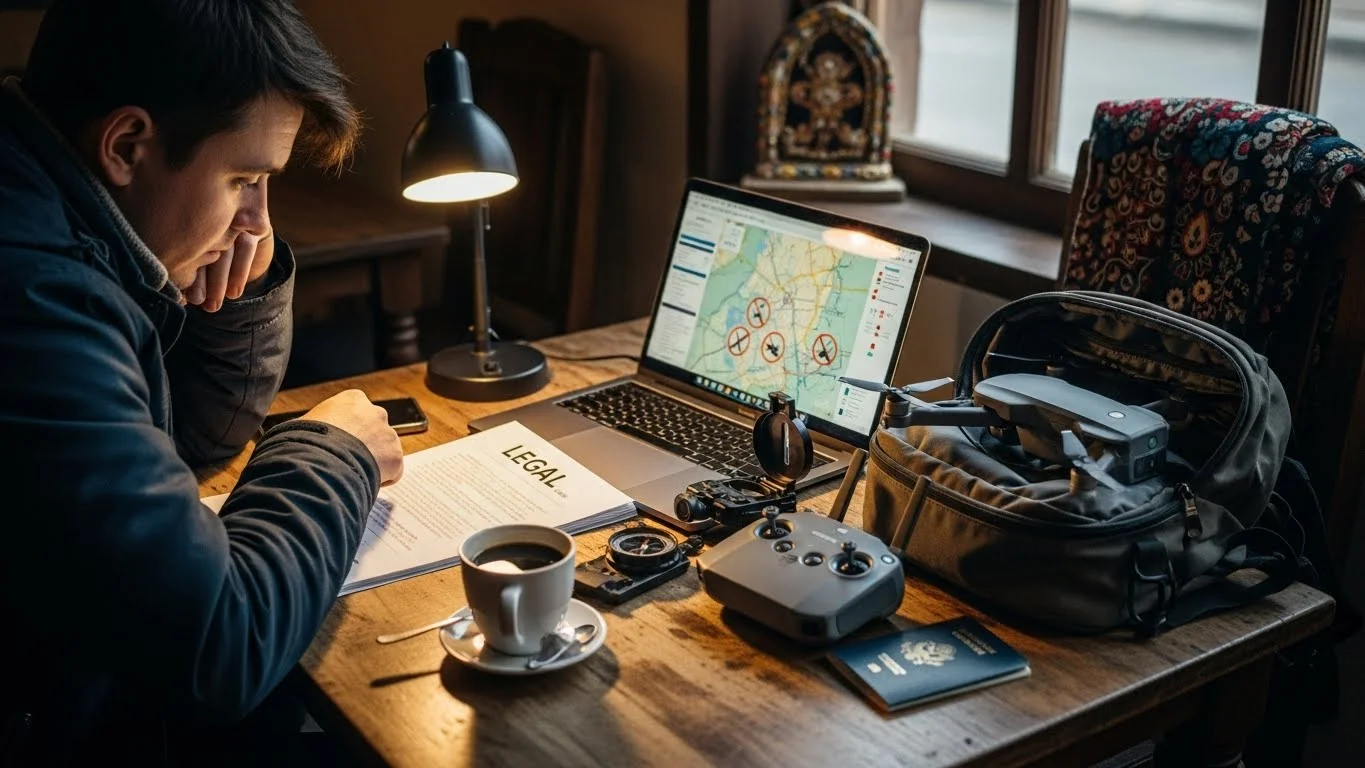
Understanding Aerial Photography
Definition of Aerial Photography
Aerial photography is capturing images from an elevated position, often using drones, aircraft, or even balloons. I remember the first time I looked at a stunning aerial shot of a coastline; it reshaped my understanding of landscapes. The depth and detail captured from above can reveal patterns and features that ground-level views can’t offer. For many, it’s not just about taking pretty pictures; it’s about storytelling through a unique lens.
Types of Aerial Photography
There are several types of aerial photography, and each can serve different purposes. Some of the most common types include:
- Drone Photography: This has become increasingly popular due to the accessibility and affordability of consumer drones. I’ve seen friends create stunning travel blogs featuring their drone shots.
- Helicopter or Plane Photography: This method is often used for commercial purposes or in professional settings. I once took a helicopter tour, and the views were absolutely breathtaking!
- Satellite Imagery: Used for mapping and research, this type is less intimate but equally fascinating. It’s amazing to think about how much data is collected from space.
- Bird’s Eye View Photography: Sometimes taken from buildings or other tall structures, this gives a unique perspective of urban landscapes.
Each type comes with its own set of challenges and advantages, but I believe that the choice often depends on the specific vision and context of the project.
Common Uses of Aerial Photography
The uses of aerial photography are vast and varied. In my experience, I’ve encountered it in several fields:
- Real Estate: Aerial shots can showcase properties in their entirety, giving potential buyers a better sense of the location and surroundings.
- Environmental Monitoring: Aerial photography plays a crucial role in conservation efforts, helping to monitor changes in ecosystems or track wildlife.
- Events and Weddings: Capturing special moments from above can add a unique flair to photography, and many couples now opt for drone photographers to create memorable keepsakes.
- Urban Planning: City planners utilize aerial images to make informed decisions about development and infrastructure.
- Travel Photography: Many travel enthusiasts, myself included, use aerial photography to capture breathtaking landscapes and create stunning travel blogs. Read Interesting article: Top 5 Budget Drones for Stunning Travel Photos
I’ve found that the versatility of aerial photography makes it a valuable tool in numerous sectors, and its popularity continues to grow as technology advances.
Legal Framework for Aerial Photography
National vs. International Laws
When it comes to aerial photography, understanding the legal framework is crucial. Different countries have different regulations, and if you’re traveling, it’s essential to know what applies where you are. I learned this lesson the hard way during a trip abroad when I attempted to take drone shots without checking local laws first. It’s always best to research the regulations in the country you’re visiting to avoid legal issues.
FAA Regulations in the United States
In the U.S., the Federal Aviation Administration (FAA) has specific regulations for drone use. For instance, drone pilots must register their drones if they weigh more than 0.55 pounds. I remember registering my drone before a trip, and it felt good to know I was following the rules. Furthermore, operating a drone for commercial purposes requires a Part 107 certification, which involves passing an exam. It might seem complicated, but I found that it’s a great way to ensure safety and compliance.
European Union Regulations
In the European Union, the regulations are also stringent. The European Union Aviation Safety Agency (EASA) governs drone usage, and regulations can vary by country. I was surprised to find out that some countries require special permits even for hobbyist drone use. Before my travels in Europe, I made sure to check the local laws, and it saved me from potential fines or confiscation of my equipment.
Other Regional Laws to Consider
Beyond the U.S. and the EU, many countries have their own specific laws regarding aerial photography. For example, some countries in Asia have strict regulations that can include no-fly zones over certain areas. I once found myself in a situation where I had to adjust my plans because a popular tourist spot was off-limits for aerial photography. It’s a good reminder to always stay informed about local restrictions before flying my drone.
Permits and Permissions
When is a Permit Required?
The need for permits in aerial photography can be a bit of a gray area, depending on where you are and what you plan to shoot. Personally, I’ve found that if you’re using a drone, it’s almost always best to assume you’ll need some kind of permission. For instance, in the U.S., if you intend to fly for commercial purposes, you must have that Part 107 certification. But even for recreational flying, many parks and natural reserves require a permit. I once tried to capture some amazing shots at a national park and was stopped by a ranger who informed me about their strict no-drone policy. That experience taught me the importance of checking local rules before heading out.
How to Obtain Aerial Photography Permits
Obtaining permits can vary greatly based on your location and the nature of your photography project. In most cases, you’ll need to contact local authorities, such as parks, municipalities, or even the FAA in the U.S. For example, I’ve had success by emailing park management at places I wanted to shoot, explaining my project, and asking for permission. They were usually quite helpful, and in some cases, I received a permit that allowed me to shoot where I wanted.
If you’re flying in a city, you might need to check with local zoning laws or city regulations. Sometimes, you can get the necessary permits through online portals; I’ve used city websites that have simplified the process. It’s a little bit of work upfront, but it’s worth it to avoid any legal troubles down the line.
Local Restrictions and Guidelines
Every location has its own set of restrictions, and I’ve learned that staying informed is key. For instance, certain areas might have temporary no-fly zones due to events, construction, or wildlife protections. I remember planning a trip to shoot an iconic skyline but discovered that there was a temporary restriction due to a festival taking place. Being aware of these local restrictions can save you a lot of frustration and wasted time.
Additionally, many places have guidelines regarding how close you can fly near buildings, people, or wildlife. I always try to err on the side of caution, respecting these guidelines, not only to stay legal but also out of respect for the environment and the people around me. For instance, I once flew my drone over a beautiful beach but was careful to keep a safe distance from sunbathers and kids playing in the sand. It’s all about being conscious of our presence in shared spaces.
Privacy Concerns and Ethical Considerations
Understanding Privacy Laws
Privacy is a significant concern in aerial photography, especially with drones. I’ve often thought about how capturing images from above can inadvertently invade someone’s personal space. Many regions have specific privacy laws that dictate where you can and cannot shoot. For example, I learned that in some states, you can’t photograph someone’s home without their consent. It made me more cautious when planning my shots in residential areas.
Before shooting, I always ask myself: “Would I feel comfortable if someone took a picture of me in this setting?” It’s a good guideline to follow. Understanding local privacy laws not only helps you stay compliant but also allows you to be respectful of others’ rights.
Respecting Personal Space While Shooting
Respecting personal space is something I take to heart as an aerial photographer. I’ve noticed that while the drone gives me a bird’s-eye view, it doesn’t mean I should capture everything in my sight. If I’m near a community event or residential area, I try to be mindful of what I’m filming.
There was a time when I was shooting a local fair, and while the aerial shots of the crowd were tempting, I made sure to focus on the event’s broader atmosphere instead of individual participants. In my opinion, finding that balance between capturing beautiful footage and respecting people’s privacy is essential.
How to Handle Complaints or Conflicts
If you find yourself in a situation where someone approaches you with concerns about your photography, the best approach is to stay calm and respectful. I’ve had a couple of encounters where individuals were wary of my drone flying overhead. In those moments, I explained what I was doing and assured them that I was following all the necessary regulations.
Listening to their concerns goes a long way in diffusing tension. I even had one instance where a concerned homeowner mentioned privacy issues. After we talked, I offered to show them my footage (which I hadn’t captured any close-ups), and they were surprisingly understanding. I think it’s all about communication and transparency.
Equipment and Safety Regulations
Choosing the Right Drone for Travel
When it comes to selecting a drone for aerial photography while traveling, there are several factors to consider. I remember the excitement I felt when I purchased my first drone. I wanted something compact and lightweight, perfect for packing in my suitcase. After some research, I found that many travel photographers recommend drones like the DJI Mavic series. They’re portable, easy to use, and deliver excellent image quality.
Another aspect to think about is battery life. I’ve been in situations where I only had a limited window to capture the perfect shot. A drone with a longer flight time allows for more flexibility, especially when scouting locations. Additionally, check for features like obstacle avoidance and GPS functionality. These can make a significant difference, especially for beginners like I was. I’ve experienced a few close calls, and having those safety features has saved me from some potential mishaps.
Safety Guidelines for Aerial Photography
Safety is paramount when flying drones, especially in unfamiliar locations. I’ve learned the hard way that being aware of my surroundings is crucial. Before taking off, I always perform a pre-flight check, ensuring my drone is in good condition and that I understand the local airspace rules. I remember a trip where I was eager to get some shots over a beautiful landscape, but I took a moment to double-check my drone’s battery and settings. That extra precaution paid off.
Moreover, I avoid flying my drone near crowds or during adverse weather conditions. Wind can be unpredictable, and I’ve had moments where I almost lost control due to gusts. There’s something magical about flying a drone, but it also comes with a responsibility to ensure the safety of both the drone and those around me. I always keep a safe distance from people, buildings, and wildlife, as respecting their space is just as important as capturing the perfect shot.
Insurance Considerations for Equipment
As I delved deeper into aerial photography, I realized the importance of insuring my equipment. Drones can be quite an investment, and the last thing I wanted was to face a hefty repair bill if something went wrong. I found that many photography or drone-specific insurance policies cover damage to the drone itself and liability for any unintentional harm caused while flying. It gave me peace of mind knowing that I was protected.
When researching insurance options, I noticed that some policies even cover theft, which is particularly valuable for travelers like us who might be vulnerable at times. I once had a friend whose drone was stolen while on a trip, and it was a tough lesson about the risks involved. I now make it a priority to ensure my gear is not only insured but also secured when I’m not actively using it.
Best Practices for Aerial Photography While Traveling
Planning Your Shots
Planning is essential for capturing stunning aerial photographs. I’ve found that taking the time to map out my shooting locations can greatly enhance the quality of my work. Whenever I travel, I research potential spots where I can get the best views. I often use apps that show popular photography locations or ones that provide user-generated content to see what others have captured before me.
Moreover, I try to visualize my shots beforehand. On one trip, I planned to shoot over a famous landmark at sunrise. I arrived early, set up my drone, and waited for the golden hour light. The result was breathtaking, and it reinforced my belief in the power of preparation. By planning my shots, I could maximize my time and ensure I captured the essence of the location.
Timing and Location Considerations
Timing is everything in aerial photography. I’ve learned that the best light for shooting is typically during the golden hours—early morning and late afternoon. The soft, warm light at these times can transform even the most ordinary landscape into something magical. I remember one evening capturing the sunset over a mountain range, and the colors were so vibrant that it felt surreal.
Location matters too. Some areas are more photogenic during specific seasons. For example, I’ve visited places where fall foliage creates vivid colors that are perfect for aerial shots. I always check seasonal weather patterns to ensure I’m visiting at the right time. It’s also wise to be aware of any upcoming events or festivals that might influence the atmosphere of a location. I’ve stumbled upon local festivals that provided unique opportunities for dynamic shots, adding a layer of cultural context to my photography.
Respecting Cultural Sensitivities
Traveling to different regions means encountering diverse cultures. I’ve learned to be respectful and mindful of local customs when flying my drone. Before setting up for a shoot, I often try to engage with locals to understand their perspectives on aerial photography. I recall a time when I was in a small village, and after asking for permission, the community welcomed me and even offered to show me around. That experience enriched my photography and fostered a sense of connection.
It’s crucial to recognize that not all cultures embrace aerial photography. Some places have deep-rooted beliefs about privacy or sacred spaces. I always do my research ahead of time and approach such areas with sensitivity. If I feel unsure, I simply ask for permission. The interactions I’ve had while being respectful have often led to insights that enhanced my understanding of the community and its values.
Resources for Aerial Photographers
Online Forums and Communities
Being part of a community can make all the difference in your journey as an aerial photographer. I remember joining a few online forums where fellow drone enthusiasts shared tips, tricks, and resources. Websites like Reddit or dedicated Facebook groups can be treasure troves of information. I’ve found support in communities where members exchange experiences, discuss equipment, and even offer critiques on each other’s work. It’s nice to connect with others who share the same passion and to learn from their successes and challenges.
Another great resource is platforms like DJI Forum, where you can find specific discussions about different drone models and features. I often browse through these discussions to stay updated on the latest trends and improvements in drone technology. Engaging with these communities not only enhances my skills but also keeps me motivated.
Government Resources and Websites
For anyone venturing into aerial photography, knowing where to find reliable information is essential. I’ve often turned to government websites for up-to-date regulations and guidelines. In the U.S., the FAA website is a must-visit for drone pilots. It contains all the necessary regulations, including airspace restrictions and safety guidelines. I also recommend checking local government websites for regional laws and permits that might affect where you can fly.
In my experience, many countries have aviation authorities that provide similar resources. For example, during my travels in Europe, I frequently referred to the EASA website to clarify regulations. It’s reassuring to have accurate information directly from official sources, ensuring that I’m compliant and safe while capturing stunning shots.
Photography Workshops and Courses
Investing in your education can pay off tremendously in aerial photography. I’ve attended several workshops that focused on drone operation and photography techniques. These workshops not only taught me technical skills but also allowed me to connect with professionals in the field. I remember one workshop where we were guided through a stunning landscape, and the instructor provided real-time feedback on our shots, which helped me improve significantly.
Online courses are another option to consider. Platforms like Udemy or Skillshare offer various classes focused on aerial photography, covering everything from basic drone operation to advanced editing techniques. I’ve taken a few myself, and they helped me refine my post-processing skills, which is just as important as the actual shooting. Learning continuously keeps my passion alive and ensures I’m always improving.
Case Studies and Examples
Successful Aerial Photography Projects
Looking at successful projects can be incredibly inspiring. I’ve seen numerous aerial photography projects that not only showcased stunning visuals but also told compelling stories. One project that stood out to me was a photographer who documented the effects of climate change on coastal areas through aerial images. They combined breathtaking shots with powerful narratives, creating an impactful message that resonated widely. It reminded me of the potential we have as aerial photographers to raise awareness about important issues while capturing beauty.
Another example is the use of aerial photography in real estate. A friend of mine started a real estate photography business, and incorporating aerial shots transformed how properties were presented. Clients were amazed by the comprehensive views, and his business grew rapidly. It goes to show how effective aerial photography can be in various fields, enhancing visibility and engagement.
Lessons Learned from Legal Issues
It’s not all smooth sailing in aerial photography, and learning from others’ mistakes can save you from potential headaches. I remember hearing about a photographer who faced legal trouble after capturing images over a sensitive area without permission. This incident underscored the necessity of understanding and respecting local laws. I’ve learned to approach my photography with caution and to always double-check for any restrictions or permits needed before flying. These experiences serve as reminders to prioritize compliance and respect for others while pursuing my passion.
Additionally, I’ve read about photographers who had to deal with complaints from locals. Their experiences stressed the importance of open communication and transparency. If I ever encounter similar situations, I’ll remember to engage respectfully and clarify my intentions. Learning from these cases has shaped how I approach each aerial photography opportunity, ensuring I stay informed and respectful.
Final Thoughts
Aerial photography has opened up a whole new world for me, offering unique perspectives and endless possibilities. While navigating the legalities, ethical considerations, and technical aspects can feel daunting, I believe that with the right preparation and respect for others, we can create stunning imagery that tells powerful stories. My journey in aerial photography has been filled with learning experiences, and I encourage anyone interested to embrace the challenges and joys that come with it. Whether you’re a hobbyist or a professional, always keep your passion alive, stay informed, and enjoy the breathtaking views from above. Read Interesting article: Plan Your Next Budget Whitewater Rafting Expedition Here!
Frequently Asked Questions
“`htmlWhat is aerial photography?
Aerial photography is the process of capturing images from an elevated position, typically using drones, aircraft, or balloons, which provides unique perspectives and storytelling opportunities through a different lens.
What are the common types of aerial photography?
The common types of aerial photography include drone photography, helicopter or plane photography, satellite imagery, and bird’s eye view photography. Each type has its own advantages and challenges depending on the project’s context.
What are some common uses for aerial photography?
Aerial photography is used in various fields including real estate, environmental monitoring, events and weddings, urban planning, and travel photography. It helps showcase locations, monitor ecosystems, and capture stunning landscapes.
What legal considerations should I be aware of when doing aerial photography?
Legal considerations for aerial photography include understanding national and international laws, FAA regulations in the U.S., EU regulations, and regional laws. It’s important to research local laws before taking aerial shots to avoid legal issues.
When is a permit required for aerial photography?
A permit is often required if you are using a drone, especially for commercial purposes. Many parks and natural reserves have specific rules regarding drone use, so it’s best to check local regulations before proceeding.
How can I obtain permits for aerial photography?
To obtain permits for aerial photography, you typically need to contact local authorities, such as parks or municipalities, or check with the FAA in the U.S. Some permits can be acquired through online portals or by directly communicating with park management.
What should I know about privacy concerns in aerial photography?
Privacy concerns in aerial photography revolve around local privacy laws that may restrict photographing private properties without consent. It’s essential to be respectful and consider personal space when planning your shots.
What safety guidelines should I follow when flying a drone?
Safety guidelines for drone flying include performing pre-flight checks, being aware of local airspace rules, avoiding crowds, and not flying in adverse weather conditions. Keeping a safe distance from people, buildings, and wildlife is also crucial.
How can I respect cultural sensitivities while taking aerial photographs?
To respect cultural sensitivities, engage with locals to understand their perspectives on aerial photography, and be aware of local customs regarding privacy or sacred spaces. Always seek permission when in doubt.
What resources are available for aerial photographers?
Resources for aerial photographers include online forums and communities for sharing tips and experiences, government resources for regulations and guidelines, and workshops or online courses for improving skills and techniques.
“`