
Solo travel can be one of the most liberating and enriching experiences of your life. As a backpacker, it’s important to navigate this adventure with safety in mind. Here’s a guide to help you embark on your journey confidently. Read Interesting article: Solo Travel Safety: How to Stay Secure on Your Adventures
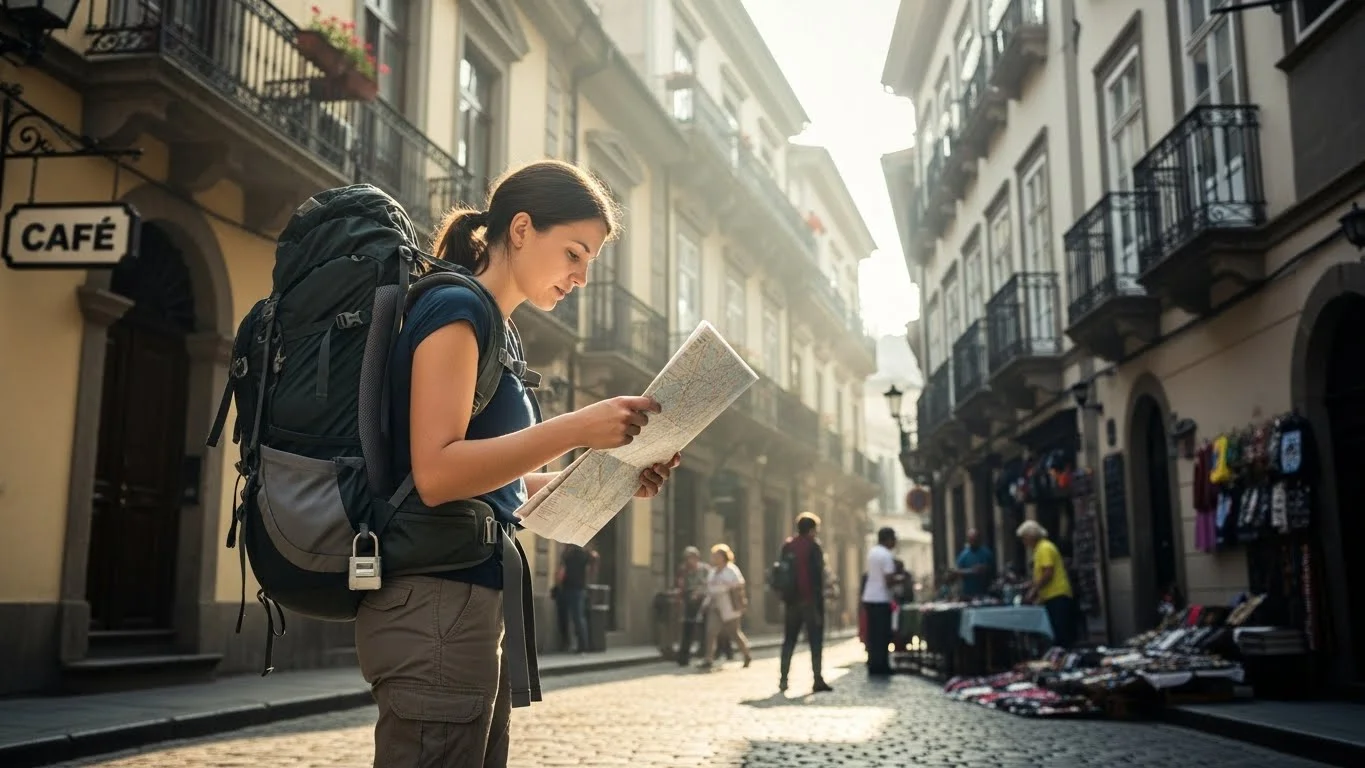
Understanding Solo Travel
Benefits of Solo Travel for Backpackers
When I first decided to travel solo, I didn’t realize the profound benefits it would bring me. There’s something incredibly freeing about being on your own schedule, exploring at your own pace. For me, solo travel meant I could wake up at sunrise to capture the perfect photo or linger in a café, sipping coffee while people-watching, without having to check in with anyone else.
One of the biggest benefits I’ve experienced is the opportunity for self-discovery. Traveling alone allows us to confront our fears, push our limits, and develop a deeper understanding of ourselves. I’ve learned to navigate unfamiliar streets, chat with locals, and find joy in solitude. Plus, it often opens doors to new friendships. On many occasions, I’ve met fellow travelers who became friends for life.
Another perk is the flexibility it provides. I can change my plans on a whim, which is something I cherish. If I stumble upon a hidden gem or a local festival, I can simply go—no need to compromise with travel companions. This spontaneity has led to some of my most memorable adventures and experiences.
Common Misconceptions about Solo Travel
While the idea of traveling alone sounds exciting, there are many misconceptions that can hold people back. One major myth I often hear is that solo travelers are lonely. In fact, I’ve found just the opposite to be true. Being alone doesn’t mean being lonely; it often allows for deeper connections with others. I’ve met so many amazing people while traveling solo, from fellow backpackers to locals who shared their stories with me.
Another common misconception is that solo travel is dangerous. While safety is certainly a concern, I believe that with the right precautions and awareness, solo travel can be just as safe—if not safer—than traveling with a group. I recall a time when I was in a bustling market, and while I was cautious, I felt completely at ease navigating the crowd and engaging with local vendors. Read Interesting article: Stay Safe While Exploring: Solo Travel Safety for Adventurers
Lastly, some people think that solo travel is only for young adventurers. In my experience, people of all ages can enjoy the thrill of exploring the world alone. It’s about having the right mindset and being open to new experiences, which anyone can embrace, regardless of age.
Essential Safety Tips for Backpackers
Research Your Destination
Before I set out on any trip, I always do my homework. Researching my destination is crucial for understanding the culture, local customs, and potential safety concerns. I like to check travel forums, read blogs, and watch vlogs about the places I plan to visit. This background knowledge not only helps me feel more prepared, but it also allows me to blend in more with the locals.
For instance, when I traveled to Thailand, I learned about the dress code for visiting temples and the importance of showing respect to the local culture. This research helped me avoid any awkward situations and allowed me to immerse myself in the experience fully.
Stay Aware of Your Surroundings
Being aware of my surroundings has been one of the best habits I developed while traveling solo. I remember walking through the bustling streets of Istanbul, and while I was taking in the sights, I made it a point to stay vigilant. Simple actions like keeping my bag secure and being mindful of who was around me made a big difference.
I also try to avoid distractions, like constantly checking my phone or wearing headphones, especially in crowded places. By staying present and alert, I can enjoy my surroundings while also being conscious of any potential risks. This practice has helped me feel more confident as a solo traveler.
Emergency Contact Information
Before I leave for any trip, I ensure that I have essential emergency contact information saved on my phone and written down in my travel journal. This includes local emergency numbers, the address of my accommodation, and the contact details of my country’s embassy. I’ve learned from experience how helpful this can be when things don’t go as planned.
For example, during a trip to Barcelona, I lost my wallet in a crowded area. Having the local emergency contact saved me a lot of hassle. I was able to quickly reach out to my bank and report the lost cards, which eased my stress during the situation.
Understand Local Laws and Customs
Every country has its unique laws and customs, and understanding them can help avoid misunderstandings. For me, it’s important to respect the local rules and adapt my behavior accordingly. For instance, in some countries, it’s considered rude to take photos without permission, while in others, certain gestures may have different meanings.
During my travels in Japan, I was amazed by the etiquette surrounding public transportation. People were generally quiet and respectful on trains, which I made sure to follow. This not only helped me blend in, but it also enriched my travel experience.
By following these safety tips and keeping an open mind, I’ve found that solo travel can be both thrilling and secure. As I continue to explore new places, I always remind myself that staying safe enhances my journey and allows me to focus on the wonders of the world around me. Read Interesting article: Essential Solo Travel Safety Tips for Adventurous Backpackers
Preparing for Your Solo Trip
Packing Smart: Travel Essentials
Packing for a solo trip can feel daunting, but I’ve learned over the years that being strategic makes all the difference. My goal is to travel light while ensuring I have everything I need. I usually start by making a list of essentials that I can’t live without, which helps me stay organized and reduces the chances of overpacking.
One of my top packing tips is to choose versatile clothing. I often pick items that can be mixed and matched easily. This way, I can create different outfits without taking up too much space in my backpack. I also recommend packing layers, as weather can be unpredictable. For instance, during a trip to Europe, I found myself in a warm climate one day and chilly rain the next. Layering allowed me to adapt without lugging around a heavy coat.
In terms of gear, I consider packing a portable charger invaluable. It keeps my devices powered up, especially when I’m relying on my phone for navigation. I also never forget a reusable water bottle, which not only saves money but also helps me stay hydrated.
Choosing the Right Backpack
Finding the perfect backpack has been a journey in itself! After experimenting with different sizes and styles, I’ve discovered that a good backpack should feel like an extension of yourself. For me, comfort is key. I prefer a backpack with padded straps and a hip belt, as they distribute weight more evenly, which is crucial when I’m trekking through cobblestone streets.
I also look for a backpack with multiple compartments. This makes it easier to access my essentials without having to dig through everything. When I traveled to South America, I appreciated having separate sections for my clothes, tech gear, and personal items. Additionally, I recommend considering security features, like lockable zippers or anti-theft designs, which can provide peace of mind in crowded places.
Travel Insurance: What You Need to Know
Travel insurance might not be the most exciting topic, but I can’t stress enough how important it is. I learned the hard way after an unexpected trip to the doctor while traveling. Having insurance saved me from a hefty bill that would’ve been tough to handle without coverage.
When choosing a policy, I always make sure it covers medical emergencies, trip cancellations, and theft or loss of personal belongings. I recommend reading reviews and comparing different providers. I once chose a plan based on a friend’s recommendation, and it turned out to be a lifesaver when I had to change my travel plans unexpectedly. Knowing I was protected let me focus more on enjoying my journey.
Staying Connected
Mobile Data vs. Wi-Fi: Best Options
Staying connected while traveling solo is crucial for safety and convenience. I’ve experimented with both mobile data plans and Wi-Fi, and my experience has shown that the best option can vary by destination. In some countries, purchasing a local SIM card was the way to go. It was affordable and gave me the freedom to navigate without relying on Wi-Fi. I remember being in Vietnam and finding a great SIM deal that allowed me to stay connected throughout my trip.
However, in cities with good free Wi-Fi, like in many European capitals, I often relied on that instead. I’d usually find coffee shops or libraries with reliable connections. I’ve also discovered that having a plan for both options is smart. That way, I can switch to mobile data if Wi-Fi isn’t available or secure.
Using Offline Maps and Apps
One of my favorite travel hacks is downloading offline maps before I set out for a new city. I’ve used apps like Google Maps and Maps.me, which have made navigating unfamiliar places so much easier. I remember wandering through the narrow streets of Paris with an offline map that guided me to hidden gems I would’ve missed otherwise.
Downloading travel apps for language translation has been another game-changer. I’ve found that even a simple “hello” or “thank you” in the local language can go a long way in connecting with people. Plus, these tools come in handy when I need to ask for directions or help.
In my experience, planning ahead and using technology smartly has made solo travel not only easier but also more enjoyable. By staying connected and prepared, I can focus on making the most of each adventure.
Accommodation Safety
Choosing Safe Places to Stay
Finding the right place to stay during my travels has always been a priority for me. I remember when I first started backpacking solo; I was overwhelmed by the sheer number of accommodation options. After some trial and error, I learned that safety should always come first. I usually opt for hostels or guesthouses that are well-reviewed and located in safe neighborhoods. It’s worth doing a bit of research to find places that have good security measures, like 24-hour reception and lockers for my valuables.
On one trip to Lisbon, I chose a hostel that was highly recommended by fellow travelers. It turned out to be a fantastic decision. Not only was the area safe, but the staff was incredibly welcoming, and they provided tips on where to explore while keeping my safety in mind. I also found that staying in communal spaces encouraged socializing, which made my solo adventure feel less isolating.
Checking Reviews and Ratings
Before booking any accommodation, I always check reviews and ratings on platforms like Hostelworld, Booking.com, or Airbnb. My motto is: if something seems too good to be true, it probably is. In my experience, genuine reviews from fellow travelers can reveal important details about a place that may not be immediately obvious. I learned this the hard way when I booked a budget hotel based solely on price, only to find it lacked basic safety features and had a sketchy location.
For example, during a trip to Budapest, I carefully read through the reviews and chose a hostel that had security features like keypad entry and personal lockers. This not only gave me peace of mind but also made my stay more enjoyable, as I could focus on exploring the city without worrying about my belongings. I’ve found that good reviews often mention helpful staff, cleanliness, and the overall vibe of the place, which are all things I value when traveling solo.
Meeting Other Travelers Securely
As a solo traveler, I love meeting new people, but I’ve learned to do so in a secure manner. Many hostels and guesthouses offer communal activities or tours, which can be a great way to connect with fellow travelers. I often join group outings organized by the hostel, like food tours or pub crawls, where I feel safer meeting people in a guided setting. It also allows me to share experiences and tips with others who are on the same journey.
I remember attending a cooking class in Italy that was organized by my hostel. Not only did I learn how to make traditional pasta, but I also formed friendships with other travelers who I ended up exploring the city with afterward. This approach not only enhances the travel experience but also helps me feel more secure knowing I’m part of a group.
Transportation Safety
Using Public Transport Wisely
Navigating a new city can be an adventure in itself, and I’ve found that public transport is often the best way to get around. I always make sure to familiarize myself with the public transport system before I arrive. For instance, in cities like Tokyo, understanding the subway system ahead of time saved me a lot of confusion and stress. I usually download transit apps that provide maps and directions to help me get from point A to point B smoothly.
When using public transport, I keep my belongings close to me, especially during peak hours. I’ve learned to avoid standing with my back to the crowd and instead position myself in a way that I can keep an eye on my bag. I remember being on a busy bus in Barcelona, and while it was chaotic, I felt secure knowing I was aware of my surroundings. Staying alert has always kept me one step ahead and has prevented any potential mishaps.
Best Practices for Ridesharing
Ridesharing apps like Uber or Lyft have become my go-to for safe transportation, especially late at night. I feel more comfortable knowing there’s a record of my ride, and I can easily share my trip details with a friend or family member. Before I request a ride, I always verify the driver’s details and the car’s license plate to ensure I’m getting into the right vehicle. I’ve learned the importance of never rushing into a ride, even if I’m tired or in a hurry.
I can’t stress enough how vital it is to trust your instincts. There was a time in Bangkok when I felt uneasy about the driver’s behavior, and I decided not to get in. Instead, I waited for another ride, which turned out to be a much more pleasant experience. Listening to that gut feeling has always served me well while traveling.
Renting Vehicles: What to Consider
Renting a vehicle can offer incredible freedom during my travels, but I’ve learned that it comes with its own set of safety considerations. When I rented a scooter in Bali, I made sure to wear a helmet, stay aware of local traffic rules, and only rent from reputable companies. I’ve seen so many travelers get into trouble simply by ignoring safety protocols, so I always prioritize safety over convenience.
Before hitting the road, I check the rental’s insurance coverage and make sure I understand what’s included. During a road trip in New Zealand, this knowledge came in handy when I encountered some unexpected bumps on the road. I also recommend familiarizing myself with the area I plan to drive in, as well as keeping a physical map handy in case my GPS fails. This way, I can confidently explore without too much worry.
By keeping these safety tips in mind while choosing accommodations and navigating transportation, I’ve found that solo travel becomes not only more secure but also a lot more enjoyable. Each trip has taught me valuable lessons about safety that I carry into my future adventures.
Frequently Asked Questions
What are the benefits of solo travel for backpackers?
Solo travel offers several benefits, including the freedom to explore at your own pace, opportunities for self-discovery, and the flexibility to change plans spontaneously. It also allows for deeper connections with locals and other travelers, enriching the overall experience.
Is solo travel lonely?
No, solo travel is not inherently lonely. Many travelers find that being alone allows for deeper connections with others, leading to friendships and meaningful interactions with locals and fellow travelers.
Is solo travel safe?
While safety is a concern, solo travel can be just as safe—if not safer—than traveling with a group when the right precautions and awareness are taken. Staying vigilant and being aware of your surroundings are key components of safe solo travel.
What should I research before traveling solo?
Researching your destination is crucial for understanding local customs, culture, and potential safety concerns. This preparation helps you blend in with locals and avoid awkward situations.
What are some essential safety tips for solo travelers?
Some essential safety tips for solo travelers include staying aware of your surroundings, having emergency contact information handy, and understanding local laws and customs. These practices help enhance safety while traveling.
What should I consider when packing for a solo trip?
When packing, aim to travel light by choosing versatile clothing that can be mixed and matched. Also, consider packing layers for unpredictable weather and including essentials like a portable charger and a reusable water bottle.
How can I choose a safe place to stay while traveling solo?
To choose a safe place to stay, opt for well-reviewed hostels or guesthouses located in safe neighborhoods. Look for accommodations with good security measures, such as 24-hour reception and lockers for valuables.
What should I do to stay connected while traveling?
Staying connected can involve using mobile data plans, purchasing a local SIM card, or relying on free Wi-Fi in cafes and libraries. Planning for both options helps ensure you stay connected throughout your travels.
How can I safely meet other travelers while backpacking?
Join communal activities or group outings organized by hostels, such as tours or classes. This approach allows you to meet other travelers in a guided setting, enhancing your experience while maintaining a sense of security.
What are some best practices for using public transport as a solo traveler?
Familiarize yourself with the public transport system before your trip, keep your belongings close, and stay alert during peak hours. It’s also wise to download transit apps for easy navigation.