
When it comes to backpacking, packing light is key to a hassle-free adventure. With the right budget gear, you can enjoy the great outdoors without breaking the bank or your back. If you’re looking for more insights, check out Budget Backpacking: Essential Gear for Your Next Adventure.
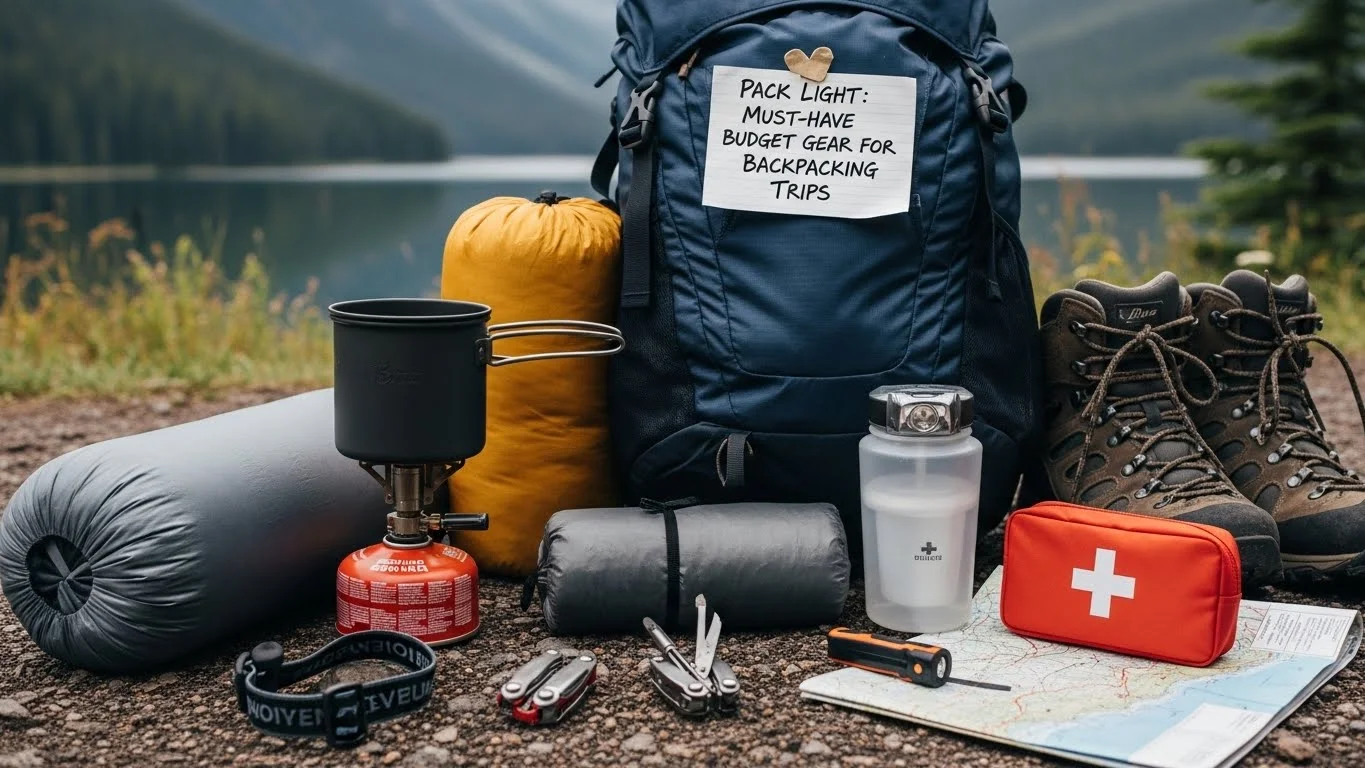
Understanding the Importance of Packing Light
As someone who has spent countless weekends exploring trails and sleeping under the stars, I can’t emphasize enough how crucial it is to pack light. Initially, I thought that bringing everything I might need was a smart move. But I quickly learned that the opposite is true. Packing light not only enhances your experience but also makes your journey more enjoyable. You can hike longer, with less fatigue, and more freedom. Let’s dive into the benefits of minimalist packing.
Benefits of Minimalist Packing
One of the greatest benefits of packing light is the reduction in physical strain. I remember my first backpacking trip, where I lugged around a heavy pack filled with unnecessary items. By the end of the first day, I was exhausted and regretting my choices. Since then, I’ve adopted a minimalist approach, and it has completely transformed my outdoor experiences.
When you pack light, you also save time. You spend less time looking for things and more time enjoying nature. Think about it: with fewer items, you can easily access what you need, whether it’s a snack or your water bottle. Plus, minimalist packing encourages thoughtful consideration of each item you bring. This leads to a more enjoyable and less cluttered trip.
Another advantage is the flexibility that comes with a lighter load. I’ve found that I’m more willing to take spontaneous detours and explore new trails when I’m not burdened by a heavy pack. It also makes navigating through crowded areas, like popular hiking spots, so much easier.
Common Misconceptions About Backpacking Gear
Many people believe that you need to spend a fortune to have quality gear. I’ve been there, purchasing the latest and greatest items only to realize that many affordable options can perform just as well. It’s a common misconception that high price equals high quality. In reality, there are plenty of budget-friendly brands that produce reliable gear without the hefty price tag.
Another misconception I’ve encountered is that you can’t find good gear without sacrificing comfort or safety. That’s simply not true. I’ve learned that with a little research and the right mindset, you can discover quality gear that doesn’t compromise your experience. It’s all about understanding your priorities and what you truly need for your trips. For more information on this, check out Must-Have Backpacking Gear on a Budget: A Complete Guide.
Lastly, some people think that packing light means sacrificing essentials. This couldn’t be further from the truth. Minimalist packing is about being strategic and smart. I’ve found that with careful planning, I can bring all the essentials without overloading my pack. It’s amazing how much you can fit into a well-organized backpack when you focus on multifunctional items.
Essential Backpacking Gear for Budget Travelers
Now that we’ve covered the importance of packing light, let’s discuss the essential gear that every budget traveler should consider. I believe that having the right gear can make your trip more enjoyable and less stressful, so here are some must-have items.
Backpacks
Your backpack is the cornerstone of your gear. I’ve tried several different types over the years, and my favorite is a lightweight, durable pack that offers enough space without being bulky. When selecting a backpack, look for one that fits comfortably and has adjustable straps. It’s worth investing in a quality backpack, as it can last for many adventures.
Sleeping Bags
Choosing the right sleeping bag can make a world of difference in your comfort level while camping. I recommend looking for a lightweight, compressible sleeping bag that provides adequate warmth for your climate. I’ve found that synthetic bags are often more affordable than down bags and can still provide great insulation. Just make sure to check the temperature rating to match your needs.
Sleeping Pads
A good sleeping pad is essential for a restful night’s sleep. I’ve experienced the discomfort of sleeping directly on the ground, and trust me, it’s not pleasant. A budget-friendly foam pad can offer enough comfort and insulation without taking up too much space in your pack. Inflatable pads are also available, but they can be pricier. I recommend trying both options to see which you prefer.
Cooking Gear
For me, nothing beats a warm meal after a long day of hiking. When it comes to cooking gear, I prefer a compact stove and lightweight cookware. I’ve had success with simple, budget-friendly camping stoves that boil water quickly and efficiently. Look for pots or pans made of lightweight materials; they heat evenly and are easy to clean.
Water Filtration Systems
Staying hydrated is crucial during any backpacking trip. I’ve learned the hard way to always carry a reliable water filtration system. There are many affordable options available, from filters to purification tablets. I personally prefer a compact water filter that allows me to fill my hydration reservoir directly from streams. It saves space and weight while ensuring I have safe drinking water.
Clothing Essentials
Packing the right clothing can make or break your trip. I typically choose moisture-wicking fabrics that keep me comfortable and dry. Layering is key. I always pack a lightweight base layer, an insulating mid-layer, and a waterproof outer layer. Investing in a good pair of hiking boots is also essential; they should be comfortable and provide adequate support. Remember, it’s better to pack fewer clothing items that you can mix and match than to overpack.
By focusing on these essential items, you’ll be able to pack light while ensuring you have everything you need for a successful backpacking trip. I’ve learned that with the right gear, I can fully immerse myself in nature and enjoy the journey without any unnecessary burdens. Trust me, packing light is the way to go!
Budget-Friendly Options for Quality Gear
Finding quality gear on a budget can sometimes feel like searching for a needle in a haystack. However, I’ve discovered that with a little research and open-mindedness, it’s entirely possible to equip yourself without emptying your wallet. Let me share some of the best ways to score budget-friendly options for your backpacking adventures.
Top Brands for Affordable Backpacking Gear
Over the years, I’ve come across several brands that consistently offer great quality at a reasonable price. For backpacks, I recommend checking out brands like Kelty and Osprey’s budget lines. They produce durable packs that hold up well on the trail without charging you an arm and a leg.
When it comes to sleeping bags, I’ve had great experiences with REI’s in-house brand and the Coleman line. Their sleeping bags are often lightweight, warm, and easy on the wallet. For cooking gear, brands like GSI Outdoors and MSR provide efficient stoves and cookware that won’t break the bank.
Don’t overlook outdoor clothing either! Patagonia’s clearance section has some hidden gems, and Columbia offers budget-friendly options that don’t skimp on performance. I’ve often found that you can get quality clothing that stands up to the elements while remaining affordable.
Where to Buy Budget Gear (Online and Local Stores)
Shopping for gear online has its perks, especially when it comes to finding deals. Websites like REI Outlet, Backcountry, and Amazon often have sales on last season’s items, which can save you a lot. I usually keep an eye on their clearance sections, where I’ve snagged some fantastic deals on gear that I still use today.
If you prefer to shop in person, I recommend checking out local outdoor retailers or sporting goods stores. They often have seasonal sales, and you can see the gear firsthand. Plus, some stores have rental programs, which can be a cost-effective way to try out gear before you commit to a purchase.
Second-Hand Gear: Pros and Cons
Buying second-hand gear can be a game changer for budget-conscious backpackers. I’ve found some of my favorite pieces of equipment at thrift stores and online marketplaces like Facebook Marketplace or eBay. There’s something satisfying about scoring a great deal on gear that has a history!
However, I’ve learned to be cautious. Inspecting items closely is essential to ensure they’re in good condition. You want to avoid purchasing gear with significant wear and tear that might fail when you need it most. For instance, I once bought a used tent that looked great but had a few hidden leaks. Lesson learned! Always check for damages, and if possible, test the gear before you buy.
While second-hand gear can save you money, it’s also wise to consider the warranty and return policy—these might be limited or nonexistent when buying used. Balancing the pros and cons has allowed me to enhance my gear collection without overspending.
How to Choose the Right Gear for Your Trip
Choosing the right gear isn’t just about finding the cheapest option; it’s about matching your equipment to your specific backpacking needs. I’ve gone on trips where I packed items that looked cool but ended up being impractical. Let’s dive into how to ensure you’re selecting the right gear for your adventures.
Assessing Your Backpacking Needs
Before hitting the stores or websites, take a moment to assess the type of trip you’re planning. Are you going on a multi-day hike, or just a weekend getaway? I’ve found that understanding the length, terrain, and climate of my trips helps me choose the right equipment. For instance, if I’m heading into colder areas, a good sleeping bag with a lower temperature rating is essential. On the other hand, I can get away with lighter gear if I’m camping in warmer climates.
Weight vs. Durability Considerations
One of the biggest dilemmas I face is balancing weight and durability. I want gear that is lightweight for easy carrying, but I also need it to withstand the rigors of the outdoors. I’ve learned to prioritize items that are both durable and lightweight, like a good quality tarp or a sturdy but light tent. Reading reviews and seeking recommendations from fellow backpackers has helped me make informed decisions. It’s often worth spending a bit more on key pieces that will last for years.
Multi-Use Items to Save Space and Money
Another strategy I’ve found incredibly helpful is investing in multi-use items. For example, I often take a bandana that can serve as a towel, a pot holder, or even a makeshift face covering. A good camping knife can also double as a tool for food prep and repairs. By focusing on items that can serve multiple purposes, I save space and money while keeping my pack light.
Trust me, taking the time to think through your gear choices will lead to a more enjoyable experience in the great outdoors. When you have the right gear that fits your needs, you can fully embrace the adventure ahead!
Top Must-Have Gear Items for Different Types of Backpacking
Hiking in National Parks
When I think of hiking in national parks, I picture stunning landscapes, diverse wildlife, and well-maintained trails. To make the most out of these experiences, I’ve identified some essential gear items that can enhance my adventures. A sturdy pair of hiking boots is vital, as they provide the support and traction needed for various terrains. I remember hiking in Zion National Park, where I faced steep climbs and rocky paths, and my boots made all the difference.
Another must-have is a daypack for shorter hikes. It should be lightweight yet spacious enough to carry water, snacks, a first-aid kit, and a light jacket. Sunscreen and a good hat are also essential, especially when the sun is blazing down on you. In national parks, the weather can vary, so I always pack layers. A quick-dry shirt and breathable pants can keep you comfortable as you navigate through different climates throughout the day.
Camping in the Wilderness
Camping in remote areas requires a bit more preparation and specialized gear. I’ve learned that a reliable tent is non-negotiable. Investing in a good quality tent that is easy to set up can make a world of difference, especially after a long day on the trail. I remember my first wilderness camping trip where I struggled with a flimsy tent that took ages to pitch. Now, I choose a tent that has a good balance of weight and durability. Make sure it’s rated for the conditions you expect, whether it’s rain, wind, or snow.
Also, a portable camping stove is essential for cooking meals. I prefer models that are compact and easy to use. A lightweight stove allows me to enjoy hot meals without the hassle of an elaborate setup. I often bring dehydrated meals to save weight, and they’re surprisingly tasty! Additionally, a reliable headlamp is crucial for navigating around the campsite after dark. I can’t tell you how many times I’ve stumbled around looking for something in my tent without good lighting.
Traveling Abroad
Traveling abroad for backpacking can be a thrilling experience, but it also comes with unique challenges. I’ve found that packing versatile clothing is key. I bring items that can easily transition from hiking during the day to a more casual dinner at night. Quick-dry fabrics and neutral-colored clothes that can be mixed and matched work best. I also like to carry a lightweight rain jacket that can fold up small but keep me dry if unexpected weather hits.
When traveling internationally, I always make sure to have a secure travel wallet or money belt to keep my important documents and cash safe. I’ve learned the hard way how crucial it is to stay organized when navigating new places. A good travel guide or an offline map app on my phone also helps ensure I don’t get lost exploring unfamiliar trails.
Another tip I can share is to always have a universal travel adapter. It’s a small item that can save a lot of hassle when it comes to charging devices. I’ve also developed a habit of bringing a portable power bank. It’s a lifesaver when I’m out in the field for extended periods, especially when I want to capture memories or stay connected with loved ones.
By tailoring my gear choices to the specific type of backpacking trip, I ensure I’m prepared for whatever the adventure throws my way. Each experience brings new lessons and insights, and I’ve learned to adapt my packing list accordingly.
Strategies for Packing Efficiently
Roll vs. Fold: Best Packing Techniques
Packing efficiently can make all the difference in how much you can fit into your backpack while keeping it organized. One technique I’ve found incredibly effective is rolling my clothing instead of folding it. Rolling not only saves space but also helps reduce wrinkles. I remember the first time I tried rolling my clothes; it felt like I had discovered a hidden superpower! I could fit so many more items in my pack, and finding what I needed was much easier.
Another advantage of rolling is that it allows for better compression. I often use this method for lightweight items like t-shirts, shorts, and even my sleeping bag. For bulkier items like jackets, I still prefer a folding method to maintain their shape. I think experimenting with both techniques can help you find what works best for your packing style.
Using Packing Cubes and Compression Bags
Packing cubes and compression bags have become my best friends when it comes to organization. I’ve started using packing cubes to categorize my clothing and gear. For instance, I have one for my hiking clothes, another for my sleepwear, and a separate one for my cooking gear. This way, I can easily grab what I need without rummaging through my entire pack.
Compression bags, on the other hand, are fantastic for saving space. I often use them for my sleeping bag and extra clothing. By squeezing out the excess air, I can dramatically reduce the volume of these items. I remember packing for a week-long trip and being amazed at how much room I saved using compression bags. Just be careful not to overstuff them, as it can make it harder to pack your backpack comfortably.
Organizing Your Backpack for Easy Access
How you organize your backpack can either make your trip easier or turn it into a frustrating scavenger hunt. I’ve learned to prioritize accessibility based on how often I’ll need certain items. For example, I keep my water bottle and snacks in external pockets for quick access during hikes. My first-aid kit, which I hope never to use, is stored in a top compartment that’s easy to reach in case of emergencies. I believe that having a well-organized backpack reduces stress and helps me enjoy the journey more.
Additionally, using smaller pouches for specific items can keep everything in its place. I have a small pouch for my toiletries and another for my electronics. This system allows me to quickly find what I need without dumping everything out. I recommend taking the time to plan your backpack’s layout before your trip; it can save you time and frustration on the trail!
Tips for Maintaining Your Gear
Cleaning and Storing Your Equipment
Taking care of your gear is essential for extending its lifespan. I’ve learned that cleaning my equipment after every trip helps keep it in good condition. For my tent, I always make sure to sweep out any dirt and debris before packing it away. I also give it a gentle wash with mild soap when it’s particularly dirty. After a camping trip, I let it dry completely to prevent mold and mildew.
Storing my gear properly has also become a priority. I try to keep my items in a cool, dry place, away from direct sunlight. For instance, I store my sleeping bag in a large cotton sack rather than its compression stuff sack to prevent it from losing its loft. I believe that treating my gear with care pays off in the long run.
Repairing Common Gear Issues
I’ve encountered my fair share of gear malfunctions on the trail. Nothing quite compares to the feeling of panic when a zipper breaks or a tent pole snaps. I’ve learned some basic repair techniques that have saved my trips. Carrying a small repair kit with duct tape, a needle, and thread has proven invaluable. I once had a small tear in my backpack that I managed to patch up with some duct tape until I got home. It’s amazing how a little preparation can go a long way!
Extending the Life of Your Gear
To truly extend the life of my gear, I make it a point to read the care instructions. Some items require special attention, like washing at specific temperatures or avoiding harsh detergents. I’ve found that following these guidelines not only keeps my gear looking great but also maintains its performance. Investing some time in maintenance prevents larger issues and costly replacements down the road.
FAQs About Budget Backpacking Gear
How much should I budget for gear?
Budgeting for gear can vary widely based on your needs and preferences. From my experience, setting aside around $300 to $500 for essential gear is a good starting point for beginners. You can find quality options within this range if you focus on the essentials.
What are the must-have items for first-time backpackers?
For first-time backpackers, I recommend prioritizing a comfortable backpack, a good sleeping bag, a sleeping pad, and a reliable tent. These essentials will provide a solid foundation for your adventures. Also, don’t forget about water filtration and cooking gear!
Can I rent backpacking gear instead of buying?
Absolutely! Renting gear can be a fantastic option, especially if you’re new to backpacking or unsure about your long-term commitment. Many outdoor stores offer rental programs, allowing you to test equipment before making a purchase. I’ve personally rented gear for specific trips, and it’s helped me save money while ensuring I have what I need.
What are the benefits of packing light?
Packing light reduces physical strain, saves time, and offers flexibility. With fewer items, you can easily access what you need and are more willing to take spontaneous detours, enhancing your overall outdoor experience.
What are some common misconceptions about backpacking gear?
Many people believe that quality gear must be expensive, that good gear compromises comfort or safety, and that packing light means sacrificing essentials. In reality, budget-friendly options can provide reliable quality without overloading your pack.
How can I find budget-friendly gear options?
Finding quality gear on a budget involves researching and being open-minded. Popular brands like Kelty and Osprey offer affordable backpacks, while REI and Coleman have great sleeping bags. Online retailers like REI Outlet and Backcountry also offer sales on last season’s items.
What should I consider when choosing gear for my trip?
Consider the type of trip you’re planning, including its length, terrain, and climate. Ensuring your gear matches these factors helps you make informed choices, such as selecting appropriate sleeping bags and clothing for varying conditions.
What techniques can help maximize space in my backpack?
Packing efficiently can be achieved by rolling clothes instead of folding them, using packing cubes for organization, and employing compression bags to save space. These techniques help you fit more into your backpack while keeping it organized.
How do I maintain my backpacking gear?
To maintain your gear, clean it after each trip, store it in a cool, dry place, and read care instructions to follow proper maintenance guidelines. Regular upkeep can extend the life of your equipment and ensure it performs well.
What are some essential clothing items for backpacking?
Essential clothing items for backpacking include moisture-wicking fabrics, a lightweight base layer, an insulating mid-layer, and a waterproof outer layer. Remember to pack comfortable hiking boots and consider layering to adapt to varying weather conditions.
Final Thoughts
Embarking on a backpacking adventure doesn’t have to be overwhelming or expensive. With the right strategies for packing efficiently, maintaining your gear, and choosing budget-friendly options, you can enjoy the great outdoors without the burden of a heavy pack or a depleted wallet. Remember, the goal is to immerse yourself in nature and create unforgettable memories. By focusing on essentials and being smart about your choices, I believe you can have amazing experiences that inspire you to explore even further. So lace up those hiking boots, pack your gear, and set off on your next great adventure! And don’t forget to check out Backpacking with a Budget: Camera Gear You Need for more tips!