
Mountain climbing is an exhilarating adventure that can be both rewarding and affordable. If you’re ready to tackle the heights without breaking the bank, let’s dive into the essentials you need to know before your climb! Read Interesting article: Ultimate Guide to Cheap Mountain Climbing Adventures
Understanding Mountain Climbing
What is Mountain Climbing?
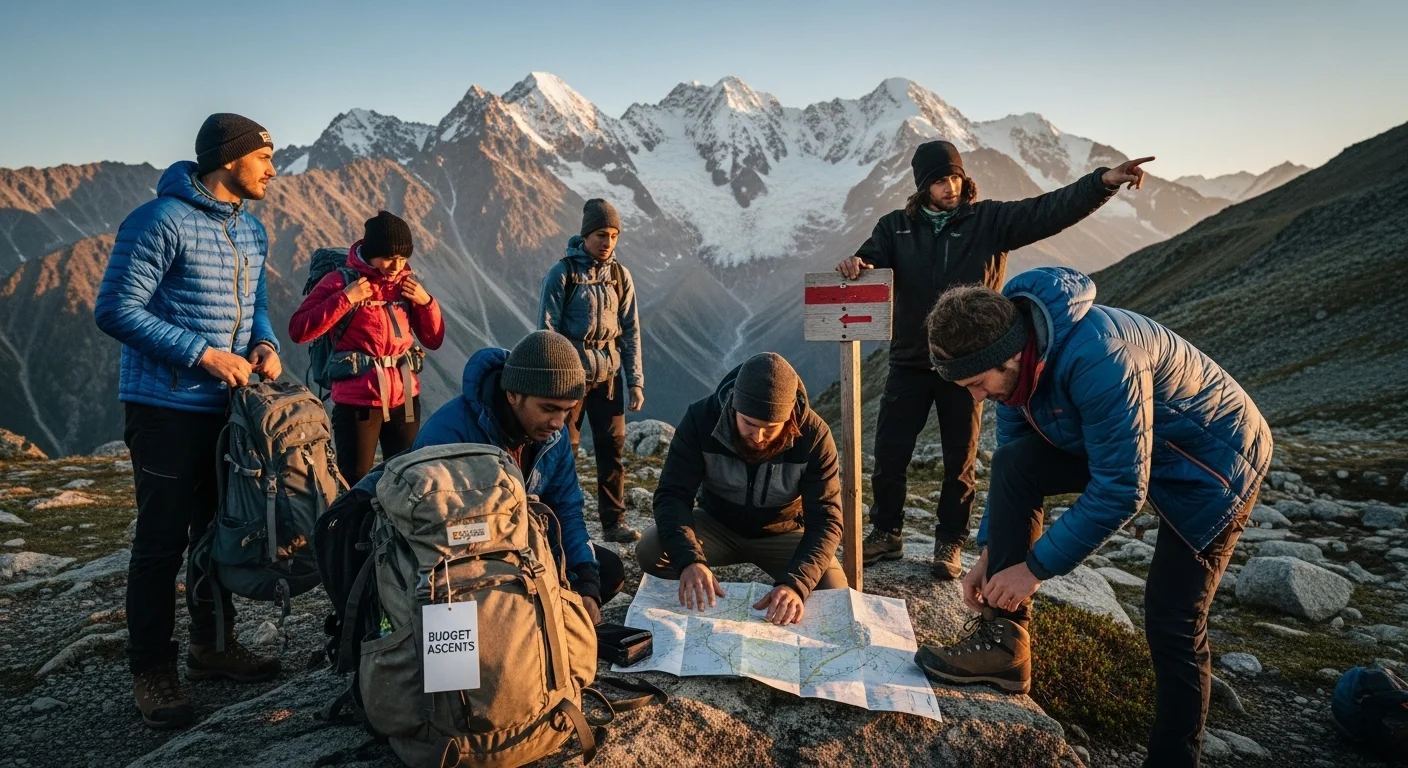
Mountain climbing, to me, has always felt like a dance between nature and our physical limits. It’s not just about reaching the summit; it’s about the journey, the challenges, and the moments shared with friends or solitude in the great outdoors. It involves ascending steep terrains, often requiring specific techniques and equipment. From rocky outcrops to snowy peaks, mountain climbing can take many forms, and each climb offers unique experiences and lessons.
Different Types of Mountain Climbing
When I first started exploring mountain climbing, I was surprised to learn how diverse this activity can be. Here are a few types I’ve encountered:
- Traditional Climbing: This involves placing your own gear, like nuts and cams, into the rock as you ascend. I found it challenging yet rewarding, as it forces you to become deeply aware of both your environment and your equipment.
- Sport Climbing: In sport climbing, fixed anchors are already in place, making it a great entry point for beginners. I remember my first sport climb; it felt exhilarating to focus solely on my technique without worrying too much about gear placement.
- Ice Climbing: As someone who loves winter sports, ice climbing has been a thrilling experience for me. Using crampons and ice axes, climbers ascend frozen waterfalls or icy rock faces. It’s a unique challenge that requires a different skill set.
- Alpine Climbing: This involves climbing in high-altitude areas, often requiring a mix of rock, ice, and snow techniques. The scenery is stunning, but I’ve learned that it also demands a high level of fitness and preparation.
Essential Gear for Climbing
One of the biggest misconceptions I had about mountain climbing was that it required a fortune in gear. However, I realized that while having the right equipment is essential, it doesn’t have to drain your wallet. Here’s a list of gear that I consider essential, along with some budget-friendly tips:
- Climbing Shoes: These are crucial for grip and comfort. I invested in a pair that was a bit more expensive but had lasted me years. Look for second-hand options or sales.
- Harness: A good harness is essential for safety. I found that rental shops often have affordable options for beginners.
- Helmets: Protecting your head is non-negotiable. I’ve seen lots of budget-friendly choices that still meet safety standards.
- Ropes and Carabiners: While these can be pricey, consider splitting costs with climbing buddies or renting them if you’re just starting out.
- Clothing: Layering is key. I’ve learned to invest in a few good quality items rather than a whole closet full of expensive gear. Look for deals on base layers and outer shells.
Over time, I’ve built my collection gradually, often waiting for sales or exploring local climbing shops that offer discounts. I’ve also found that joining climbing clubs can give access to shared gear, which is a fantastic way to meet others and save money. Read Interesting article: Essential Training Tips for Budget Backpacking Climbers
Choosing the Right Mountain
Popular Budget-Friendly Climbing Destinations
As I began my mountain climbing journey, I quickly realized that the location can make a huge difference in both experience and cost. Some of my favorite budget-friendly destinations include:
- Mount Hood, Oregon: With its stunning views and varied trails, it’s a perfect spot for beginners and seasoned climbers alike. The access fees are reasonable compared to other locations.
- Shenandoah National Park, Virginia: This park offers numerous climbing routes without the high costs associated with some national parks. The beauty of the Blue Ridge Mountains is an added bonus.
- Joshua Tree, California: Known for its unique rock formations, Joshua Tree is famous among climbers and offers many free or low-cost camping options. Read Interesting article: Explore These 7 Affordable Mountain Climbing Spots
Factors to Consider When Selecting a Mountain
When choosing a mountain, I think about several factors that help ensure a successful climb. Here’s what I consider:
- Experience Level: It’s essential to choose a mountain that matches your skills. I’ve made the mistake of underestimating my abilities, and it can make for a stressful experience.
- Accessibility: Look for mountains that are within a reasonable distance to minimize travel costs. I prefer destinations where I can drive instead of fly.
- Climbing Season: Some mountains are more accessible during certain times of the year. I’ve learned to plan my trips around these seasons to avoid additional costs.
Trail Difficulty Levels
Understanding trail difficulty is vital. I remember my first climb; I picked a trail that was way above my skill level, and it made the experience more stressful than enjoyable. Here’s a simple breakdown:
- Easy Trails: These are great for beginners. They typically have gentle inclines and well-defined paths, allowing you to build confidence.
- Moderate Trails: These require a bit more physical exertion and may have some rocky or steep sections. This is where I often find my sweet spot, challenging myself while still feeling safe.
- Difficult Trails: Only attempt these if you’re experienced and fully prepared. I’ve learned to approach these with caution and respect.
Choosing the right difficulty level ensures that you have an enjoyable experience while also helping you grow as a climber.
When to Plan Your Climb
Best Seasons for Mountain Climbing
Over the years, I’ve learned that timing can make or break a climbing experience. Each season offers unique advantages and challenges. I’ve found spring and fall to be my favorite times to climb. The weather is generally mild, and the landscapes can be breathtakingly beautiful. In spring, I love witnessing the wildflowers bloom, while in fall, the vibrant colors of the leaves create a stunning backdrop. Summer can be great too, but it often comes with more crowds and the risk of afternoon thunderstorms in some regions.
Winter climbing is a different beast altogether. While I enjoy ice climbing during this season, it definitely requires more preparation and gear. Some mountains can be quite dangerous to navigate in winter, so I always check conditions ahead of time. In my experience, it’s crucial to choose a season that aligns not only with my schedule but also with my skill level and the type of climbing I want to do.
Weather Considerations
Weather is a significant factor to consider when planning a climb. I remember one trip where I didn’t check the weather thoroughly, and we ended up caught in a sudden snowstorm. It taught me a valuable lesson about being prepared. I always look for updates on temperature, wind speed, and any potential storms leading up to my climb. Apps and websites dedicated to outdoor activities have become invaluable resources for real-time weather updates.
Wind can also play a huge role in climbing safety. I’ve encountered days where the wind made routes much more challenging, even on moderate climbs. I’ve learned to assess conditions before heading out and to make sure my climbing partners are on the same page about what we can handle.
Peak vs. Off-Peak Climbing
Choosing between peak and off-peak climbing times is something we’ve debated as a group before heading out. Peak seasons bring more climbers, which can be both good and bad. I love the camaraderie that comes from sharing the mountain with others, but I also appreciate the solitude of off-peak times. When we climbed Mount Hood during a less busy time, it felt like we had the mountain to ourselves, which was magical.
However, climbing during peak season often means better trail maintenance and more open facilities. In my case, I’ve found that balancing between these two options often leads to the best experiences. It’s wise to look into local climbing communities to gauge the best times for specific routes, as they often have the insights that guidebooks might not cover.
Budgeting for Your Climb
Estimating Costs: Gear, Travel, and Accommodation
Budgeting for a climbing trip can feel overwhelming, especially when I consider all the costs involved. I usually start by estimating my gear needs. While I’ve invested in some quality items, I’ve also learned to borrow or rent when possible. Travel expenses are next on my list; I prefer exploring locations within driving distance to cut down on flight costs. Depending on where I’m headed, I might look for affordable lodging options such as hostels or campsites. I often find that camping enhances the overall experience, connecting me even more with nature.
When I budget, I like to break down the costs into categories: gear, travel, accommodation, and food. This way, I can see where I can save and where I might splurge a little. I’ve discovered that planning ahead helps me allocate funds better, allowing me to enjoy the experience without financial stress.
Finding Affordable Gear and Rentals
When I first started out, I was shocked at how much climbing gear could cost. To keep my expenses down, I learned to search for affordable options. I often check local outdoor shops for sales or clearance items. Online marketplaces have also been a treasure trove for gently used gear. I’ve picked up climbing shoes and harnesses at a fraction of the price, which has helped me build my collection without breaking the bank.
Renting gear is another great option, especially for beginners or for those trying out new activities. I remember renting gear for my first ice climbing adventure, which allowed me to experiment without the hefty price tag. Many climbing gyms also offer rentals, so I recommend checking those out to save some money.
Transportation Options to Climbing Locations
Transportation can be one of the most significant expenses when planning a climb. I usually prefer driving because it gives me the flexibility to pack everything I need without worrying about baggage fees. Plus, I like the spontaneous stops along the way. Carpooling with friends not only reduces costs but also adds to the experience, allowing us to bond before the climb.
If the destination is far, I look into public transportation options or affordable flights. I’ve even hitchhiked once or twice when I was feeling adventurous, though it’s not for everyone! The key is to plan ahead and find the best options that fit within my budget while still giving me the chance to enjoy the journey.
Food and Water Budgeting Tips
Food is another area where I’ve found ways to save while enjoying the climbing experience. I prefer packing my meals instead of eating out, which can quickly add up. I usually prepare hearty trail mixes, sandwiches, and energy bars that are easy to carry. Hydration is crucial, so I always make sure to bring enough water or a reliable water filtration system, especially on longer climbs.
I’ve also discovered that some climbing spots have water sources available, which allows me to refill my bottles during the trip. Planning meals and snacks in advance not only saves money but also ensures I have the energy to tackle the climb ahead. It’s all about balance and making choices that support both my adventure and my wallet.
Essential Preparations Before Climbing
Training and Physical Preparation
Before I embark on any climbing adventure, I always make it a point to focus on my physical preparation. Climbing is demanding, and I’ve learned that a good level of fitness can make a significant difference in my performance and enjoyment. I typically start a training regimen that includes a mix of cardio, strength training, and flexibility exercises. For me, activities like hiking, running, and even yoga have proven to be incredibly beneficial.
Building core strength is essential, as it helps with balance and stability while climbing. I often include exercises like planks, squats, and leg raises in my routine. I also find that climbing-specific workouts—like bouldering at my local gym—help me improve my technique and build the muscle groups that are crucial for climbing.
In my experience, I’ve noticed that setting a training schedule a few weeks before my climb not only prepares my body but also gives me the mental clarity I need to tackle the challenges ahead. Plus, training can be a lot of fun, especially when I can share it with friends who are also into climbing!
Acclimatization Strategies
One of the biggest lessons I’ve learned from climbing at higher altitudes is the importance of acclimatization. When I first climbed at elevation, I didn’t take the acclimatization process seriously and ended up feeling the effects of altitude sickness. Now, I always plan for it. Gradually ascending to higher altitudes allows my body to adjust to lower oxygen levels, which is crucial for a successful climb.
I usually spend a day or so at a moderate altitude before making my ascent to the summit. This allows me to gauge how my body is reacting and gives me a chance to hydrate and eat well. I’ve found that staying well-nourished and hydrated helps immensely. Electrolyte drinks are also part of my routine to ensure I maintain my energy levels.
Additionally, I pay attention to my body during the climb. If I start feeling dizzy, fatigued, or nauseous, I make it a point to descend and allow myself to acclimatize further. It’s always better to be safe than sorry, and I’ve learned that respecting my limits is key to enjoying the experience.
Creating a Climbing Plan
Having a solid climbing plan is something I’ve come to value over the years. I remember my first few climbs where I didn’t have a clear plan, and it led to confusion and stress. Now, I take the time to outline the details before heading out. This includes researching the route, understanding the terrain, and knowing potential hazards. I often consult guidebooks and online resources to gather as much information as possible.
When creating my climbing plan, I also consider the timeline. I set realistic goals for each day, keeping in mind the difficulty of the trails and the time needed for breaks and enjoying the scenery. I always include contingency plans, just in case things don’t go according to my original schedule.
Moreover, I share my climbing plan with someone who isn’t climbing with me, so they know my intended route and estimated return time. This small step adds an extra layer of safety, ensuring that someone is aware of my whereabouts.
Safety Tips for Mountain Climbing
Understanding Risks and Hazards
Climbing, while exhilarating, comes with its own set of risks and hazards. I’ve had my share of close calls that have taught me the importance of being aware of my surroundings. It’s crucial to research the specific risks associated with the mountain you’re climbing. For instance, I often check for rockfall hazards, weather changes, and wildlife encounters.
I also try to stay updated on the condition of the trails. Sometimes, routes can change due to weather or maintenance, and it’s wise to be prepared for that. Additionally, understanding the signs of altitude sickness, hypothermia, and dehydration is essential. By being aware of these risks, I feel more empowered and prepared during my climbs.
Creating a Safety Plan
Before any climb, I make it a priority to establish a safety plan. This includes ensuring that my climbing partners and I are all on the same page regarding our goals and safety protocols. I’ve learned that having a designated leader can help streamline the decision-making process, especially in challenging situations.
We also discuss emergency procedures, such as what to do in case of an injury or if we get lost. I always carry a first aid kit and ensure that at least one person in the group knows basic first aid. It gives me peace of mind knowing we’re prepared for anything that may come our way.
First Aid Essentials for Climbers
Having a well-stocked first aid kit has become a non-negotiable for me. I remember one climb where a friend twisted their ankle, and having a first aid kit on hand made all the difference. I typically include items like adhesive bandages, antiseptic wipes, gauze, and pain relievers. Additionally, I pack blister treatment supplies because blisters can ruin a climbing trip.
I’ve also started carrying a lightweight emergency blanket and a whistle. These items can be lifesavers in critical situations. I often review the contents of my first aid kit before each climb, ensuring that everything is in order and replacing any expired items. Keeping safety at the forefront is not just about being prepared; it’s about enjoying the adventure with peace of mind.
Frequently Asked Questions
What is mountain climbing?
Mountain climbing involves ascending steep terrains, often requiring specific techniques and equipment. It’s not just about reaching the summit; it’s about the journey and experiences shared in nature.
What are the different types of mountain climbing?
The different types of mountain climbing include Traditional Climbing, Sport Climbing, Ice Climbing, and Alpine Climbing, each with unique techniques and challenges.
What essential gear do I need for mountain climbing?
Essential gear for mountain climbing includes climbing shoes, a harness, helmets, ropes, carabiners, and appropriate clothing. It’s important to invest wisely and consider renting or buying second-hand options to save money.
What are some budget-friendly climbing destinations?
Popular budget-friendly climbing destinations include Mount Hood in Oregon, Shenandoah National Park in Virginia, and Joshua Tree in California, each offering unique landscapes and reasonable access fees.
How do I choose the right mountain for climbing?
When choosing a mountain, consider your experience level, accessibility, and the climbing season to ensure a successful and enjoyable climb.
What should I know about trail difficulty levels?
Trail difficulty levels range from easy trails for beginners to moderate and difficult trails for more experienced climbers. Choosing the right difficulty is vital for an enjoyable experience.
What are the best seasons for mountain climbing?
The best seasons for mountain climbing are typically spring and fall, when the weather is milder. Summer can be crowded, and winter climbing requires special preparation and gear.
How should I budget for a climbing trip?
Budgeting for a climbing trip involves estimating costs for gear, travel, accommodation, and food. Breaking down expenses into categories helps manage spending and plan effectively.
What are some essential preparations before climbing?
Essential preparations include physical training, acclimatization to altitude, and creating a detailed climbing plan that outlines the route and safety measures.
What safety tips should I follow while mountain climbing?
Safety tips include understanding risks and hazards, creating a safety plan with your climbing group, and ensuring you have a well-stocked first aid kit for emergencies.