
Exploring the beauty of Indigenous cultures is a journey that goes beyond just visiting new places; it’s about understanding and preserving the languages that define these rich traditions. As travelers, we have a unique opportunity to contribute to this preservation. Read Interesting article: Discovering Indigenous Languages: A Guide for Backpackers
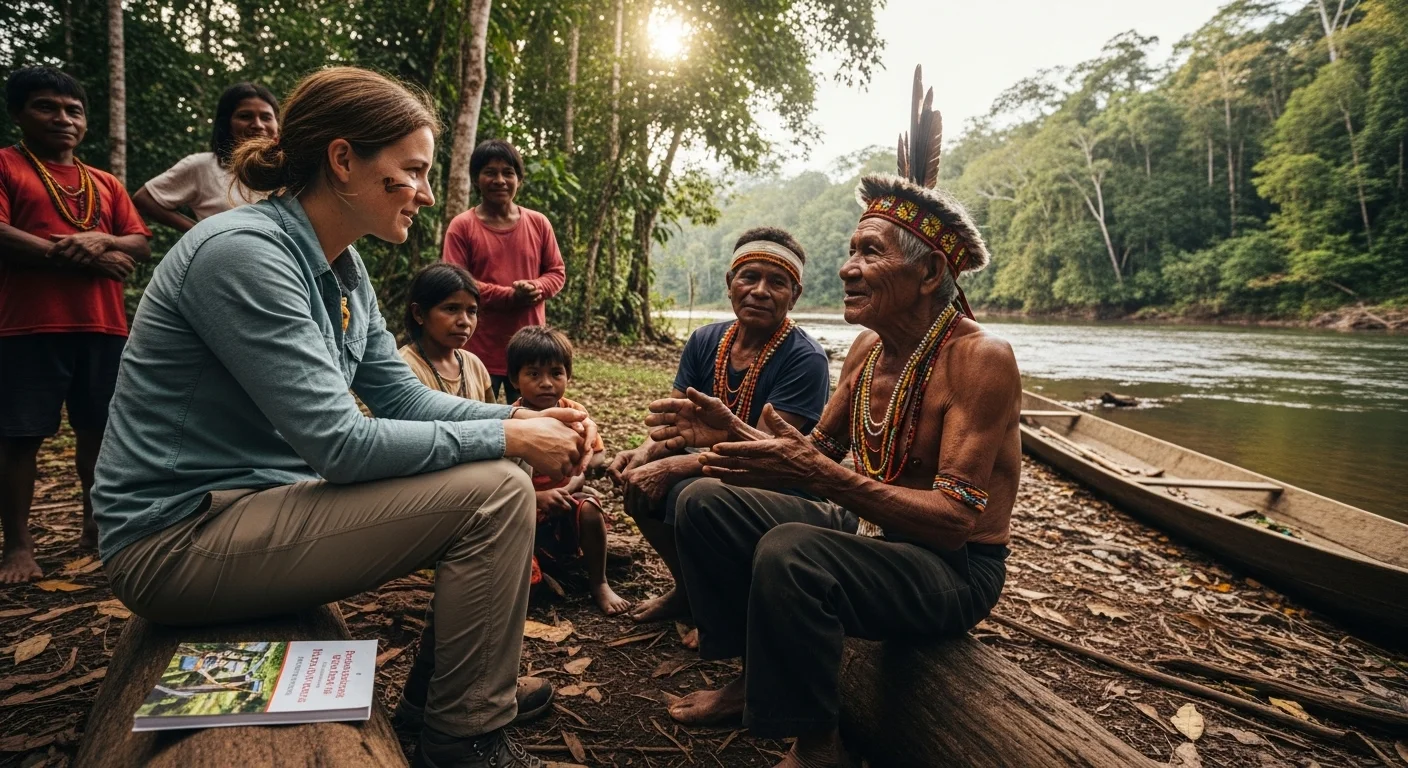
Understanding Indigenous Languages
The Importance of Language Preservation
Language is so much more than mere words; it’s a vessel of culture, history, and identity. I’ve always believed that when a language fades, a piece of its culture disappears with it. That’s why preserving Indigenous languages is crucial. Each language carries stories, traditions, and worldviews that are irreplaceable. During my travels, I learned that many Indigenous communities see their languages as keys to their cultural heritage and identity. For them, language is intertwined with their relationship to the land, their ancestors, and their community. When we support the preservation of these languages, we’re helping to uphold their traditions for future generations.
Key Indigenous Languages Around the World
There are over 7,000 languages spoken globally, but many are facing critical endangerment. In my journey to learn about Indigenous languages, I discovered a few that stood out due to their unique characteristics and cultural significance. For instance, the Navajo language, spoken in the United States, is known for its complex verb structure and was famously used as a code by U.S. forces during World War II. Another example is the Maori language in New Zealand, which has been revitalized in recent years and is now taught in schools, helping a new generation connect with their roots.
In Australia, languages like Yolŋu Matha are crucial for understanding the diverse cultures of the Indigenous peoples there. I remember a local elder explaining to me how each word in their language could carry multiple meanings depending on context, reflecting the deep connection between language and their worldview. Similarly, languages like Quechua in the Andes and the various Indigenous languages of Canada illustrate the diversity of thought and culture encapsulated within them. These languages are not just means of communication; they embody a wealth of knowledge about the environment, history, and community life.
Threats to Indigenous Languages
Despite their importance, Indigenous languages face numerous threats. I saw firsthand how globalization, urbanization, and cultural assimilation contribute to language decline. In many cases, younger generations are encouraged to adopt dominant languages like English, Spanish, or Mandarin, leading to a gradual loss of their native tongues. I met a young Indigenous woman who shared her story of growing up speaking her native language at home but felt pressure to switch to English when she started school. This experience is not unique; it reflects a global trend where languages are at risk of extinction.
Another challenge is the lack of resources for teaching and learning these languages. I’ve encountered many communities that are making incredible efforts to document their languages but face obstacles due to limited funding and support. These efforts often rely on passionate individuals who dedicate their time and energy to keeping their languages alive, but without broader support, their work can feel like an uphill battle.
Moreover, the impact of technology is a double-edged sword. While digital tools can help in language preservation, they can also lead to oversimplification or misrepresentation of complex linguistic structures. I’ve seen well-meaning apps that aim to teach Indigenous languages but miss the cultural nuances that are vital to truly understanding them. This highlights the importance of approaching language preservation with respect and contextual knowledge.
Understanding these threats has shaped my perspective as a traveler. I recognize the responsibility we carry when visiting Indigenous lands and the opportunities we have to support language preservation efforts. By being mindful of these challenges, we can approach our travels with the intention of making a positive impact.
Traveling to Indigenous Regions
Choosing Destinations with Rich Linguistic Heritage
When I plan my travels, one of my favorite aspects is choosing destinations that have a rich linguistic heritage. I’ve found that these places often carry a deeper connection to their history and culture, making the experience all the more fulfilling. For instance, visiting the Andes region in Peru allowed me to immerse myself in the Quechua language and its vibrant culture. I remember hiking the Inca Trail and having conversations with local guides, who proudly spoke about their heritage and traditions. Choosing such destinations not only enriches my travels but also supports the communities that strive to keep their languages alive.
Another remarkable place I explored was the Australian Outback. Here, I discovered the Yolŋu people and their languages, which are deeply connected to the land and their way of life. The diversity of Indigenous languages in Australia is astounding, and I learned that each language reflects unique cultural practices and beliefs. When we select destinations with a strong linguistic presence, we open ourselves to a world of stories and experiences that transcend mere sightseeing. Read Interesting article: Top 10 Indigenous Cultural Festivals You Can’t Miss
Respectful Travel Practices
As travelers, it’s essential to adopt respectful practices when visiting Indigenous regions. I’ve learned that my presence in these communities should be approached with humility and openness. One of the most impactful decisions I made during my travels was to learn a few basic phrases in the local language. Even simple greetings or expressions of gratitude can bridge the gap between cultures and show respect for their heritage. I vividly recall the smile on a local elder’s face when I greeted him in his language; it felt like an instant connection.
Moreover, I’ve found that taking the time to understand the customs and protocols of Indigenous communities can significantly enhance the travel experience. For example, during my visit to a Maori cultural site in New Zealand, I learned about the importance of the manaakitanga, or hospitality, which emphasizes respect and care for others. By participating in the local customs, whether it be through sharing meals or engaging in ceremonies, I felt a genuine sense of belonging and mutual respect.
Engaging with Indigenous Communities
One of the most rewarding aspects of my travels has been actively engaging with Indigenous communities. I remember a trip to a remote village in Canada, where I had the opportunity to participate in a language revitalization program. The community members were passionate about teaching their language to younger generations, and I felt honored to be a part of that effort. I learned not only the language but also the stories and traditions behind it. This experience opened my eyes to the importance of community involvement in language preservation.
Additionally, I have discovered that participating in community-led initiatives, such as workshops or cultural exchange programs, can lead to meaningful relationships and insights. I once took part in a weaving workshop with a group of Indigenous women in Bolivia, where we learned about the symbolism of different patterns in their textiles. This not only deepened my appreciation for their artistry but also highlighted the importance of passing down skills and knowledge through generations.
Language Learning Resources
Apps and Online Courses for Indigenous Languages
In my quest to learn more about Indigenous languages, I’ve come across several amazing resources that make language learning accessible and engaging. There are a variety of apps available that focus on Indigenous languages, such as Duolingo and Memrise, which offer courses in languages like Navajo and Maori. I often use these apps when I have a few spare minutes or while waiting in line. They make it easy to practice vocabulary and pronunciation in a fun way.
Online courses are another fantastic resource. Websites like the First Peoples’ Cultural Council offer structured learning for several Indigenous languages. I remember taking a beginner course in the Salish language and was amazed at how much I learned in just a few weeks. The interactive nature of these courses helped me practice speaking and listening skills, giving me a better grasp of the language’s nuances. Read Interesting article: Experience Authenticity: Indigenous Cultures and Their Practices
Books and Audio Resources
Books and audio resources have also played a significant role in my language learning journey. I’ve found that bilingual books help me understand not only the language but also the cultural context. For example, I picked up a beautiful book of traditional stories in the Cree language, which had English translations alongside. This format allowed me to immerse myself in the language while appreciating the storytelling tradition.
Podcasts and audio recordings are invaluable for honing listening skills. I often listen to language learning podcasts that feature Indigenous speakers, which helps me get accustomed to different accents and dialects. It’s a more dynamic way to learn, and I find myself picking up phrases and pronunciations more effectively than just reading alone.
Local Language Classes and Workshops
Whenever I travel, I seek out local language classes or workshops to enhance my learning experience. I discovered a remarkable workshop in Hawaii that focused on the Hawaiian language, where I had the chance to learn from fluent speakers. The hands-on experience was incredibly rewarding, and I loved being in a setting where everyone was eager to learn and share their knowledge. These classes often provide insights into cultural practices and histories that you wouldn’t get from textbooks alone.
Participating in local events, such as language festivals or community gatherings, allows me to practice my skills in a supportive environment. I remember attending a language immersion weekend in a small community, where we communicated solely in the Indigenous language. It was challenging but exhilarating, and it reinforced my understanding of the language’s beauty and complexity.
Connecting with Indigenous Cultures
Participating in Cultural Events and Festivals
One of the most enriching experiences I’ve had while traveling was attending cultural events and festivals in Indigenous communities. These events are not just celebrations; they are vibrant expressions of identity and heritage. I remember visiting a powwow in the United States, where dancers adorned in colorful regalia shared stories through their movements. The energy was infectious, and I felt honored to witness such a profound connection to their traditions. It’s during these moments that I truly grasped the significance of community and the role it plays in keeping languages and cultures alive.
Festivals often provide opportunities to learn about traditional practices, including music, dance, and food. I once joined a celebration in New Zealand that highlighted Maori culture, complete with traditional songs and a hangi feast. Participating in these events allowed me to connect with local people and gain insight into their worldviews. I believe that engaging with the community during these cultural gatherings fosters mutual respect and understanding, bridging the gap between travelers and Indigenous cultures.
Traditional Storytelling and Oral Histories
Storytelling is a powerful tool in Indigenous cultures, serving as a means of passing down knowledge, values, and history. I vividly remember sitting around a fire in a remote Australian community, captivated by an elder sharing Dreamtime stories in the Yolŋu language. The way he wove narratives about creation and the land was so mesmerizing that I felt transported into another world. I realized that these stories were not just entertainment; they encapsulated the essence of their culture and language.
Through storytelling, I learned about the significance of dreams, nature, and the relationship between people and the environment. It made me appreciate the role of oral histories in preserving languages and cultures that might not have written records. I’ve found that engaging with Indigenous storytelling not only enhances my understanding of their languages but also allows me to connect on a deeper, more emotional level. Listening to these stories reminds us of the shared human experience, bridging gaps across time and culture.
Indigenous Arts and Crafts
When I think about connecting with Indigenous cultures, arts and crafts immediately come to mind. Each piece of art tells a story and often reflects the language and culture of the people who created it. During my travels, I explored various art forms, from intricate beadwork to traditional weaving, and I was always amazed by the skill and thoughtfulness that went into each creation. In a small community in Peru, I had the chance to learn about textile weaving from local artisans who spoke about the meanings behind different patterns and colors. It was fascinating to see how their craft was intertwined with their language, as many terms were specific to their cultural practices.
I also visited galleries showcasing Indigenous art, where I discovered that many artists incorporate their native languages into their work. This bridge between language and art deepens my appreciation for both mediums. I believe that by supporting Indigenous artists, we contribute to the preservation of their language and culture. Purchasing handmade crafts or artworks serves as a tangible reminder of their heritage and helps sustain the livelihoods of these talented individuals.
By engaging with Indigenous arts and crafts, I found a new appreciation for the stories they tell and the voices they carry. It’s a beautiful reminder of the rich tapestry of cultures that exist around the world and how language plays a crucial role in keeping those narratives alive.
Practical Tips for Language Preservation While Traveling
Documenting Languages and Dialects
One of the most impactful ways to contribute to language preservation during travel is by documenting the languages and dialects I encounter. I remember visiting a small Indigenous community in Canada where I was encouraged to take notes of the words I learned. The elders shared stories about their language’s history and how it has evolved over time. I began to realize that documenting these languages isn’t just about writing down vocabulary; it’s about capturing the essence of their cultural significance. I found joy in creating a small personal dictionary, which became a cherished keepsake that I still refer to today.
Bringing along a voice recorder or a smartphone can also be incredibly useful. I recorded conversations with speakers, which helped me remember pronunciation and context. These recordings serve as a valuable resource for language learning and preservation, allowing me to revisit those moments and share them with others who are interested in the language.
Using Language in Daily Interactions
Integrating the local language into everyday interactions can be a powerful way to show respect and contribute to language preservation. I’ve made it a habit to greet people in their language, ask for directions, or even order food in local dialects during my travels. I recall a delightful moment in a small market in New Zealand when I ordered lunch in Maori, and the vendor broke into a smile, thrilled that I made the effort. It felt like a bridge was built between us, and I realized how much a simple phrase could mean in fostering connection.
Moreover, using the language in various settings not only helps me learn but also encourages others to engage in conversations. When people see that I’m making an effort to speak their language, they often respond positively, making it a more enriching experience for both of us. This practice helps keep the language alive, as it shows that there are people outside the community who care about its preservation.
Supporting Local Language Initiatives
Another way to contribute meaningfully is by supporting local language initiatives. During my travels, I discovered various programs focused on revitalizing Indigenous languages. I made it a point to attend community events, fundraisers, or workshops geared towards language education. I remember one particular fundraising event in a coastal village where all proceeds went towards creating a language app for the youth. By participating and contributing, I felt like I was playing a small part in a larger movement to preserve their linguistic heritage.
Additionally, I recommend seeking out local artisans and authors who are passionate about promoting their language through art and literature. Purchasing their works not only supports their initiatives but also helps circulate their language in broader contexts. Each purchase felt like a way to keep their stories alive and connect their language with my own experiences.
Responsible Tourism and Ethical Considerations
Understanding Cultural Sensitivity
As travelers, it’s vital to approach Indigenous cultures with a sense of cultural sensitivity. I’ve learned that understanding the historical context and current issues facing these communities can enhance my travel experience and ensure that I’m engaging respectfully. I remember feeling overwhelmed initially when exploring some communities, but taking the time to learn about their customs and significance helped me navigate my interactions more thoughtfully. It’s about creating a respectful dialogue, one where I listen and learn rather than impose my own views.
Whenever possible, I try to engage in conversations with community leaders or local guides who can provide insights into their culture and traditions. This practice not only deepens my understanding but also fosters relationships built on trust and respect.
Supporting Indigenous Economies
Responsible tourism also means supporting Indigenous economies. I’ve made it a priority to shop at local markets, dine in locally-owned restaurants, and choose Indigenous-led tours. By doing so, I contribute to the livelihoods of the community, ensuring that tourism benefits those who have preserved the land and culture for generations. I remember purchasing handmade crafts from artisans in Peru, knowing that my support would help sustain their families and traditions. It felt rewarding to know that my travel choices could make a positive impact.
Avoiding Exploitation of Cultural Resources
It’s essential to be vigilant about avoiding the exploitation of cultural resources. I’ve seen firsthand how tourism can sometimes commodify Indigenous cultures in ways that disregard their significance. Being mindful of how I engage with cultural practices is crucial. For example, I always ask permission before taking photos during ceremonies or performances. I’ve learned that consent and respect are key components in ensuring that cultural expressions are not misrepresented or exploited for tourism gain.
By being conscious of these factors, I believe we can foster a more respectful and enriching travel experience for ourselves and the communities we visit. This approach allows us to celebrate Indigenous cultures while contributing to their preservation and sustainability.
Resources for Further Learning
Organizations Dedicated to Language Preservation
There are numerous organizations dedicated to the preservation of Indigenous languages and cultures. I’ve discovered that many of these groups offer resources, workshops, and volunteer opportunities. Organizations like the Endangered Language Fund and the First Peoples’ Cultural Council actively work towards revitalizing languages and can provide valuable information for anyone looking to get involved.
Online Communities and Forums
Online communities and forums have also enriched my understanding of Indigenous languages and cultures. Platforms such as Reddit and Facebook host groups where language learners and cultural enthusiasts share resources, stories, and advice. I’ve found these spaces to be incredibly supportive and informative, and they often lead to new friendships and collaborations in language preservation efforts.
Recommended Readings and Documentaries
Lastly, there are many recommended readings and documentaries that delve into Indigenous languages and cultures. Books like “Braiding Sweetgrass” by Robin Wall Kimmerer and documentaries such as “In the Language of Others” offer profound insights into the connection between language and identity. These resources have not only educated me but have also inspired me to continue my journey in learning and supporting Indigenous languages.
Final Thoughts
Reflecting on my experiences with Indigenous cultures and languages, I feel a deep sense of gratitude for the lessons learned and the connections made. Each journey has reinforced my belief that as travelers, we have a unique role in supporting the preservation of these languages and cultures. By being intentional in our actions, choosing respectful practices, and engaging with communities, we can contribute to the vibrant tapestry of human experience. I encourage everyone to embrace the opportunity to learn and connect with Indigenous peoples, for their languages and cultures enrich our world in immeasurable ways. Together, we can play a part in ensuring that these languages thrive for generations to come.
Frequently Asked Questions
What is the significance of Indigenous languages?
Indigenous languages are vital as they are vessels of culture, history, and identity. When a language fades, a piece of its culture disappears, making preservation crucial for maintaining traditions for future generations.
What are some examples of key Indigenous languages?
Key Indigenous languages include Navajo in the United States, which has a complex verb structure, Maori in New Zealand, which has been revitalized and taught in schools, Yolŋu Matha in Australia, Quechua in the Andes, and various Indigenous languages in Canada.
What threats do Indigenous languages face?
Indigenous languages face threats from globalization, urbanization, cultural assimilation, lack of resources for teaching, and the potential misrepresentation or oversimplification of languages through technology.
How can travelers support language preservation?
Travelers can support language preservation by choosing destinations with rich linguistic heritage, learning basic phrases in local languages, engaging with Indigenous communities, and participating in cultural events and workshops.
What resources are available for learning Indigenous languages?
Resources for learning Indigenous languages include language learning apps like Duolingo and Memrise, online courses from organizations like the First Peoples’ Cultural Council, bilingual books, podcasts, and local language classes or workshops.
Why is cultural sensitivity important for travelers?
Cultural sensitivity is crucial for ensuring respectful engagement with Indigenous communities. Understanding historical contexts and current issues enhances the travel experience and fosters meaningful interactions.
How can travelers avoid exploiting Indigenous cultures?
Travelers can avoid exploitation by seeking permission before taking photos during cultural events, being mindful of how they engage with cultural practices, and recognizing the significance of those practices to the community.
What role do cultural events and festivals play in understanding Indigenous cultures?
Cultural events and festivals serve as vibrant expressions of identity and heritage, allowing travelers to witness traditions, learn about practices, and connect with community members on a deeper level.
What are some recommended readings for further learning about Indigenous cultures?
Recommended readings include “Braiding Sweetgrass” by Robin Wall Kimmerer, which provides insights into the connection between language and identity, as well as various documentaries that explore Indigenous languages and cultures.
How can documenting languages contribute to preservation efforts?
Documenting languages helps capture vocabulary and cultural significance, allowing travelers to create personal resources that contribute to the understanding and preservation of Indigenous languages.