
Carbon offsetting is a powerful way to combat climate change, enabling individuals, businesses, and governments to balance their carbon footprints. Let’s explore its significance and how it works.
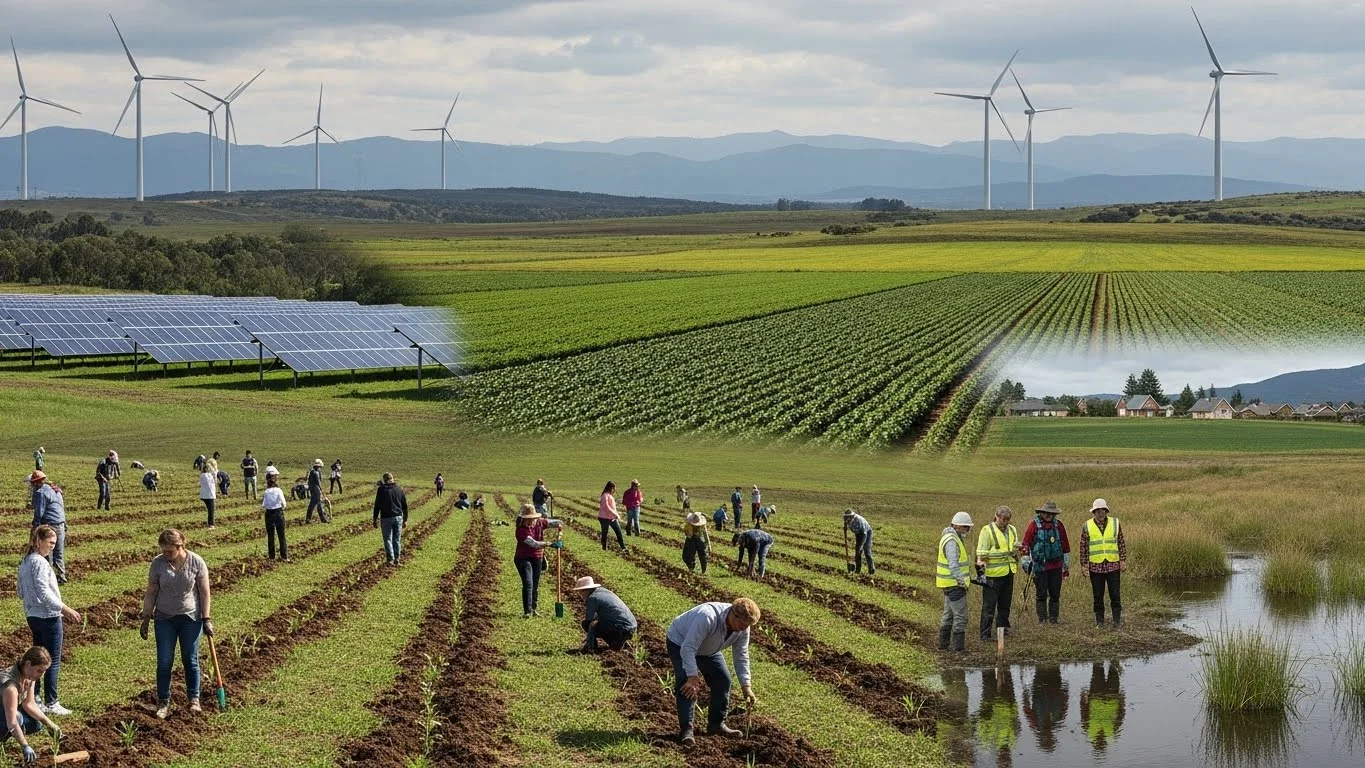
Understanding Carbon Offsetting
Definition of Carbon Offsetting
Carbon offsetting refers to the practice of compensating for greenhouse gas emissions by investing in projects that reduce or remove an equivalent amount of carbon dioxide (CO2) from the atmosphere. It allows us to counterbalance our environmental impact by supporting activities like reforestation, renewable energy, and energy efficiency. I remember the first time I learned about carbon offsetting; it struck me how something as simple as planting trees could help mitigate the effects of my own carbon emissions.
Importance of Carbon Offsetting in Climate Action
As we face the daunting realities of climate change, carbon offsetting becomes crucial. It provides a way for individuals and organizations to take responsibility for their emissions. I’ve seen how many companies, large and small, are now including carbon offsetting in their sustainability strategies. This not only helps the environment but also enhances their brand image and builds trust with consumers. It makes me hopeful to see such initiatives gaining traction, showing that collective action can lead to significant change. How Carbon Offsetting Programs Are Changing Eco-Tourism illustrates some of these impacts.
How Carbon Offsetting Works
The process of carbon offsetting typically involves calculating your carbon footprint—this includes all the CO2 emissions produced from activities like driving, flying, and using electricity. Once you understand your impact, you can purchase carbon offsets from certified projects that reduce or remove carbon from the atmosphere. For instance, I found that investing in a project that plants trees can offset my travel emissions from a recent vacation. It feels rewarding to know that I’m contributing to a better future while enjoying my life today.
Types of Carbon Offsetting Initiatives
Reforestation Projects
Reforestation is one of the most popular types of carbon offset projects. Planting trees not only absorbs CO2 but also restores ecosystems and promotes biodiversity. I recall volunteering for a reforestation project in my local community. Seeing the saplings grow into trees over the years made me realize the long-term benefits of such initiatives. It’s a tangible way to combat climate change, and I believe it’s something we can all support.
Renewable Energy Projects
Investing in renewable energy projects like wind, solar, and hydroelectric power significantly reduces reliance on fossil fuels. I often think about how my energy choices impact the environment. Supporting renewable energy projects allows me to contribute to the transition to a greener energy system. When I learned that purchasing offsets from a solar farm could help clean energy reach more homes, I felt empowered to make a difference.
Energy Efficiency Programs
Energy efficiency programs aim to reduce energy consumption and waste. These initiatives can range from upgrading appliances to improving building insulation. I remember when I decided to replace old light bulbs with energy-efficient ones in my home. It was a small change, but I noticed a difference in my energy bill and felt good about reducing my carbon footprint. Programs that promote such changes can be incredibly effective in offsetting emissions.
Sustainable Agriculture Initiatives
Sustainable agriculture focuses on practices that reduce emissions while promoting biodiversity and soil health. I’ve always been passionate about food and how it connects to our environment. Supporting farmers who implement sustainable practices, like crop rotation and organic farming, can lead to significant carbon savings. It’s amazing to think that by simply choosing where and how we buy our food, we can support these initiatives.
Waste Management and Reduction Strategies
Waste management initiatives, including recycling and composting programs, play a crucial role in carbon offsetting. I’ve noticed that being more mindful of my waste—like composting food scraps—has not only reduced my carbon footprint but also helped me feel more connected to my community. Organizations that focus on waste reduction strategies can help divert waste from landfills, ultimately leading to lower greenhouse gas emissions.
Real-World Examples of Effective Carbon Offsetting Initiatives
Corporate Initiatives
Microsoft’s Carbon Negative Commitment
Microsoft has made headlines with its commitment to becoming carbon negative by 2030. This means they plan to remove more carbon from the atmosphere than they emit. I find it inspiring to see a tech giant taking such bold steps. They are investing in renewable energy, carbon capture technology, and reforestation projects, making a significant impact on climate change.
Google’s Carbon-Free Energy Goals
Google aims to run its data centers and campuses on 24/7 carbon-free energy by 2030. I admire how they are pushing the boundaries of what’s possible in the tech industry. By investing in wind and solar farms, they are not only working towards offsetting their emissions but also leading the way for other companies to follow suit.
Nonprofit Organizations
Gold Standard’s Certification for Carbon Projects
The Gold Standard certifies carbon offset projects that meet rigorous sustainability criteria. I appreciate how this organization ensures that projects create real environmental and social benefits. Knowing that my contributions go toward initiatives that genuinely make a difference gives me peace of mind.
Planting Trees with One Tree Planted
One Tree Planted is a nonprofit organization that focuses on global reforestation. For every dollar donated, they plant a tree, which is an initiative I love supporting. It’s a simple yet effective way to contribute to carbon offsetting and restore natural habitats.
Government Programs
California’s Cap-and-Trade Program
California has implemented a cap-and-trade program that limits greenhouse gas emissions from various sectors. I admire how this program encourages businesses to innovate and reduce emissions while allowing them to trade emissions permits. It’s an intriguing approach to carbon offsetting that has shown promise in driving substantial reductions.
UK’s Carbon Trust Initiatives
The UK’s Carbon Trust works with organizations to help them reduce their carbon footprint and transition to low-carbon technologies. I’ve seen how governments can play a pivotal role in encouraging sustainable practices through support and resources. Their initiatives inspire businesses to take action and be part of the solution.
Community-Led Efforts
Local Carbon Offset Programs in Urban Areas
Many cities have begun implementing their own carbon offset programs, often involving tree planting, energy efficiency, and sustainable transportation initiatives. I love seeing communities come together to tackle climate change on a local level. It creates a sense of belonging and collective responsibility that is so vital.
Indigenous-Led Conservation Projects
Indigenous communities worldwide have been managing land sustainably for generations. Supporting their conservation projects not only helps offset carbon but also honors their traditional knowledge. I believe that involving indigenous perspectives in carbon offsetting is crucial for achieving meaningful and lasting change.
Measuring the Impact of Carbon Offsetting
Carbon Footprint Calculators
One of the first steps in understanding how effective carbon offsetting can be is measuring our own carbon footprint. I remember when I first used a carbon footprint calculator; it opened my eyes to just how much my daily activities contribute to greenhouse gas emissions. These calculators typically ask about various aspects of our lives—like how much we drive, the energy we use, and even our diet. After inputting my information, I was shocked to see the number of tons of CO2 I was responsible for each year. It made me realize that offsetting isn’t just a nice-to-have; it’s a necessity if I want to make a tangible impact. I recommend taking advantage of these tools, as they can guide us in making informed decisions about how to offset effectively.
Metrics for Measuring Effectiveness
Once we start offsetting our carbon emissions, it’s essential to track the effectiveness of our efforts. I’ve learned that metrics such as CO2 reduction, biodiversity improvement, and community benefits are crucial for understanding the real impact of offset projects. For instance, when I invested in a reforestation project, I kept an eye on the number of trees planted and the area of land restored. Knowing that my contributions were actively helping the environment brought me immense satisfaction. Additionally, some projects provide regular updates and reports on their progress, which can be incredibly motivating. I believe that transparency in metrics not only builds trust but also encourages more people to get involved.
Case Studies of Successful Offsetting Programs
Exploring successful case studies can inspire us and illustrate the real-world impact of carbon offsetting. I came across a fascinating example involving the reforestation project in Madagascar, which aimed to combat deforestation while supporting local communities. This program not only restored thousands of acres of forest but also provided jobs and education for residents. Hearing stories like this makes me feel connected to a bigger movement, showing that my small actions can be part of something much larger. Additionally, I learned about a solar energy initiative in India that provided clean energy access to rural communities. The success of these programs reminds me that effective carbon offsetting can lead to sustainable development and improved quality of life for many. For more inspiring stories, check out Top 5 Inspiring Case Studies of Carbon Offsetting Success.
Challenges and Criticisms of Carbon Offsetting
Common Misconceptions
Despite the growing popularity of carbon offsetting, there are still misconceptions that can deter people from participating. One common myth is that buying offsets allows individuals or companies to continue polluting without consequence. I used to think this way too, but I learned that offsets should complement, not replace, efforts to reduce emissions at the source. For me, understanding this distinction was key in reshaping how I approach my own carbon footprint. It’s essential to recognize that while offsets play a significant role, they should encourage us to adopt more sustainable habits in our daily lives.
Accountability and Transparency Issues
Another challenge is accountability in the carbon offset market. I’ve noticed that not every project delivers on its promises. It’s crucial to choose certified programs that adhere to strict standards. When I first started offsetting my emissions, I spent time researching different organizations to ensure my contributions were making a genuine impact. Organizations like the Verified Carbon Standard (VCS) and the Gold Standard provide certification, helping to ensure that projects are effective and transparent. This diligence gives me peace of mind knowing that I’m supporting initiatives that truly contribute to climate solutions.
Balancing Offsetting with Direct Emission Reductions
I’ve come to realize that while carbon offsetting is valuable, it shouldn’t be the only strategy we rely on. It’s about finding a balance between offsetting and reducing direct emissions. For instance, I’ve made changes in my lifestyle, such as using public transportation and reducing energy consumption at home. These actions, combined with offsetting, create a more holistic approach to combating climate change. I encourage everyone to assess their own habits and strive for both reduction and offsetting. Together, they can create a powerful dynamic in the fight against climate change.
How to Get Involved in Carbon Offsetting
Choosing a Carbon Offset Program
Finding the right carbon offset program can feel overwhelming, but it doesn’t have to be. I started by identifying what matters most to me—whether it’s reforestation, renewable energy, or supporting local initiatives. From there, I researched different organizations and their projects. I recommend looking for programs that are transparent about their processes and outcomes. Reading reviews and testimonials can also provide insight into the effectiveness of a program. Ultimately, choosing a program that resonates with you can make your offsetting journey more personal and impactful.
Personal Carbon Offset Strategies
Incorporating carbon offsetting into our lives doesn’t have to be a huge commitment. I’ve found that even small changes can make a difference. For example, I decided to offset my travel emissions by contributing to a local tree-planting initiative every time I fly. It has become a part of my routine, and I’ve even involved my friends and family in the process. Encouraging others to think about their carbon footprints can foster a sense of community and shared responsibility. I believe that every effort counts, and together, we can contribute to a healthier planet.
Corporate Responsibility and Offsetting
For businesses, engaging in carbon offsetting can enhance their corporate social responsibility initiatives. I’ve seen many companies implement strategies that not only reduce emissions but also support community development. As a consumer, I appreciate companies that take this commitment seriously. It shows that they care about their impact on the world. If you’re part of a business, consider how carbon offsetting can align with your values and mission. Investing in sustainable practices can not only attract customers but also foster a positive work environment.
The Future of Carbon Offsetting Initiatives
Innovative Technologies in Carbon Offsetting
As I look to the future, I’m excited about the innovative technologies that are emerging in the carbon offsetting space. From advancements in carbon capture and storage to new methodologies in measuring carbon impacts, the possibilities seem endless. I recently read about startups developing software to enhance tracking and verification of carbon offset projects, making it more accessible for individuals and organizations alike. It’s inspiring to witness how technology can play a pivotal role in our fight against climate change.
Global Trends and Policies Impacting Offsetting
Global trends and policies will undoubtedly shape the future of carbon offsetting. I’ve noticed a growing emphasis on carbon neutrality commitments among countries and corporations. This shift creates an environment where carbon offsets will become even more essential. Policies that support sustainable practices can encourage more projects, allowing for a broader range of options for those looking to offset their emissions. I believe that as awareness grows, so will our collective action, leading to positive change for the planet.
Frequently Asked Questions
What is carbon offsetting?
Carbon offsetting refers to the practice of compensating for greenhouse gas emissions by investing in projects that reduce or remove an equivalent amount of carbon dioxide (CO2) from the atmosphere. It helps counterbalance environmental impact through activities like reforestation, renewable energy, and energy efficiency.
Why is carbon offsetting important in climate action?
Carbon offsetting is crucial as it provides a way for individuals and organizations to take responsibility for their emissions. It helps the environment, enhances brand image, and builds trust with consumers, demonstrating that collective action can lead to significant change.
How does carbon offsetting work?
The process typically involves calculating your carbon footprint from activities like driving and using electricity. Once you understand your impact, you can purchase carbon offsets from certified projects that reduce or remove carbon from the atmosphere.
What are some types of carbon offsetting initiatives?
Types of carbon offsetting initiatives include reforestation projects, renewable energy projects, energy efficiency programs, sustainable agriculture initiatives, and waste management strategies.
Can you provide examples of effective carbon offsetting initiatives?
Examples include Microsoft’s commitment to becoming carbon negative by 2030, Google’s goal of using carbon-free energy, the Gold Standard’s certification for carbon projects, One Tree Planted’s reforestation efforts, California’s cap-and-trade program, and the UK’s Carbon Trust initiatives.
How can individuals measure their carbon footprint?
Individuals can measure their carbon footprint using carbon footprint calculators, which typically ask about various aspects of daily life, such as driving, energy use, and diet, to estimate their CO2 emissions.
What challenges does carbon offsetting face?
Challenges include common misconceptions that offsets allow continued pollution without consequence, accountability and transparency issues regarding project effectiveness, and the need to balance offsetting with direct emission reductions.
How can someone get involved in carbon offsetting?
To get involved, individuals can choose a carbon offset program that aligns with their values, incorporate personal carbon offset strategies into their lives, and engage in corporate responsibility initiatives if part of a business.
What role does technology play in carbon offsetting?
Technology plays a significant role in enhancing carbon offsetting efforts through advancements like carbon capture and storage, blockchain for transparency, and mobile applications for tracking carbon footprints and offsetting actions.
What are the future trends in carbon offsetting?
Future trends include a growing emphasis on carbon neutrality commitments, supportive global policies for sustainability, and an increasing focus on corporate social responsibility, all of which are likely to drive innovation and investment in carbon offsetting projects.