
Mountain climbing is an exhilarating adventure, but it comes with responsibilities. By adopting sustainable practices, we can enjoy the beauty of nature while preserving it for future generations. For those on a budget, exploring Eco-Friendly Mountain Climbing: A Guide for Budget Backpackers can provide valuable insights.
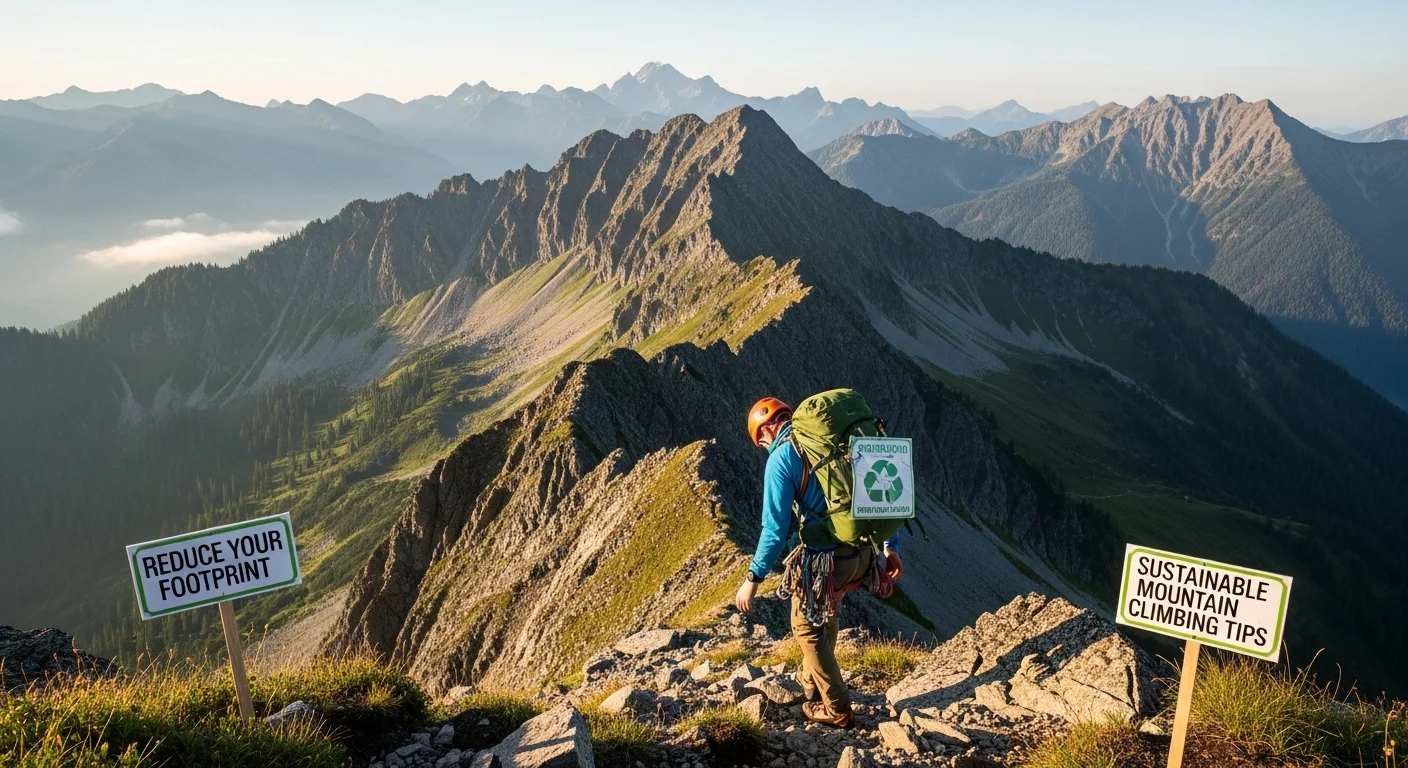
Understanding Sustainable Mountain Climbing
What is Sustainable Mountain Climbing?
When I first started climbing, I was captivated by the breathtaking views and the thrill of conquering peaks. However, as I delved deeper into the climbing community, I realized that sustainable mountain climbing is not just about reaching the summit; it’s about how we get there. Sustainable mountain climbing focuses on minimizing our ecological impact while enjoying and exploring the outdoors. This means making conscious choices that protect the environment and support local ecosystems.
For me, sustainability in climbing means being aware of the resources we use, the trails we take, and the waste we generate. It’s about choosing to align our passion for climbing with a commitment to preserving the natural beauty we love. Each choice we make, from the gear we choose to how we interact with the environment, can contribute to a more sustainable climbing experience. When selecting gear, I often refer to Best Budget Mountain Climbing Gear: Climb Smart & Save Big for options that are both eco-friendly and cost-effective.
The Importance of Reducing Your Footprint
As I grew more aware of environmental issues, I began to understand the profound impact that outdoor activities can have on nature. Mountains, forests, and trails are not just playgrounds; they are ecosystems that require protection. I often think about the footprints we leave behind—literally and metaphorically. Every step we take can either harm or help the environment.
Reducing our footprint is essential because it ensures that these natural wonders remain intact for future generations. Climbing sustainably means being mindful of our actions and recognizing their effects on the environment. I’ve found that when we prioritize sustainability, we not only enhance our climbing experiences but also contribute positively to the places we love. It’s a win-win situation, allowing us to enjoy our adventures while being responsible stewards of the earth.
Environmental Impact of Mountain Climbing
While mountain climbing can be a thrilling experience, it’s important to acknowledge the environmental impact associated with it. From the wear and tear on trails to littering, climbing can lead to erosion, habitat destruction, and pollution. I remember my first climb where I was shocked to see trash left behind by climbers who had come before me. It made me realize how vital it is to be proactive in minimizing this impact.
Trail erosion is a significant concern. As we hike and climb, our footsteps can wear away soil and vegetation, risking the integrity of trails. Wildlife can also be affected; disturbances from climbers can disrupt their habitats and breeding grounds. I’ve seen firsthand how noise and human presence can drive animals away from their natural habitats, affecting the delicate balance of the ecosystem.
Furthermore, the waste we produce, whether it’s food wrappers or human waste, can lead to pollution and health hazards for both the environment and other climbers. I learned that it’s not enough to simply enjoy the mountains; we must also protect them actively. By understanding the environmental impacts of our activities, we can make informed choices that benefit both us and the natural world.
Preparation for a Sustainable Climb
Choosing Eco-Friendly Gear
One of the first steps I take when planning a climb is to ensure I’m using eco-friendly gear. This can mean selecting equipment made from sustainable materials or brands that prioritize ethical production practices. I remember the first time I invested in a pair of climbing shoes from a company known for its sustainability efforts; not only did I feel good about my purchase, but I also noticed the quality was outstanding. It’s a reminder that I can support the environment while still enjoying high-performance gear.
When selecting gear, I also consider its longevity. I’ve learned that choosing durable products reduces waste in the long run. If we buy high-quality items that last longer, we won’t need to replace them as often. I also try to bring less gear when possible; I’ve found that minimizing what I carry can significantly reduce my impact on the environment. For those looking for affordable options, Essential Gear for Budget-Friendly Winter Hiking Trips provides a great resource.
Planning Your Route Responsibly
Another crucial aspect of sustainable climbing is carefully planning your route. I often spend time researching trails before heading out. This not only enhances my climbing experience but also helps protect sensitive areas. Some trails are more prone to erosion or are home to endangered species. By choosing established routes, I can avoid damaging pristine areas. It’s an important lesson I’ve learned: sometimes, the road less traveled isn’t the best choice for the environment.
Additionally, I make it a point to check seasonal closures and local advisories. There’s often a reason for these restrictions, whether it’s to protect wildlife or allow the land to recover. I’ve found that respecting these guidelines not only helps the environment but can also lead to a more enjoyable and safer climbing experience.
Researching Local Ecosystems
Before I embark on any climbing adventure, I take time to research the local ecosystem. Understanding the flora and fauna of the area can deepen my appreciation for the environment and inform my climbing practices. I’ve learned to recognize the importance of not disturbing wildlife, especially during breeding seasons. It’s fascinating to discover how interconnected everything is in nature and how our actions can have far-reaching effects.
For instance, when I climbed in a region known for its unique wildflowers, I made sure to stay on the designated trails to avoid trampling them. This not only preserved the beauty of the area but also allowed me to share my experience with fellow climbers, encouraging them to do the same. The more we know about the ecosystems we encounter, the better equipped we are to protect them during our adventures.
Leave No Trace Principles
Understanding Leave No Trace
As a climber, I’ve come to learn about the Leave No Trace principles, which are essential guidelines for anyone who enjoys the outdoors. These principles resonate with me because they align perfectly with my desire to protect the places I love. The idea is simple: we should leave natural areas as we found them. It sounds straightforward, but it requires awareness and commitment during every step of our adventures.
Learning about Leave No Trace opened my eyes to the simple ways I could make a difference. Each principle serves as a reminder of our responsibility towards nature, from planning ahead to minimizing our impact. I remember the first time I consciously practiced these principles on a climbing trip; it felt empowering to know I was doing my part to preserve the environment for others to enjoy.
Practicing Waste Management
One of the most impactful aspects of Leave No Trace is waste management. It’s easy to overlook, but even small actions can lead to significant consequences. For instance, I always carry a trash bag to pack out any litter I might come across, not just my own. I recall a trip where I picked up wrappers and other debris left behind by previous climbers; it felt rewarding to leave the area cleaner than I found it.
When it comes to human waste, things can get a bit trickier. I learned the importance of using proper disposal methods, especially in remote areas. Carrying a waste bag has become a standard part of my climbing gear. It might seem inconvenient, but I believe it’s a small price to pay for the health of the environment. It’s a practice that has made me more aware of the impact of our actions and has fostered a greater respect for the natural world.
Respecting Wildlife and Habitats
Respecting wildlife is another crucial principle I hold dear. I’ve always been fascinated by the animals I encounter on my climbs, but I’ve learned to appreciate them from a distance. Observing animals in their natural habitats is thrilling, but it’s essential to avoid disturbing them. I often remind myself and fellow climbers to keep noise levels down and stay on designated paths to minimize our impact on their habitats.
During one memorable climb, I spotted a nesting bird on a ledge. I was tempted to take a closer look, but then I recalled the importance of preserving their space. Instead, I quietly watched from afar, appreciating the beauty of nature without intruding. This experience taught me that respecting wildlife is not just about avoiding harm; it’s about understanding our place within these ecosystems and allowing them to thrive.
Eco-Conscious Climbing Techniques
Minimizing Trail Erosion
Trail erosion is an issue that has always concerned me. I’ve seen the damage that can occur when climbers stray off established paths. To minimize trail erosion, I make it a point to stick to the trails, even when they become challenging to navigate. I’ve learned that this practice not only protects the landscape but also enhances my climbing experience. Staying on marked trails allows me to appreciate the natural beauty without contributing to its degradation.
Additionally, I try to be mindful of my foot placement. I remember a climb where I consciously placed my feet on rocks rather than vegetation, which helped preserve the fragile plant life. It’s a small adjustment but one that can have a lasting impact. I find that being aware of my actions enhances my connection to the environment, making each climb feel more meaningful.
Choosing the Right Climbing Paths
Choosing the right climbing paths is another important aspect of sustainable climbing. I often research which routes are less prone to erosion or human impact. One of my favorite climbing spots is well-known for its stunning views, but it also has a reputation for trail wear. I’ve opted for less popular routes that still offer incredible experiences while reducing the pressure on more trafficked areas. This not only protects the environment but also allows me to enjoy a more solitary experience, which I cherish.
I also consider the time of year when planning my climbs. Some trails are more vulnerable during certain seasons, and I’ve learned to respect these natural cycles. Climbing during off-peak times can help reduce my impact, and I’ve found that these quieter moments can lead to some of my best adventures.
Using Natural Resources Wisely
Using natural resources wisely has become a guiding principle for my climbing trips. I’ve learned to appreciate the water sources I come across and always filter or purify water rather than polluting streams. Each time I refill my water bottle from a natural source, I take a moment to reflect on the importance of preserving these resources. I aim to leave them cleaner than I found them, which has become a part of my climbing ethos.
Moreover, I pay attention to my energy consumption during climbs. I bring lightweight, high-energy foods that keep me fueled without generating excessive waste. This not only lightens my pack but also minimizes the amount of trash I carry out. It’s been an enlightening experience, realizing that every small choice adds up to a more sustainable way to enjoy the mountains.
Community and Local Involvement
Supporting Local Conservation Efforts
Being part of the climbing community has shown me the importance of supporting local conservation efforts. I often participate in local initiatives, whether it’s donating to organizations focused on preserving climbing areas or volunteering for trail maintenance days. I’ve met incredible people through these efforts, all sharing a common goal: to protect the landscapes we love.
One of my most rewarding experiences was joining a clean-up event at a nearby climbing destination. Not only did we collect trash, but we also had the chance to educate others about sustainable practices. It felt great to be part of a community that values the environment and to share ideas on how we can all do better.
Engaging with Local Guides
Engaging with local guides is another way I’ve learned to appreciate the natural world. They possess invaluable knowledge about the ecosystems and climbing routes in the area. I’ve found that their insights not only enhance my climbing experience but also encourage me to adopt more sustainable practices. Local guides often have tips on how to minimize impact and respect the land, which I’ve come to rely on during my trips.
On one occasion, a guide shared stories about the wildlife and plant life in the region, emphasizing the importance of conservation. This experience deepened my understanding of the interconnectedness of life on the mountain and inspired me to be more conscientious in my climbing habits.
Participating in Clean-Up Initiatives
Clean-up initiatives are a fantastic way to give back to the climbing community and the environment. I’ve participated in several organized clean-ups, and each time, I’m reminded of how much we can accomplish together. It’s incredible to see the immediate impact of our efforts, transforming littered areas into beautiful, pristine landscapes.
These initiatives also foster a sense of camaraderie among climbers. I’ve met fellow enthusiasts who share my passion for sustainability, and together we brainstorm ways to make our climbing practices more eco-friendly. It’s a great reminder that we’re all in this together, and our collective actions can lead to lasting change in how we approach mountain climbing.
Post-Climb Practices
Sharing Your Experience Responsibly
After a climb, I often find myself reflecting on the journey, both the physical challenges and the environmental lessons learned. I’ve realized that sharing these experiences is an essential part of promoting sustainable practices. When I talk about my climbs with friends or on social media, I try to emphasize the importance of responsible climbing. I believe that by sharing my stories, I can inspire others to think about their impact on nature.
When I post about my climbing adventures, I include tips on how to minimize our footprint or highlight the beauty of untouched landscapes. I remember sharing a photo from a stunning summit, but I also accompanied it with a caption about the importance of sticking to trails and respecting wildlife. It’s gratifying to see friends engage with these posts, asking questions or even sharing their own sustainable practices. This kind of dialogue is crucial; it fosters a community that values conservation and encourages responsible exploration.
Educating Others on Sustainable Practices
Education plays a pivotal role in cultivating a sustainable climbing culture. I often take the time to educate others about the Leave No Trace principles and eco-friendly practices during group climbs. On one memorable outing, I noticed a fellow climber tossing a wrapper aside without thinking. I gently suggested they pack it out instead, explaining how litter can harm the environment. It wasn’t confrontational; instead, it sparked a conversation about our shared responsibility as climbers.
I’ve found that engaging in conversations about sustainability can be enlightening for everyone involved. I often carry pamphlets or links to resources about sustainable climbing practices to share with my climbing buddies. Whether it’s recommending documentaries or articles, I’ve learned that the more we talk about these issues, the more likely we are to create a positive impact. It feels rewarding to know that I’m not just preserving my climbing experiences for myself, but also helping others understand their role in protecting the environment.
Contributing to Local Conservation Funds
As I grew more passionate about sustainable climbing, I came to realize the importance of supporting local conservation funds. Climbing areas often rely on donations and volunteer work to maintain trails, protect habitats, and promote sustainable practices. I started setting aside a portion of my climbing budget to contribute to local organizations focused on conservation efforts. I feel good knowing that my support helps protect the beautiful places I love to explore.
During one of my recent climbs, I attended a fundraiser for a local conservation group. It was inspiring to see so many climbers coming together not just for the love of climbing, but for the greater good of preserving our natural spaces. I learned about ongoing projects to restore trails and protect endangered species, and I walked away feeling more connected to the climbing community. It reinforced my belief that every contribution counts, no matter how small.
Additionally, I often encourage fellow climbers to consider making similar contributions. Whether it’s through direct donations, participating in a fundraising event, or even volunteering for trail maintenance, every little bit helps. I’ve seen firsthand how collective efforts can lead to significant improvements in our climbing areas. It’s a reminder that we have the power to make a lasting difference, and it’s incredibly fulfilling to be part of a community that prioritizes the health of our planet.
Resources for Sustainable Mountain Climbing
Recommended Books and Guides
As I immersed myself in the world of sustainable climbing, I discovered a wealth of resources that provide valuable insights and tips. A few books have particularly resonated with me, including “The Green Climber’s Manifesto” by Thomas Hoch and “The Outdoor Survival Handbook” by Ray Mears. These books not only cover climbing techniques but also delve into the environmental responsibilities we hold as outdoor enthusiasts. They’ve helped me expand my knowledge and reinforce my commitment to sustainability.
Another guide I found helpful is the “Leave No Trace: The Seven Principles” guide. It’s an easy read, packed with practical advice that can be applied to any outdoor activity. I often keep a copy in my climbing pack, referring to it as a reminder of the principles I strive to uphold. These resources have inspired me to become a better climber and a more responsible steward of the environment.
Online Communities and Forums
Engaging with online communities has been another enlightening aspect of my journey. I’ve found platforms like Mountain Project and various social media groups dedicated to sustainable climbing practices. These forums provide spaces where climbers share their experiences, advice, and eco-conscious initiatives. I remember joining a discussion about eco-friendly gear options that opened my eyes to brands I hadn’t considered before.
Participating in these online communities has also allowed me to connect with like-minded individuals who share my passion for the environment. It’s inspiring to hear stories from climbers around the world who are taking steps to reduce their impact. I often contribute by sharing my own tips and experiences, and I’ve learned so much from others in return. These connections foster a strong sense of community and collective responsibility for our beloved climbing areas.
Non-Profit Organizations Focused on Climbing Sustainability
Lastly, I’ve come to appreciate the impact of non-profit organizations dedicated to climbing sustainability. Organizations like the Access Fund and the American Alpine Club focus on protecting climbing areas and advocating for responsible use of the outdoors. I’ve participated in events hosted by these groups, learning not just about their conservation efforts but also about how I can contribute.
Being involved with such organizations has deepened my understanding of the challenges facing our climbing environments. They often provide resources and training on sustainable climbing practices, which I find invaluable. I encourage all climbers to explore these organizations and consider supporting them, whether through donations, volunteer work, or simply spreading the word about their mission. Together, we can ensure that climbing remains a sustainable and enjoyable pursuit for generations to come.
Frequently Asked Questions
What is sustainable mountain climbing?
Sustainable mountain climbing focuses on minimizing ecological impact while enjoying the outdoors. It involves making conscious choices that protect the environment and support local ecosystems, ensuring that the beauty of nature is preserved for future generations.
Why is it important to reduce our footprint while climbing?
Reducing our footprint is essential because it helps keep natural ecosystems intact for future generations. Being mindful of our actions enhances our climbing experiences and contributes positively to the places we love, making it beneficial for both climbers and the environment.
What are some environmental impacts of mountain climbing?
Mountain climbing can lead to trail erosion, habitat destruction, littering, and pollution. These impacts can harm local ecosystems and disrupt wildlife, making it crucial for climbers to be proactive in minimizing their effects on the environment.
How can climbers choose eco-friendly gear?
Climbers can choose eco-friendly gear by selecting equipment made from sustainable materials or from brands that prioritize ethical production practices. Investing in durable products can also help reduce waste in the long run.
What does “Leave No Trace” mean in the context of climbing?
“Leave No Trace” refers to essential guidelines that encourage outdoor enthusiasts to leave natural areas as they found them. It involves being aware of our impact and taking steps to minimize it during climbing adventures.
What is the importance of researching local ecosystems before climbing?
Researching local ecosystems helps climbers understand the flora and fauna of the area, which can inform their climbing practices and deepen their appreciation for the environment. It also aids in avoiding disturbances to wildlife, especially during sensitive periods like breeding seasons.
How can climbers practice waste management effectively?
Climbers can practice waste management by carrying a trash bag to pack out any litter they encounter, including their own. For human waste, using proper disposal methods, such as carrying a waste bag, is crucial, especially in remote areas.
What are some ways to engage with local conservation efforts?
Climbers can engage with local conservation efforts by participating in initiatives such as donating to preservation organizations, volunteering for trail maintenance, and attending clean-up events to help protect the landscapes they love.
How can climbers share their experiences to promote sustainability?
Climbers can share their experiences by discussing their climbs with friends or on social media, emphasizing responsible climbing practices. Sharing tips on minimizing impact and highlighting the importance of preserving nature can inspire others to be more eco-conscious.
What resources are available for climbers interested in sustainability?
Climbers can find valuable resources in recommended books like “The Green Climber’s Manifesto” and the “Leave No Trace: The Seven Principles” guide. Online communities and non-profit organizations focused on climbing sustainability also provide insights and support for responsible outdoor practices.