
Traveling the world for religious experiences doesn’t have to break the bank. With a bit of planning and inspiration, we can explore sacred sites and spiritual journeys while keeping our budget in check.
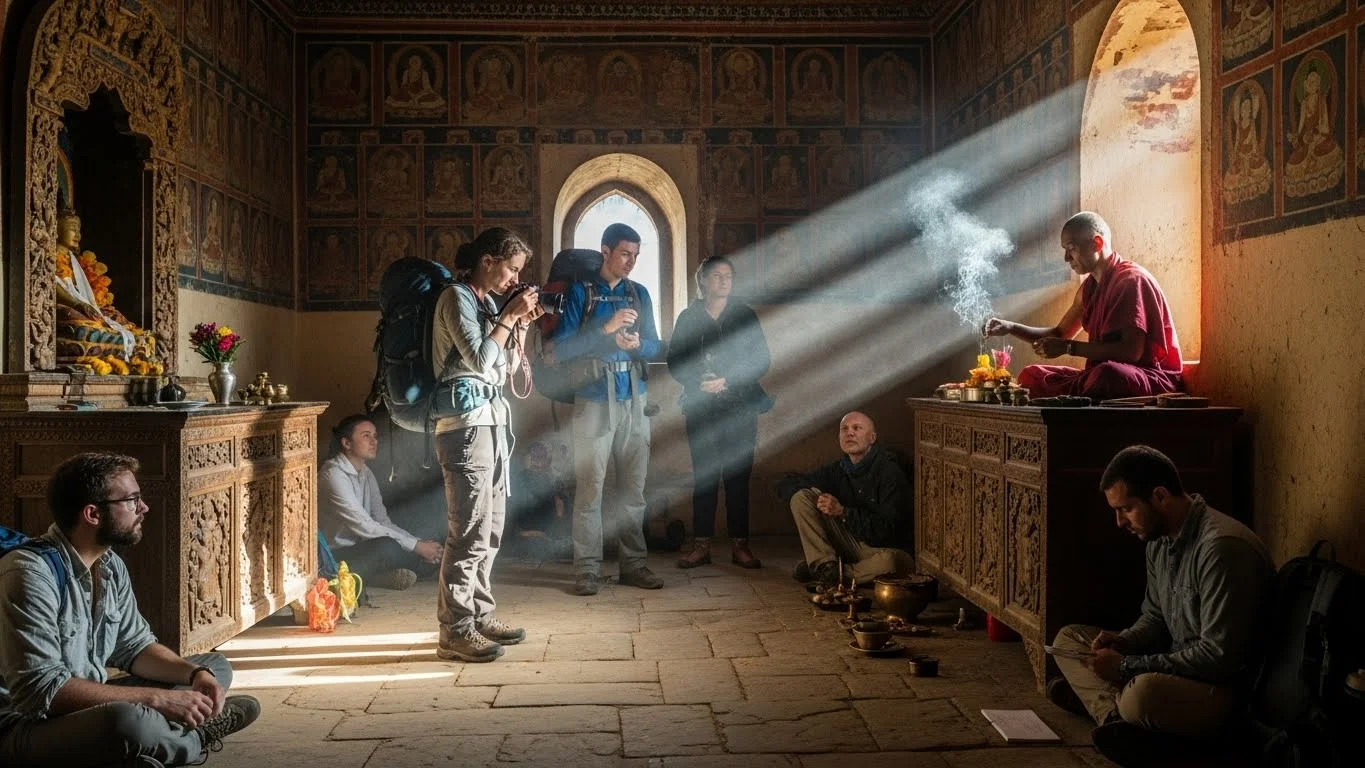
Understanding Religious Travel on a Budget
What is Religious Travel?
Religious travel, in my experience, is more than just visiting places of worship. It’s about connecting with different cultures, traditions, and spiritual practices. Whether it’s a pilgrimage to a holy site or a visit to a local temple, religious travel allows us to explore our beliefs while experiencing the world around us. I remember my first trip to a sacred site; it was eye-opening. I learned so much about different faiths, and it changed my perspective on life.
Benefits of Budget Religious Travel
Traveling on a budget opens doors to unique experiences that luxurious travel often overlooks. I think one of the biggest benefits of budget religious travel is the opportunity to engage more deeply with local communities. When we save costs on accommodations and dining, we can spend more on experiences that matter. For example, instead of splurging on a fancy hotel, we can choose a cozy hostel or guesthouse, which often leads us to meet fellow travelers and locals alike.
Another advantage is the sheer thrill of discovering hidden gems. On a recent trip, I stumbled upon a small temple that wasn’t in any guidebook. I spent the afternoon there, surrounded by locals, soaking in their rituals and practices. It was a magical experience, and it reminded me that sometimes the best moments happen off the beaten path.
Types of Religious Experiences
When we think about religious experiences, our minds might jump to grand cathedrals or massive temples. However, there’s a rich variety of experiences to explore. One type that I personally treasure is participation in local rituals. These can range from quiet meditations in serene settings to vibrant festivals filled with music and dance. For example, attending a Diwali celebration in India opened my eyes to the joy and community spirit that comes from shared beliefs.
Another enriching experience is volunteering at a religious organization. I found that helping out at a local food shelter during a religious observance not only deepened my understanding of the faith but also connected me to compassionate individuals who shared their stories. It was incredibly fulfilling to contribute and learn simultaneously.
Additionally, many travelers, including myself, seek spiritual retreats or workshops while on the road. These can be a great way to immerse ourselves in a faith tradition, often set in peaceful locations that allow for reflection and introspection. I remember attending a meditation retreat in a mountain town; it was a transformative experience that provided clarity and peace that I took home with me.
Exploring religious travel on a budget is not just about saving money; it’s about enriching our lives through diverse experiences. By embracing affordability, we can connect with the world in profound ways, discovering the beauty of faith in its many forms. Each journey teaches us something new, and every encounter enriches our understanding of humanity. So, let’s pack our bags and prepare for a journey where every destination holds the promise of spiritual discovery, all while keeping our wallets happy.
Top Affordable Religious Destinations Around the World
Jerusalem, Israel
Jerusalem holds a profound significance for many faiths, and it’s an incredible destination that I believe everyone should experience. The city is rich in history and spirituality, making it a meaningful place for religious travelers. Walking through the Old City, I found myself captivated by the Western Wall, a site of prayer and reflection for Jews, and felt a deep connection at the Church of the Holy Sepulchre, revered by Christians. I also discovered the Al-Aqsa Mosque, which stands as a magnificent symbol for Muslims.
One of the best things about visiting Jerusalem on a budget is the accessibility of many religious sites. Entry to most places is free or low-cost, allowing us to explore deeply without worrying about expenses. I remember wandering through the markets, sampling local foods, and engaging in conversations with locals who were eager to share their stories about faith and culture. This blend of spirituality and community made my trip unforgettable.
Varanasi, India
When it comes to experiencing spirituality, Varanasi is one of those places that truly touched my heart. Known as one of the oldest inhabited cities in the world, it’s considered a sacred site for Hindus. I was drawn to the ghats along the Ganges River, where I witnessed the mesmerizing Ganga Aarti ceremony. The vibrant colors, the sounds of chanting, and the aroma of incense created an atmosphere of deep reverence.
Traveling in Varanasi can be incredibly affordable. I found numerous budget-friendly guesthouses near the river, making it easy to immerse myself in the local culture. I also took part in yoga classes and meditation sessions, which were often offered at reasonable prices. These experiences helped me connect with my spirituality in a way I hadn’t imagined possible.
Mecca, Saudi Arabia
Mecca, being the birthplace of the Prophet Muhammad and the holiest city in Islam, offers a unique opportunity for spiritual enrichment. While the Hajj pilgrimage is a significant event, the city is welcoming to all visitors. As a Muslim traveler, I was deeply moved by the experience of visiting the Kaaba during the non-Hajj season. The atmosphere was electric, filled with pilgrims from all over the world, each sharing a common goal of devotion.
Although Mecca can be more expensive during Hajj, visiting during off-peak times allows for a more budget-friendly trip. I found that many local eateries offered delicious and affordable meals, which helped me save on dining costs while savoring authentic cuisine. Plus, the sense of community among pilgrims made every moment feel special, reinforcing the power of faith.
Rome, Italy
Rome is known for its stunning architecture and rich religious history. I remember standing in awe at St. Peter’s Basilica, feeling an overwhelming sense of peace wash over me. The Vatican Museums, though they charge an entry fee, are well worth the cost, especially when witnessing the breathtaking Sistine Chapel. There’s something magical about wandering through the cobblestone streets, each corner revealing a new church or hidden gem.
Fortunately, many of the beautiful churches in Rome are free to enter. I highly recommend exploring lesser-known sites, where you can often find tranquil spaces for reflection without the crowds. Plus, indulging in local gelato while soaking in the city’s history is an experience I wouldn’t trade for anything!
Kyoto, Japan
For those interested in Buddhism and Shintoism, Kyoto is a treasure trove of spiritual experiences. I was captivated by the serene temples and gardens, and the iconic Fushimi Inari Shrine with its thousands of red torii gates was a highlight of my trip. The tranquility I felt while exploring these spaces was palpable, allowing me to reflect on my own beliefs.
Visiting Kyoto on a budget is quite feasible. Many temples have low entrance fees, or none at all, and public transportation is affordable and efficient. I enjoyed strolling through the Philosopher’s Path, where I encountered impressive cherry blossoms in the spring. It’s a perfect spot for contemplation and connecting with nature, which I found incredibly grounding.
Mexico City, Mexico
My exploration of Mexico City led me to the Basilica of Our Lady of Guadalupe, one of the most important pilgrimage sites in Catholicism. The vibrant atmosphere surrounding the basilica was unlike anything I had experienced before. I witnessed thousands of devotees arriving on foot, some traveling for days to pay their respects, and it was deeply moving.
Mexico City is an affordable destination, with plenty of budget accommodations and delicious street food. I remember enjoying tacos from a local vendor for just a few pesos while soaking in the vibrant culture around me. Engaging with locals and listening to their stories about faith and life added layers to my understanding of the city and its rich spiritual landscape.
Planning Your Religious Journey
When to Travel for Religious Events
Timing can truly enhance our religious travel experience. I’ve learned that certain events or festivals can bring a whole new dimension to a destination. For instance, if you’re visiting Jerusalem, planning your trip around Passover or Yom Kippur can provide a unique glimpse into the cultural and spiritual practices of the local Jewish community. Similarly, attending the Kumbh Mela in India, one of the largest religious gatherings in the world, can be a life-changing experience. I remember the sense of unity and devotion that filled the air during my visit. Being part of such a significant event made the trip so much more meaningful.
Researching the calendar of events for your chosen destination can help us find the right time to travel. Many religious sites have specific days dedicated to ceremonies or festivals that are open to visitors. I find it rewarding to align our travels with these events to deepen our understanding of the local faith practices.
Choosing the Right Season
Choosing the right season for our travels can significantly impact both our budget and experience. I’ve discovered that traveling during the shoulder seasons—just before or after the peak tourist times—can help us save money and avoid the crowds. For instance, visiting Rome in the spring or fall means we can explore its stunning churches and historical sites without the overwhelming summer heat and throngs of tourists. Plus, the weather is usually mild, perfect for wandering the streets and soaking up the local atmosphere.
In some regions, specific weather patterns can enhance our spiritual experiences. For instance, visiting Kyoto during cherry blossom season is breathtaking. The delicate flowers create a serene backdrop for meditation, allowing us to connect with nature and our spiritual sides simultaneously. I remember sitting beneath a cherry tree, feeling a sense of peace wash over me as I reflected on my journey.
Budgeting for Your Trip
Budgeting for a religious journey is essential to ensure we can focus on experiences rather than expenses. In my experience, I’ve found that creating a detailed plan helps. I start by outlining the major costs, such as flights, accommodations, and daily expenses. However, I also set aside some funds for unexpected opportunities that might arise during the trip. For example, I once stumbled upon a local workshop that offered a unique insight into traditional rituals, and I was so glad I had the extra cash to participate.
Using apps and websites that track travel costs can help us stay on top of our budget. I often use budgeting tools to keep an eye on my spending. It helps to analyze where I can save, whether it’s choosing a local eatery instead of a tourist trap or opting for public transport instead of taxis. With a little planning, we can stretch our budget further while still enjoying everything our destination has to offer.
Finding Affordable Accommodations
Finding a place to stay doesn’t have to be a financial burden. I’ve had great success using platforms like Airbnb and hostels, which often provide not just cheaper rates but also opportunities to connect with travelers and locals. On one trip, I booked a small guesthouse run by a local family in Varanasi, and it turned out to be a highlight of my journey. The warmth and hospitality I received there made my stay memorable, and I learned so much about their culture and traditions.
Another tip that I’ve found useful is to look for religious hostels or retreats. Many religious organizations offer accommodations at very reasonable prices. Not only do they provide a place to stay, but they often come with a spiritual community that can enhance our experience. I remember attending an evening prayer service at a monastery where I was staying—it was such a peaceful way to end the day and helped me feel more connected to my surroundings.
Transportation Tips for Budget Travelers
Getting There: Finding Cheap Flights
Flights can be one of the biggest expenses on our travel budgets, but I’ve learned a few tricks to find affordable options. I usually start by comparing prices on different travel sites and setting up alerts for price drops. Flexibility is key; I often find that flying mid-week or during off-peak times can save us a significant amount. I remember booking a flight to Mexico City on a Tuesday, which ended up being nearly half the price of a weekend flight.
Additionally, considering nearby airports can sometimes lead to cheaper fares. For example, if I’m visiting a major city, I check if there are smaller airports nearby with lower-cost carriers. It’s worth the extra travel time if it means we can save a few bucks.
Local Transportation Options
Once we arrive at our destination, local transportation is often a breeze. Many cities have reliable public transportation systems that are both affordable and efficient. I love using buses or trains because they allow me to see the local life unfold and engage with residents. For instance, in Kyoto, I utilized the subway and buses to visit various temples, and it was not only budget-friendly but also a fun way to navigate the city.
Renting bicycles is also a popular option in many places. I’ve found that it’s an excellent way to explore at my own pace. Cycling through the streets of Amsterdam while visiting historic churches was such a memorable experience for me. It offered a unique perspective that I wouldn’t have gained otherwise.
Walking Tours of Religious Sites
Walking tours of religious sites can be one of the most enriching ways to experience a destination. I love joining local walking tours that focus on religious history and culture. Many cities offer free or donation-based tours, allowing us to contribute what we can while gaining insights from knowledgeable guides. During my time in Rome, I joined a free walking tour that highlighted the city’s religious landmarks. The guide shared fascinating stories that made the experience come alive.
Plus, exploring on foot allows us to connect more deeply with the surroundings. I remember discovering a small chapel tucked away in a narrow alley that I would have missed if I hadn’t been walking. It was a peaceful moment that added a special touch to my journey. So, grab a comfortable pair of shoes and prepare to walk; there’s so much to discover!
Must-Visit Religious Sites and Their Costs
Free Religious Sites Worth Visiting
When exploring religious sites, I’ve discovered that many offer incredible experiences at no cost. For example, the beautiful temples in Kyoto often have free entry, allowing us to wander through serene gardens and meditate in tranquil settings without spending a dime. I remember standing in the peaceful grounds of Kinkaku-ji, the Golden Pavilion, and feeling utterly at ease as I absorbed the stunning architecture and surrounding nature.
Another gem is the famous Cathedral of Santa Maria del Fiore in Florence. While there is a small fee for climbing to the top, exploring the cathedral itself is free. I was in awe of the intricate designs and vibrant frescoes that adorned the walls. The atmosphere inside was steeped in history, and I felt a deep sense of connection to those who had walked through its doors long before me.
Low-Cost Entrance Fees for Major Sites
Some major religious sites do charge entrance fees, but these are often quite reasonable. For instance, visiting the Vatican Museums has a ticket price, but it’s well worth it for the chance to see Michelangelo’s Sistine Chapel. I remember feeling overwhelmed by the beauty of the artwork and the sacredness of the space. Planning ahead can help us take advantage of reduced rates on certain days or times, which made my visit even more budget-friendly.
Additionally, many sites offer discounts for students, seniors, or groups. I always check the official website before visiting to see if I can snag a deal. During my travels, I’ve found that with a little research, I can enjoy major attractions without breaking the bank.
Guided Tours vs. Self-Guided Tours
Deciding between guided and self-guided tours can significantly impact our experience and budget. Guided tours often provide deep insights and historical context, which I find invaluable. For example, when I took a guided tour of the Holy City of Jerusalem, the local guide shared stories and cultural nuances that brought the history to life in a way I could never have grasped alone.
That said, self-guided tours can allow for a more personal experience. I often create my itinerary based on research and recommendations. Using a reliable travel app or a good map, I’ve enjoyed wandering through cities at my own pace. In places like Rome, getting lost in the streets often led to unexpected discoveries—like stumbling upon a small chapel or a local market filled with vibrant colors and aromas.
Experiencing Local Culture and Traditions
Participating in Religious Festivals
Experiencing local religious festivals is one of the most enriching aspects of my travels. These events offer a vibrant glimpse into the culture and spiritual practices of the community. I remember attending the Holi festival in India, where I was immersed in a whirlwind of colors and joy. The laughter, dancing, and shared excitement created connections with locals that I still cherish today.
Participating in these festivals is often free and provides an authentic experience that’s hard to replicate. I recommend checking local calendars to align your travel with these events. The energy and sense of community can transform any trip into a truly unforgettable adventure.
Local Cuisine and Food Experiences
Food is a significant part of culture, and exploring local cuisine can enhance our understanding of a destination’s traditions. I love trying street food in bustling markets; it’s often inexpensive and packed with flavor. In Mexico City, I enjoyed tasty tacos from a street vendor for just a few pesos, each bite giving me a taste of local life.
Moreover, many religious sites offer food experiences that reflect their traditions. During my visit to a monastery in Greece, I participated in a cooking class that taught us about the simple yet delicious meals prepared by monks. Sharing this meal with fellow travelers and locals was a beautiful way to bond and learn.
Community Engagement and Volunteering Opportunities
Volunteering while traveling is a rewarding way to connect with local communities. I’ve found that many religious organizations welcome travelers who want to lend a hand. During my time in Varanasi, I volunteered at a local charity that served meals to the needy. This experience not only deepened my understanding of the local culture but also created meaningful connections with the people I met.
Engaging in community service often leads to unexpected lessons and insights. I believe that by giving back, we enrich our travel experiences and leave a positive impact on those we encounter.
Safety and Health Considerations
Travel Insurance for Religious Travelers
Travel insurance is something I never overlook when planning my journeys. It brings peace of mind knowing that I’m protected against unexpected events. I recommend looking for plans that cover medical emergencies, trip cancellations, and theft. One time, when I fell ill during a trip to Jerusalem, my insurance made it easier to access the care I needed without financial stress.
Health Precautions While Traveling
Being mindful of health precautions is essential while traveling, especially when visiting religious sites. I always make sure to stay hydrated, especially in hotter climates, and I carry basic medications for minor ailments. Additionally, I’ve learned to respect local customs regarding health, such as ensuring I dress appropriately when visiting sacred sites to show respect for the traditions.
Respecting Local Customs and Traditions
Respecting local customs is paramount in religious travel. Every culture has its unique practices, and I often take time to learn about them before my visits. Whether it’s removing shoes before entering a temple or dressing modestly when visiting a mosque, these gestures show respect and often enhance the experience. I remember feeling a deep sense of gratitude when locals acknowledged my efforts to honor their traditions during my travels.
Resources for Budget Religious Travel
Travel Blogs and Forums
Travel blogs and forums are fantastic resources for budget religious travel advice. I often turn to fellow travelers for tips on hidden gems and affordable accommodations. Websites like Lonely Planet and TripAdvisor provide insights from real travelers, and engaging with others in travel forums has frequently led to discovering lesser-known experiences that made my trips memorable.
Religious Travel Apps and Websites
There are numerous apps and websites dedicated to religious travel. I’ve found apps that focus on pilgrimage routes or highlight significant religious events to be especially useful. Using these tools allows me to plan my itinerary with greater ease and incorporate local festivals or ceremonies into my travels. I highly recommend checking out Backpacking Through Faith: Affordable Religious Destinations for more insights.
Books and Guides on Religious Destinations
Books and travel guides can provide a deeper understanding of the religious sites I’m visiting. I often take a guidebook focused on the spiritual history of a region, which helps to enrich my visits. Reading about the significance of places like the Vatican or the Western Wall before arriving allows me to appreciate them fully when I’m there.
Final Thoughts
Traveling for religious experiences on a budget opens up a world of spiritual discovery and connection. Every destination holds the promise of enriching our understanding of different faiths and cultures. By being mindful of our spending and embracing local traditions, we can create meaningful memories that last a lifetime. I encourage everyone to embark on their journey, explore sacred sites, and engage with communities. It’s these experiences that truly nourish our souls and broaden our horizons.
Frequently Asked Questions
What is religious travel?
Religious travel is more than just visiting places of worship; it involves connecting with different cultures, traditions, and spiritual practices. It can include pilgrimages to holy sites or visits to local temples, allowing travelers to explore their beliefs while experiencing the world around them.
What are the benefits of budget religious travel?
Budget religious travel provides opportunities to engage more deeply with local communities and discover hidden gems. By saving on accommodations and dining, travelers can invest more in meaningful experiences, such as participating in local rituals or volunteering.
What types of religious experiences can travelers seek?
Travelers can participate in local rituals, volunteer at religious organizations, and attend spiritual retreats or workshops. These experiences can range from quiet meditations to vibrant festivals, allowing travelers to immerse themselves in various faith traditions.
What are some affordable religious destinations around the world?
Some affordable religious destinations include Jerusalem, Varanasi, Mecca, Rome, Kyoto, and Mexico City. Each location offers a rich spiritual experience with many low-cost or free options for exploring religious sites.
How can timing enhance a religious travel experience?
Timing can enhance the experience by aligning travel with significant religious events or festivals. This allows travelers to witness and participate in cultural practices, making their journey more meaningful.
What budgeting tips can help during a religious journey?
Creating a detailed budget plan that outlines major costs, using budgeting apps to track expenses, and setting aside funds for unexpected opportunities can help travelers manage their finances effectively while enjoying their journey.
What are some tips for finding affordable accommodations?
Travelers can find affordable accommodations through platforms like Airbnb and hostels, seek religious hostels or retreats, and look for local guesthouses that often provide a warm experience and cultural insights.
How can travelers save on transportation costs?
Travelers can save on transportation by comparing flight prices, being flexible with travel dates, using public transportation, or renting bicycles to explore destinations at a lower cost while engaging with local life.
What are the advantages of participating in local religious festivals?
Participating in local religious festivals offers vibrant cultural experiences and authentic connections with the community. These events are often free and provide a unique insight into the spiritual practices of the local culture.
Why is respecting local customs important during religious travel?
Respecting local customs is crucial in religious travel as it shows appreciation for the traditions and beliefs of the community. Engaging respectfully can enhance the travel experience and foster positive interactions with locals.
Read Interesting article: Cultural Journeys: Discovering Global Religious Practices