
Backpacking on a budget can feel like a daunting challenge, but with the right route planning, it transforms into an exciting adventure. Let’s dive into some key secrets that can help us explore the world without breaking the bank.
Understanding the Basics of Route Planning
What is Route Planning?
Route planning is essentially the art of mapping out your journey before you hit the road. When I first started backpacking, I remember feeling overwhelmed by all the choices. Route planning involves deciding which destinations to visit, how to get there, and what to see along the way. It’s about creating a roadmap that maximizes our experience while minimizing costs. This process not only helps you save money but also allows you to discover hidden gems that might not be on the typical tourist trail.
Importance of Route Planning for Backpackers
For backpackers, route planning is crucial. I learned this the hard way during my first trip when I ended up spending extra on accommodation and transport because I hadn’t planned well. A well-thought-out route can prevent wasted time and unexpected expenses. It allows us to focus on enjoying the journey rather than scrambling for last-minute accommodations or missing out on must-see sites. And let’s be honest; when we’re on a budget, every dollar counts.
Key Considerations for Budget Travelers
When planning our routes, especially as budget travelers, there are several key considerations to keep in mind. First, we need to think about travel distances. I remember my first long trek where I underestimated how much time it would take to get from one city to another. Planning our travel distances realistically ensures we have enough time to explore each destination without feeling rushed.
Next, consider the time of year. Traveling during the off-peak season can significantly reduce costs. I’ve found that fewer crowds and lower prices make for a more enjoyable experience. Always check local events or holidays, as they can either enhance or hinder our travel plans. For instance, visiting a city during a festival can be amazing, but it can also mean higher prices and crowded spaces.
It’s also essential to research transportation options. Sometimes, taking a bus instead of a train can save a considerable amount of money. I’ve often discovered that local transport is not just cheaper but also a more authentic way to experience a place. Always look for discounts or passes that might be available for the duration of our stay.
Lastly, accommodation plays a vital role in our route planning. I’ve found that balancing between hostels, budget hotels, and even camping can stretch my budget further. Each option offers a unique experience, and sometimes the most memorable nights come from staying in a cozy dorm with fellow travelers.
Essential Tools for Route Planning
Mobile Apps for Backpacking
In today’s tech-savvy world, I can’t stress enough how useful mobile apps are for route planning. Apps like Google Maps and Citymapper have been lifesavers during my travels. They help me navigate new cities and find the best public transportation routes. Another app I’ve found particularly helpful is Hostelworld, which allows me to compare prices and book budget accommodations on the go.
Maps and Navigation Resources
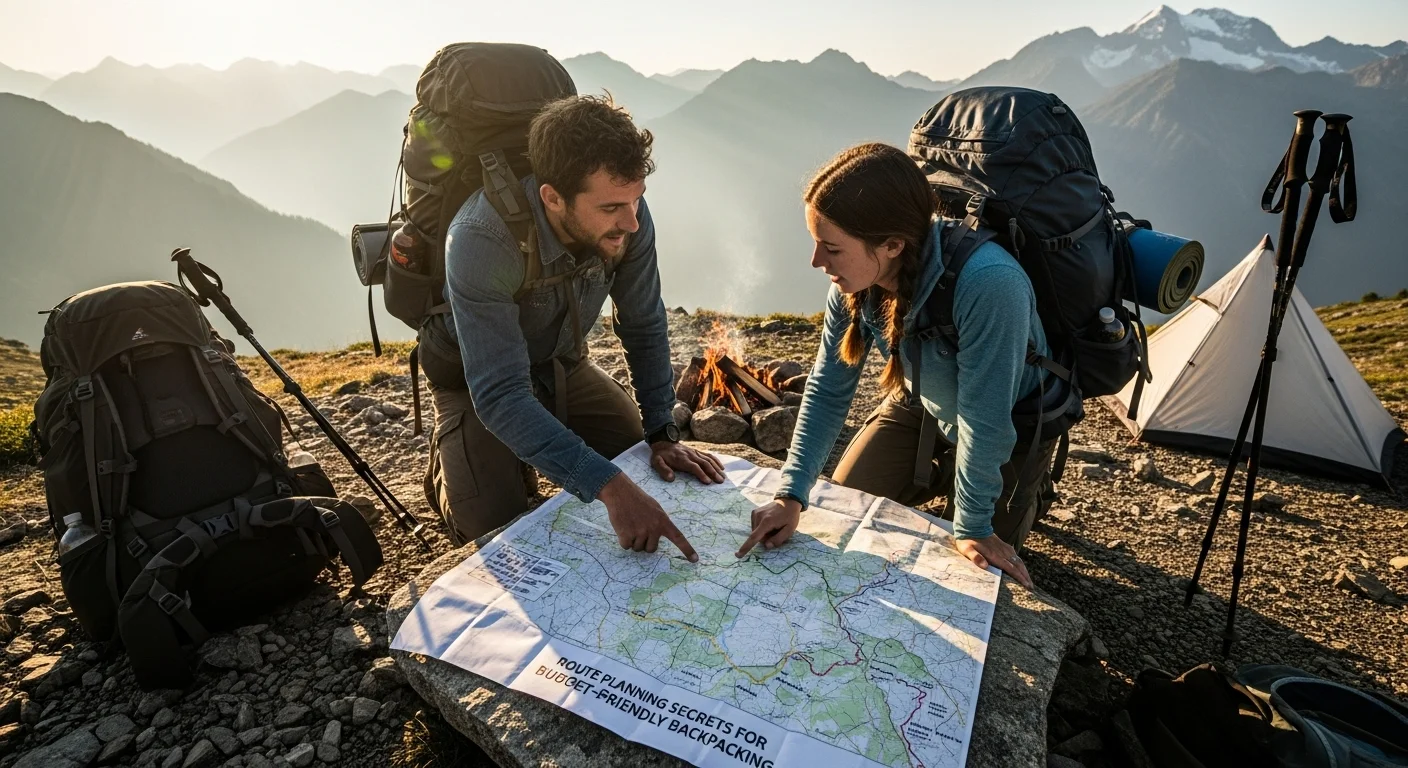
While digital tools are fantastic, I still believe in the power of good old-fashioned maps. I often carry a physical map of the area I’m exploring, just in case my phone dies or I find myself in a remote location with no signal. Local tourist offices usually have free maps that highlight key attractions, which can be a great resource when planning our routes.
Budgeting Tools for Travel Costs
Budgeting tools have become my best friends when planning trips. I use apps like Trail Wallet to track my expenses daily, which helps me stay on top of my budget. I also recommend creating a simple spreadsheet to estimate costs for accommodation, food, and transportation before the trip. Having a visual breakdown of expenses helps me identify where I can cut costs and save for experiences that truly matter.
In my experience, good route planning is the cornerstone of a successful and budget-friendly backpacking trip. By understanding the basics and utilizing the right tools, we set ourselves up for a journey filled with adventure and discovery without the stress of overspending. I can’t wait to share more secrets on how to choose destinations wisely and create the perfect itinerary! Stay tuned for the next part of our journey together.
Choosing Your Destination Wisely
Popular Budget-Friendly Backpacking Destinations
When it comes to backpacking on a budget, choosing the right destination can make all the difference. I’ve traveled to some incredible places that are not only affordable but also packed with experiences. For me, Southeast Asia has always been a top choice. Countries like Thailand, Vietnam, and Indonesia offer stunning landscapes, rich cultures, and delicious street food at prices that are easy on the wallet. I remember savoring street pad thai in Bangkok for just a couple of dollars while soaking up the vibrant atmosphere.
Eastern Europe is another gem for budget travelers. Cities like Budapest, Prague, and Krakow are filled with history and charm, yet they remain surprisingly inexpensive compared to Western Europe. I found that a good meal could cost me less than what I’d spend on a coffee in Paris. Plus, the stunning architecture made every outing feel like a new adventure.
- Thailand: Beautiful beaches, rich culture, and affordable accommodations.
- Vietnam: Delicious food and stunning landscapes at low prices.
- Eastern Europe: Historical cities with a fraction of the cost of Western Europe.
Off-the-Beaten-Path Locations
If you’re like me and love to explore lesser-known places, there are plenty of off-the-beaten-path destinations that offer unique experiences without the crowds. One of my favorite discoveries was the small town of Luang Prabang in Laos. Nestled between mountains and rivers, it’s a UNESCO World Heritage site that feels like a step back in time. I found it to be much cheaper than more touristy spots, and the serene atmosphere was a welcome change.
Another hidden treasure is the region of Albania. I had a fantastic time in places like Berat and Gjirokastër, where I marveled at the ancient architecture and enjoyed stunning views without paying the typical tourist prices. Plus, the locals were incredibly welcoming, making my experience even more special.
- Luang Prabang, Laos: A peaceful town with rich history and culture.
- Albania: Beautiful landscapes and warm hospitality at a fraction of the cost.
Evaluating Travel Costs by Destination
Before I head to a new destination, I always take the time to evaluate the overall travel costs. This includes not just accommodation and meals, but also transportation, activities, and any entry fees for attractions. I remember planning a trip to Spain, and while I was excited about the sights, I quickly realized that some cities were much more expensive than others. For instance, Barcelona has beautiful attractions, but it can drain your wallet fast if you’re not careful.
I recommend creating a cost comparison chart. This helps us visualize which destinations align with our budget. Sites like Numbeo can provide insights into the cost of living in various cities, which can be incredibly helpful. In my case, I found that spending a few extra hours researching could save me a lot of money in the long run.
Additionally, reading travel blogs and forums can give us a clearer picture of what to expect in terms of costs at different places. Fellow travelers often share their experiences and tips for saving money, which has been invaluable for my trips.
In my experience, choosing the right destination wisely not only helps keep the budget in check but also enhances our overall travel experience. When we explore places that resonate with us and fit our financial plans, we create lasting memories without the stress of overspending. As we move forward, let’s dive into how we can create the perfect itinerary that balances travel time and exploration, ensuring we make the most of our adventure! Stay tuned!
Creating Your Itinerary
How to Balance Travel Time and Exploration
Creating an itinerary can be one of the most exciting yet challenging parts of travel planning. I’ve found that striking the right balance between travel time and exploration is key to enjoying every moment. One tactic that has worked for me is to allocate a specific amount of time to each destination based on its significance to me. For example, when I visited Italy, I made sure to spend more time in Florence and Rome, whereas I just had a quick stop in Venice. This way, I could fully immerse myself in the places that mattered most.
To help with this, I recommend using a visual tool like a calendar or timeline. I often write down the must-see attractions and activities, then group them by location. This not only helps me prioritize what I want to do but also minimizes backtracking. I remember one trip where I made the mistake of hopping back and forth between cities, which added unnecessary travel time and drained my energy.
Another tip is to consider the length of travel times between locations. I like to map out my journey beforehand to see how long each leg will take. Apps like Rome2rio have been incredibly useful for this, as they show various transportation options and their durations. This way, I can plan my days more effectively, ensuring I have ample time for exploration without feeling rushed.
Suggested Itinerary Templates for Different Durations
Having a template can make it easier to plan a trip, especially when we have a limited amount of time. I’ve created a few simple itineraries based on different durations that might help you. For a long weekend trip (3-4 days), I focus on one city, ensuring I experience its highlights without overwhelming myself. Here’s a rough idea of how I might layout my itinerary:
- Day 1: Arrival, check-in, and evening exploration of the local area.
- Day 2: Full day of sightseeing, visiting key attractions and trying local cuisine.
- Day 3: Take a day trip to a nearby town or national park.
- Day 4: Leisurely morning, last-minute shopping, and departure.
For a week-long adventure, I like to split my time between two or three cities. This allows me to dive deeper into each place while still discovering new environments. Here’s a basic template I often use:
- Days 1-3: City A: Explore cultural sites, enjoy local food, and connect with locals.
- Days 4-5: City B: Try to visit historical landmarks and partake in guided tours.
- Days 6-7: City C: Relax, possibly do a nature excursion, and reflect on the trip.
Flexibility vs. Structure in Backpacking Plans
One thing I’ve learned over the years is that while having a plan is essential, flexibility can often lead to the best experiences. I remember a trip in Spain where my original plans fell through due to a train strike. Instead of panicking, I took the opportunity to explore the local area and stumbled upon a hidden market. This spontaneous adventure ended up being one of the highlights of my trip!
To keep that balance, I usually outline my must-do activities but leave some open time slots. This allows for spontaneity while ensuring I don’t miss out on my top priorities. I also recommend checking local events while traveling; sometimes, a local festival or concert can add an unexpected twist to our itinerary. Apps and websites like Meetup or local tourism boards can point us in the right direction.
In my opinion, the journey is just as important as the destination. By allowing ourselves the freedom to explore, we can create wonderful memories that might not have been part of our original plan. The best stories often come from those unplanned moments, and I’ve learned to embrace them wholeheartedly. As we continue this adventure into budgeting your trip, let’s explore how to ensure our finances align with our dreams!
Budgeting Your Trip
Estimating Daily Expenses
One of the first things I do when budgeting for a trip is estimate my daily expenses. This helps me figure out how much I need to save before I go. I like to break down my costs into categories: accommodation, food, transportation, activities, and a little extra for unexpected expenses. I remember my trip to Southeast Asia, where I realized that food and transportation were significantly cheaper than I anticipated. I found that I could enjoy amazing meals for just a few dollars, which allowed me to allocate more funds for experiences like tours and activities.
To estimate my daily expenses realistically, I often consult travel blogs and forums. Fellow travelers share their budgets and tips, which can give us a better idea of what to expect. Additionally, I’ve learned to keep a little cushion in my budget for those spontaneous adventures that pop up along the way. You never know when a unique opportunity will present itself!
Finding Affordable Accommodation Options
Accommodation can eat up a large portion of our travel budget, but there are plenty of ways to find affordable options. I used to think that hostels were the only budget choice, but I’ve since discovered various alternatives. Websites like Airbnb and Booking.com offer great deals on budget hotels and private rooms, often at prices comparable to hostels. I remember booking a cozy little apartment in Lisbon that provided me with a kitchen, allowing me to save even more by cooking some of my meals.
Another tip I stumbled upon is looking for accommodations that offer free breakfast. This not only helps me save money but also gives me a hearty start to my day. I also try to stay in neighborhoods a bit outside the main tourist areas, as they often have lower prices and give me a chance to experience local life. Plus, walking through less touristy neighborhoods has led to some of my favorite memories, like discovering hidden cafes and local markets.
Transportation Costs: Buses, Trains, and Rideshares
Transportation can also be a significant expense, so I always research my options carefully. In my experience, buses tend to be the most budget-friendly choice in many countries. I once took a long-distance bus in Mexico that was comfortable and cost me a fraction of what a train ticket would have. Also, don’t forget to check if there are any discounts for booking in advance or for longer journeys!
In addition to buses, trains can be a fantastic way to travel, especially in regions like Europe, where they are efficient and often offer scenic views. I remember taking a scenic train ride through the Swiss Alps, which was worth every penny. For shorter distances within cities, I’ve found rideshare apps like Uber or Lyft to be cost-effective alternatives, especially when splitting the fare with other travelers. Using local public transportation is another excellent way to save money and connect with the community.
Maximizing Your Experience on a Budget
Free and Low-Cost Activities
One of my favorite ways to experience a destination without draining my budget is by seeking out free and low-cost activities. I’ve found that many cities offer free walking tours, which not only provide valuable insights into the area but are also a great way to meet fellow travelers. I remember joining a free tour in Prague and ended up having lunch with some new friends afterward—an unexpected highlight of my trip!
Local parks, museums with free admission days, and community events are also fantastic opportunities to immerse ourselves in the local culture. I always check local tourism boards for calendars of events or free attractions. There’s something special about exploring a destination through its free offerings, and I’ve often found that these experiences make the most lasting memories.
Local Food Experiences without Breaking the Bank
Food is a huge part of traveling, and I believe that enjoying local cuisine doesn’t have to come with a hefty price tag. I’ve discovered that street food often provides some of the best flavors at affordable prices. In Vietnam, I relished a bowl of pho from a street vendor for just a couple of dollars. It was delicious, and the experience felt authentic.
Cooking classes are another fun way to dive into local cuisine while meeting other travelers. I once took a cooking class in Thailand where we visited a local market to buy ingredients. Not only did we learn how to make traditional dishes, but we also got to enjoy the fruits of our labor together afterward. Plus, I came home with new recipes to share with my friends!
Connecting with Other Travelers for Shared Costs
One of the best parts of backpacking is meeting other travelers. I’ve often found that sharing costs can significantly reduce our expenses. Whether it’s splitting the cost of a taxi, sharing a large meal, or even splitting accommodation, these shared experiences can enhance our journeys. I remember staying in a hostel where I connected with a few travelers, and we decided to rent a car to explore nearby attractions together. Not only did we save money, but we also created unforgettable memories along the way.
Final Thoughts
Backpacking on a budget doesn’t mean sacrificing experiences. By planning wisely and remaining flexible, we can explore incredible destinations while staying within our means. I’ve learned that the journey is just as important as the destination, filled with new friends, unexpected adventures, and priceless memories. Embrace the spontaneity, cherish the moments, and let your travels shape you in ways you never imagined. I can’t wait to hear about your adventures as you put these tips into practice. Happy travels!
Frequently Asked Questions
What is route planning in backpacking?
Route planning is the process of mapping out your journey before you start traveling. It involves deciding which destinations to visit, how to get there, and what to see along the way, maximizing experiences while minimizing costs.
Why is route planning important for backpackers?
Route planning is crucial for backpackers as it helps prevent unexpected expenses and wasted time. A well-thought-out route allows travelers to enjoy their journey without scrambling for last-minute accommodations or missing must-see sites.
What key considerations should budget travelers keep in mind when planning routes?
Budget travelers should consider travel distances, the time of year, transportation options, and accommodation types. Realistic planning helps ensure enough time to explore without feeling rushed, while off-peak travel can reduce costs.
What are some essential tools for route planning?
Essential tools for route planning include mobile apps like Google Maps and Hostelworld for navigation and accommodation booking. Physical maps and budgeting tools like Trail Wallet also help manage expenses effectively.
What are some popular budget-friendly backpacking destinations?
Popular budget-friendly backpacking destinations include Southeast Asia (Thailand, Vietnam, Indonesia) and Eastern Europe (Budapest, Prague, Krakow), known for their affordability and rich cultural experiences.
Can you recommend off-the-beaten-path locations for budget travelers?
Off-the-beaten-path locations include Luang Prabang in Laos, known for its serene atmosphere and rich history, and Albania, which offers stunning landscapes and warm hospitality at lower prices.
How can travelers evaluate overall travel costs by destination?
Travelers can evaluate overall costs by considering accommodation, meals, transportation, activities, and entry fees. Creating a cost comparison chart and consulting travel blogs can provide valuable insights into expected expenses.
What tips do you have for estimating daily expenses when budgeting for a trip?
When estimating daily expenses, break down costs into categories like accommodation, food, and transportation. It’s also helpful to consult travel blogs for budget insights and to keep a cushion for unexpected expenses.
What are some strategies for finding affordable accommodation options?
To find affordable accommodation, consider using websites like Airbnb and Booking.com, look for places that offer free breakfast, and stay in neighborhoods outside the main tourist areas for lower prices.
How can travelers maximize their experience on a budget?
Travelers can maximize their experience by seeking out free and low-cost activities, enjoying local food experiences like street food, and connecting with other travelers to share costs on transportation and meals.