
Solo backpacking can be one of the most exhilarating experiences of your life. Yet, with great adventure comes the need for great safety precautions. Let’s explore essentials to keep you safe while you roam the world on your own.
Understanding the Importance of Safety in Solo Backpacking
Why Safety Matters for Solo Travelers
When I first set out on my solo backpacking journey, I was filled with excitement and a sprinkle of nerves. I quickly learned that safety should always be at the forefront of any adventure. For me, it’s not just about protecting myself physically, but also about ensuring peace of mind. Knowing that I had everything I needed to stay safe allowed me to fully immerse myself in the experience.
Safety is crucial for solo travelers because we often find ourselves in unfamiliar places without the immediate help of friends or family. For instance, when I hiked through the mountains of Peru alone, I felt vulnerable at times. It was comforting to know I had packed smartly and was prepared for any situation. From my experience, I believe that being aware of your surroundings and having the right safety gear can significantly enhance your adventure. Essential Packing Tips for Safe Solo Travel Adventures can provide additional insights into this topic.
Common Risks Faced by Solo Backpackers
While every adventure has its risks, some concerns are more prevalent for solo backpackers. I’ve encountered a few, including getting lost, theft, and even injuries. I remember one instance in a bustling market where I was so captivated by the vibrant atmosphere that I didn’t notice someone trying to pickpocket me. Luckily, I felt their tug and was able to secure my belongings just in time. This taught me the importance of being vigilant.
Another risk is getting injured while hiking or exploring. When I ventured into the remote trails of the Appalachian Mountains alone, I was cautious about my footing and the environment. I knew that if something went wrong, I needed to be prepared to handle it on my own. That’s why understanding these risks is the first step to mitigating them and enjoying a safe journey.
Essential Packing Checklist for Safety
Personal Safety Items
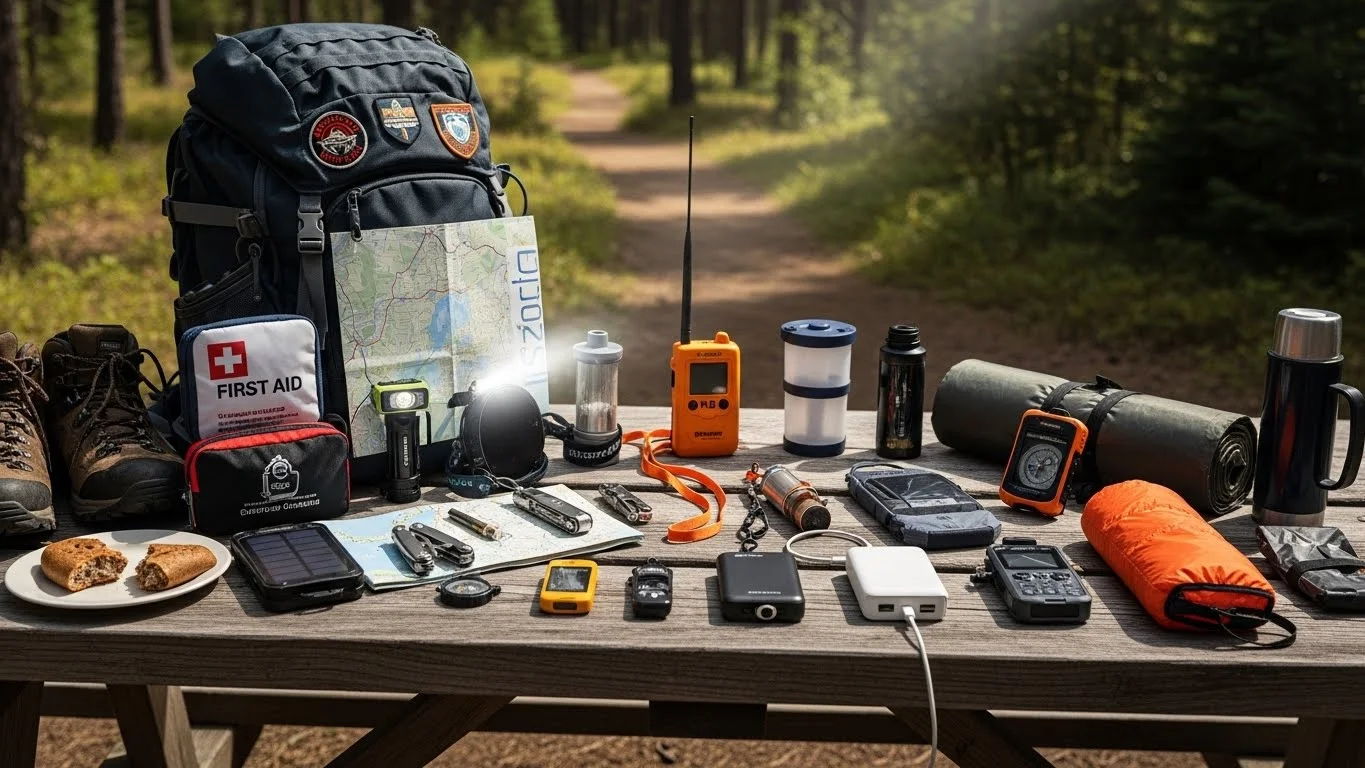
As I got deeper into my solo backpacking adventures, I realized that certain personal safety items are non-negotiable. Here are some essentials that I always pack.
First Aid Kit
A first aid kit is a must-have. I always carry a compact kit that includes band-aids, antiseptic wipes, pain relievers, and any personal medications. Once, when I scraped my knee on a rocky path, having my kit on hand made all the difference. I was able to clean and bandage my injury right away, which allowed me to continue exploring without worrying.
Personal Alarm
A personal alarm can be a lifesaver. I invested in a small, portable alarm that can emit a loud sound when activated. If I ever feel threatened or am in a precarious situation, I can use it to alert others. It gives me peace of mind, especially when I’m navigating cities or areas that feel less secure.
Whistle
Similarly, carrying a whistle is a simple yet effective safety measure. I keep mine attached to my backpack, so it’s always accessible. If I’m ever in a tight spot or lost in the woods, I know I can use it to signal for help. It’s a small item but incredibly powerful for solo travelers.
Travel Documents and Identification
Keeping your travel documents safe is crucial. I learned this the hard way during my first solo trip abroad.
Passport and Copies
Always carry your passport, but also have photocopies stored separately. I’ve found that a scanned copy on my phone can be a lifesaver if I lose my physical passport. It’s easier to report a loss and get a replacement when you have proof of your identity.
Travel Insurance Information
Speaking of my experiences, travel insurance has saved me more than once. I always carry a printed copy of my policy details, including emergency numbers. If something goes wrong, knowing I have support is a huge relief. I’ve had to use it for minor medical issues abroad, and I felt secure knowing I was covered.
Emergency Contacts List
Lastly, I keep an emergency contacts list in my wallet. This includes family, friends, and even local emergency services. Should I find myself in a sticky situation, having this information readily available is incredibly reassuring.
Navigation and Communication Tools
Getting lost can be one of the biggest fears for solo backpackers. I’ve been there, and it’s not a fun experience.
Portable Charger
Having a portable charger is essential. I can’t tell you how many times my phone’s battery has drained unexpectedly. I typically bring a charger that can power my phone multiple times. Staying connected is vital for safety, especially if I need to call for help or use GPS.
Offline Maps and GPS
I also download offline maps before heading out. This has helped me navigate unfamiliar areas without relying solely on my phone’s data. I remember exploring a small village in Thailand and being able to find my way back to my hostel without a hitch.
Local SIM Card or Wi-Fi Hotspot
Finally, I recommend getting a local SIM card or having a portable Wi-Fi hotspot. Staying connected allows me to communicate, share my whereabouts, and access information quickly. It’s a small investment for the security it provides.
Emergency Gear
Lastly, I always pack some emergency gear to ensure I’m prepared for anything.
Multi-tool or Swiss Army Knife
A multi-tool has been invaluable during my travels. It’s handy for everything from food preparation to repairs. I remember once needing to fix a broken strap on my backpack, and having my multi-tool saved the day.
Flashlight or Headlamp
A flashlight or headlamp is another must-have. I’ve often found myself hiking back after sunset, and having a reliable light source is crucial for navigating safely. I can’t tell you how many times it helped me avoid stumbling over rocks or roots.
Emergency Blanket
An emergency blanket is lightweight and takes up almost no space, yet it can be a lifesaver in unexpected situations. I always pack one in case I find myself cold or needing to signal for help. It’s a simple precaution that I never regret having.
Clothing Choices for Safety and Comfort
Weather-Appropriate Gear
One of the most important lessons I learned while backpacking solo was the significance of wearing the right clothing. Trust me, I’ve faced everything from scorching sun to unexpected downpours, and having the right gear can make all the difference in your comfort and safety.
Layering for Temperature Changes
When I started my journey, I often made the mistake of underestimating how quickly weather can change. I remember hiking in the Rockies where the temperature swung dramatically throughout the day. Layering became my best friend. I typically wear a moisture-wicking base layer, a warm mid-layer, and a windproof outer layer. Not only does this keep me comfortable, but it also allows me to adapt to various conditions without being weighed down by bulky clothing. I found that being able to strip down or add layers quickly helped me stay focused on enjoying the scenery rather than shivering or overheating.
Waterproof Jacket and Pants
I can’t stress enough how critical it is to have waterproof gear. On one of my trips to Iceland, I encountered a sudden downpour that soaked everyone around me, but I was prepared. My waterproof jacket and pants kept me dry and comfortable, allowing me to continue exploring without a hitch. I recommend investing in high-quality gear that not only repels water but also allows for breathability. This way, you stay dry and don’t end up feeling sweaty and uncomfortable.
Footwear for Different Terrains
Your choice of footwear can make or break your solo backpacking experience. I’ve learned this lesson the hard way on more than one occasion.
Hiking Boots vs. Trail Runners
When I first began hiking, I relied heavily on traditional hiking boots. While they offer great support and protection, I found them to be a bit heavy and cumbersome on longer treks. After trying out trail runners, I felt a noticeable difference in my agility and comfort. Trail runners are lighter and provide adequate grip on various terrains, making them ideal for day hikes or less rugged paths. However, for more challenging hikes, I still prefer the ankle support of hiking boots. It’s all about figuring out what works best for you based on your destination.
Comfortable Sandals for Off-Time
After a long day of hiking, my feet always appreciate some time in comfortable sandals. I usually pack a lightweight pair that allows my feet to breathe and relax. I’ve often found myself strolling through a beach town or heading to a local market in my sandals, which not only feels good but also helps me connect more with the surroundings. Plus, they’re easy to pack and versatile enough for a variety of settings.
Visibility and Identification
As a solo traveler, being visible and identifiable is crucial for my safety.
Bright or Reflective Clothing
I’ve learned that wearing bright or reflective clothing can be a game-changer, especially in low-light situations. There have been times when I was hiking at dusk, and I felt much safer wearing bright colors. It not only makes me visible to others but also adds an extra layer of safety when I’m exploring busy city streets. I often look for gear specifically designed for visibility, like jackets with reflective strips, to ensure I stand out.
Personal Identification Tags
While it might seem a bit over the top, I always carry personal identification tags with me. I keep a tag on my backpack with my name, emergency contact, and any medical information that could be relevant. This small detail can be crucial in case of an accident or emergency. I remember a time when I met a fellow traveler who had a similar tag, and it made me realize how important it is to be prepared for any situation.
Safe Packing Techniques
Organizing Your Backpack
Packing efficiently can enhance not only your safety but also your overall enjoyment while backpacking. I’ve spent countless hours trying to find the best way to organize my gear.
Weight Distribution for Balance
One thing I’ve found essential is distributing weight properly in my backpack. Keeping heavier items close to my back and lighter items at the bottom helps me maintain balance. I remember feeling incredibly off-balance during a steep climb because my pack wasn’t organized well. After that experience, I carefully plan my packing strategy, and it has made a world of difference in my stability and comfort while hiking.
Securing Valuables
Also, I always make sure to secure my valuables in a way that’s not only safe but also easily accessible. I use a small, lockable pouch for my passport, cash, and other important items. This way, I can rest assured knowing they’re protected while still being able to access them when needed. It’s a small step, but it significantly reduces the stress of worrying about losing something important.
Using Packing Cubes and Compression Bags
Packing cubes and compression bags have transformed the way I pack. I can’t recommend them enough! Top 10 Packing Tips for Solo Backpacking Adventures can further enhance your packing experience.
Maximizing Space and Accessibility
Packing cubes help me stay organized by categorizing my clothing and gear, making it easy to find what I need without rummaging through my entire backpack. I often pack my clothes in one cube, my toiletries in another, and my electronics in a third. This way, I save time and keep my packing neat and tidy.
Keeping Essentials Within Reach
For items I need daily, like my water bottle, snacks, and first aid kit, I use the outer pockets of my backpack for easy access. This allows me to grab what I need quickly without having to dig around. I learned that being organized not only helps me stay efficient but also adds to my overall peace of mind while traveling.
Health and Hygiene Essentials
Travel Medications and Supplements
Health is something we often take for granted until we’re far from home and feeling unwell. I learned the hard way that being prepared with the right travel medications can save you from a lot of discomfort. I always carry a small pouch with essential medications like pain relievers, antihistamines, and anything specific I might need, such as motion sickness tablets or stomach remedies.
For me, packing a few basic vitamins and supplements has also become a part of my routine. On long trips, I take vitamin C and probiotics to keep my immune system strong. I remember one trip when I didn’t take my probiotics, and I ended up catching a cold in the middle of a hiking trip. It was not fun! Now, I never leave without my health essentials. It’s a small effort that makes a big difference in how I feel while traveling.
Personal Hygiene Products
Staying clean and comfortable while backpacking is crucial, especially when you’re on the road for an extended period. I always pack travel-sized personal hygiene products like biodegradable soap, toothpaste, a toothbrush, and deodorant.
One product I swear by is a quick-dry microfiber towel. It’s lightweight and takes up almost no space in my pack. I can dry off after a swim or freshen up after a long day on the trails. Plus, having a reusable water bottle is essential; I fill it up regularly to stay hydrated, which is key for maintaining my energy levels. I also bring along hand sanitizer and wet wipes—they can be lifesavers when clean water isn’t readily available.
Water Purification Solutions
Access to clean drinking water is vital, and I’ve found that having a reliable water purification solution can make all the difference. I always carry a portable water filter or purification tablets. I remember hiking in a remote area where water sources were scarce, and being able to drink from streams felt like a game-changer.
Using a filter allowed me to refill my water supply safely. It also meant I didn’t have to worry about carrying large quantities of water with me. I recommend researching the best options for your travels, whether that’s a filter, UV purifier, or tablets. Knowing I can hydrate safely gives me peace of mind while exploring remote areas.
Safety Tips While Backpacking Solo
Staying Aware of Your Surroundings
One of the most important lessons I’ve learned while solo backpacking is the value of staying aware of my surroundings. I make it a habit to regularly observe my environment. Whether I’m walking through a bustling city street or hiking in the woods, I try to stay alert to what’s happening around me.
For example, I remember walking through a busy market in Morocco. There were so many distractions—the colors, the sounds, the smells—but I kept reminding myself to pay attention. I felt much more secure knowing I was aware of potential risks or changes in my environment. Trusting my instincts has often guided me in avoiding tricky situations.
Communicating Your Itinerary
Before embarking on any trip, I always share my itinerary with a trusted friend or family member. This practice not only keeps them informed but also adds an extra layer of security for me. I usually text them my planned route, accommodation details, and any significant stops along the way.
It gives me peace of mind knowing that someone is aware of my movements. If anything were to go wrong, they would have the information needed to help. I’ve also found that checking in regularly boosts my confidence when I’m on my own. A simple message saying “I made it safely” can help ease the minds of those who care about me.
Choosing Safe Accommodation
Finding the right place to stay is essential for solo backpackers. I prefer hostels or guesthouses that have positive reviews and a good reputation for safety. Before I book anywhere, I always read reviews from other travelers, specifically looking for comments about security and staff helpfulness.
I remember staying at a hostel in Barcelona that had a great vibe but also had a solid security system in place—secure lockers, key card access, and helpful staff who were always around. It made me feel at ease, knowing I could safely store my belongings and have a supportive environment. I also look for places located in well-lit, populated areas, which adds to my comfort level when returning at night.
Frequently Asked Questions
Why is safety important for solo backpackers?
Safety is crucial for solo travelers as they often find themselves in unfamiliar places without immediate help from friends or family. Being aware of surroundings and having the right safety gear enhances the adventure and ensures peace of mind.
What are common risks faced by solo backpackers?
Common risks include getting lost, theft, and injuries. Solo backpackers may face situations where they feel vulnerable, like being pickpocketed in busy markets or getting injured on remote trails.
What essential personal safety items should I pack for solo backpacking?
Essential personal safety items include a first aid kit, personal alarm, whistle, travel documents and identification, travel insurance information, and an emergency contacts list.
How can I navigate safely while backpacking alone?
To navigate safely, carry a portable charger for your phone, download offline maps and GPS, and consider getting a local SIM card or portable Wi-Fi hotspot to stay connected.
What clothing choices are recommended for safety and comfort?
Wear weather-appropriate gear, including moisture-wicking base layers, warm mid-layers, and windproof outer layers. Waterproof jackets and pants are essential, as well as appropriate footwear like hiking boots or trail runners.
How should I pack my backpack for safety?
Organize your backpack by distributing weight properly, securing valuables in a lockable pouch, and utilizing packing cubes for better organization. Keeping essentials within easy reach enhances efficiency while traveling.
What health and hygiene essentials should I bring while backpacking?
Health essentials include travel medications and supplements, personal hygiene products (like biodegradable soap and a quick-dry towel), and water purification solutions to ensure access to clean drinking water.
What safety tips should I follow while backpacking solo?
Stay aware of your surroundings, communicate your itinerary to a trusted friend or family member, and choose safe accommodations with good reviews and security measures.
What is the importance of carrying a first aid kit?
A first aid kit is essential for handling minor injuries promptly, allowing you to continue your adventures without worrying about untreated wounds.
How can I ensure visibility while traveling alone?
Wearing bright or reflective clothing can enhance visibility in low-light situations, and carrying personal identification tags can help in emergencies by providing crucial information to others.