
Wine pairing can transform an ordinary meal into an extraordinary experience. Join me as we explore the best wine pairing classes that can elevate your culinary journey and open your palate to global flavors. Read Interesting article: Unlock Culinary Secrets: Top Wine and Cooking Classes Abroad
Understanding Wine Pairing Basics
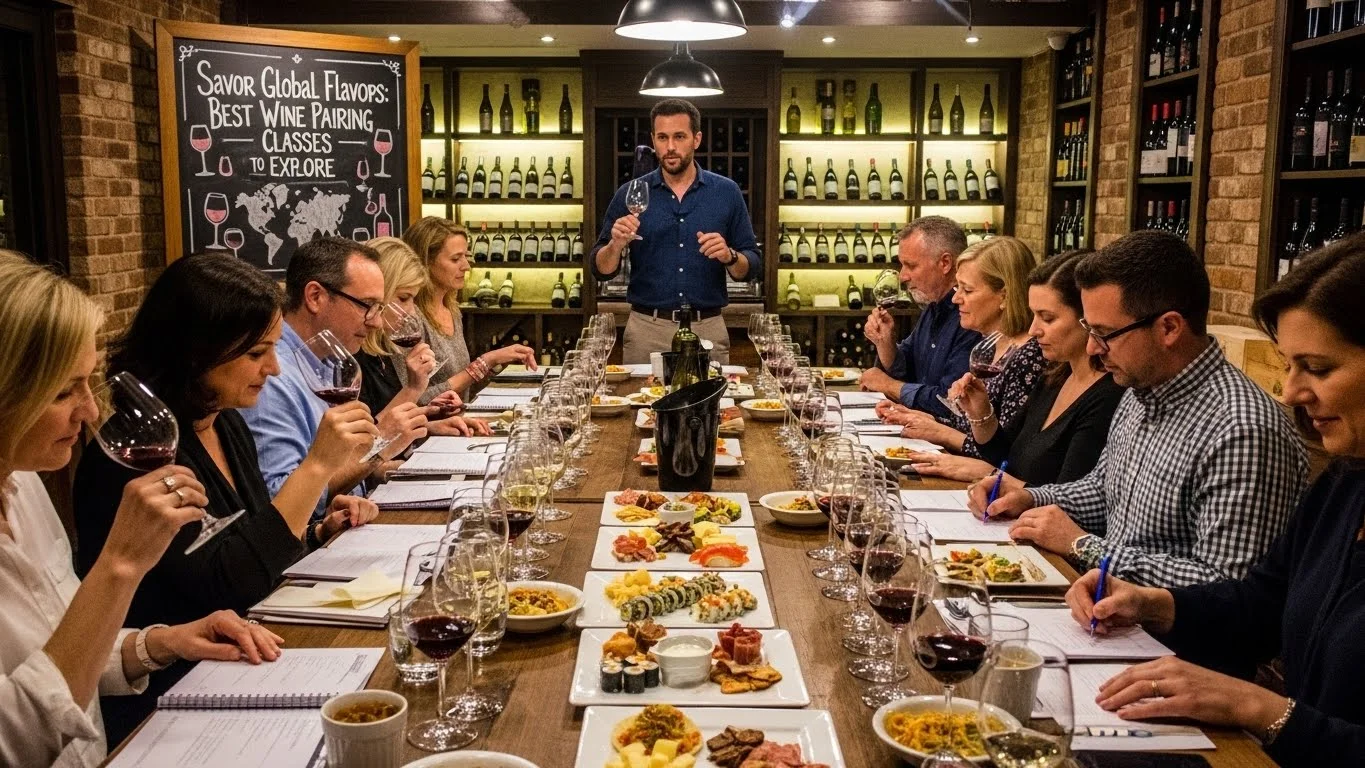
When I first started learning about wine pairing, I realized that it’s not just about choosing a wine to drink with dinner. It’s about creating a harmonious balance between food and wine, enhancing both flavors. Understanding the fundamentals of wine pairing can make a significant difference in how we enjoy meals. So, let’s dive into the basics!
The Importance of Wine Pairing
Wine pairing is essential because it can enhance the flavors of both the food and the wine. I remember my first experience with a perfect pairing; a crisp Sauvignon Blanc complemented a zesty lemon chicken dish beautifully. The wine brought out the citrus notes, making the meal unforgettable. The right wine can elevate a simple dish into a culinary masterpiece, while a poor choice can overshadow even the finest cuisine.
In many cultures, sharing a meal with wine is a cherished tradition. I’ve found that learning about wine pairing not only enhances my dining experiences but also allows me to connect with others over a shared love for good food and drink. Whether it’s a casual dinner with friends or a fancy celebration, the right pairing can set the tone for a memorable occasion.
Key Factors in Wine Pairing
When it comes to wine pairing, several key factors come into play. These include the type of food, its preparation method, and the wine itself. Here are some aspects to consider:
- Flavor Profiles: I’ve learned that the flavors of both the wine and the foods should complement each other. For example, rich dishes pair well with full-bodied wines, while lighter fare is best enjoyed with crisp, refreshing wines.
- Textures: The texture of a dish can influence your wine choice. Creamy sauces often go well with oaked Chardonnay, while tannic red wines can cut through fat in red meat dishes.
- Acidity: Acidic foods, like tomatoes or vinegar-based dressings, pair nicely with wines that have a similar acidity level. I once had a delightful experience pairing a Chianti with a tomato-based pasta that showcased this balance perfectly.
- Sweetness: When pairing sweet dishes, like desserts, I’ve found that sweeter wines, such as Moscatos or late-harvest Rieslings, work wonders in enhancing flavors.
Understanding these factors can help us make informed choices when selecting wines for our meals, allowing us to create enjoyable and memorable dining experiences.
Common Wine and Food Pairing Myths
As I delved deeper into the world of wine pairing, I stumbled upon some common myths that I think need to be debunked. Here are a few that I encountered:
- Red with Meat, White with Fish: This classic rule is too simplistic. I’ve tried beautiful pairings, like a light Pinot Noir with grilled salmon, which defied this old belief.
- Expensive Wine is Always Better: Price doesn’t always dictate quality. I’ve had amazing wines that were very affordable, proving that great taste doesn’t have to come with a high price tag.
- All Wines Improve with Age: This isn’t true for every wine. Many wines are meant to be enjoyed young, while only a select few benefit from aging. I learned this through tasting various vintages, and it was eye-opening!
By challenging these myths, we can open up a world of possibilities when it comes to pairing wines with our meals. It’s about finding what works for our personal tastes and experiences.
As we explore the world of wine pairing, understanding these basics will serve as a solid foundation. From the importance of pairing to the factors that influence our choices, I’ve found that a little knowledge goes a long way. Now, let’s embark on a journey to discover some amazing wine pairing classes around the globe that can take our skills to the next level!
Exploring Global Wine Pairing Classes
I’ve always believed that there’s no better way to learn about wine pairing than to immerse myself in different cultures. Exploring global wine pairing classes has opened up my understanding of how various regions integrate their local cuisine with wines. Each class offers a unique perspective, and I’m excited to share some of my favorite experiences and recommendations. Read Interesting article: Savor Local Flavors: Farm-to-Table Classes Abroad
Italian Wine Pairing Classes
Italy has a rich winemaking tradition, and its wine pairing philosophy is deeply rooted in the regions’ culinary practices. I remember attending a class in Tuscany where we explored how the local wines complemented traditional dishes. The passion of the instructors was infectious, and it really brought the experience to life.
Regional Pairing Techniques
Each Italian region has its own specialties and wine varieties. For instance, in the north, I discovered that hearty dishes like risotto pair beautifully with full-bodied wines such as Barolo. In contrast, the southern regions often feature lighter dishes that go well with refreshing whites like Vermentino. I found that focusing on regional pairings not only enhanced the flavors but also told a story about the land and its heritage.
Top Italian Wine Schools
One of the best places to learn about Italian wine pairing is at the Italian Sommelier Association (AIS). They offer various courses that dive into the art of pairing wine with local dishes. Another hidden gem is the Wine School of Florence, where I had the chance to practice pairing with actual chefs. These classes emphasize hands-on experience, making learning engaging and delicious!
French Wine Pairing Classes
France is often regarded as the epicenter of wine culture, and I can attest to how its traditions have influenced my own pairing practices. Attending a wine pairing class in Bordeaux was a pivotal moment for me. The instructors shared classic pairings that showcased the elegance of French cuisine and wine.
Classic French Pairings
During my time in Bordeaux, I learned the significance of terroir—how the land influences the flavor of both food and wine. Pairing a rich Bordeaux red with a simple beef bourguignon was a highlight. The flavors danced together, creating a harmonious experience that I still try to replicate at home. I also enjoyed the classic combination of Champagne with oysters, which taught me about the importance of acidity in enhancing flavors.
Renowned French Wine Institutions
If you’re interested in French wine pairing, I highly recommend checking out the Wine and Spirit Education Trust (WSET). Their courses offer structured learning that is accessible to everyone. Additionally, Le Cordon Bleu in Paris offers specialized classes focusing on wine and food pairing, giving students a chance to learn from some of the best chefs in the world.
Spanish Wine Pairing Classes
Spain has a distinct culinary style that often surprises people when it comes to wine pairing. I found that the country’s vibrant flavors and regional diversity make for some exciting combinations. Attending a class in Barcelona was a delightful experience, where I got to experiment with tapas and local wines.
Traditional Spanish Pairing Practices
One of the most memorable lessons was about pairing jamón ibérico with a robust Tempranillo. The richness of the ham perfectly balanced the wine’s tannins, creating a wonderful mouthfeel. I also discovered how regional dishes like paella pair excellently with white wines from Rías Baixas, which really highlighted the seafood flavors.
Leading Spanish Wine Education Centers
For anyone interested in Spanish wine, the Escuela de Cata in Madrid offers fantastic classes that focus on regional pairings. Their hands-on approach allows participants to taste and create pairings in real-time, which I found to be incredibly beneficial for understanding the nuances of flavor. Another great option is the Catalonia Wine School, where I learned about the importance of local wine styles and how to match them with traditional Spanish cuisine.
New World Wine Pairing Classes
As I ventured into the New World wines, I was pleasantly surprised by how different regions approach pairing. From California to Australia, the styles and flavors are diverse and often bold. I attended a class in Napa Valley that really opened my eyes to the innovation happening in wine pairing today.
Emerging Regions and Their Pairing Styles
One of the standout experiences for me was tasting a zinfandel alongside spicy barbecue. The fruit-forward notes of the wine balanced the heat beautifully. Similarly, I found that pairing a cool climate Chardonnay with grilled fish created a refreshing contrast that was memorable. Exploring the unique characteristics of New World wines has certainly expanded my palate.
Notable New World Wine Schools
If you’re eager to dive into New World wine pairing, I suggest looking into the Napa Valley Wine Academy. They offer a range of courses, from beginner to advanced, focusing on pairing techniques. The Australian Wine Research Institute also provides incredible insights into how their wines can complement various cuisines, especially with their emphasis on local produce. Read Interesting article: Budget Backpacking: Best Farm-to-Table Cooking Classes
Exploring these global wine pairing classes has enriched my understanding and appreciation of wine in ways I never expected. Each region brings its own traditions and techniques that not only enhance our meals but also connect us to the culture and history behind them. I can’t wait to share more about unique pairing experiences that add a special touch to our culinary adventures!
Unique Wine Pairing Experiences
As I’ve journeyed through the fascinating world of wine pairing, I’ve discovered that there’s much more to explore beyond traditional classes. Unique experiences can add a whole new layer to our understanding and enjoyment of wine. Here are some of my favorite creative wine pairing experiences that I believe can enhance our culinary adventures.
Wine and Cheese Pairing Workshops
One of the most delightful experiences I had was attending a wine and cheese pairing workshop. I’ve always loved cheese, but pairing it with wine took my appreciation to another level. I remember being introduced to the concept of “contrast” versus “complement” pairings. For example, pairing a sharp blue cheese with a sweet dessert wine like Sauternes created a beautiful contrast that made both the cheese and wine shine in a new light.
During the workshop, I learned about the different types of cheeses and how their textures and flavors influence wine choices. I found that creamy brie pairs wonderfully with a light sparkling wine, while aged cheddar can be enhanced by a robust red. It was fascinating to see how each pairing encouraged the flavors to evolve and interact. I think these workshops are perfect for anyone looking to deepen their knowledge and enjoy a fun, social environment.
Wine and Chocolate Pairing Classes
Another unique experience I highly recommend is a wine and chocolate pairing class. I’ll admit, I was skeptical at first—how could wine and chocolate possibly complement each other? However, I was quickly proven wrong. The class I attended focused on the different types of chocolate—from dark to milk to white—and how each type pairs with specific wines.
One standout pairing was a rich dark chocolate with a bold Cabernet Sauvignon. The wine’s tannins beautifully countered the chocolate’s bitterness, creating a deliciously balanced experience. I also enjoyed pairing a creamy milk chocolate with a sweeter wine, like a Port. It was like a match made in heaven! These classes not only satisfy the sweet tooth but also introduce us to the concept of pairing dessert wines with a variety of flavors, making for an unforgettable tasting adventure.
Cooking Classes with Wine Pairing Focus
Combining cooking and wine pairing is another fantastic way to enhance our skills. I participated in a cooking class where we prepared a multi-course meal and paired each dish with an appropriate wine. It was an immersive experience, allowing us to understand how cooking techniques and ingredients affect pairing decisions.
I remember making a classic risotto and learning how the creamy texture complemented a well-structured white wine. The instructor emphasized the importance of balancing flavors and textures, which made me appreciate the art of cooking even more. This hands-on experience not only improved my cooking skills but also deepened my understanding of wine pairing in real-time. I firmly believe that these classes can be both educational and incredibly rewarding.
Virtual Wine Pairing Experiences
In recent years, we’ve seen a rise in virtual wine pairing experiences, especially since the pandemic made in-person gatherings more challenging. I’ve participated in a few online tastings, and I was pleasantly surprised by how well they worked. We received curated wine samples delivered to our doors, along with recipes to prepare alongside the tasting.
These virtual classes allow us to connect with expert sommeliers from around the world, learning about different wine regions and pairing techniques without leaving our homes. I remember one memorable session focused on Mediterranean wines paired with homemade tapas. It felt like I was transported to Spain, enjoying the culture and flavors right from my kitchen.
Virtual experiences can be perfect for those interested in wine pairing but unsure about committing to in-person classes. They offer flexibility and convenience, making them accessible to everyone. Plus, they create an opportunity to connect with friends and family, enjoying the experience together, even if we’re miles apart.
Overall, unique wine pairing experiences can truly elevate our understanding and enjoyment of wine. Whether it’s through workshops, cooking classes, or virtual tastings, each opportunity offers something special. I’m excited to continue exploring this world and look forward to sharing more about how we can enhance our wine pairing skills in the next sections!
Tips for Choosing the Right Wine Pairing Class
As I’ve explored various wine pairing classes, I’ve learned that not all classes are created equal. Choosing the right one can make a big difference in our learning experience. Here are some tips that I’ve found helpful when selecting a wine pairing class that suits our needs.
Identifying Your Learning Goals
Before diving into a class, I think it’s essential to identify what we want to achieve. Are we looking to enhance our basic knowledge, or are we ready to dive deep into advanced pairing techniques? For me, I started with the basics before gradually moving towards more specialized classes. This progression helped build my confidence and understanding without feeling overwhelmed.
Sometimes, I find it helpful to write down a list of specific goals. Do we want to learn about regional pairings, experiment with unique flavors, or understand more about wine production? Knowing our objectives can guide us in selecting a class that aligns with our interests.
Considering Class Formats (In-Person vs. Online)
With the rise of virtual learning, we now have more options than ever. I’ve participated in both in-person and online classes, and each has its advantages. In-person classes offer a social atmosphere where we can interact directly with instructors and fellow participants. However, online classes provide flexibility, allowing us to learn at our own pace and from the comfort of our homes.
It’s important to consider which format suits our lifestyle best. Personally, I find that a mix of both has been beneficial. This way, I can enjoy the camaraderie of in-person tastings while also taking advantage of the convenience of online workshops.
Evaluating Instructor Credentials
Not all instructors have the same level of expertise, so I recommend looking into their backgrounds before enrolling. I’ve found that instructors with solid credentials and experience in the wine industry often provide more insightful and engaging classes. It’s always a bonus to learn from someone who has a passion for wine and food pairing and can share their personal experiences and anecdotes.
When possible, I check for any certifications or affiliations with reputable wine organizations. This gives me confidence that I’m learning from someone who is knowledgeable and respected in the field.
Reading Reviews and Recommendations
Before committing to a class, I often search for reviews or testimonials from previous participants. Reading about others’ experiences can provide valuable insights into what to expect. I remember coming across a glowing review of a class that highlighted how engaging and informative the instructor was, which convinced me to sign up. Engaging with wine communities, both online and in person, can also lead to recommendations for classes that others found particularly enriching.
Ultimately, taking the time to research and gather information about potential classes can greatly enhance our wine pairing journey.
What to Expect in a Wine Pairing Class
Once we’ve chosen a class, it’s exciting to think about what we’ll experience. From my own attendance, I’ve found that wine pairing classes can vary widely, but there are some common elements that most share.
Class Structure and Content
Typically, classes start with an introduction to the fundamentals of wine and food pairing. I remember feeling a rush of excitement as we learned about the different wine types and flavor profiles. Many classes also include sections dedicated to regional wines and how they pair with local cuisines, which adds an extra layer of enjoyment.
As the class progresses, we usually dive deeper into specific pairings. I’ve found that tastings are often integrated into the structure, allowing us to experience firsthand how certain flavors interact. This hands-on approach really helps reinforce what we’ve learned!
Tasting Techniques and Sensory Evaluation
Learning how to taste wine properly is another vital aspect of these classes. I remember being guided through the process of assessing color, aroma, and taste. Developing these sensory skills has enhanced my appreciation for wine and food pairings. We often practice identifying specific notes in both the wine and food, which can be a fun challenge!
Hands-On Practice and Pairing Exercises
Many classes include interactive exercises where we pair various wines with different dishes. I love these moments, as they allow us to apply what we’ve learned in real-time. It’s incredibly rewarding to discover a pairing that works beautifully, and it often leads to lively discussions with fellow participants. These hands-on experiences are what make wine pairing classes so enjoyable and memorable.
Enhancing Your Wine Pairing Skills at Home
After attending classes and workshops, I realized that enhancing our wine pairing skills doesn’t have to stop there. We can continue our learning journey right from home.
Essential Tools for Wine Pairing
Having the right tools at home can make a significant difference in our wine pairing endeavors. I’ve found that investing in a decent set of wine glasses tailored for different types of wines enhances the tasting experience. A good corkscrew and a wine aerator can also elevate our enjoyment, allowing the wine to breathe and fully express its flavors.
Resources for Continued Learning
There’s a wealth of information available for those eager to learn more. I often turn to books, podcasts, and online courses that focus on wine and food pairing. Some of my favorite resources include websites dedicated to wine education, where I can explore various articles and forums that discuss unique pairing ideas.
Building Your Own Wine and Food Pairing Library
Finally, as we learn more about wine pairing, I recommend starting our own collection of favorite recipes and wine pairings. Keeping a journal or a digital document can be an enjoyable way to track what works and what doesn’t. This personal library will be a valuable reference point for future meals and gatherings, ensuring that we can impress our friends and family with our newfound skills.
Final Thoughts
Wine pairing is a delightful journey that combines art, science, and culture. Through my experiences in classes and unique pairing opportunities, I’ve come to appreciate the intricate relationships between food and wine. Whether we’re exploring global wine classes, participating in hands-on workshops, or simply experimenting at home, there’s always something new to discover. My hope is that we embrace this journey, share our experiences with others, and continue to refine our skills. Cheers to all the delicious pairings ahead!
Frequently Asked Questions
What is the significance of wine pairing in dining?
Wine pairing is essential because it enhances the flavors of both the food and the wine, creating a harmonious balance that can elevate a meal into a culinary masterpiece.
What are some key factors to consider when pairing wine with food?
Key factors include flavor profiles, textures, acidity, and sweetness. For example, rich dishes pair well with full-bodied wines, while acidic foods go nicely with wines of similar acidity levels.
What are some common myths about wine pairing?
Common myths include the belief that red wine must be paired with meat and white wine with fish, that expensive wine is always better, and that all wines improve with age. These myths can limit the possibilities of enjoyable pairings.
What are some recommended wine pairing classes in Italy?
Recommended classes include those offered by the Italian Sommelier Association (AIS) and the Wine School of Florence, which focus on regional wine and food pairings.
Why is France considered the epicenter of wine culture?
France is regarded as the epicenter of wine culture due to its rich traditions and the influence it has on wine pairing practices, showcasing the importance of terroir and classic pairings.
What unique wine pairing experiences are suggested in the article?
Unique experiences include wine and cheese pairing workshops, wine and chocolate pairing classes, cooking classes with a wine pairing focus, and virtual wine pairing experiences.
What should one consider when choosing a wine pairing class?
Consider identifying your learning goals, class formats (in-person vs. online), evaluating instructor credentials, and reading reviews or recommendations from previous participants.
What can participants expect in a wine pairing class?
Participants can expect an introduction to wine fundamentals, tasting techniques, sensory evaluation, and hands-on practice through pairing exercises with various dishes.
How can one enhance their wine pairing skills at home?
Enhancing skills at home can involve investing in the right tools, utilizing resources for continued learning, and building a personal library of favorite recipes and wine pairings.
What is the overall message about the journey of wine pairing?
The overall message is that wine pairing is a delightful journey combining art, science, and culture, encouraging individuals to explore, share experiences, and refine their skills continually.