
South America is a treasure trove of flavors and traditions. In 2024, immerse yourself in the vibrant food festivals that showcase the region’s rich culinary heritage and diverse cultures. Read Interesting article: Top 7 Cultural Food Festivals in South America You Can’t Miss
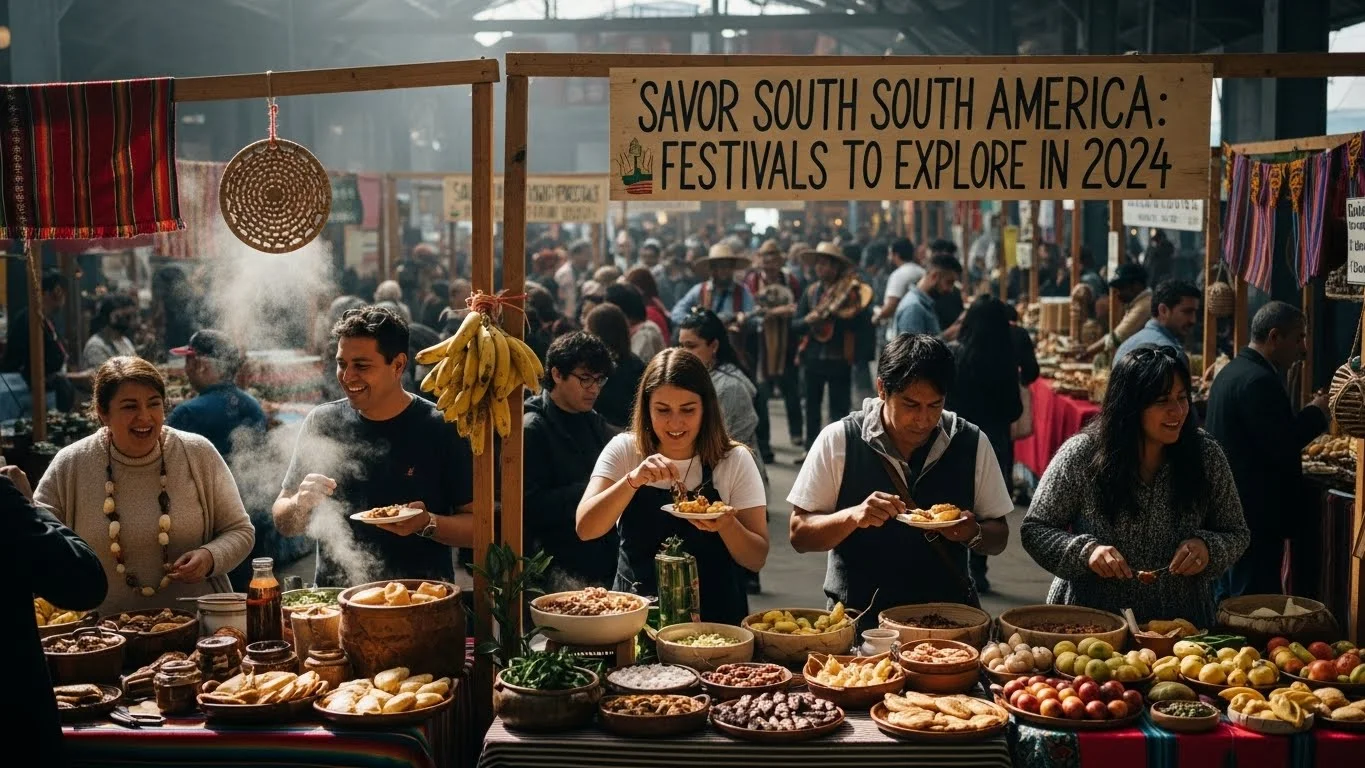
Introduction to South America’s Culinary Scene
When I first set out to explore South America, I was struck by the incredible variety of foods and flavors. Each country tells its story through its cuisine, and there’s no better way to experience this than through food festivals. From the Andes mountains to the Amazon rainforest, every dish is a reflection of the land and its people.
The Diversity of South American Cuisine
The culinary landscape of South America is as diverse as its geography. I’ve tasted the smoky meats of Argentina, the spicy dishes of Peru, and the tropical fruits of Brazil, each with its unique flair. This diversity stems from the influence of indigenous cultures, colonial history, and immigrant communities, which have all contributed to the vibrant tapestry of flavors. For instance, in Peru, the fusion of indigenous ingredients with Asian culinary techniques creates an exciting dining experience, something I had the pleasure of discovering at a local market.
In my travels, I’ve noticed that many dishes are not just about flavor but also about the stories they carry. From the ancient grains of quinoa to the zesty spices of aji, every ingredient plays a role in the cultural narrative of its region. This rich culinary diversity is one of the main reasons why food festivals are such a big deal; they offer a platform for local chefs and home cooks to share their heritage with the world. Read Interesting article: Cultural Food Festivals You Can’t Miss on a Budget
Importance of Food Festivals in Cultural Heritage
Food festivals in South America are more than just gatherings for eating; they are celebrations of culture, history, and community. When I attended a festival in Colombia, I felt a deep connection to the locals as we shared dishes that have been passed down through generations. These festivals often feature traditional music, dance, and art, creating a multi-sensory experience that connects people to their roots.
Additionally, these events play a crucial role in preserving culinary traditions that might otherwise fade away. Many of the recipes showcased at festivals are centuries old, rooted in the land and its people. For example, I remember trying a dish made from a traditional recipe that had been used by indigenous tribes for hundreds of years, a testament to the resilience of cultural practices in the face of modernization.
Participating in these festivals allows us to engage with local communities, fostering a sense of respect and appreciation for their customs. It’s not just about tasting food; it’s about understanding the significance behind every dish, every ingredient, and every celebration. Festivals bring people together, and in my experience, sharing a meal can bridge even the widest of cultural gaps.
As I plan my next adventure in South America, I’m excited to discover the upcoming festivals in 2024. Each event promises to be a unique experience, showcasing local ingredients and culinary artistry that reflect the heart of the region. I can already imagine the aromas wafting through the air, the vibrant colors of the dishes, and the joyous atmosphere of people coming together to celebrate food. Read Interesting article: Experience Authenticity: South America’s Must-Visit Food Festivals
Top Cultural Food Festivals in South America for 2024
As I dive deeper into the vibrant culinary scene of South America, I can already feel the excitement bubbling for the festivals lined up in 2024. Each festival offers a unique peek into the local traditions and flavors, allowing us to engage with the heart of each culture. Here are some of the top cultural food festivals I can’t wait to explore.
Fiesta de la Vendimia (Harvest Festival) – Argentina
The Fiesta de la Vendimia, held in Mendoza, is one of Argentina’s most celebrated festivals. This harvest festival, taking place in March, pays homage to the wine-making tradition that the region is famous for. I remember my first time attending this festival; the atmosphere was electric, with locals and visitors alike celebrating the grape harvest. There were wine tastings, parades featuring beautifully decorated floats, and even a queen crowned to represent the region’s vineyards. The highlight for me was savoring the local Malbec while enjoying traditional folk performances, which made the experience unforgettable.
Festa Junina – Brazil
If you find yourself in Brazil in June, don’t miss the Festa Junina! This lively festival celebrates the harvest season and is marked by colorful decorations, traditional music, and, of course, delicious food. I was fascinated by the array of dishes available, like pamonha (corn pudding) and canjica (sweet corn porridge). The festival is also a chance to experience traditional Brazilian dance and music, which I found infectious. Everyone seemed to join in on the fun, and I couldn’t help but dance along with the locals, fully embracing the spirit of the celebration.
Festival de Gastronomía – Peru
Peru’s culinary prowess is on full display at the Festival de Gastronomía, which usually takes place in the heart of Lima. This festival, happening around the summer months, showcases Peru’s diverse cuisine and its fusion of flavors. I was amazed by the variety of dishes presented, from classic ceviche to modern takes on traditional recipes. Local chefs demonstrate their skills and share their secrets, allowing us to learn about the rich ingredients that define Peruvian cooking. I recall the delightful moment when I participated in a ceviche-making workshop – not only did I learn how to make it, but I also got to taste my creation!
Feria de la Alimentación – Colombia
The Feria de la Alimentación in Medellín is a must-visit for anyone interested in Colombian cuisine. This food fair, typically held in July, celebrates the country’s culinary diversity with a wide range of local products. I remember walking through the stalls, sampling everything from delicious arepas to fresh tropical fruits. The festival features cooking contests, workshops, and tastings that immerse you in the flavors of Colombia. One of my favorite moments was meeting local farmers who shared their stories about the ingredients they grow, making the experience feel personal and authentic.
Festival de la Chicha – Bolivia
If you’re intrigued by the traditional drink of chicha, the Festival de la Chicha in Cochabamba is the place to be. Held in September, this festival celebrates this ancient beverage made from fermented corn. I was captivated by the vibrant atmosphere and the friendly locals eager to share their traditions. The festival includes competitions, tastings, and live music, creating a lively environment. I’ll never forget sampling different varieties of chicha, each with its own unique flavor profile. The warmth and hospitality of the people made it a truly special experience.
Each of these festivals offers a window into the rich tapestry of South American culture. I can already feel the excitement as I plan my itinerary, eager to taste, learn, and celebrate alongside the locals. With every festival, there’s a new story to uncover and a new flavor to savor, making each experience uniquely memorable.
Regional Specialties to Experience
One of the most exciting aspects of attending food festivals in South America is the chance to taste regional specialties that reflect the unique culinary heritage of each country. I’ve had my fair share of unforgettable dishes, and I can’t wait to share some of my favorites. Each dish tells a story and gives us a deeper understanding of the culture from which it originates.
Argentinian Asado (Barbecue)
Asado is more than just a meal in Argentina; it’s a social event that brings family and friends together. I remember my first asado, where the grill was filled with various cuts of beef, sausages, and even whole lambs, all seasoned simply with salt. The grilling process is a labor of love, often taking hours as the meat is cooked slowly over an open flame. It’s an experience, sitting around the grill, sharing laughs and stories while the aroma fills the air. At many food festivals, you can participate in asado cook-offs or tastings, giving you a chance to explore different cuts and cooking styles. For me, trying the short ribs known as “asado de tira” was a highlight, so tender and flavorful, it’s no wonder it’s a staple in Argentine culture.
Brazilian Feijoada (Black Bean Stew)
Feijoada is often considered the national dish of Brazil, and it’s a must-try for anyone visiting during a festival. This hearty black bean stew is typically made with various cuts of pork and beef, simmered to perfection. I recall attending a festival where feijoada was served in massive pots, and the locals eagerly shared their family recipes. Eating feijoada is a communal experience, often served with rice, orange slices, and farofa (toasted cassava flour). It was fascinating to see how each region has its own twist on this classic dish, but the essence remains the same: it’s about bringing people together over a delicious meal, each spoonful steeped in history and tradition.
Peruvian Ceviche
Ceviche is a culinary icon of Peru, and it was one of the first dishes I sought out on my travels. Fresh fish marinated in lime juice, mixed with onions, cilantro, and a touch of chili, it’s a burst of flavors that’s both refreshing and satisfying. At the Festival de Gastronomía, I had the chance to watch local chefs prepare ceviche in various styles, from the classic to innovative versions that included tropical fruits. One memory that stands out is of trying a ceviche made with mango and aji amarillo, which added a delightful sweetness and heat. It’s a dish that represents the ocean’s bounty, and I love how it embodies the spirit of sharing, as it’s often served in large bowls for everyone to enjoy together.
Colombian Arepas
Arepas are a staple in Colombian cuisine, and they’re incredibly versatile. These cornmeal cakes can be grilled, baked, or fried, and they can be filled or topped with anything from cheese to meats to avocados. I remember visiting a food festival where vendors showcased their unique spins on arepas, each stall offering a different flavor combination. One of my favorites was an arepa stuffed with shredded beef and topped with fresh avocado salsa. The best part is that you can find arepas in every region, each with its local flair, making them a fantastic dish to explore during your culinary journey.
Bolivian Salteñas
Salteñas are a type of savory pastry that I discovered during my travels in Bolivia. These delightful snacks are filled with a mixture of meat, potatoes, peas, and spices, encased in a slightly sweet dough. I remember attending a street festival where vendors had huge trays of freshly baked salteñas, and the aroma was simply irresistible. What makes salteñas unique is their juicy filling, often described as a cross between a pie and a dumpling. They’re typically enjoyed as a snack or light meal, and I can’t help but smile when I think about biting into one, the warm juices spilling out as I savored every bite. It’s such a fantastic way to experience the flavors of Bolivia!
Exploring these regional specialties at food festivals not only satisfies your appetite but also connects you to the culture and history of each country. As I think back on these experiences, I feel grateful for the chance to taste the stories behind each dish. Each bite is a reminder of the vibrant culinary landscape of South America, and I can’t wait to explore more flavors in my upcoming travels.
When to Attend These Festivals
Seasonal Insights for Each Festival
Timing is everything when it comes to experiencing South America’s culinary festivals. Each of these events has its unique seasonal charm, and I’ve learned through my travels that attending during the right time can enhance the experience significantly. For instance, the Fiesta de la Vendimia in Mendoza takes place in March, celebrating the grape harvest with vibrant parades and wine tastings. March marks the end of summer in Argentina, allowing us to enjoy warm weather while sipping delicious local wines.
Similarly, Festa Junina in Brazil, held in June, is a celebration of the winter harvest. The atmosphere is lively, with bonfires and traditional dances, making the cool evenings perfect for gathering with friends and family. If you find yourself in Lima for the Festival de Gastronomía, which occurs during the summer months, you’ll be treated to the freshest seafood, as many dishes highlight the bountiful catch from the Pacific Ocean. Each festival’s timing provides a unique backdrop to the culinary experiences, enriching them further.
Weather Considerations
I can’t stress enough how weather can impact your festival experience. In my travels across South America, I’ve encountered everything from sunny days to unexpected rain showers. Understanding the climate is essential for enjoying outdoor events. For instance, while summer in Argentina can be hot, it’s also the best time for the Fiesta de la Vendimia, as the warm evenings are ideal for outdoor festivities. On the other hand, in Bolivia, September can bring unpredictable weather, so it’s wise to dress in layers when attending the Festival de la Chicha. I’ve learned to pack a light rain jacket just in case, which has saved me from being caught in a downpour!
Travel Tips for Peak Festival Times
Planning ahead for festival attendance is crucial. I’ve often found that booking accommodations and transportation early can save a lot of headaches later. During peak festival times, hotels fill up quickly, so I recommend securing a place to stay as soon as you know your travel dates. Also, consider traveling mid-week if possible; I’ve noticed that weekends tend to attract larger crowds, making it harder to enjoy the festivities.
Additionally, arriving a day or two early allows you to acclimate and explore the city. I remember attending the Feria de la Alimentación in Medellín and arriving a day early, which gave me time to visit local markets and get a feel for the city’s vibrant food scene before the festival kicked off.
Where to Stay During Food Festivals
Recommended Accommodations Near Major Festivals
Finding the right place to stay during food festivals can enhance your overall experience. Personally, I’ve enjoyed staying in local guesthouses that provide a more authentic feel. For events like the Festival de Gastronomía in Lima, I recommend looking for accommodations in Miraflores or Barranco, where you can enjoy delicious street food and vibrant nightlife within walking distance.
In Mendoza, boutique hotels near the city center offer easy access to the Fiesta de la Vendimia festivities, allowing us to experience the excitement without long commutes. Booking accommodations near the festival site not only saves time but also allows you to soak in the atmosphere whenever you want.
Unique Stays: Experience Local Culture
If you’re looking for something special, consider renting a local apartment or staying on a vineyard during the Fiesta de la Vendimia. I had the chance to stay at a vineyard estate once, and it was magical to wake up among the vines, enjoy fresh breakfast made from local ingredients, and even participate in grape stomping events. Unique stays like these immerse you in the culture and create unforgettable memories.
Budget-Friendly Options for Travelers
Traveling doesn’t have to break the bank! I’ve discovered several budget-friendly accommodations, such as hostels or guesthouses, which often host travelers from around the world. These places are great for meeting fellow festival-goers and exchanging tips. Many hostels also organize group outings to festivals, making it easier to connect with others and share the experience.
Additionally, consider visiting food markets or street vendors during festival times for affordable and authentic meals. I’ve always found that some of the best bites come from local street food stalls, allowing us to indulge in the flavors of the region without overspending.
Getting Around: Transportation Tips
Local Transportation Options in Major Cities
Getting around during the festivals can be a breeze if you know your options. In cities like Lima and Medellín, public transportation is usually efficient and affordable. I often use buses or metro systems to navigate, as they can take you close to festival sites. Rideshares are also a popular choice, especially late at night, when public transport may be less frequent.
Best Ways to Travel Between Festival Locations
If you’re planning to hop between festivals, I’ve found that buses are a great option for longer distances. South America has an extensive bus network that connects major cities and towns, making it easy to travel from one festival to another. For shorter distances, renting a car can provide flexibility, especially if you’re traveling with friends or family.
Safety Tips for Travelers
Safety is always a priority, especially in bustling festival environments. I’ve learned to stay aware of my surroundings and keep my belongings secure. It’s wise to avoid displaying valuables and to stay in well-lit, populated areas at night. If you’re in an unfamiliar area, asking locals for advice and tips is a great way to stay informed and feel more secure.
Local Culture and Traditions Related to Food Festivals
Significance of Culinary Traditions in South American Culture
The culinary traditions surrounding food festivals are deeply rooted in South American culture. I’ve seen firsthand how these festivals serve as a reflection of each region’s identity, showcasing local ingredients and age-old recipes that tell the stories of the people. They often pay homage to the land, celebrating harvests and seasonal changes that have shaped the cuisine over generations.
How Festivals Reflect Local Identity
Each festival I’ve attended feels like a celebration of community and heritage. The music, dance, and food all intertwine to create a rich tapestry that reflects local identity. For instance, during the Feria de la Alimentación, the pride that the locals take in showcasing their culinary creations is palpable. It’s a beautiful reminder of how food can unite people and highlight cultural pride.
Interaction with Local Communities
Engaging with local communities during these festivals is one of the most rewarding experiences. I remember striking up conversations with chefs and vendors, learning about their family recipes and the significance of the dishes they prepared. These interactions not only enrich our understanding of the culture but also create lasting connections that make the journey even more meaningful.
Planning Your Food Festival Itinerary
Creating a Balanced Festival Experience
Creating a balanced itinerary for a festival journey requires some planning. I’ve learned to mix culinary experiences with cultural exploration. For example, attending a food festival is a fantastic opportunity to visit local landmarks and markets. I like to set aside time to explore the sights, sounds, and flavors of the area, finding a rhythm between indulging in food and soaking in the culture.
Combining Festivals with Other Attractions
Don’t forget to incorporate other attractions into your travel plans. While attending the Festival de Gastronomía in Lima, I also made time to explore the historic center and visit local museums. This combination of experiences allowed me to appreciate the city’s rich history alongside its culinary offerings, enriching my overall understanding of the region.
Essentials to Pack for a Festival Journey
Packing for a food festival means being prepared for anything! I always include comfortable walking shoes, as I tend to spend hours exploring various stalls and trying new dishes. A portable water bottle is essential to stay hydrated, especially in warm weather. Additionally, I recommend a small backpack to carry snacks and souvenirs collected along the way. And don’t forget a camera to capture those delicious moments!
Frequently Asked Questions (FAQs)
What are the must-try dishes at these festivals?
Every festival offers unique dishes, but I highly recommend trying asado in Argentina, feijoada in Brazil, ceviche in Peru, arepas in Colombia, and salteñas in Bolivia. Each dish is a delicious representation of its culture!
Are festivals family-friendly?
Absolutely! Most festivals are designed with families in mind, featuring activities for children and entertainment for all ages. I’ve seen families enjoying music, dance, and, of course, delicious food together, creating wonderful memories.
How to navigate language barriers?
While many locals speak some English, learning a few basic phrases in Spanish can go a long way. I’ve found that gestures and smiles often bridge any gaps in communication. Plus, using translation apps on your phone can help in a pinch!
What is the average cost to attend a food festival?
Costs can vary widely depending on the festival and location. Some festivals may have free entry, while others might charge a small fee. I always budget for food, drinks, and any special activities or workshops I want to try, but I’ve often found that street food is an affordable way to enjoy the festival atmosphere without overspending.
Final Thoughts
Reflecting on my experiences at food festivals across South America fills me with excitement and gratitude. Each festival is not just about the food; it’s a celebration of culture, tradition, and community that invites us to connect with others. I’ve learned that participating in these festivals is a beautiful way to understand the heart of a region and its people. As I look forward to my next culinary adventure, I’m reminded of the flavors I’ve savored, the stories I’ve heard, and the friendships I’ve forged. So, whether you’re a seasoned traveler or planning your first journey, I encourage you to immerse yourself in the vibrant world of South American food festivals; you won’t just taste the food; you’ll experience the culture in a way that stays with you long after the last bite.