
Traveling is about experiences, and what better way to savor new cultures than through their food? If you’re a backpacker seeking affordable culinary adventures, you’re in for a treat! Read Interesting article: Top 10 Affordable Culinary Tours for Budget Backpackers
Understanding Culinary Tours: What to Expect
Definition of Culinary Tours
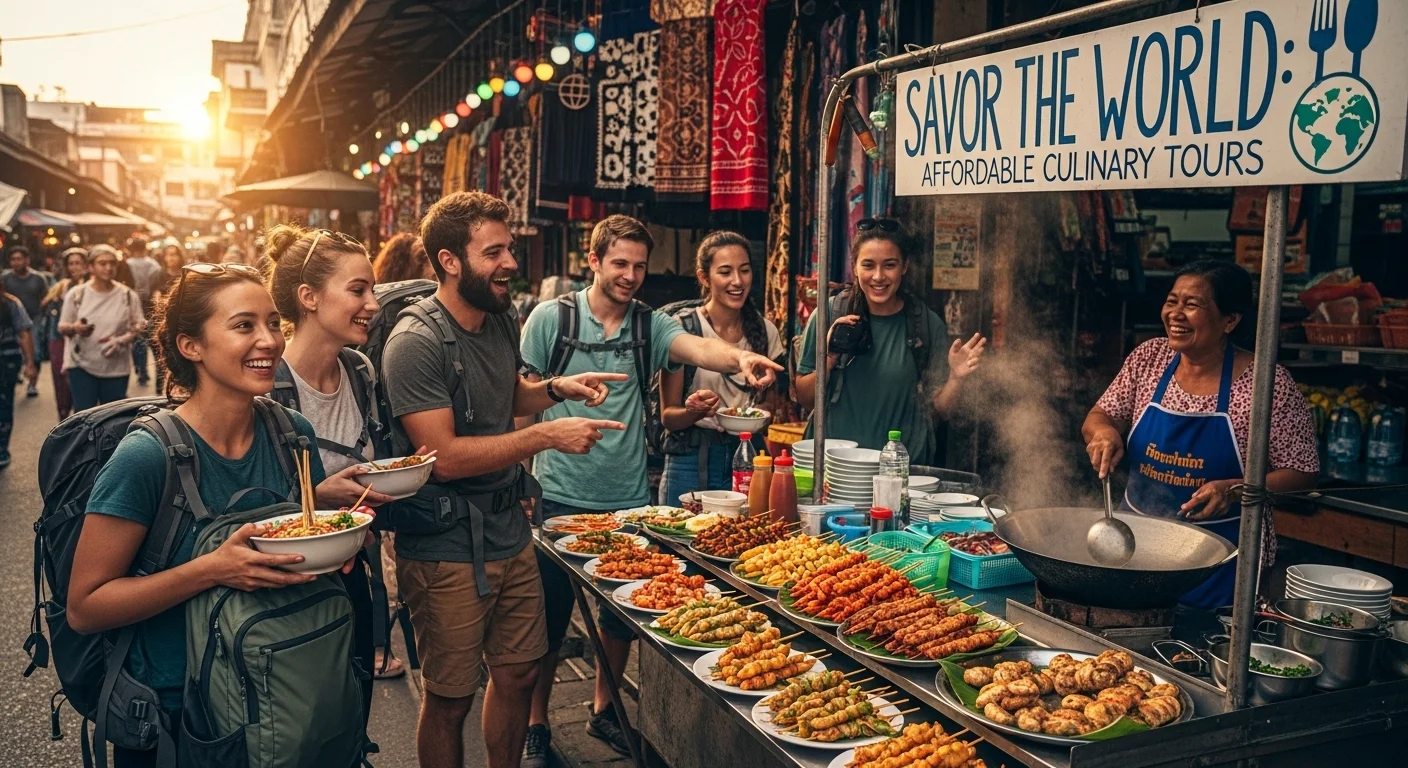
Culinary tours are immersive experiences that allow travelers to explore a destination’s food culture. These tours can range from guided street food tastings to hands-on cooking classes. They often include visits to local markets, street vendors, and restaurants, giving participants a chance to taste authentic dishes and learn about their origins. During my travels, I found that these tours aren’t just about eating; they’re about connecting with the local community and understanding their history through food. I vividly remember an evening in Thailand where I joined a street food tour. My guide, a local chef, shared stories behind each dish as we savored the flavors of the night.
Benefits of Culinary Tours for Backpackers
For backpackers like us, culinary tours offer numerous benefits. First, they provide a great way to meet fellow travelers and locals. I’ve made some lasting friendships during these tours, bonding over shared meals and laughter. Second, they’re often budget-friendly. Many tours are designed specifically for travelers on a budget, allowing us to indulge in gourmet experiences without breaking the bank.
Another advantage is the knowledge we gain about local ingredients and preparation methods. I remember taking a cooking class in Italy where I learned the art of making pasta from scratch. It was an experience I cherished, and I can confidently recreate those recipes at home now. Plus, culinary tours often lead us to hidden gems—places we might not have discovered on our own. We’ve stumbled upon some of the best local eateries and markets this way, places where the food is not just a meal but a way of life. Read Interesting article: Uncovering Hidden Architectural Gems: Affordable Adventures
Types of Culinary Experiences
The beauty of culinary tours lies in their variety. There’s something for everyone, depending on what you want to explore. Street food tours are incredibly popular, especially in regions like Southeast Asia, where the bustling markets come alive with vibrant flavors and aromas. I often recall my time in Vietnam, where I munched on bánh mì from a tiny stall while chatting with locals. It was delicious and affordable!
If you’re into beverages, wine and cheese tastings in Europe can be a delightful experience. I once joined a small group in France that took us through vineyards, where we sampled exquisite wines paired with local cheeses. It felt like a scene from a movie, and I took away so much knowledge about wine pairings.
Cooking classes are another fantastic option, allowing us to dive deeper into the culinary arts. In Latin America, for instance, I learned how to prepare traditional dishes using local ingredients. It was both fun and educational, and I left with recipes and techniques that I still use today.
Don’t overlook food markets! They are often the heart of culinary experiences. I’ve spent hours wandering through markets in the Middle East, sampling spices, fresh produce, and street snacks. The atmosphere is electric, and the flavors are bold and unforgettable.
Overall, culinary tours can be a passport to authentic experiences. They allow us to connect with a place in a way that is both personal and delightful. Whether we’re savoring street food, sipping fine wine, or learning to cook from a local chef, these experiences enrich our travels and create lasting memories.
Top Affordable Culinary Destinations for Backpackers
Street Food Tours in Southeast Asia
Southeast Asia is the ultimate playground for street food lovers, and I personally can’t recommend it enough. Countries like Thailand, Vietnam, and Indonesia offer a dazzling array of flavors at incredibly low prices. I remember my first street food tour in Bangkok. The vibrant streets were filled with the sizzling sounds of woks and the irresistible aroma of grilled meats. I dove into bowls of steaming pho and munched on skewers of satay, all while chatting with vendors who were eager to share their stories about the dishes they were serving. For backpackers, this is the perfect way to experience authentic local cuisine without straining your wallet.
In Vietnam, I had a similar experience in Ho Chi Minh City, where a local guide led us through narrow alleys to find the best bánh mì. Each bite was a burst of flavors, and I couldn’t believe how affordable everything was! I’ve seen street food tours range from $10 to $30, making them accessible for us budget travelers. Plus, the camaraderie with fellow food enthusiasts on these tours adds an unforgettable layer to the experience.
Wine and Cheese Tasting in Europe
Europe is renowned for its exquisite wine and cheese, and I found that affordable tastings can be discovered in many regions. In France, for instance, we stumbled upon a charming vineyard during a walking tour in Bordeaux. The owner, an amiable local, shared his passion for winemaking while guiding us through tastings that were surprisingly budget-friendly. I remember savoring a rich red wine paired with a delicate cheese, and it felt like I was experiencing some of the finest things in life—all without breaking the bank.
I also explored Tuscany’s rolling hills and joined a group that offered a wine and cheese tasting experience at a modest price. We learned about the different varieties, and the local cheeses complemented the wines perfectly. I’ve found that many places offer affordable tastings, especially if you look for tours that include both food and transport. It’s a wonderful way to indulge in Europe’s culinary delights without overspending.
Cooking Classes in Latin America
Latin America is another treasure trove of culinary experiences, and cooking classes here can be both fun and economical. I took a class in Mexico City where a local chef guided us through making fresh tortillas and quintessential dishes like mole. The hands-on experience was exhilarating! It was fascinating to learn about the history and culture behind each ingredient as we prepared our meals. For me, that class was more than just cooking; it was a deep dive into the heart of Mexican culture.
In Peru, I had the chance to join a culinary workshop that focused on ceviche. We explored local markets to pick fresh fish and ingredients, then went back to the kitchen to whip up a dish that was truly a labor of love. The cost of these classes is generally quite reasonable, often ranging from $30 to $75 depending on the region and the duration. The best part? You leave not just with recipes, but with a real understanding of how to recreate those dishes at home.
Food Markets in the Middle East
The Middle East is a vibrant tapestry of flavors, and food markets are the soul of this culinary scene. I’ve spent countless hours wandering through markets in places like Istanbul and Marrakech, where the sights and smells are utterly intoxicating. These bustling markets are filled with fresh spices, fruits, and street food vendors offering everything from shawarma to baklava. I remember sampling a variety of dips and breads, each bite telling a story and bursting with flavor.
Visiting local markets is a budget-friendly way to experience authentic cuisine. I would often grab a falafel wrap for a couple of dollars or indulge in a plate of hummus and pita while chatting with locals. It’s incredible how much you can learn about a culture just by exploring its food market. The prices are typically very reasonable, allowing us to taste our way through a city without worrying about costs. And let’s be honest, who doesn’t love trying a little of everything?
Traveling through these affordable culinary destinations has not only satisfied my cravings but has also enriched my understanding of different cultures. Each destination offers unique flavors and experiences that resonate on a personal level. I believe that food is one of the best ways to connect with the world and the people in it. Read Interesting article: Affordable Backpacking Adventures to Cultural Heritage Monuments
How to Choose the Right Culinary Tour
Consider Your Budget
When planning for a culinary tour, the first thing I always do is consider my budget. I know how important it is to get the most bang for my buck, especially as a backpacker. Culinary experiences can vary significantly in price, and I’ve learned that there are options for every budget. Some tours might cost upwards of $100, while others can be as low as $20 or $30. I usually try to set a maximum amount I’m comfortable spending, which helps narrow down my choices. Don’t forget to factor in additional costs like transportation or tips for guides, as these can add up quickly. I’ve found that many culinary tours offer great value for money, but being clear about my budget upfront makes it easier to enjoy the experience without financial worries.
Research Local Cuisine
I’ve discovered that understanding the local cuisine is crucial to choosing the right culinary tour. Each region has its unique flavors and cooking techniques, and diving deeper into them can enhance your experience. Before I travel, I usually spend some time researching the dishes that are popular in the area. For instance, before heading to Thailand, I learned about the significance of curries and how they vary from region to region. This knowledge not only helps me appreciate the food more but also allows me to engage with local chefs and vendors when I’m on the tour. A little bit of research can go a long way in making the experience more meaningful and enjoyable.
Read Reviews and Recommendations
In today’s digital age, reading reviews has become my go-to strategy for finding the best culinary tours. I often check travel forums, social media groups, and websites like TripAdvisor or Yelp to see what others have said about various tours. I remember planning a trip to Barcelona and was torn between two cooking classes. After reading several reviews, I decided on one with great feedback about the instructor’s knowledge and the quality of the ingredients used. Reviews can provide insights into what to expect and help you avoid any potential disappointments. I also recommend asking fellow travelers for their recommendations, as they often have firsthand experiences that can guide your decision.
Group Size and Personal Attention
Group size is another important factor for me when choosing a culinary tour. I prefer smaller groups, as they typically allow for more interaction with the guide and a more personalized experience. During a cooking class in Italy, I participated in a group of only six people. This setup made it easy to ask questions and engage with the chef as we learned to make risotto. In contrast, I’ve been on larger tours where it was challenging to hear the guide or get individual attention. If you value a more intimate setting, I recommend looking for tours that advertise smaller group sizes. It can truly make a difference in the overall experience.
Must-Try Dishes Around the World
Asia: Noodles and Dumplings
When I think of Asia, noodles and dumplings immediately come to mind. I’ve indulged in countless bowls of ramen in Japan, each one more delicious than the last. The first time I slurped up a steaming bowl of tonkotsu ramen, I was blown away by the depth of flavor in the broth. The handmade noodles paired with tender pork belly made it an unforgettable meal. In China, I’ve had the pleasure of tasting dumplings made fresh right in front of me. I remember wandering through a bustling market in Shanghai, watching a local chef expertly fold and steam dumplings. The moment I bit into one, the burst of juicy filling was a revelation! These dishes are not just food; they reflect the rich culinary heritage of their regions.
Europe: Paella and Gelato
Europe offers a culinary journey like no other, and two dishes that stand out for me are paella from Spain and gelato from Italy. I’ll never forget my time in Valencia, where I enjoyed a vibrant plate of paella by the beach. The combination of saffron rice, fresh seafood, and vegetables was a feast for both the eyes and the palate. I felt like I was experiencing a piece of Spanish culture with every bite. On the other hand, gelato in Italy is a must-try. I remember standing in front of a gelateria in Florence, overwhelmed by the array of flavors. I finally settled on pistachio, and it was creamy and rich, far superior to any ice cream I had ever tasted. Each scoop felt like a little piece of heaven!
Latin America: Tacos and Empanadas
In Latin America, tacos and empanadas are two dishes that have captured my heart. I’ve tasted tacos al pastor in Mexico City that were bursting with flavor, thanks to the marinated pork and fresh toppings. There’s something special about enjoying them from a street vendor, where the atmosphere is lively and the food is made with love. Then there are empanadas, which I’ve sampled in Argentina. Each empanada, stuffed with various fillings like beef, cheese, or vegetables, is a delightful treat. I remember sitting in a small café, savoring one with a crispy crust while chatting with locals. These dishes are not just meals; they’re a way to connect with the culture and the people.
Africa: Tagine and Jollof Rice
Africa is rich with diverse flavors, and two dishes I can’t recommend enough are tagine from Morocco and jollof rice from West Africa. I had the opportunity to enjoy a traditional tagine while exploring Marrakech, and the combination of spices, tender meat, and vegetables cooked slowly in a clay pot is utterly comforting. The dish embodies the essence of Moroccan cuisine. Then there’s jollof rice, which I discovered during my travels in Nigeria and Ghana. The vibrant, spicy rice dish often served with chicken or fish has a way of bringing people together. I remember sharing a huge platter with friends, laughing and enjoying the communal experience of eating. These dishes tell stories of heritage and tradition, making them a must-try on any culinary journey.
Tips for Budgeting Your Culinary Tour
Finding Affordable Accommodations
When planning a culinary adventure, I always look for budget-friendly accommodations. I’ve discovered that staying in hostels or guesthouses can not only save money but also provide a chance to meet other travelers. I remember one time in Bangkok, I found a cozy hostel that offered free breakfast and was just a short walk from the bustling street food scene. This meant I could save on meals and dive straight into the culinary delights of the city. Websites like Hostelworld and Airbnb can be great for finding affordable options. Additionally, I recommend booking in advance, especially during peak travel seasons, to secure the best deals.
Using Public Transportation
Public transportation is a lifesaver when traveling on a budget! I always opt for buses or trains to get around instead of taxis or rideshares. It not only saves money but also gives me a chance to experience local life. For example, in Barcelona, I took the metro to a culinary tour that was a bit outside the city center. It was efficient, inexpensive, and I even met some locals who offered tips on where to eat. I’ve learned that many cities have affordable transport passes that allow unlimited travel for a set period, making it even easier to explore.
Eating Like a Local
One of my favorite strategies is to eat like a local. I often seek out small, family-run eateries or food stalls rather than touristy restaurants. These places not only offer authentic flavors but often come with a lower price tag. I remember in Lima, I found a small cevicheria where the locals gathered for lunch. The ceviche was fresh, and the owner was more than happy to share the story behind the dish. Eating where the locals go truly enhances the experience and keeps my budget intact.
Discounts and Deals on Tours
Before booking any culinary tour, I always look for discounts or deals. Websites like Groupon or local travel forums often have promotions for various experiences. I’ve scored some amazing deals, like a half-price cooking class in Florence that included a market tour and a full meal. Additionally, don’t hesitate to ask tour guides if they offer any group discounts or off-peak rates. Sometimes, just being a friendly traveler can lead to unexpected savings!
Safety Considerations While Traveling for Food
Researching Local Health Standards
When it comes to food, safety is crucial. I always make it a point to research local health standards before indulging in street food or unfamiliar cuisines. For instance, in countries where food safety practices vary, I’ve learned to pay attention to how food is prepared and served. If a vendor has a long line of locals, it’s usually a good sign! I’ve found that asking locals for recommendations can also save me from any unpleasant experiences.
Understanding Food Allergies and Restrictions
As someone with a few food sensitivities, I always carry a card with my allergies written in the local language. This little tip has saved me from some potentially tricky situations. I remember trying to order in Thailand and pointing to my card helped avoid any misunderstandings. It’s essential to communicate clearly when sampling new dishes, so knowing a few basic phrases or having a translation app can go a long way in ensuring a safe dining experience.
Staying Hydrated and Healthy
Staying hydrated is vital, especially while indulging in rich foods. I always carry a refillable water bottle with me. In many countries, you can find clean water sources, and it saves money. I remember feeling sluggish after a few days of travel and realized I wasn’t drinking enough water amidst all the delicious food! Also, balancing indulgent meals with lighter options like salads or fruits helps me feel my best during the trip.
How to Document Your Culinary Journey
Photography Tips for Foodies
As a food lover, I love capturing the essence of each dish I try. I’ve learned that natural light makes a significant difference, so I try to snap photos near windows or outdoors. I usually take a few shots from different angles to find the one that showcases the dish best. I remember taking a picture of a vibrant paella in Spain, and the colors just popped! It’s not just about the food, but also about the atmosphere around it, so I try to include elements of the setting in my photos.
Keeping a Travel Food Journal
Keeping a travel food journal is another favorite of mine. After each meal or culinary experience, I jot down my thoughts, flavors, and any interesting stories behind the dishes. This practice has helped me remember my experiences better and has become a cherished keepsake. I often look back and relive those moments, and it inspires my cooking at home. Plus, it’s a great way to share recommendations with friends when they ask about my travels!
Sharing Your Experience on Social Media
Social media is an amazing platform for sharing my culinary journey. I’ve found that posting about my experiences not only lets me relive them but also connects me with fellow food enthusiasts. I often use hashtags related to the places I visit and dishes I try to engage with a broader community. It’s heartwarming to see how food can bring people together, even if they are miles apart.
Final Thoughts
Traveling through culinary experiences has been one of the most enriching parts of my adventures. Each dish tells a story, every market has its unique atmosphere, and each cooking class offers a glimpse into the heart of a culture. I’ve learned that food is not just about sustenance; it’s a gateway to understanding the world. Embracing these flavorful adventures has made my travels unforgettable, and I encourage everyone to dive into the culinary delights of their journeys. Trust me; the memories you create around food will last a lifetime.
Frequently Asked Questions
What are culinary tours?
Culinary tours are immersive experiences that allow travelers to explore a destination’s food culture. They include guided street food tastings, hands-on cooking classes, and visits to local markets, street vendors, and restaurants, providing a chance to taste authentic dishes and learn about their origins.
What benefits do culinary tours offer backpackers?
Culinary tours offer backpackers the opportunity to meet fellow travelers and locals, provide budget-friendly experiences, enhance knowledge about local ingredients and preparation methods, and lead to the discovery of hidden gems in the food scene.
What types of culinary experiences can travelers expect?
Travelers can expect a variety of culinary experiences, including street food tours, wine and cheese tastings, cooking classes, and visits to food markets. Each type offers a unique way to connect with local cuisine and culture.
What are some affordable culinary destinations for backpackers?
Some affordable culinary destinations for backpackers include Southeast Asia for street food tours, Europe for wine and cheese tastings, Latin America for cooking classes, and the Middle East for exploring vibrant food markets.
How should one choose the right culinary tour?
To choose the right culinary tour, consider your budget, research local cuisine, read reviews and recommendations, and take into account the group size for a more personalized experience.
What must-try dishes are recommended around the world?
Must-try dishes around the world include noodles and dumplings in Asia, paella and gelato in Europe, tacos and empanadas in Latin America, and tagine and jollof rice in Africa. Each dish reflects the rich culinary heritage of its region.
What tips are there for budgeting a culinary tour?
Tips for budgeting a culinary tour include finding affordable accommodations, using public transportation, eating like a local, and looking for discounts or deals on tours to secure the best prices.
What safety considerations should travelers keep in mind while enjoying food?
Travelers should research local health standards, understand food allergies and restrictions, and stay hydrated while indulging in rich foods to ensure a safe dining experience.
How can travelers document their culinary journey?
Travelers can document their culinary journey by taking food photography, keeping a travel food journal to note their experiences, and sharing their culinary adventures on social media to connect with others.
What is the overall importance of culinary experiences in travel?
Culinary experiences are crucial in travel as they provide insights into the local culture, create lasting memories, and enhance the overall travel experience through the enjoyment of food.