
Embarking on a culinary adventure can transform your travel experience. Exploring the world’s gastronomic cities not only tantalizes your taste buds but also immerses you in diverse cultures through their food. Read Interesting article: Discover Local Flavors: A Solo Traveler’s Guide to Food
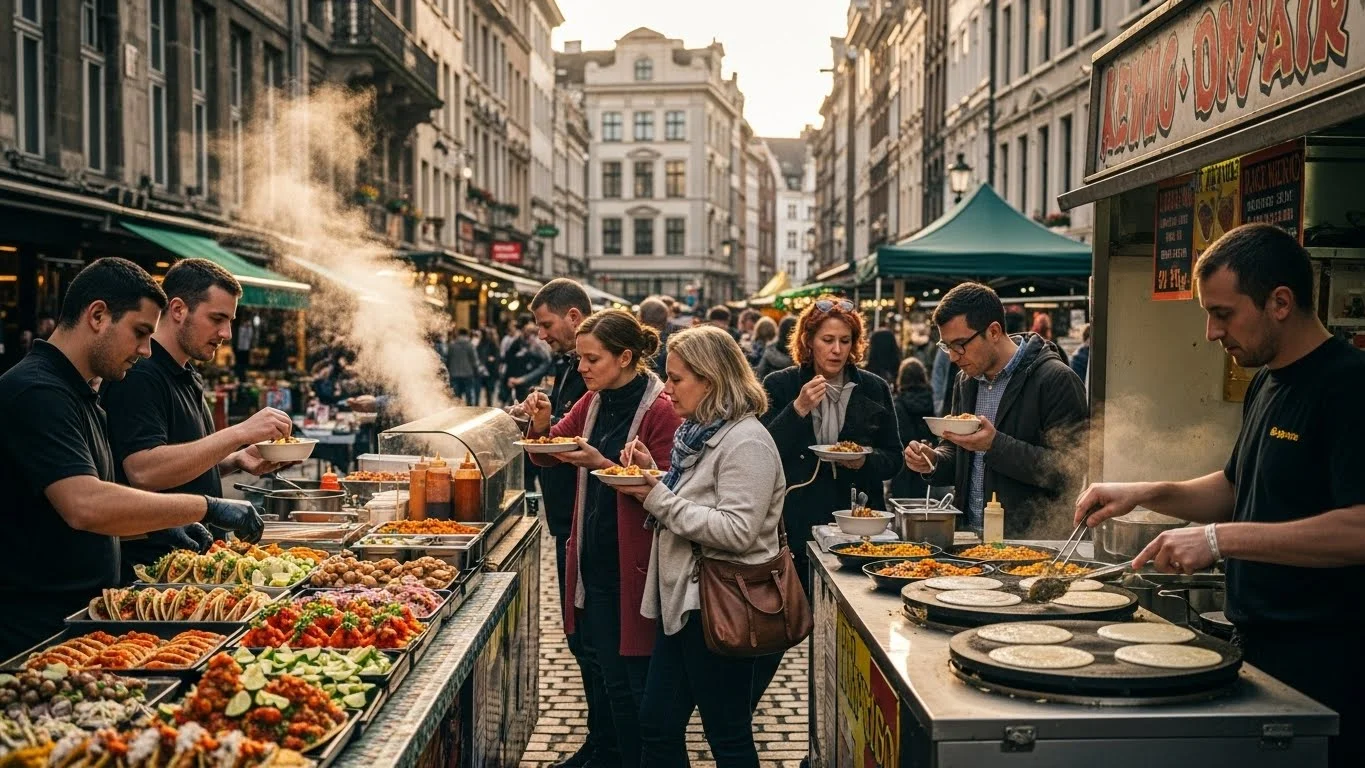
Overview of Gastronomic Cities
What Defines a Gastronomic City?
When I think about a gastronomic city, I often envision places bustling with vibrant markets, tantalizing aromas wafting through the streets, and a rich tapestry of culinary traditions. A gastronomic city is more than just a location; it’s a hub where food takes center stage. These cities excel in diversifying their cuisine, blending flavors, and showcasing local ingredients. They offer a unique atmosphere where food enthusiasts can indulge in everything from street food to fine dining, making every meal an adventure.
In my travels, I’ve come to realize that what truly defines a gastronomic city is the passion of its chefs, the stories behind the dishes, and the community that surrounds food. For example, in Tokyo, you can experience meticulously crafted sushi that tells the story of its ingredients, while in Paris, artisanal pastries reflect centuries of culinary artistry. Each dish serves as a bridge connecting us to the culture, history, and people of that place.
Importance of Culinary Tourism
Culinary tourism has become a significant aspect of travel, and for a good reason. I’ve learned that exploring a city through its food allows us to connect on a deeper level with its culture. When we sample local delicacies, we not only satisfy our appetites but also gain insight into the traditions and customs of the people. Culinary tourism encourages sustainable practices, as it often promotes local farms, markets, and artisans. This way, we support the economy and contribute to preserving culinary heritage.
Many travelers, including myself, plan trips around food festivals, cooking classes, and food tours. I remember my visit to Barcelona, where I joined a cooking class that taught me to prepare traditional paella. The experience was not just about the dish; it was about bonding with locals and understanding the significance of sharing meals in their culture. This kind of engagement transforms a simple trip into a memorable, enriching experience. Read Interesting article: Ultimate Guide to Cheap Food Festivals Globally
Top Gastronomic Cities Around the World
Tokyo, Japan
Culinary Highlights
Tokyo stands as a culinary giant, renowned for its incredible range of dining options. I was amazed by the city’s blend of traditional and modern cuisine. From sushi to ramen, each dish showcases meticulous preparation and a deep respect for ingredients. The attention to detail I witnessed in everything from the freshest sashimi to the perfectly cooked noodles was inspiring. It’s no wonder Tokyo boasts more Michelin stars than any other city!
Must-Visit Restaurants
During my time in Tokyo, I made it a point to visit a few top-notch restaurants. Sukiyabashi Jiro, famously featured in the documentary “Jiro Dreams of Sushi,” left me in awe of its sushi artistry. Another memorable experience was dining at a local izakaya, where I enjoyed various small dishes that encouraged a communal and relaxed dining atmosphere. Whether you seek high-end dining or cozy local spots, Tokyo has something for everyone.
Street Food Culture
The street food scene in Tokyo is vibrant and diverse. I found myself wandering through markets like Tsukiji, where I savored fresh seafood and grilled skewers. The thrill of trying different bites from street vendors, like takoyaki (octopus balls) and yakitori (grilled chicken skewers), made my visit unforgettable. It’s a culinary journey that allows you to taste the essence of the city.
Barcelona, Spain
Culinary Highlights
Barcelona is a city where culinary artistry meets vibrant culture. I was enchanted by the Catalan cuisine, which is characterized by fresh ingredients and bold flavors. From seafood paella to rich, savory tapas, every meal felt like a celebration. I remember enjoying my first plate of patatas bravas — crispy potatoes topped with a spicy sauce — and I couldn’t get enough!
Must-Visit Restaurants
While in Barcelona, I discovered several must-visit restaurants. Tickets, run by the famous Adrià brothers, offered an innovative take on tapas that was both playful and delicious. I highly recommend making a reservation at this hotspot. Another favorite was Cal Pep, a lively tapas bar where I experienced the communal joy of sharing dishes with friends.
Tapas and Local Markets
Exploring local markets like La Boqueria was a highlight of my trip. The bustling atmosphere, colorful stalls, and the aroma of local produce brought joy to my senses. Tasting fresh fruits, cured meats, and artisan cheeses truly showcased the flavors of Catalonia. I spent hours wandering through the aisles, picking up small bites and trying new flavors.
Paris, France
Culinary Highlights
Ah, Paris! A city that feels like a dream for food lovers. The French take their cuisine very seriously, and I found that every meal had an air of elegance and artistry. From buttery croissants to exquisite coq au vin, the flavors of Paris are unforgettable. I remember sitting at a quaint café, sipping coffee and enjoying a fresh pastry while watching the world go by — pure bliss!
Must-Visit Restaurants
When in Paris, I made sure to visit Le Meurice, known for its luxurious dining experience. The attention to detail and the creativity behind each dish were impressive. I also enjoyed a casual meal at a bistro in Montmartre, where the atmosphere was warm and inviting. The joy of sharing a meal with friends in such a beautiful setting is something I’ll always cherish.
French Pastry and Boulangeries
No trip to Paris would be complete without indulging in its pastries. I discovered charming boulangeries that offered the flakiest croissants and the most decadent éclairs. Each morning, I’d set out to find a new bakery, eager to taste whatever delightful creations awaited me. The experience of savoring these treats while strolling along the Seine is one I’ll forever treasure.
Top Gastronomic Cities Around the World
Bangkok, Thailand
Culinary Highlights
Bangkok is a food lover’s paradise, bursting with flavors and aromas that can sweep you off your feet. I remember stepping into the bustling streets of this vibrant city, where the air was thick with the scent of spices and grilled meats. Thai cuisine is known for its balance of sweet, sour, salty, and spicy, and I found this harmony in every dish. Whether it was fragrant curries, fresh salads bursting with herbs, or the iconic pad Thai, each bite feels like a celebration of flavors. The bustling street food scene truly embodies the essence of Thai culinary culture, and it’s hard to resist the temptation to try everything!
Must-Visit Restaurants
During my time in Bangkok, I made it a priority to visit some of the city’s renowned eateries. Jay Fai, a street food stall awarded a Michelin star, blew my mind with its fiery wok dishes. Watching her cook with such passion and expertise was an experience in itself. Another favorite was Nahm, which offered a sophisticated take on traditional recipes. Dining there felt like a journey through Thailand’s culinary history, each dish telling a story of its roots. I truly believe that the variety of dining options in Bangkok makes it a must-visit for any food enthusiast.
Floating Markets and Street Vendors
No trip to Bangkok would be complete without experiencing the famous floating markets. I vividly recall my visit to Damnoen Saduak, where vendors sell everything from tropical fruits to savory snacks right from their boats. The vibrant colors and lively atmosphere made for a unique shopping and tasting experience. I tried coconut pancakes and mango sticky rice while floating down the canals, and it was a moment I’ll cherish forever. The street vendors also deserve a mention; they serve some of the best food I’ve ever tasted. Grabbing a bowl of tom yum soup from a street cart while sitting on a nearby stool was one of my favorite dining experiences in the city.
Mexico City, Mexico
Culinary Highlights
Mexico City has a culinary scene that is as rich and vibrant as its history. From the moment I arrived, I was captivated by the aromas of street tacos, sizzling meats, and rich mole sauces. Mexican cuisine is a blend of indigenous ingredients and Spanish influences, creating a unique tapestry of flavors. I remember indulging in tacos al pastor, with marinated pork cooked on a vertical spit, and each bite was a delightful explosion of flavor. The freshness of the ingredients is what truly sets Mexican dishes apart, and I found myself craving the vibrant salsas and fresh herbs.
Must-Visit Restaurants
While in Mexico City, I sought out both traditional and contemporary dining experiences. Pujol, known for its modern take on Mexican cuisine, was a highlight of my trip. The tasting menu was an artful representation of local flavors. I also enjoyed a meal at El Cardenal, where the breakfast spread of chilaquiles and fresh pastries was a feast for the senses. Each restaurant offered a glimpse into the country’s rich culinary heritage, and I left each one with a full belly and a happy heart.
Traditional Street Foods
The street food scene in Mexico City is unmatched, and I made it my mission to try as many dishes as possible. From tamales and elote (grilled corn) to quesadillas filled with cheese and mushrooms, there’s something for everyone. I fondly recall standing in line at a popular stall for churros, which were crispy on the outside and soft on the inside, drizzled with chocolate. Exploring the streets and sampling these delicious offerings made me fall in love with the city’s culinary spirit.
New Orleans, USA
Culinary Highlights
New Orleans is not just a city; it’s a cultural melting pot, and this diversity is beautifully reflected in its cuisine. I felt the vibrant rhythms of jazz in the air as I dove into classic dishes like gumbo and jambalaya. The blend of Creole and Cajun flavors creates a unique dining experience that I truly savored. The use of spices, seafood, and local produce made every meal feel like a celebration of the city’s heritage. I remember enjoying a bowl of rich gumbo, filled with shrimp, sausage, and okra, which warmed my soul on a chilly evening.
Must-Visit Restaurants
While exploring New Orleans, I couldn’t resist visiting some iconic restaurants. Commander’s Palace, with its elegant atmosphere and classic dishes, was a highlight of my trip. The turtle soup was a must-try, and I can still taste the rich flavors. I also fondly recall my meal at Café du Monde, where I indulged in beignets covered in powdered sugar while sipping on café au lait. The experience of enjoying these treats while watching the hustle and bustle of the French Quarter is something I’ll never forget.
Cajun and Creole Cuisine
The heart of New Orleans cuisine lies in its Cajun and Creole influences. I took a food tour that introduced me to the history behind these culinary traditions, and it was fascinating. I learned about the importance of local ingredients and how cooking styles have evolved over the years. Sampling dishes like crawfish étouffée and blackened fish made me appreciate the depth of flavor and heritage in each bite. The warmth and hospitality found in New Orleans are reflected in the food, making it a must-visit for any culinary traveler.
When to Visit Gastronomic Cities
Seasonal Festivals and Events
One of the most exciting aspects of visiting a gastronomic city is timing your trip to coincide with local food festivals and events. I’ve experienced firsthand how these occasions can elevate a culinary adventure. For instance, my visit to Tokyo during the Cherry Blossom Festival was magical. Not only did I get to enjoy the breathtaking blooms, but I also indulged in seasonal dishes that celebrated this time of year, like sakura mochi — a delightful rice cake wrapped in cherry leaves. It was a perfect blend of nature and culinary tradition.
In Barcelona, I was fortunate enough to be in town for the Mercat de Mercats, a festival that showcases the best of Catalonia’s gastronomy. I savored local wines and artisanal cheeses, and I loved watching chefs demonstrate traditional cooking techniques. These experiences made me feel more connected to the culture and offered a deeper appreciation for the food I was tasting. I recommend checking the local calendars for food festivals or seasonal events when planning your trip. You never know what delicious surprises await! Read Interesting article: Gourmet Dining on a Budget: Wine and Dine Adventures Await
Climate Considerations
Climate can play a significant role in your culinary journey, affecting not just what you eat, but also how enjoyable your overall experience will be. For example, I found that visiting Mexico City during the dry season, from November to April, allowed me to explore the vibrant street food scene without worrying about rain. I remember enjoying tacos al pastor on a sunny afternoon, surrounded by the energy of the city. The pleasant weather made it even more enjoyable to wander the streets and try different foods.
In contrast, I found that summer in Bangkok can be quite hot and humid, which sometimes makes outdoor dining a challenge. However, this also means that the markets are bustling with activity, and you can find refreshing dishes like mango sticky rice or chilled salads that help you cool off. It’s a balancing act! I believe that understanding the climate of your destination can guide you in choosing the best time to visit and help you make the most of your culinary adventures.
Where to Stay in Gastronomic Cities
Recommended Neighborhoods
Finding the right place to stay can greatly enhance your culinary journey. Over the years, I’ve discovered that staying in neighborhoods known for their food scene can offer a more immersive experience. In Tokyo, for instance, I chose to stay in the Shinjuku area, which is famous for its izakayas and incredible ramen shops. Each evening, I would step out and explore the bustling streets filled with enticing food options. The convenience of being so close to the food made my trip even more enjoyable.
In Barcelona, I opted for a stay in the El Born district, known for its vibrant tapas bars and local markets. This neighborhood allowed me to stroll through narrow streets filled with culinary delights, and I often found myself stopping for a bite to eat at one of the charming cafés or local eateries. I felt like I was living like a local, and it truly added to my overall experience.
Accommodations for Foodies
When it comes to accommodations, I’ve learned that choosing places that cater to food lovers can elevate your experience. Look for hotels or guesthouses that offer cooking classes, food tours, or have their own restaurants featuring local cuisine. For example, in New Orleans, I stayed at a quaint boutique hotel that offered a complimentary breakfast featuring local dishes like beignets. It was a delightful way to start my day!
Additionally, some hotels have partnerships with local chefs, providing exclusive dining experiences for guests. I remember staying at a hotel in Bangkok that organized a private dinner with a renowned chef, where we learned about traditional Thai cooking techniques. It was a unique opportunity that blended food, culture, and unforgettable memories. When booking your accommodations, don’t hesitate to ask about culinary experiences — it might just lead to a meal you’ll never forget!
Local Food and Drink Experiences
Signature Dishes to Try
Every gastronomic city has its signature dishes that tell a story about the local culture and traditions. During my travels, I made it a point to seek out these iconic meals. In Mexico City, for example, I couldn’t resist trying the mole poblano, a rich sauce made from chocolate and spices, served over chicken. The complexity of flavors was astounding, and each bite felt like a celebration of Mexican heritage. I’ve found that seeking out local specialties adds depth to your culinary exploration.
In Paris, I was eager to indulge in coq au vin, a classic French dish of chicken braised in red wine. I remember enjoying it at a charming bistro, where the atmosphere was warm and inviting. Sharing this meal with friends while savoring the robust flavors made it even more special. I recommend always asking locals or your server for their favorite dishes — it’s a great way to uncover hidden culinary gems.
Beverages and Local Drinks
In addition to food, the beverages in each city can greatly enhance your experience. When I was in Barcelona, I discovered the joy of sipping on local wines from the Catalonia region. The rich flavors complemented the tapas beautifully, and I appreciated how the wine culture was an integral part of the dining experience. I also recommend trying a glass of vermouth, which is quite popular in the city. It’s a delightful aperitif that I found myself enjoying on sun-soaked terraces.
In New Orleans, I couldn’t resist trying a classic Sazerac cocktail — a mix of rye whiskey, absinthe, and bitters. Enjoying this drink while listening to live jazz was a memory I’ll always cherish. Each city has its own unique beverages that reflect its culture, so be open to trying new things. From local beers to artisanal cocktails, they can add a refreshing twist to your culinary journey!
Frequently Asked Questions
What defines a gastronomic city?
A gastronomic city is a hub where food takes center stage, showcasing diverse cuisines, blending flavors, and highlighting local ingredients. It offers an atmosphere for food enthusiasts to indulge in various dining experiences from street food to fine dining.
Why is culinary tourism important?
Culinary tourism allows travelers to connect with a city’s culture through its food, gaining insights into local traditions and customs. It supports sustainable practices by promoting local farms, markets, and artisans, contributing to the preservation of culinary heritage.
What are some culinary highlights of Tokyo?
Tokyo is renowned for its incredible range of dining options, blending traditional and modern cuisine. Notable dishes include meticulously crafted sushi and ramen, with the city holding more Michelin stars than any other place in the world.
What must-visit restaurants are recommended in Barcelona?
In Barcelona, must-visit restaurants include Tickets, known for its innovative tapas, and Cal Pep, a lively tapas bar that emphasizes communal dining. Making reservations is recommended for popular spots like Tickets.
What makes New Orleans cuisine unique?
New Orleans cuisine is a cultural melting pot, blending Creole and Cajun flavors. Dishes like gumbo and jambalaya reflect this diversity, and the use of local ingredients and spices makes every meal a celebration of the city’s heritage.
What local experiences are recommended when visiting Bangkok?
In Bangkok, experiencing the street food scene and visiting floating markets are must-dos. Trying dishes like pad Thai and coconut pancakes from street vendors provides an authentic taste of Thai culinary culture.
When is the best time to visit gastronomic cities?
The best time to visit gastronomic cities often coincides with local food festivals and seasonal events. Checking local calendars can enhance your culinary adventure and allow you to experience unique dishes that celebrate the local culture.
What accommodations are recommended for food lovers?
Food lovers should consider staying in neighborhoods known for their culinary scenes. Look for hotels or guesthouses that offer cooking classes, food tours, or feature local cuisine in their dining options for a more immersive experience.
What signature dishes should travelers try in Mexico City?
Travelers in Mexico City should try signature dishes like tacos al pastor and mole poblano, which showcase the rich blend of indigenous ingredients and Spanish influences in Mexican cuisine.
What beverages are recommended to try in Paris?
In Paris, visitors should indulge in local beverages such as French wines and classic drinks like coffee and pastries at cafés. Exploring local wines from the region enhances the dining experience and reflects the city’s culture.