
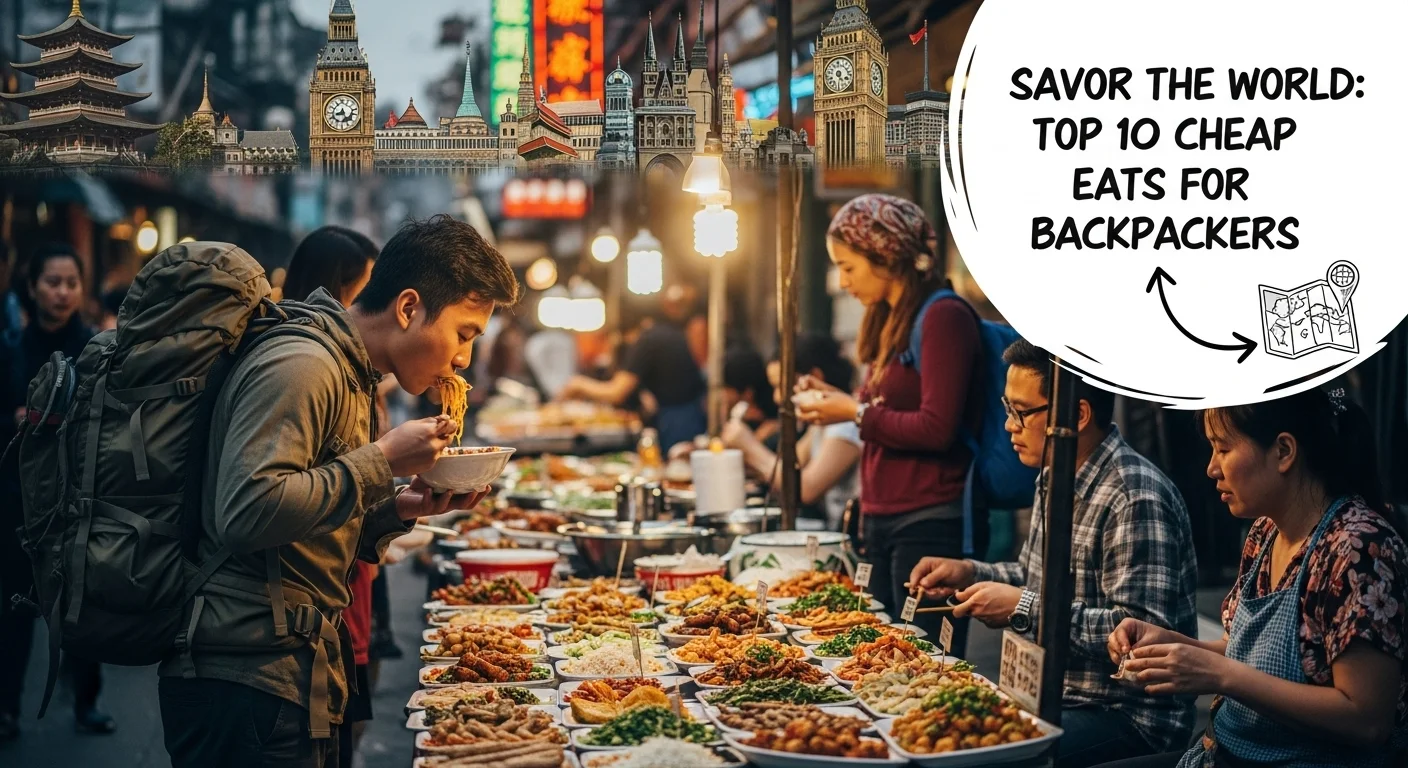
Backpacking opens doors to incredible experiences, especially when it comes to food. Let’s dive into the world of cheap eats that keep our bellies full and wallets happy while exploring new cultures. Read Interesting article: Affordable Local Eats: Backpacking Food Guide
Understanding Backpacker Cuisine
The Importance of Affordable Food Options
As a backpacker, I’ve learned that food can be one of the biggest expenses when traveling. I remember my first trip abroad, where I quickly discovered that eating out three times a day could drain my budget faster than I anticipated. This realization pushed me to seek affordable food options that didn’t compromise on taste or authenticity. In my experience, finding cheap eats allows us to enjoy local flavors, meet fellow travelers, and immerse ourselves in the culture without breaking the bank. Plus, it’s a great way to stretch our travel funds further, so we can explore more places and experiences. Savvy Tips for Eating Cheap While Traveling on a Budget can help you make the most of your meals.
Local vs. Tourist Food: What’s the Difference?
One of the most significant lessons I’ve learned is the difference between local and tourist food. When you’re in a new city, it’s tempting to dine at restaurants that cater to tourists, often located in prime spots. However, these places might serve overpriced and less authentic versions of local cuisine. I remember the first time I made this mistake in Paris, spending way too much on a mediocre croissant! Instead, I’ve found that venturing a few blocks away from the main attractions can lead to hidden gems where locals eat. These spots often offer the real deal at a fraction of the cost, and you’ll find the flavors are much more vibrant and true to the region. I think the best meals come from the heart of the community, not the tourist traps.
Top 10 Cheap Eats Around the World
1. Street Tacos in Mexico City
When I first tasted street tacos in Mexico City, it felt like a flavor explosion! The variety of fillings—carnitas, barbacoa, and al pastor—served simply on a corn tortilla with fresh cilantro and onion made for an unforgettable meal. I usually paid less than a dollar for each taco, and I could customize my toppings. Eating tacos while standing on the bustling street, surrounded by locals, really captured the essence of the city.
2. Pho in Hanoi, Vietnam
Nothing warmed my soul quite like a steaming bowl of pho in Hanoi. This traditional Vietnamese soup, made with broth, rice noodles, and meat (often beef or chicken), is delicious and incredibly affordable. I remember finding a little street vendor where a bowl cost me less than $2. The experience of slurping noodles while sitting on a tiny plastic stool surrounded by locals added to the charm. Plus, the aromatic herbs and spices used in the broth made every bite a new discovery.
3. Banh Mi in Ho Chi Minh City, Vietnam
If you’re in Vietnam, you can’t miss trying banh mi. This delightful sandwich combines French and Vietnamese influences, packed with a variety of meats, pickled vegetables, and fresh herbs all in a crispy baguette. I was surprised to find that I could grab one for just a dollar at street stalls. The first bite took me back to the bustling streets of Ho Chi Minh City, where the flavors danced on my palate.
4. Falafel in Jerusalem, Israel
Eating falafel in Jerusalem was one of the highlights of my travels. Street vendors serve these crispy chickpea balls in pita bread with fresh veggies and tahini sauce. For me, there’s nothing better than enjoying a warm falafel while wandering through the historic streets. The best part? I often spent around $5 for a filling meal that left me satisfied and happy!
5. Currywurst in Berlin, Germany
Berlin’s currywurst is a must-try for any backpacker. This iconic street food consists of a steamed and fried sausage, served with a tangy ketchup spiced with curry powder. I found it at food stalls all over the city for under 3 euros. Eating currywurst while exploring Berlin’s vibrant neighborhoods truly gave me a taste of the local culture, and the flavor was out of this world!
6. Dim Sum in Hong Kong
Dim sum in Hong Kong is a delightful experience that offers small plates of dumplings, buns, and other treats. I remember going to a bustling dim sum restaurant where I paid around $10 for an array of dishes. Sharing the meal with friends while sipping tea made it even more special. The best part? It’s an adventure to choose from the cart, and each bite is a surprise!
7. Arepas in Bogotá, Colombia
Arepas are a staple in Colombian cuisine, and they’re absolutely delicious! These cornmeal cakes can be filled with cheese, meat, or avocado. When I was in Bogotá, I found a local spot where I could get a stuffed arepa for just a couple of dollars. Each bite was warm and comforting, and it felt like a hug from the inside.
8. Ramen in Tokyo, Japan
Ramen in Tokyo is an experience I’ll never forget. I remember walking into a small ramen shop, where I was greeted by the friendly staff. A bowl of piping hot ramen, loaded with toppings, cost me around $8. The rich broth and chewy noodles were a perfect combination, and I savored every last drop. I could feel the passion for food in every bowl served.
9. Samosas in New Delhi, India
Samosas are a popular snack in India, and they are a perfect way to satisfy your hunger without spending much. I remember trying them from a street vendor in New Delhi, where I paid about 20 rupees for a crispy, fried pastry filled with spiced potatoes. The explosion of flavors made my taste buds dance, and I loved sharing them with fellow travelers.
10. Gelato in Florence, Italy
No trip to Italy would be complete without indulging in gelato, and Florence has some of the best! I discovered numerous gelaterias where a scoop cost around 2 euros, and I often treated myself to two or three flavors at once. Walking along the cobblestone streets with a cone in hand felt like pure bliss. Each scoop was a reminder of why I love traveling and experiencing new tastes.
Factors to Consider When Choosing Cheap Eats
Quality vs. Price: Finding the Right Balance
When I travel, one of the biggest challenges I face is balancing quality and price. I remember being in a market in Thailand, staring at a food stall with a long line of locals. The prices were incredibly low, but I hesitated, wondering if the food would be safe to eat. I’ve learned that sometimes, a lower price doesn’t mean lower quality. In many cases, the best meals come from places that locals frequent. I’ve often found that the longer the line, the better the food! I recommend always keeping an eye out for those hidden gems where you can enjoy tasty dishes without spending a fortune. The key is to trust your instincts and don’t overlook the value of a meal that seems too good to be true. For more on this topic, check out Essential Safety Measures for Budget Backpackers.
Safety and Hygiene: Eating Wisely on the Road
Safety is always a top priority for me when trying cheap eats. I’ve had my fair share of food scares while traveling, and let me tell you, it’s not fun! I remember once in India, I was so excited to try a local dish from a street vendor that I didn’t pay much attention to the cleanliness of the stall. Afterward, I ended up with a stomach bug that lasted days. Now, I always look for signs of hygiene before I eat. Fresh ingredients, clean utensils, and a busy stall usually signal that the food is safe. I also make sure to observe how the locals react to the food. If they’re happily digging in, that’s a good sign! Ultimately, it’s about using common sense while enjoying the local cuisine.
Dietary Restrictions: Options for Everyone
As a backpacker, I’ve met travelers with various dietary restrictions and preferences. Whether you’re vegetarian, vegan, or have allergies, finding cheap eats can require a little extra planning. I remember being in Italy and struggling to find vegetarian options. Thankfully, I discovered that many pasta and pizza places offer simple, yet delicious, vegetarian dishes at reasonable prices. I’ve found that asking locals for recommendations is incredibly helpful. They often know the best places that cater to different dietary needs. Furthermore, many countries have specific local dishes that cater to various diets, and it’s always fun to explore those options. Embracing local cuisine while respecting personal dietary choices can enhance our travel experience and allow us to enjoy every bite!
How to Find Cheap Eats on Your Travels
Using Local Food Apps and Websites
In this digital age, I’ve found that using food apps and websites can significantly enhance our quest for cheap eats. I remember downloading an app while I was in Bangkok that featured reviews and photos of local food spots. With just a few taps, I could see which vendors were popular and what dishes they were known for. This helped me discover an amazing noodle shop that was tucked away from the busy streets and offered bowls for less than a dollar! Apps like Yelp, Google Maps, and local food blogs can provide valuable insights into where to find delicious, affordable meals. I think utilizing technology while traveling can lead to memorable culinary discoveries.
Asking Locals for Recommendations
One of my favorite strategies for finding cheap eats is simply asking locals for their recommendations. I’ve had some of my best meals this way! I remember sitting in a café in Lisbon, chatting with the barista about my lunch plans. She recommended a small, family-run restaurant just around the corner that served the best bacalhau (codfish). I took her advice and was blown away by the flavors and the price—definitely a win-win! Locals often know where to go for authentic experiences, and I believe it’s a great way to connect with the culture. So, don’t hesitate to strike up a conversation; you might just find your next favorite meal!
Exploring Markets and Food Stalls
Markets and food stalls are treasure troves for cheap eats, and exploring them has become one of my favorite activities while traveling. I remember wandering through a vibrant night market in Chiang Mai, Thailand, where the aromas of grilled meats, fresh fruits, and spicy sauces filled the air. Sampling small bites from different stalls allowed me to experience a variety of flavors without spending much. Plus, the atmosphere was electric, with locals and tourists mingling while enjoying their meals. I recommend setting aside some time to explore local markets; you’ll often find dishes that capture the essence of the region at unbeatable prices. It’s an adventure for both your taste buds and your wallet!
Budgeting for Food as a Backpacker
Daily Food Budget: How Much to Allocate
As a backpacker, I’ve learned the importance of budgeting, particularly when it comes to food. I remember my first few trips, where I didn’t keep track of my spending and ended up overshooting my budget. Now, I usually allocate a specific daily budget for food based on my destination. I’ve found that an average of $10 to $20 a day works well in many countries, especially if I mix up street food with a couple of sit-down meals. I make sure to adjust my budget according to the cost of living in the area I’m visiting. By planning ahead, I can enjoy local dishes while ensuring I have enough left for the rest of my travel expenses.
Making the Most of Your Meals: Tips for Saving
To make the most of my meals, I’ve picked up some valuable tips along the way. One of my favorites is to share dishes with friends or fellow travelers. This way, we can try multiple items from the menu without breaking the bank. I also look for lunch specials or happy hour deals, which often offer great food at reduced prices. I’ve even discovered that some restaurants have set menus that provide a full meal at a fraction of the cost. These small strategies have allowed me to indulge in delicious food while keeping my budget intact.
Cooking for Yourself: When to Consider It
Sometimes, cooking for myself has been a game changer during my travels. I remember staying in a hostel in Barcelona that had a shared kitchen. I decided to buy some fresh ingredients from a local market and whip up my own meal. The experience was not only fun, but I also saved a considerable amount of money. I recommend considering self-catering options, especially if you’re staying in one place for a few days. Cooking allows us to explore local ingredients while also having control over what we eat. Plus, sharing a meal with fellow travelers can lead to new friendships and unforgettable memories.
Understanding Local Eating Etiquette
Dining Customs in Different Cultures
During my travels, I’ve encountered fascinating dining customs that vary from culture to culture. I remember my first meal in Japan, where I learned that slurping my noodles was actually a compliment to the chef. It felt so liberating to enjoy my food without worrying about manners! In contrast, I found that in some Middle Eastern countries, it’s customary to eat with your right hand only, which added a fun challenge to my dining experiences. These unique customs not only enrich our culinary adventures but also help us connect with the locals. I recommend taking a few moments to learn about the eating etiquette of your destination before you sit down for a meal. It’s a small effort that can lead to a deeper appreciation of the culture and its traditions.
Tips for Tipping: How Much to Leave
Tipping can be a bit tricky when traveling, as customs vary widely around the world. I’ve made my share of mistakes when it comes to gratuity! For example, in the United States, tipping around 15-20% is standard, but in Japan, it’s considered rude. I remember feeling awkward when I left a tip at a restaurant in Tokyo, only to see the staff running after me to return it! To avoid such situations, I often check local customs or ask locals how to handle tipping. In many countries, a small tip for street food vendors or casual eateries is appreciated but not expected, while in others, rounding up the bill is a nice gesture. It’s all about being respectful of the local culture and showing appreciation for the hard work that goes into creating our meals.
Documenting Your Food Journey
Taking Photos for Social Media
One of my favorite aspects of traveling is sharing my food experiences on social media. I love capturing vibrant dishes and the ambiance of local eateries. There’s something special about scrolling through my feed and seeing all the delicious meals I’ve enjoyed. I remember taking a photo of a beautifully plated seafood paella in Barcelona, and the comments from friends back home made me feel like I was sharing a piece of my adventure with them. When taking photos, I try to focus on natural lighting and interesting angles to really make the food pop. I also find that including a bit of the local environment in my shots adds depth to my posts. It’s amazing how food can tell a story, and sharing those stories can inspire others to try new cuisines and travel to new places.
Writing a Travel Food Blog: Sharing Your Experience
Starting a travel food blog has been an exciting journey for me. I remember the thrill of putting my thoughts and experiences into words after each trip. Writing about the meals I’ve had, the places I discovered, and even the cooking techniques I picked up along the way has helped me relive those moments. I find that documenting my food experiences allows me to reflect on my travels and offers valuable insights to fellow backpackers. It’s a great way to recommend must-try dishes and hidden gems I’ve stumbled upon. Plus, I love connecting with other food enthusiasts who share my passion for exploring the culinary world. If you’re considering starting a blog, I suggest focusing on your personal experiences and unique tastes. Make it authentic, and you’ll find your voice and audience in no time!
Frequently Asked Questions
What are some affordable food options for backpackers?
Backpackers can enjoy affordable food options such as street tacos in Mexico City, pho in Hanoi, banh mi in Ho Chi Minh City, falafel in Jerusalem, and currywurst in Berlin, among others. These dishes often provide authentic local flavors without draining the budget.
How can I tell the difference between local and tourist food?
Local food is often found a few blocks away from major tourist attractions and is usually more authentic and affordable. Touristy restaurants tend to offer overpriced and less authentic versions of local cuisine. Venturing off the beaten path can lead to hidden gems where locals eat.
What factors should I consider when choosing cheap eats?
When choosing cheap eats, consider the balance of quality and price, safety and hygiene standards, and whether the options meet any dietary restrictions you may have.
How can I find cheap eats while traveling?
You can find cheap eats by using local food apps and websites, asking locals for recommendations, and exploring markets and food stalls. These methods often lead to discovering delicious and affordable meals.
What is a reasonable daily food budget for backpackers?
A reasonable daily food budget for backpackers typically ranges from $10 to $20, depending on the location. This budget allows for a mix of street food and sit-down meals, helping to manage overall travel expenses.
What are some tips for saving money on meals while traveling?
To save money on meals, consider sharing dishes with fellow travelers, looking for lunch specials or happy hour deals, and choosing set menus that offer full meals at lower prices.
When should I consider cooking for myself while traveling?
You should consider cooking for yourself if you’re staying in a place with a shared kitchen, as it can save money and provide an opportunity to explore local ingredients. It can also lead to memorable experiences when sharing meals with other travelers.
What dining customs should I be aware of in different cultures?
Dining customs vary widely; for example, slurping noodles in Japan is a compliment, while in some Middle Eastern cultures, eating with the right hand only is customary. Learning about these customs can enhance your dining experience and connection with locals.
How much should I tip when eating out in different countries?
Tipping customs differ globally; in the U.S., tipping 15-20% is standard, while in Japan, it is often considered rude. It’s important to check local customs or ask locals about appropriate tipping practices to show respect for the culture.
Why is documenting food experiences beneficial while traveling?
Documenting food experiences allows travelers to reflect on their culinary adventures, share insights with fellow backpackers, and inspire others to explore new cuisines. It also helps in connecting with other food enthusiasts through blogs or social media.