
Eating well while traveling on a budget is an adventure in itself! With a little creativity and planning, I’ve learned that it’s entirely possible to enjoy nutritious meals without breaking the bank. Let’s explore how to make it work!
Understanding Backpacker Nutrition
The Importance of Eating Well While Traveling
When I first started backpacking, I quickly realized that food was not just fuel; it was also a key part of my travel experience. Eating well while on the road helped keep my energy levels high, which I needed for those long hikes and endless sightseeing. I noticed that when I prioritized nutrition, I felt more alert and ready to take on new experiences. Plus, sharing meals with fellow travelers became a way to bond and share stories. In my opinion, food plays a vital role in enhancing our travel adventures, making it essential to eat well. Eating on a budget is a key part of this experience.
Balancing Nutrition and Budget
Balancing nutritious eating with a tight budget can seem daunting at first, but I’ve found it’s all about making smart choices. I remember a time when I splurged on takeout because I was too tired to look for healthier options. That left a dent in my wallet and didn’t satisfy my hunger. I learned that planning meals ahead and being mindful of where and what I was buying could save me money while still enjoying delicious food. It’s about striking a balance; I don’t always have to eat perfectly, but I aim for a mix of healthy options, local specialties, and the occasional treat. Read Interesting article: Unlocking Travel Secrets: Hacks for Budget-Friendly Trips
Budget-Friendly Grocery Shopping
Finding Local Markets and Grocery Stores
Some of my best food finds have been at local markets and grocery stores. I love exploring these spots not just for the prices but for the experience. I remember wandering through a bustling market in Thailand, surrounded by vibrant colors and exotic smells. There, I discovered fresh fruits and veggies at a fraction of the price I’d pay at a touristy spot. It’s a great way to connect with local culture, too. I recommend asking locals where they shop; they often know the best spots for fresh ingredients at reasonable prices.
Buying in Bulk vs. Small Purchases
When it comes to grocery shopping, I’ve found that buying in bulk can be a game changer. For instance, purchasing a large bag of rice or pasta can save you money in the long run. I’ve done this on multiple trips, and it’s amazing how far a few staples can stretch. However, I’ve also learned that buying small portions can work better for certain items, especially perishable goods like fruits and vegetables. I’ve regretted buying too much of something that I couldn’t consume before it spoiled. So, I usually try to find a balance—buying in bulk for non-perishables while opting for smaller quantities of fresh items.
Essential Pantry Items for Backpackers
Building a solid pantry is crucial for any backpacker. I’ve discovered that keeping a few essential items on hand can make meal prep quick and easy. Some of my go-to pantry staples include:
- Rice or Quinoa: A versatile base for many meals.
- Pasta: Quick to cook and pairs well with a variety of sauces.
- Canned Beans: A great source of protein and can be added to salads or stews.
- Nut Butter: Perfect for quick snacks and energy boosts.
- Oats: An easy breakfast option that can be customized with fruits or nuts.
These items not only save money but also allow me to whip up something tasty and filling in no time.
How to Choose Fresh Produce on a Budget
Selecting fresh produce can be tricky on a budget, but I’ve picked up some tips along the way. First, I always check for seasonal fruits and vegetables, as they are usually cheaper and taste better. I also look for any sales or discounts. I remember visiting a farmer’s market in Portugal and snagging ripe tomatoes and peppers for a fraction of what I would pay at a grocery store. Another great tip is to inspect produce closely; I’ve learned to choose items that are firm and free from bruises. It’s all about getting the best value for my money while enjoying fresh flavors!
Cooking on the Go
Essential Cooking Gear for Backpackers
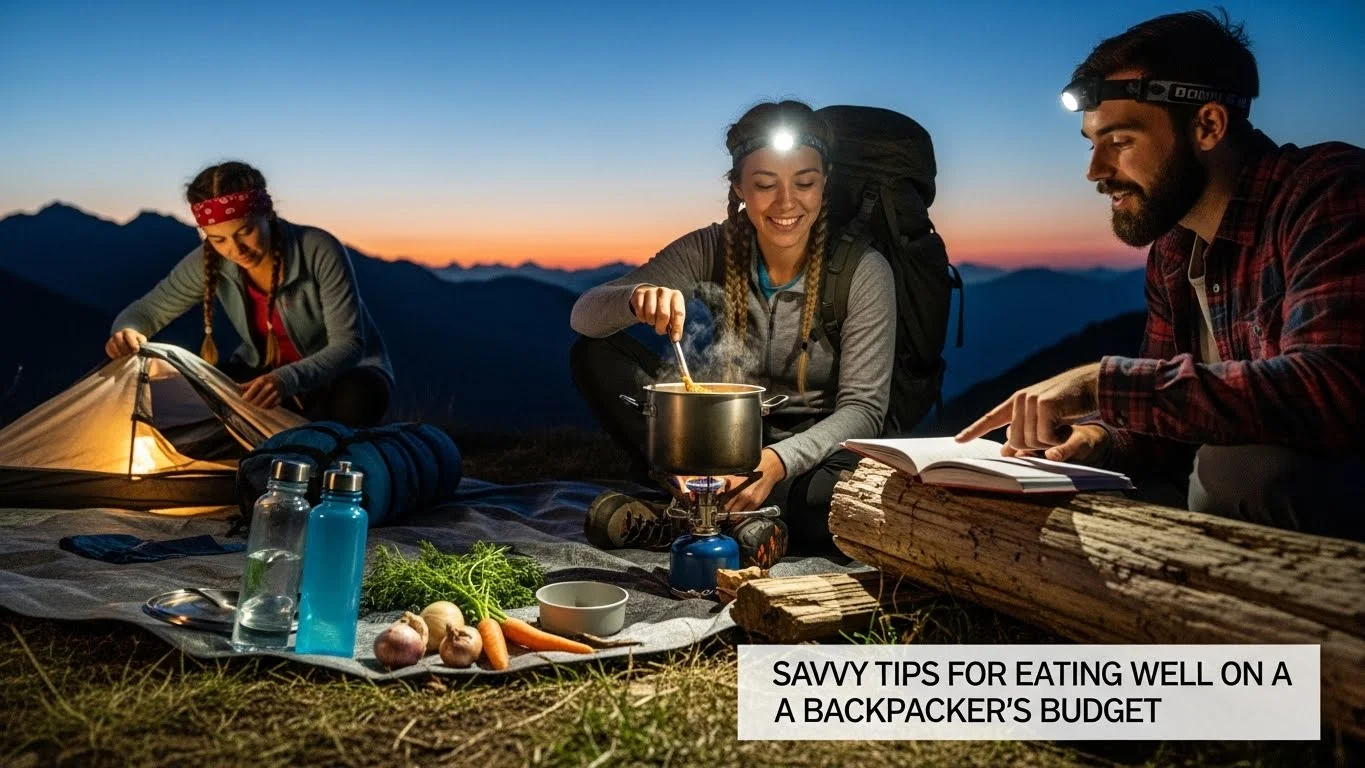
One of the most important lessons I’ve learned while traveling is that having the right cooking gear can make all the difference. When packing, I focus on lightweight, compact tools that can handle a variety of cooking tasks. My go-to items include a portable stove, a small pot, and a multi-tool. I remember my first trip when I packed way too many kitchen gadgets. It was cumbersome and honestly a bit overwhelming. Now, I stick to essentials that allow me to whip up meals without taking up too much space. A good lightweight frying pan is also invaluable, especially for breakfast eggs or stir-fries. I also carry a reusable water bottle; staying hydrated is key, and it saves me money on buying bottled water.
Quick and Easy Recipes for Travelers
Once I have the gear sorted, the next task is figuring out what to cook. I love meals that are quick and satisfying. One of my favorite recipes is a simple veggie stir-fry. I grab whatever fresh produce I can find and toss it in the pan with some soy sauce and sesame oil. It’s fast, nutritious, and can be served over rice or noodles. I also enjoy making wrap sandwiches with canned beans, fresh veggies, and a bit of nut butter or hummus. It’s filling and perfect for on-the-go meals. During my travels, I’ve even experimented with local ingredients to create unique dishes that reflect the flavors of the places I visit. I find that cooking my meals not only saves money but also enriches my travel experience. I always look for budget-friendly recipes that suit my needs.
Meal Prep Tips for Busy Days
Meal prep has become a game-changer for me while traveling. There are days when I’m on the move, and finding time to cook can be tricky. One strategy I use is to prepare meals in advance when I know I’ll have downtime, such as at a hostel or campsite. I like to set aside a few hours on a rest day to cook up a batch of quinoa, roast some veggies, or make a large pot of soup. I then divide everything into reusable containers for easy grab-and-go meals. Another tip I learned is to make use of leftovers creatively. If I have extra rice, I’ll turn it into a breakfast bowl with some eggs or mix it into a salad. This way, I minimize waste and maximize my meals.
Eating Out Without Breaking the Bank
Finding Affordable Local Eateries
Eating out is one of the joys of traveling, but it can get expensive fast. I’ve found that exploring local eateries rather than tourist traps is the way to go. I often ask locals for recommendations, and I’m amazed at the hidden gems they share. One time in Vietnam, I stumbled upon a tiny restaurant filled with locals enjoying steaming bowls of pho. The prices were unbeatable, and the food was incredible! I also look for places that display their menus outside; this helps me gauge prices before committing to a meal. I’ve learned that if a place is busy with locals, it’s usually a good sign that the food is both authentic and affordable.
Understanding Local Cuisine and Prices
Every destination has its own culinary culture, and understanding it can really help when budgeting for meals. I take some time to research the average cost of meals in the area I’m visiting. For example, in some countries, street food can be both delicious and cheap, while in others, sit-down meals might be more affordable. I remember visiting Barcelona and being surprised at how expensive tapas could get at popular tourist spots. By steering clear of those and opting for lesser-known bars, I found fantastic deals and memorable flavors. I also keep an eye out for lunch specials; many restaurants offer significant discounts during the day.
Street Food: A Backpacker’s Best Friend
Street food has become one of my favorite parts of traveling. It’s not only budget-friendly, but it also gives me a taste of authentic local flavors. I’ve savored everything from tacos in Mexico City to banh mi in Hanoi. I feel that eating street food is like taking a culinary tour of the city. However, I always pay attention to hygiene; I look for busy stalls where locals are lined up, which usually indicates fresh and safe food. I also remember to bring cash, as many street vendors don’t accept credit cards. Street food has led to some of my most cherished food memories, and I highly recommend trying it wherever you go.
How to Spot Tourist Traps
Tourist traps can really drain your budget and leave you disappointed with the food. I’ve had my fair share of mediocre meals at overpriced restaurants, so I’ve learned to be cautious. One of the biggest red flags for me is menus that are in multiple languages, especially if they have pictures. These places often cater to tourists rather than offering authentic cuisine. I also pay attention to the location; restaurants situated directly in tourist hotspots tend to be pricier. Instead, I try to wander a bit off the beaten path. It’s amazing what treasures you can find just a few blocks away from the main attractions!
Healthy Snacking While Traveling
Best Portable Snacks for Backpackers
When I hit the road, I’ve found that having healthy snacks on hand is a lifesaver. It keeps my energy up and helps me avoid those overpriced convenience stores. I love packing nuts and seeds; they’re nutrient-dense and light to carry. Almonds and walnuts are my favorites for a quick protein boost. I also like to bring along dried fruits, like apricots or mangoes, which satisfy my sweet tooth without the guilt. One time, I made my own trail mix with dark chocolate chips, pumpkin seeds, and coconut flakes. It was a delicious blend that kept me going during a long hike in the mountains. Granola bars are another great option; I’ve learned to choose ones with minimal added sugar and recognizable ingredients. They’re perfect for stashing in my daypack for a quick snack between sightseeing or hiking adventures.
Staying Hydrated on a Budget
Staying hydrated is crucial, especially when I’m active, but buying bottled water can really add up. I always carry a reusable water bottle. I remember the first time I traveled to Europe and realized how many fountains and refill stations were available, particularly in cities like Rome. I filled my bottle at every opportunity, which not only saved me money but also reduced plastic waste. I’ve also found that some hostels and cafes offer free or low-cost water refills. In hotter climates, I often add a pinch of salt or a splash of lemon to my water for a little flavor and electrolytes. If I’m in a place where the tap water isn’t safe to drink, I look for water purification tablets or filters to make sure I stay hydrated without spending too much.
Tips for Specific Destinations
Eating Well in Southeast Asia
Southeast Asia has been one of my favorite regions for budget-friendly eating. The variety of street food is incredible, and it’s often both delicious and affordable. I particularly enjoy the fresh fruit shakes and local curries. I remember sitting at a street stall in Thailand, where I enjoyed a bowl of pad thai for less than a couple of dollars. The key is to dive into the local specialties; I’ve learned that eating what locals eat is usually cheaper and way tastier. I also make sure to check out local markets for fresh ingredients that I can turn into my own meals. It’s a fun way to experience the culture and try new flavors!
Backpacking Through Europe on a Budget
Traveling through Europe can sometimes be a challenge for budget-conscious eaters, but I’ve found my groove. I often seek out bakeries for fresh bread and cheese, which can make for a fantastic picnic meal in a park. One of my go-tos is a simple sandwich made with crusty bread, local cheese, and some fresh veggies. I’ve also discovered that many European cities have affordable lunch specials during weekdays, which can include a main dish and a drink for a great price. I always keep an eye out for local markets where I can stock up on snacks and picnic supplies. Plus, I try to find accommodations with kitchen access so I can prepare some meals myself.
North American Backpacker Food Hacks
Backpacking in North America has its own set of challenges and rewards. I’ve learned that grocery stores often have ready-to-eat meals, which can be a budget-friendly alternative to dining out. In the US and Canada, I love finding supermarkets that have bulk sections. I can get affordable grains, nuts, and snacks without spending too much. I also enjoy visiting local diners or food trucks for an authentic experience. I found that many offer generous portions at reasonable prices. One of my best memories was at a food truck park in Portland, where I tried a variety of dishes without breaking the bank. And of course, I always keep a stash of energy bars for those long drives between destinations!
Dealing with Dietary Restrictions
Tips for Vegetarian and Vegan Backpackers
As someone who has tried to eat more plant-based while traveling, I know firsthand how important it is to find the right options. I’ve learned to research my destinations ahead of time to find vegetarian and vegan-friendly eateries. Many cities have dedicated vegetarian restaurants or cafes, and I’ve discovered that local markets often have fresh produce and plant-based options. When I was in India, I was amazed by how many delicious vegetarian dishes were available. I also keep my snacks plant-based, like chickpea salad or roasted nuts. If I’m cooking, I make sure to stock up on legumes and grains to create filling meals. Most importantly, I don’t hesitate to ask for modifications when dining out; often, restaurant staff are more than willing to accommodate dietary needs.
Managing Food Allergies While Traveling
Food allergies can add an extra layer of complexity when traveling, but I’ve found ways to manage them. Always carrying a translation card that explains my allergies in the local language has been incredibly helpful. I remember a trip to Japan where I handed my card to restaurant staff, and they were very accommodating. It’s also important to do some research on safe foods before arriving. I often look for allergen-free restaurants or those that are known for being cautious with their ingredients. Whenever possible, I choose to cook my meals; it gives me control over what I’m eating and helps me avoid any surprises. I’ve learned that preparation is key to ensuring safe and enjoyable meals while on the road.
Tools and Apps for Budget Eating
Using Budgeting Apps to Track Food Expenses
In my experience, keeping track of food expenses can be surprisingly easy with the right tools. I’ve started using budgeting apps that help me monitor my spending on food while traveling. This way, I can see where my money is going and adjust my choices if needed. I remember when I first used one of these apps; it was eye-opening to see how much I was spending on meals versus groceries. It made me more mindful of my choices, pushing me to seek out more affordable options. Some apps even allow me to set daily spending limits, which has been a game changer in sticking to my budget.
Finding Local Food Deals and Discounts
Lastly, I’ve discovered that many cities have local apps or websites dedicated to food deals. These can be fantastic for finding discounts at restaurants or special deals at grocery stores. I recall using a local app in Buenos Aires that listed daily specials at various eateries. It helped me enjoy delicious meals without overspending. I also keep an eye on social media; many restaurants promote specials or discounts through their pages. We’ve even stumbled upon happy hour deals that made for a fun dining experience at a fraction of the cost. Adapting to local deals has become a fun challenge during my travels!
Frequently Asked Questions
What is the importance of eating well while traveling?
Eating well while traveling is crucial as it helps maintain high energy levels for activities like hiking and sightseeing. It also enhances the travel experience by allowing travelers to bond over meals and enjoy local cultures.
How can I balance nutrition and budget when traveling?
Balancing nutrition and budget involves making smart choices, such as planning meals ahead, being mindful of purchases, and aiming for a mix of healthy options and local specialties while allowing for occasional treats.
What are some essential pantry items for backpackers?
Essential pantry items for backpackers include rice or quinoa, pasta, canned beans, nut butter, and oats. These staples make meal preparation quick and easy while saving money.
How can I select fresh produce on a budget while traveling?
To select fresh produce on a budget, check for seasonal fruits and vegetables, look for sales or discounts, and inspect items closely for quality, ensuring they are firm and free from bruises.
What cooking gear is essential for backpackers?
Essential cooking gear for backpackers includes a portable stove, a small pot, a multi-tool, and a lightweight frying pan. Additionally, a reusable water bottle is important for hydration and cost-saving.
What are some quick and easy recipes for travelers?
Quick and easy recipes for travelers include veggie stir-fry with fresh produce and soy sauce, wrap sandwiches with canned beans and veggies, and breakfast bowls made with leftovers like rice and eggs.
How can I find affordable local eateries while traveling?
To find affordable local eateries, ask locals for recommendations, look for busy restaurants filled with locals, and check menus displayed outside to gauge prices before dining.
What are the best portable snacks for backpackers?
Best portable snacks for backpackers include nuts and seeds, dried fruits, trail mix, and granola bars with minimal added sugar. These options are nutrient-dense and easy to carry.
How can I stay hydrated on a budget while traveling?
Staying hydrated on a budget can be achieved by carrying a reusable water bottle and refilling it at fountains or refill stations. In places with unsafe tap water, use purification tablets or filters.
What tips can vegetarian and vegan backpackers follow while traveling?
Vegetarian and vegan backpackers should research destinations for plant-based eateries, explore local markets for fresh produce, and don’t hesitate to ask for modifications when dining out to accommodate dietary needs.