
Scuba diving doesn’t have to break the bank! With the right tips and destinations, we can explore the underwater world without emptying our wallets. For more information on affordable options, check out Top 10 Budget-Friendly Scuba Diving Destinations Worldwide.
Understanding Scuba Diving on a Budget
What is Budget Scuba Diving?
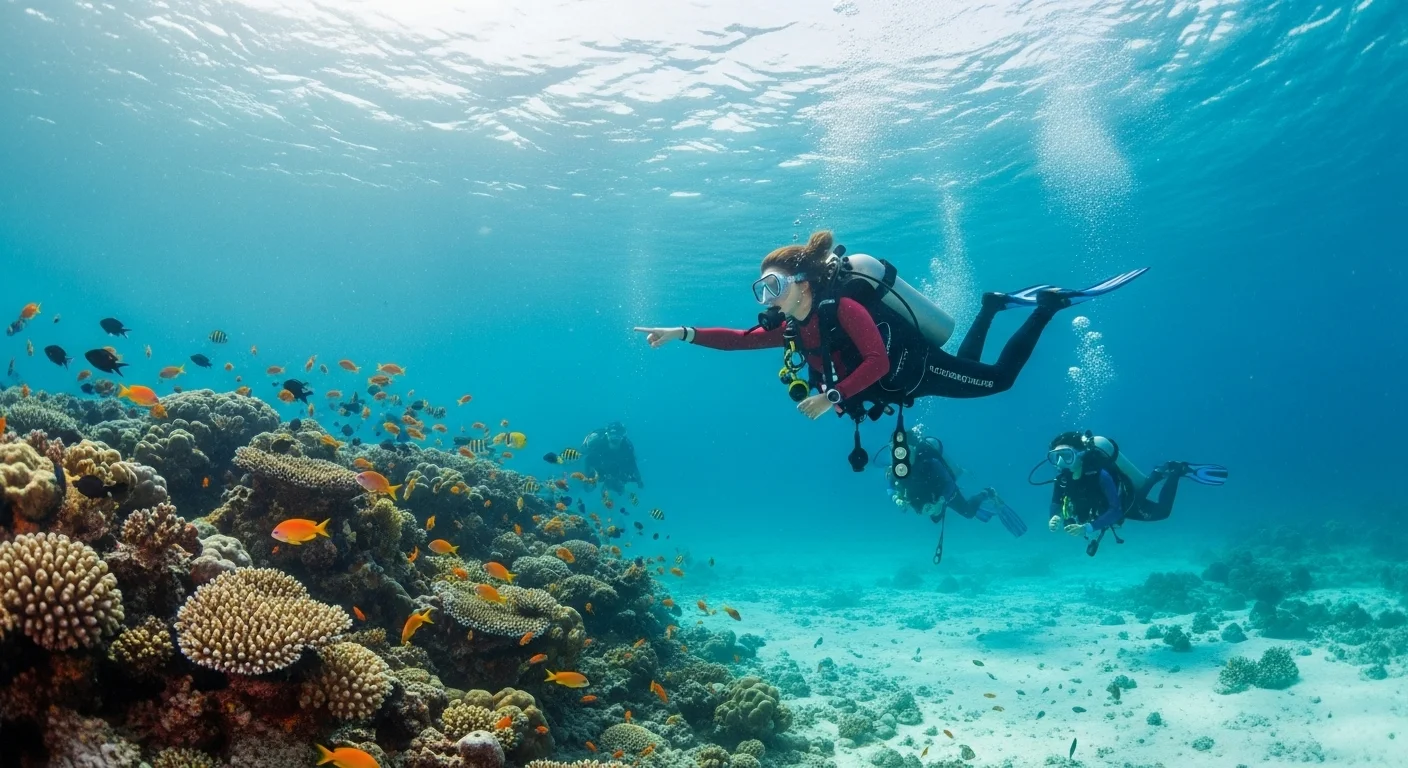
When I first thought about scuba diving, I imagined luxurious resorts and expensive gear. But, budget scuba diving is about finding affordable ways to experience the thrill of diving without compromising on fun or safety. This means looking for less-traveled destinations, local dive shops, and even group discounts that make diving more accessible for backpackers like us. I learned that with a little planning, diving can be both an incredible adventure and easy on our pockets.
Benefits of Budget Scuba Diving
There are so many reasons to dive on a budget! For one, it allows us to travel more and explore multiple dive spots without feeling strapped for cash. I remember my trip to Thailand, where I could dive in beautiful locations while also enjoying the local culture and cuisine. Budget diving often leads us to hidden gems, lesser-known dive sites, and a chance to connect with local divers who share their tips and stories. Plus, it gives us a sense of accomplishment when we dive without overspending. We get to enjoy the same breathtaking underwater landscapes, colorful marine life, and unforgettable experiences without the price tag that comes with popular tourist destinations. If you’re looking for more affordable diving spots, be sure to Explore Affordable Scuba Diving Spots for Adventure Seekers.
Key Considerations for Budget Travelers
Planning a budget-friendly diving trip isn’t just about finding cheap flights or inexpensive accommodations. I found that there are a few key considerations that can make or break our diving adventure. First, always check the diving conditions at your chosen destination. Some places are seasonal, and diving during the off-peak times can save money but might impact visibility or accessibility. Secondly, research local dive shops and reviews. I’ve come across some fantastic dive operators that offer great deals and personalized experiences, while others might cut corners on safety. Lastly, don’t forget about equipment. Renting gear can save cash and space in our backpacks, but it’s essential to ensure that the rental equipment is well-maintained and safe to use.
Now, let’s dive into some of my favorite budget-friendly scuba diving destinations that I believe every backpacker should consider.
Top Budget-Friendly Scuba Diving Destinations
1. Thailand
Best Locations: Koh Tao, Phuket
Thailand is a mecca for budget divers. Koh Tao, in particular, is known for its cheap dive courses and vibrant underwater scenery. I spent a week on this small island, diving with turtles and colorful reefs. Many dive shops offer affordable packages, especially for beginners looking to get their PADI certification. Phuket is another great option, with opportunities to explore beautiful spots like the Similan Islands. Both locations have plenty of hostels and guesthouses that keep our accommodation costs low, which is a big win!
Cost Breakdown: Dive Courses and Equipment Rental
In Koh Tao, I found dive courses ranging from $300 to $400 for a full certification. If you’re already certified, expect to pay around $30 to $40 per dive, which often includes gear rental. I loved that I could rent high-quality equipment directly from the dive shops, which made things more convenient. In Phuket, dive packages can vary, but I found some great deals for around $150 to $250 for multiple dives. It’s wise to shop around and compare prices before booking.
2. Indonesia
Best Locations: Bali, Komodo National Park
Indonesia is another fantastic option for budget divers. Bali is not just about beaches and parties; it also offers some amazing diving experiences. I remember diving with manta rays off Nusa Penida, and the thrill was unforgettable! Komodo National Park, while a bit pricier, can provide incredible diving experiences if you book well in advance and look for last-minute deals on liveaboards.
Cost Breakdown: Liveaboards vs. Day Trips
In Bali, day trips can cost around $60 to $100, including gear rental, while liveaboard trips in Komodo can range from $300 to $600 for a few days. I noticed that if you’re flexible with your dates, you can often snag last-minute deals for liveaboards, which can bring the price down significantly. It’s all about timing and a little bit of luck!
3. Belize
Best Locations: Ambergris Caye, Great Blue Hole
Belize is famous for its incredible diving, especially the Great Blue Hole. While it can seem pricey at first, I found several local dive shops in Ambergris Caye offering competitive rates. Diving in Belize offers a chance to see stunning coral reefs and diverse marine life without having to break the bank.
Cost Breakdown: Local Dive Shops and Packages
Most dive shops offer packages that can range from $250 to $400 for several dives, but I found that booking directly with local shops allowed for better rates than going through larger tour companies. Plus, supporting local business always feels good!
4. Mexico
Best Locations: Cozumel, Cancun
Mexico has some incredible diving spots that cater to budget-conscious travelers. Cozumel is famous for its clear waters and vibrant reefs, while Cancun offers easy access to several dive sites. I experienced amazing drift diving in Cozumel, and the underwater scenery was breathtaking.
Cost Breakdown: All-Inclusive Resorts vs. Hostels
Diving in Cozumel usually costs around $40 to $70 per dive, while some all-inclusive resorts offer diving packages that can save money if you plan to dive frequently. If you’re traveling on a tight budget, staying in hostels or local guesthouses is a great way to keep costs down.
5. Philippines
Best Locations: Apo Reef, Malapascua
The Philippines is nothing short of a diving paradise. I found that places like Apo Reef and Malapascua not only provide stunning dive experiences but also tend to be budget-friendly. The chance to see thresher sharks in Malapascua is something I will never forget!
Cost Breakdown: Group Discounts and Dive Packages
Prices for diving in the Philippines can vary widely, but expect to pay around $25 to $50 per dive. I discovered that many dive shops offer group discounts, which can significantly cut costs if you’re traveling with friends or other divers. Booking dive packages is also a smart way to save money while experiencing multiple dive sites.
When to Visit These Destinations
Seasonal Changes and Weather Considerations
Timing can make a huge difference when planning a budget scuba diving trip. I’ve learned that each destination has its own peak seasons, and understanding these can help us save money while ensuring we get the best diving experience. For example, in Thailand, the dry season from November to April is ideal for diving, but it’s also when prices are highest. If we choose to visit during the shoulder season, like October or May, we might find cheaper accommodation and dive packages, even if the weather can be a little unpredictable. Similarly, in Indonesia, the best diving conditions are often found between April and November, but last-minute deals during the rainy season can be very tempting for those willing to take a risk with the weather.
Best Months for Diving
After traveling to various diving spots, I’ve noticed that certain months are particularly great for diving. For instance, in Belize, the months of April to June provide excellent visibility and calm seas, making it popular among divers. In the Philippines, I’ve found that visiting between March and June offers the best conditions for experiencing marine life. I remember diving in Malapascua during this time, and the underwater scenes were stunning! Exploring these places during the optimal months can enhance our experience and often leads to better deals as well, as some dive shops offer discounts to attract divers during slower periods.
Local Festivals and Events Related to Diving
Another way I’ve found to save money and enrich my diving experience is by timing my trips around local festivals or events. In Thailand, for example, the Full Moon Party is famous for attracting tourists, but I discovered that the local diving community often organizes events or competitions around this time, which can lead to special rates or group dives. In the Philippines, the annual Malapascua Dive Festival features various activities and promotions, making it a fantastic time to dive while enjoying the festivities. I think participating in these events not only saves money but also enriches our travel experience, allowing us to connect with locals and other divers who share our passion for the underwater world.
Where to Stay: Budget Accommodation Options
Hostels and Guesthouses
When it comes to finding a place to stay, I always look for hostels or guesthouses that cater to budget travelers. These options not only save money but often provide a great opportunity to meet fellow divers. I’ve stayed in some charming guesthouses in places like Koh Tao and Bali, where the owners were incredibly friendly and even offered diving tips. Hostels often organize group dives or social events, making it easy to connect with others who share our interests. Plus, you can find dormitory-style accommodations that keep costs low while offering a fun and social atmosphere.
Camping and Budget Lodges
If we’re really looking to tighten our budget, camping can be a fantastic option in some regions. I remember staying at a campsite in Komodo National Park, where I could fall asleep to the sound of the ocean and wake up ready for an early dive. While it’s not for everyone, camping allows us to experience nature up close and save money at the same time. There are also budget lodges that offer basic amenities without the frills, ideal for divers who just need a comfortable place to rest between dives.
Airbnb and Alternative Housing Options
In recent years, I’ve also turned to Airbnb when looking for budget accommodation. This option often provides unique and affordable places to stay. I’ve found cozy rooms in locals’ homes or entire apartments at a fraction of the cost of hotels. The added benefit is that many hosts can offer insider tips on diving and local spots to explore. For example, I once stayed with a host in Belize who not only provided a great place to rest but also connected me with some local divers who shared their favorite spots. It’s a win-win!
Top Attractions Beyond Diving
Local Culture and Experiences
Diving is just one part of the adventure; the local culture adds richness to our travels. I love immersing myself in the culture of the places I visit. In Thailand, I took the time to explore the night markets, trying delicious street food, and visiting temples. In Belize, I went on a cultural tour that introduced me to the Garifuna people and their vibrant music and dance. These experiences not only broaden my horizons but also often come with a lower price tag compared to dive excursions.
Natural Attractions: Beaches and Parks
Beyond diving, many of these destinations boast stunning natural attractions. I remember taking a day off from diving in the Philippines to hike to a breathtaking viewpoint over a turquoise lagoon. These moments of exploration often come at little or no cost, allowing us to enjoy nature and recharge for our next dive. Beaches are usually free and offer a relaxing place to unwind after a long day underwater. Plus, spending time at the beach can lead to spontaneous adventures, like snorkeling or beach volleyball with new friends.
Nightlife and Dining on a Budget
Every destination has its own nightlife, and I’ve found that eating like a local can save a lot of money. Instead of dining at touristy restaurants, I often seek out street vendors or local eateries. In Mexico, I discovered some of the best tacos from a tiny stand—my friends and I couldn’t believe how delicious they were! Exploring the nightlife can also be affordable, with many places offering happy hour specials or free live music events. I cherish those nights spent sharing stories with other travelers while enjoying local brews and music.
Scuba Diving Equipment: Rental vs. Purchase
What Gear You Can Rent
When it comes to diving, one of the biggest questions is whether to rent or buy gear. From my experience, renting is often the best option for budget travelers, especially if we’re just starting out or only diving occasionally. Most dive shops offer quality gear for reasonable prices. I’ve rented everything from wetsuits to tanks, and it’s great not to worry about lugging heavy equipment around. Plus, renting from local shops means we can also support the local economy.
When It’s Worth Buying Your Own Equipment
However, there are times when buying your own gear makes sense. If we dive frequently or plan to travel extensively, investing in equipment can save money in the long run. I’ve found that having my own mask and snorkel is particularly helpful for spontaneous snorkeling adventures. Plus, when you invest in gear, you can choose equipment that fits perfectly and suits your diving style. Just be sure to research and try different brands before making a purchase!
How to Save on Equipment Costs
To save on equipment costs, I recommend keeping an eye out for sales or discounts at dive shops. Some shops offer package deals when buying multiple items, like a wetsuit and BCD. I also found that buying second-hand gear can lead to significant savings. I once scored a barely-used dive computer on an online marketplace for a fraction of the retail price. Just ensure that you check the condition and functionality before purchasing. Additionally, many dive shops provide maintenance services, so we can keep our gear in top shape without breaking the bank.
Safety Tips for Budget Scuba Diving
Choosing Reputable Dive Shops
Safety should always be a priority, especially when diving on a budget. I cannot stress enough the importance of choosing reputable dive shops. I often look for shops that are well-reviewed and have certified instructors. It’s worth spending a few extra dollars to ensure we’re diving with professionals who prioritize safety. I’ve learned that asking questions and observing the shop’s operations can give us a good sense of their commitment to safety and quality.
Understanding Dive Insurance Options
Diving insurance is another important aspect that often gets overlooked when budgeting for a trip. I’ve experienced the peace of mind that comes with having dive insurance, as it covers emergencies and accidents. While it might seem like an additional cost, I believe it’s worth it, especially for international trips. I recommend comparing different insurance providers to find a plan that fits our diving needs and budget.
Health and Safety Precautions
Finally, being mindful of health and safety precautions while diving is crucial. I always make sure to stay hydrated, avoid alcohol before diving, and listen to my body. If I feel tired or unwell, I take a break. It’s also essential to ensure that we’re diving within our skill level and experience. Pushing ourselves too hard can lead to accidents and ruin our diving experience. Remember, diving is about enjoyment, and we want to make the most of our underwater adventures!
Budgeting for Your Diving Trip
Estimating Total Costs: Diving, Accommodation, and Food
Budgeting for a diving trip can seem overwhelming, but breaking it down into categories makes it manageable. I usually start by estimating the costs of diving, accommodation, and food. For diving, I calculate the number of dives I want to do and the average cost per dive. Accommodation can vary widely, so I look at both hostels and guesthouses to find a balance between comfort and cost. Food expenses can also add up, but I love exploring local markets, which often provide affordable and delicious options.
Money-Saving Tips for Travelers
One of the best money-saving tips I’ve learned is to take advantage of package deals. Many dive shops offer discounts for multiple dives, and sometimes, combining accommodation with dive packages can lead to significant savings. I also recommend being flexible with travel dates, as prices can fluctuate based on demand. Traveling during the off-peak season can save us a lot of money while providing a more relaxed diving experience.
How to Find Deals and Discounts
Finding deals and discounts requires a bit of research but can pay off significantly. I often browse local dive shop websites or social media pages for promotions. Additionally, signing up for newsletters or joining diving forums can lead to exclusive deals. I’ve even scored last-minute discounts by booking directly with dive shops when they have open slots. It’s always worth asking if they have any ongoing promotions!
Frequently Asked Questions
What is budget scuba diving?
Budget scuba diving is about finding affordable ways to experience diving without compromising on fun or safety. This includes seeking less-traveled destinations, local dive shops, and group discounts to make diving more accessible.
What are some benefits of budget scuba diving?
Budget scuba diving allows travelers to explore multiple dive spots without overspending, discover hidden gems, connect with local divers, and enjoy breathtaking underwater landscapes while maintaining a sense of accomplishment.
What key considerations should budget travelers keep in mind when planning a diving trip?
Travelers should check diving conditions, research local dive shops and their reviews, and consider renting well-maintained equipment to save money and ensure safety.
What are some top budget-friendly scuba diving destinations?
Some top budget-friendly destinations include Thailand (Koh Tao and Phuket), Indonesia (Bali and Komodo National Park), Belize (Ambergris Caye and Great Blue Hole), Mexico (Cozumel and Cancun), and the Philippines (Apo Reef and Malapascua).
How much can I expect to pay for diving in Thailand?
In Koh Tao, dive courses range from $300 to $400, while certified divers can expect to pay around $30 to $40 per dive, including gear rental. In Phuket, dive packages can cost around $150 to $250 for multiple dives.
What are the best months for diving in the Philippines?
The best months for diving in the Philippines are between March and June, as this period offers optimal conditions for experiencing marine life.
What budget accommodation options are available for divers?
Budget accommodation options for divers include hostels, guesthouses, camping, budget lodges, and Airbnb rentals. These options provide affordable stays and opportunities to connect with fellow divers.
How can I save on scuba diving equipment costs?
To save on equipment costs, travelers can rent gear, look for sales or discounts, buy second-hand equipment, and take advantage of package deals offered by dive shops.
What safety tips should budget divers keep in mind?
Budget divers should choose reputable dive shops, understand dive insurance options, and follow health and safety precautions, including staying hydrated and diving within their skill level.
What are some effective money-saving tips for budget divers?
Effective money-saving tips include taking advantage of package deals, being flexible with travel dates, and traveling during the off-peak season to reduce costs while enhancing the diving experience.