
Traveling on a budget doesn’t mean compromising on safety. With a few smart hacks, we can ensure a secure journey through airports, making our adventures even more enjoyable. Read Interesting article: Unlocking Travel Secrets: Hacks for Budget-Friendly Trips
Understanding Airport Safety Concerns
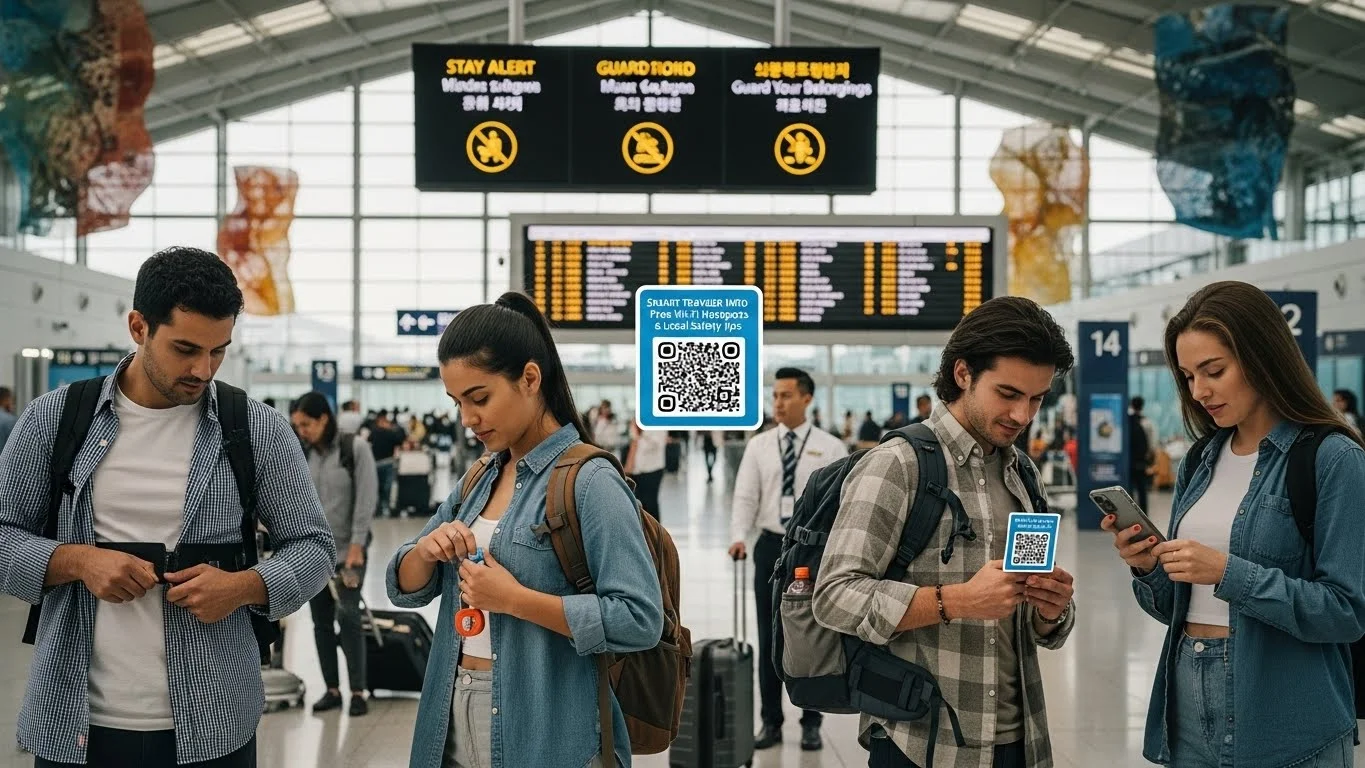
When I think about traveling, especially flying, my mind often goes to the hustle and bustle of airports. It’s a mix of excitement and anxiety. I remember my first solo trip; I felt overwhelmed by the sheer amount of safety procedures in place. Understanding airport safety concerns is essential, especially for those of us watching our wallets. Airports can be crowded and chaotic, which can lead to several safety issues we should all be aware of.
Common Airport Safety Issues for Travelers
As I navigated through various airports, I noticed some common safety issues that travelers frequently face. One of the biggest concerns is the risk of theft. In crowded spaces, it’s easy for someone to slip their hand into your bag or pocket without you even noticing. I learned to keep my valuables close and, if possible, in a secure, zipped compartment of my backpack. Another issue that often arises is personal safety, particularly when traveling late at night. I remember one time I arrived at my destination around midnight and found the airport surprisingly empty; I felt uneasy and wished I had planned better for my arrival. Read Interesting article: 10 Genius Packing Hacks for Effortless Travel
Top Security Threats at Airports
As travelers, we must be aware of broader security threats at airports. From my experience, understanding these threats can significantly reduce the anxiety we feel while traveling. One major concern is the potential for terrorism. Although it feels like a distant fear, I always keep in mind that security measures are in place for a reason. I stay alert and pay attention to my surroundings. Additionally, I’ve read about the growing issue of cybercrime targeting travelers. Public Wi-Fi networks can be breeding grounds for hackers, so I now avoid accessing sensitive information unless I’m on a secure network. Keeping my data safe is just as crucial as physical safety.
Smart Packing for Safety
Now that we’ve touched on the importance of understanding safety concerns, let’s talk about packing smartly. I’ve learned that what we carry can greatly enhance our safety during travel. When I pack, I always think about how I can keep myself secure while still being budget-conscious.
Essential Safety Items for Your Carry-On
When I was packing for a recent trip, I made a list of essential safety items that I wouldn’t leave home without. First on that list is a portable phone charger. It’s a lifesaver. During my travels, I’ve often found myself frantically searching for an outlet in an airport. Having a charged phone is not just a convenience; it’s crucial for safety. I also make sure to bring a small first aid kit. Even for minor injuries, having band-aids and antiseptic wipes can save a lot of trouble. Another item I highly recommend is a travel lock for your bag. It gives me peace of mind knowing that my belongings are secured while I grab a bite or use the restroom.
Traveling with Valuable Items: Tips and Tricks
We all have valuable items we carry while traveling, whether it’s our smartphones, cameras, or jewelry. I’ve learned the hard way not to flaunt these items. I remember when I was showing off my new camera in an airport café; I quickly became aware of the eyes watching me. Now, I try to blend in and keep my valuables out of sight as much as possible. I also recommend keeping a digital copy of important documents, like your passport and travel insurance, stored securely online. It’s something I always do. Should anything get lost or stolen, having that backup can simplify the process of replacing them. Read Interesting article: Essential Packing Hacks for Budget Solo Travelers
Budget-Friendly Safety Hacks
As budget travelers, we’re always looking for clever hacks to save money without sacrificing safety. I’ve discovered some fantastic tips that not only keep you secure but also won’t break the bank.
Using Technology for Safety (Apps and Tools)
One of the best decisions I made was downloading specific travel safety apps. There’s an app for everything these days! For example, I use apps that provide real-time updates on flight status and airport security wait times. This has saved me from unnecessary stress and potential missed flights. I also love using map apps to navigate unfamiliar airports. It’s easy to get lost, and knowing where I’m going helps me feel more secure and in control.
Staying Connected: Portable Wi-Fi and Local SIM Cards
Staying connected while traveling is key to staying safe. I’ve found that using a portable Wi-Fi device or purchasing a local SIM card can be a game-changer. When I visited Europe last summer, I opted for a local SIM card, and it allowed me to access maps, contact local authorities if needed, and stay in touch with friends and family. It’s reassuring to know that help is just a message away.
Airport Security Procedures
After navigating through the excitement and chaos of the airport, the next step is getting through security. I’ve found that understanding airport security procedures can make the process smoother and less stressful. Knowing what to expect helps us prepare and reduces anxiety, especially when we’re in a hurry or on a budget.
Navigating TSA Screening Efficiently
Every time I approach the TSA screening, I remind myself that preparation is key. I’ve learned that arriving at the airport with enough time to spare is crucial. If I know I’m flying during peak hours, I plan to arrive earlier than usual. When it’s my turn, I follow a mental checklist to ensure I have everything ready. I take off my shoes, belt, and jacket before I reach the conveyor belt; this saves me time and keeps the line moving. I also make sure to place my laptop and liquids in separate bins, as these often require extra screening.
Another tip I’ve found helpful is to wear easily removable shoes. I remember once wearing complicated boots that took forever to take off. Since then, I stick to sneakers or slip-ons, which not only make the process faster but are also more comfortable for walking through the airport.
Understanding Prohibited Items
Before packing for a trip, I always check the TSA website for their list of prohibited items. I’ve seen travelers get turned away at security because they brought along something they thought was harmless. For example, I used to carry a small pair of scissors for travel sewing kits; however, I quickly learned that even small blades are not allowed. Instead, I now opt for items that comply with security regulations. The last thing I want is to have to throw away a favorite item or, worse, miss a flight because of a misunderstanding about what’s allowed.
Additionally, I make a habit of keeping my toiletries within the 3-1-1 rule, which means 3.4 ounces (100 milliliters) or less per container, all in one quart-sized bag. It’s a simple rule that I never overlook. Having my liquids packed and ready helps me breeze through security and keeps my mind at ease.
Staying Vigilant in the Airport Environment
Once I’m through security, I find that staying vigilant is just as important as preparing for it. Airports are bustling hubs, and I’ve learned that keeping my eyes open can help me avoid potential issues.
Awareness of Surroundings: Tips for Travelers
Whenever I’m in an airport, I make a conscious effort to stay aware of my surroundings. I often scan the area for any unusual behavior or situations that seem off. If I notice someone lingering too long near a restricted area or acting suspiciously, I don’t hesitate to inform airport staff. It’s always better to be cautious. I also recommend keeping your belongings close. I tend to use a crossbody bag rather than a backpack while I’m in transit, as it’s easier to keep track of and feels more secure.
In crowded areas, I’ve learned that making eye contact with those around me can also help. I know it sounds simple, but when I acknowledge people, it creates a sense of community and mutual awareness. Plus, it helps me feel more connected and less isolated in a busy environment.
Identifying and Reporting Suspicious Behavior
Part of being vigilant includes knowing how to identify and report suspicious behavior. I remember attending a travel safety seminar where they emphasized the importance of trusting your instincts. If something feels off, it’s worth paying attention to. For instance, if I see someone acting nervously or carrying oversized bags without a clear reason, I make a mental note and keep an eye on them.
If I ever feel uncomfortable, I approach airport personnel. They’re trained to handle such situations and can provide assistance or additional security if necessary. Knowing that I can rely on them gives me peace of mind. I’ve even seen people get involved to help a fellow traveler, and it made me realize that we can all play a part in creating a safe environment.
Choosing Safe Accommodations Near Airports
After a long journey through the airport, finding a safe place to stay is paramount. I always take the time to research accommodations that prioritize safety, especially if I’m arriving late at night.
Best Budget Hotels with Safety Measures
Whenever I book a hotel, I look for reviews that mention safety features like security cameras and well-lit entrances. I’ve discovered that some budget hotels offer great amenities without compromising safety. For example, I once stayed at a hotel that had a 24-hour front desk and security personnel on-site. I felt much more at ease knowing that help was just a phone call away, especially after a long day of travel.
Additionally, I prefer to book accommodations that have a flexible cancellation policy. This was particularly useful when I had to change plans due to unexpected circumstances. A little extra research can go a long way in ensuring a worry-free stay.
Hostels and Shared Accommodations: Safety Tips
For those of us who lean towards budget-friendly hostels or shared accommodations, I’ve learned a few safety tips through my experiences. While hostels can be a fantastic way to meet fellow travelers, they can also come with their own set of challenges. I always recommend choosing a hostel with a good reputation and strong security measures, such as lockers for personal belongings.
When I check into a hostel, I make sure to lock my valuables away and keep my important documents with me at all times. I also try to book a bed in a mixed dorm rather than a larger, crowded room. It feels a bit more secure, and I’ve often found that I can build a small community with fellow travelers, which adds to the experience.
Transportation Safety to and from the Airport
Once I’ve navigated through the airport and collected my luggage, the next phase of my journey often involves figuring out how to get to my final destination safely. It’s an aspect of travel that sometimes doesn’t receive as much attention as it should, but I’ve learned it’s crucial to prioritize transportation safety.
Safe Public Transport Options
Using public transport can be a fantastic and budget-friendly way to get from the airport to my accommodation. However, I always take a moment to research the safest options available. I remember arriving in a new city and feeling overwhelmed by the various transport choices. After a bit of exploration, I found that most airports have clear signage for public transport, which made it easier for me to navigate.
One of my go-to tips is to look up reviews and guides from fellow travelers about the local transport system. I’ve used buses and trains quite a bit, and I usually check the schedule ahead of time to avoid long waits. Often, local transport apps can provide real-time updates and maps, which helps me feel more secure about my choices. I remember a time when I used a local train to get from the airport to the city center and found it surprisingly efficient and safe. Just having a sense of where I was going made a world of difference.
I’ve also learned to be cautious about the time of day I’m traveling. If I arrive late at night, I prefer to choose well-lit transport options or even opt for a taxi instead. Airports often have shuttle services that run until late hours, which can be a reliable choice for late-night arrivals. I always make sure to check the schedule beforehand to avoid being stranded.
Using Rideshare Services: Best Practices
Rideshare services like Uber and Lyft have become popular choices for many travelers, including myself. They can be convenient and often more cost-effective than traditional taxis. However, a few best practices can help ensure a safe experience while using these services. I always make sure to confirm the driver’s identity before getting in the car. I check the license plate and the driver’s name against what’s shown in the app. It gives me peace of mind to know I’m getting into the right vehicle.
Additionally, I prefer to request rides from well-lit areas, especially at night. After a long flight, it’s easy to feel fatigued and let my guard down, but I try to stay aware of my surroundings. I also make it a habit to sit in the back seat. It allows me to maintain some distance from the driver and provides a better exit route if I need one.
Another safety tip I learned is to share my ride details with a friend or family member. Most rideshare apps have a feature that allows you to share your trip status in real time. This way, someone knows where I am and when to expect me. It’s a simple step that adds an extra layer of security and makes me feel more connected, even when I’m traveling solo.
Emergency Protocols and Contacts
No one likes to think about emergencies while traveling, but I’ve learned that being prepared can make a huge difference. Knowing emergency protocols and having essential contact information saved can provide me with peace of mind during my journey.
Knowing Emergency Exits and Procedures
Whenever I arrive at a new airport or accommodation, I make it a point to locate the emergency exits. This has become a routine for me. I remember reading about travelers who found themselves in situations where they didn’t know how to exit quickly, and I promised myself I’d never be caught off guard. I take a moment to glance at the safety information provided in hotel rooms or the airport, just to familiarize myself with the layout.
In addition to exits, I also pay attention to the emergency procedures outlined in the area. For instance, if I’m in a foreign country, I make sure to note the local emergency numbers, as they can differ widely from what I’m used to. It feels reassuring to know that I have the information I need at my fingertips, just in case something unexpected happens.
Important Contacts: Local Authorities and Embassy Information
Before I travel, I always note down the contact details for my country’s embassy or consulate in the destination city. This little preparation step has proven invaluable in my experience. There was a time when I misplaced my passport while overseas, and having access to the embassy was a lifesaver. They were able to assist me quickly and efficiently, which made the entire situation much less stressful.
Besides the embassy, I also keep local police and emergency services numbers handy. I often save them in my phone or jot them down in my travel journal. This way, even if I’m in a tight spot, I know who to call. In a world of uncertainties, I find that being prepared can make all the difference in ensuring a safe and enjoyable trip.
Frequently Asked Questions
What are some common airport safety issues for travelers?
Common airport safety issues include the risk of theft in crowded spaces and personal safety concerns, particularly when traveling late at night.
What essential safety items should I pack in my carry-on?
Essential safety items for your carry-on include a portable phone charger, a small first aid kit, and a travel lock for your bag.
How can I keep my valuable items safe while traveling?
To keep valuable items safe, avoid flaunting them, keep them out of sight, and store digital copies of important documents securely online.
What are some budget-friendly safety hacks for travelers?
Budget-friendly safety hacks include using travel safety apps for updates on flight status and airport security, and opting for a portable Wi-Fi device or local SIM card to stay connected.
What should I know about airport security procedures?
Understanding airport security procedures involves arriving early, preparing your items for screening, and knowing the TSA’s list of prohibited items.
How can I stay vigilant in an airport environment?
Stay vigilant by being aware of your surroundings, reporting suspicious behavior, and keeping your belongings close to you.
What should I look for when choosing accommodations near airports?
Look for reviews mentioning safety features like security cameras, well-lit entrances, and accommodations with a 24-hour front desk and security personnel.
What are some safe transportation options to and from the airport?
Safe transportation options include using public transport with clear signage, well-lit transport options at night, and verified rideshare services.
What emergency protocols should I be aware of while traveling?
Know the emergency exits and procedures at airports and accommodations, and familiarize yourself with local emergency numbers.
Why is it important to have contact information for local authorities and embassies?
Having contact information for local authorities and your embassy is crucial for assistance in emergencies, such as when you lose your passport.