
Snorkeling offers a thrilling way to explore underwater worlds without breaking the bank. With the right tips and tricks, you can enjoy vibrant marine life and stunning coral reefs on a budget. For more information on affordable locations, check out Top Budget-Friendly Snorkeling Destinations for Adventurous Travelers.
Understanding Snorkeling: Basics and Benefits
What is Snorkeling?
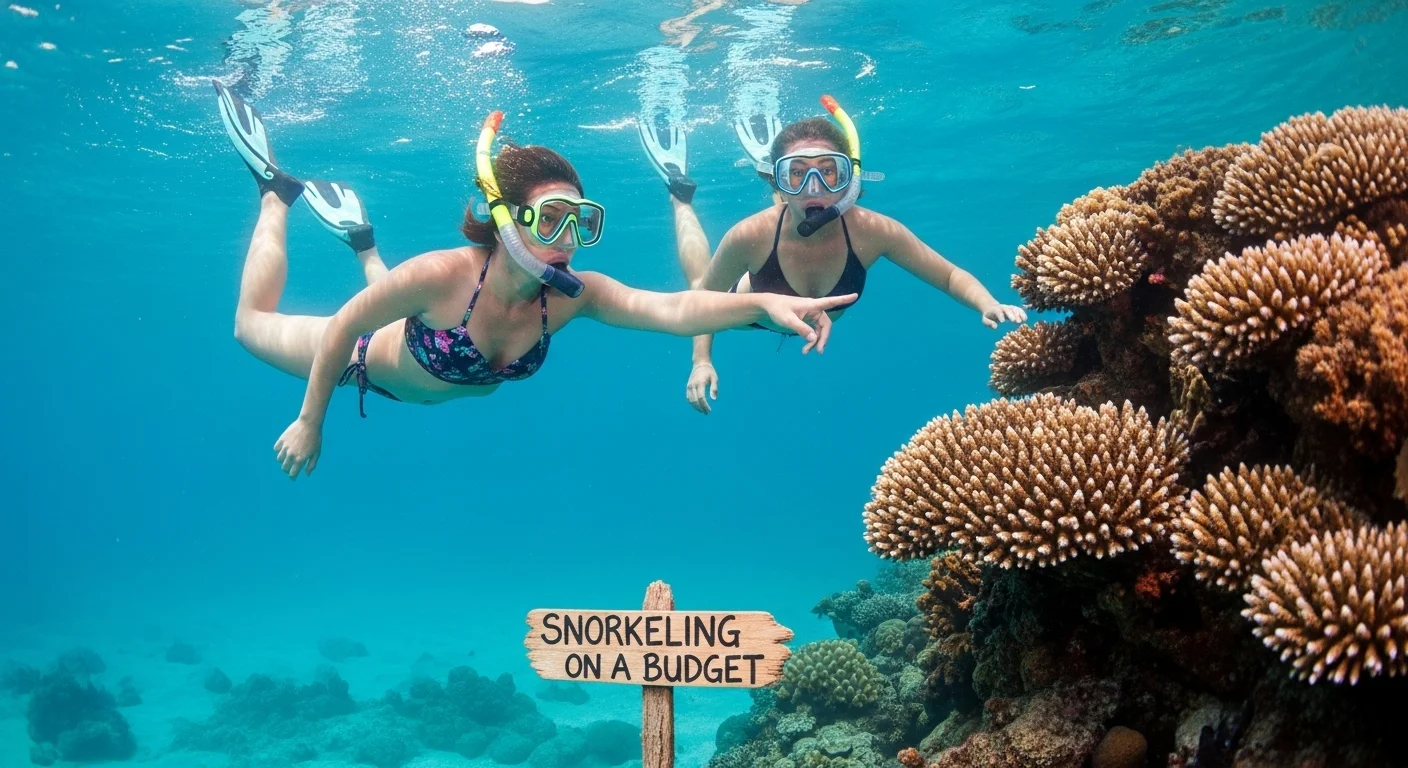
Snorkeling is one of my favorite ways to experience the ocean up close. It’s a water activity where you float on the surface while wearing a mask and a snorkel, allowing you to breathe while observing sea life beneath you. Unlike scuba diving, which requires extensive training and equipment, snorkeling is accessible to nearly everyone, making it an ideal choice for those of us who want to explore without the complexity.
The beauty of snorkeling lies in its simplicity. You don’t need to be a seasoned diver to enjoy it—just a sense of adventure and a willingness to immerse yourself in the ocean. I remember my first snorkeling experience; I was a bit nervous but excited to see what lay beneath the waves. After donning my gear and taking a deep breath, I floated above a vibrant reef, and the world below took my breath away. Schools of colorful fish darted around, and I felt a connection to nature that was profound.
Health Benefits of Snorkeling
Beyond the awe-inspiring sights, snorkeling also brings several health benefits that I’ve come to appreciate over the years. First, it’s an excellent form of exercise. Swimming works out your entire body, improving your cardiovascular health and building muscle strength. Each time I paddle through the water, I feel not just physically invigorated but mentally refreshed as well.
Moreover, spending time in nature, especially near water, has been linked to reduced stress levels. I often find that after a good snorkeling session, my mind feels clearer, and my worries seem to drift away with the tide. There’s something incredibly calming about being immersed in a serene underwater landscape. It’s a great way to practice mindfulness and disconnect from the hustle and bustle of daily life.
Environmental Awareness through Snorkeling
Snorkeling also fosters a deeper appreciation for our oceans and the importance of preserving marine ecosystems. The first time I saw a coral reef up close, I was struck by its beauty but also by its fragility. It made me realize how vital it is to protect these underwater habitats. Through snorkeling, I’ve learned about the different species that inhabit our oceans and the threats they face, from pollution to climate change.
Many snorkeling tours emphasize environmental education, encouraging participants to respect marine life and minimize their impact on ecosystems. I often find myself participating in beach clean-ups after a snorkeling trip, motivated to give back to the ocean that has given me so much joy. This connection to the environment has inspired me to share my experiences with others, raising awareness about ocean conservation.
Choosing the Right Location for Budget Snorkeling
Top Affordable Snorkeling Destinations
When it comes to snorkeling on a budget, choosing the right location can make all the difference. Some of my favorite affordable snorkeling destinations include places like Mexico’s Cozumel, the Florida Keys, and the Bahamas. These spots offer stunning underwater experiences without the hefty price tag of more tourist-heavy areas. I’ve found that by doing a little research, I can discover hidden gems that are just as breathtaking and far less crowded. For a comprehensive guide, check out the Top Budget-Friendly Snorkeling Destinations for Adventurous Travelers.
For instance, in Cozumel, I was able to find a local operator who took us to less commercialized reefs. The experience felt intimate, and the vibrant sea life was just as impressive as the more touristy spots. Additionally, many beaches offer excellent snorkeling right off the shore, allowing you to dive in without needing an expensive boat tour.
Comparing Tropical vs. Coastal Locations
It’s interesting to compare tropical versus coastal snorkeling locations. Tropical locations often feature crystal-clear waters and diverse marine life, but they can be pricier. Coastal areas, on the other hand, may have unique ecosystems and are typically more budget-friendly.
I’ve snorkeled in both types of environments and found joys in each. Tropical spots often boast coral reefs teeming with fish, while coastal locations can surprise you with kelp forests and unique tidal pools. I remember a coastal trip where I discovered a small cove filled with vibrant sea stars and curious crabs—it felt like an adventure right out of a storybook.
Local vs. Popular Tourist Spots
While it’s tempting to flock to popular tourist destinations, I’ve learned that local spots often provide the best experiences at a fraction of the cost. Not only do you avoid the crowds, but you also get a chance to engage with local culture and communities.
On a recent trip to Belize, I sought out local recommendations for snorkeling sites. I ended up at a secluded beach where the water was just as beautiful, and the marine life was thriving. The locals shared their knowledge about the area, enriching my experience, and I left feeling more connected to the place than I would have if I had just followed the usual tourist routes.
Essential Gear for Budget Snorkeling
Best Affordable Snorkeling Gear
When I first started snorkeling, I quickly realized that having the right gear can make a huge difference in the experience. Thankfully, getting good quality equipment doesn’t have to cost a fortune. My first piece of advice is to invest in a good mask and snorkel. I remember how uncomfortable it was to wear a cheap mask that leaked. It was distracting, and I missed out on enjoying the underwater sights. A well-fitting mask makes all the difference; it should create a good seal around your face without pinching. I found brands that offer affordable options that still provide a comfortable fit.
As for the snorkel, look for one with a dry top. This feature prevents water from entering, and it’s a game-changer, especially if you’re in choppy waters. Fins are another essential item. While you can snorkel without them, I can tell you from experience that wearing fins makes swimming easier and more enjoyable. I appreciated how they helped me glide effortlessly through the water, allowing me to cover more ground and see more fish. I recommend looking for fins that are comfortable yet snug; you don’t want them falling off while you’re exploring!
Where to Buy or Rent Snorkeling Equipment
Finding snorkeling gear can be quite an adventure on its own! I often browse local sporting goods stores, especially when I’m visiting a new area. Some stores even offer rental options, which can be great if you want to try snorkeling without a big investment. On my last trip to Hawaii, I rented gear from a local shop for a reasonable price, and it saved me the hassle of traveling with my own equipment. The staff was super helpful and made sure I had the right fit, which added to my confidence as I prepared for my snorkeling excursion.
Another option is to buy gear online. There are many affordable snorkeling packages available that include a mask, snorkel, and fins. Just make sure to read reviews before purchasing. I remember buying a set that came highly recommended, and it turned out to be fantastic—lightweight and durable. If you’re unsure, check return policies as well. It’s nice to have the option to return items that don’t meet your expectations. For me, having my own gear has made my snorkeling experiences feel more personal and enjoyable.
DIY Snorkeling Gear Solutions
If you’re really trying to save money, there are even DIY solutions you can consider. I’ve seen creative folks make their own snorkeling gear using basic materials. For example, you can use a simple plastic bottle attached to a snorkel as a makeshift flotation device. I haven’t tried this myself, but I heard from a friend that it worked for them in calmer waters. Just remember that safety is key; you don’t want to compromise on equipment that could put you at risk.
Additionally, if you have access to any old swimming goggles, you can repurpose them as a snorkeling mask in a pinch. Just be sure they create a good seal around your face. While it might not be the ideal solution, it’s all about creativity and making the best of what you have. I appreciate when fellow snorkelers share their tips for getting by on a budget; it fosters a sense of community and resourcefulness. Always remember, though, that good gear can enhance your experience, so if you can, prioritize quality when you can!
Planning Your Snorkeling Trip
When is the Best Time to Go Snorkeling?
Timing your snorkeling trip can be as crucial as your gear. I’ve learned that the best times to snorkel are typically during the warmer months when water temperatures are comfortable. For example, I had an unforgettable snorkeling experience in the Caribbean during the summer. The water was not only warm but also crystal clear, allowing me to see everything vividly. I noticed that many marine species are more active during these months, making it a prime time for wildlife encounters.
Doing a little research on weather patterns can also help. I remember checking weather forecasts for potential storms or high winds that might affect visibility. I’ve snorkeled when the water was choppy, and it wasn’t as enjoyable as when conditions were calm. I recommend looking into local guidance on the best months to visit since different regions have their own peak snorkeling seasons. It can mean the difference between a breathtaking underwater experience and a murky one.
Duration of Snorkeling Trips: Day Trips vs. Multi-Day Trips
Another factor to consider is how long you want to snorkel. Day trips are great for those of us who want to dip our toes in without committing to a longer excursion. I’ve taken several day trips that were organized by local tour operators, which allowed me to see multiple snorkeling spots in one go. These trips often include all the gear and sometimes even a guide who can show you the best spots and marine life.
If you have more time, multi-day snorkeling trips can offer a more immersive experience. I once went on a three-day liveaboard trip in the South Pacific, and it was incredible to explore different reefs and islands every day. Spending more time on the water gives you a chance to connect with the environment and really appreciate the beauty around you. Plus, it often allows for deeper dives into marine ecosystems and more opportunities to spot unique creatures. Just keep in mind that these trips can be pricier, so budget wisely!
How to Find Budget-Friendly Accommodations
Finding a place to stay while snorkeling doesn’t have to break the bank either. I often look for budget-friendly accommodations like hostels or guesthouses, especially in areas known for diving and snorkeling. On a recent trip to Thailand, I stayed at a cozy beachfront bungalow that was affordable and had a fantastic view of the ocean. I loved waking up to the sound of the waves and being just a short walk from great snorkeling spots.
Additionally, consider using travel apps and websites that specialize in budget lodging. I’ve found some hidden gems that way, and often the hosts can offer great local tips for snorkeling. Another option is to check for camping sites near good snorkeling locations. I’ve enjoyed camping by the beach, which not only saves money but also lets me experience the beauty of nature up close. Just remember to prepare accordingly, as camping gear can add to your costs if you don’t already have it!
Money-Saving Tips for Snorkeling Adventures
Finding Discounts and Deals
One of the most exciting parts of planning a snorkeling trip is hunting for discounts and deals. I’ve learned that if you look around a bit, you can often find fantastic savings. Websites that specialize in travel deals, such as Groupon or local tourism boards, frequently have promotions for snorkeling tours and equipment rentals. I remember finding a half-off deal for a guided snorkeling tour in Mexico, which allowed me to explore some beautiful reefs without emptying my wallet.
Additionally, signing up for newsletters from snorkeling companies or local dive shops can keep you in the loop about discounts and special offers. They often send out promotions to loyal customers, and I can’t tell you how many times I’ve snagged a last-minute deal by simply being on the list. Social media is another great platform; following local businesses can sometimes lead to flash sales or exclusive online promotions.
Group vs. Individual Bookings
When it comes to booking snorkeling excursions, I’ve found that going with a group can significantly reduce costs. Many tour operators offer discounts for larger parties, so if you’re traveling with friends or family, it’s worth inquiring about group rates. I recall a snorkeling trip with a few friends where the tour operator gave us a nice discount just for booking together. Not only did we save money, but it also turned the whole experience into a memorable adventure with those I cared about.
If you’re traveling solo, look for local dive shops that offer “meet-up” snorkeling trips. These groups often consist of solo travelers and can be a great way to connect with others while saving money. I’ve met some wonderful people this way, and it always adds a sense of camaraderie to the experience. Plus, sharing the costs of gas or boat rentals can further help stretch your budget.
Utilizing Local Guides and Tours
Another excellent way to save money while ensuring a great snorkeling experience is to use local guides. I’ve discovered that choosing to go with a local operator instead of a big tourist company often results in a more personalized experience at a better price. Local guides tend to be very knowledgeable about the best spots, and they often have more flexible pricing structures tailored for budget travelers.
On my recent trip to Belize, I was lucky enough to find a local snorkeling guide who not only took us to some hidden gems but also shared fascinating stories about the marine life we encountered. This connection to the local culture made the experience even more enriching. Plus, I felt good knowing that my money was supporting the local economy. I always recommend checking online reviews to find reputable local guides; there’s something special about snorkeling with someone who knows the waters intimately.
Safety Tips for Budget Snorkeling
Essential Safety Gear to Have
While snorkeling can be an exhilarating adventure, safety should always be a priority. I’ve learned that having the right safety gear is essential, even on a budget. A well-fitted life jacket is a must, especially if you’re not a strong swimmer. I remember the first time I snorkeled in deeper waters; I felt much more secure wearing a life jacket, which allowed me to focus on enjoying the underwater sights without worrying about my safety.
Another important item is a whistle or signaling device. This little gadget can be a lifesaver in case you need assistance or want to alert someone. I keep one attached to my gear, just in case. Sunscreen is also crucial; choose reef-safe options to protect marine life while keeping your skin safe from harmful UV rays. I’ve learned the hard way that getting sunburnt can put a damper on the whole experience!
Understanding Ocean Conditions
Before diving into the water, it’s vital to check the ocean conditions. I always make it a habit to assess the weather and tide reports. Strong currents and high waves can turn a fun day into a dangerous situation. I remember one particular outing where I decided to skip snorkeling because the water looked choppy. It felt disappointing at the time, but I later realized it was the right decision when I heard from others how difficult it was to navigate the rough waters.
Additionally, look for any warnings about jellyfish or other potential hazards in the area. Understanding local wildlife helps prepare you for what to expect. I’ve come across jellyfish on some occasions, and it’s always good to know what to look out for. Observing the behavior of other snorkelers can also provide insight into current conditions. If people are struggling or exiting the water quickly, it’s worth investigating further before jumping in.
First Aid Tips for Snorkelers
Even with the best planning, accidents can happen. I always carry a small first aid kit when I go snorkeling, just in case. Having essentials like antiseptic wipes, adhesive bandages, and pain relief can make a significant difference if someone gets a scrape or sting. I once witnessed a fellow snorkeler get a minor cut from coral, and having those supplies on hand helped ease the situation.
It’s also a good idea to familiarize yourself with basic first aid procedures for common snorkeling injuries, like stings or minor cuts. I recommend taking a quick online course or reading up on first aid information before your trip. Knowing what to do in an emergency can not only make you feel more prepared but can also be a reassuring thought while out exploring. Plus, it’s a great way to bond with fellow snorkelers—sharing knowledge and tips makes for a supportive environment.
Frequently Asked Questions
What is snorkeling?
Snorkeling is a water activity where you float on the surface while wearing a mask and a snorkel, allowing you to breathe while observing sea life beneath you. It is accessible to nearly everyone and doesn’t require extensive training or equipment like scuba diving.
What are the health benefits of snorkeling?
Snorkeling is an excellent form of exercise that improves cardiovascular health and builds muscle strength. Additionally, spending time in nature, especially near water, has been linked to reduced stress levels and can promote mental clarity and mindfulness.
What are some budget-friendly snorkeling destinations?
Some affordable snorkeling destinations include Mexico’s Cozumel, the Florida Keys, and the Bahamas. These locations offer stunning underwater experiences without the high costs associated with more tourist-heavy areas.
What essential gear is needed for snorkeling?
Essential snorkeling gear includes a good mask and snorkel, preferably one with a dry top to prevent water from entering, and fins to make swimming easier. Investing in quality gear can enhance the overall snorkeling experience.
How can I find or rent snorkeling equipment?
You can find snorkeling equipment at local sporting goods stores, which may offer rental options. Buying online is also an option, where many affordable snorkeling packages are available. Just ensure to read reviews and check return policies before purchasing.
When is the best time to go snorkeling?
The best times to snorkel are typically during warmer months when water temperatures are comfortable. Researching local weather patterns can help determine the best times to visit for optimal visibility and marine activity.
What are some money-saving tips for snorkeling adventures?
To save money on snorkeling trips, look for discounts on travel deal websites, consider group bookings for reduced rates, and choose local guides instead of larger tourist companies for a more personalized experience at a better price. For more tips, see Ultimate Snorkeling Guide: Explore Underwater Wonders Affordably.
What safety gear is essential for snorkeling?
Essential safety gear includes a well-fitted life jacket, a whistle or signaling device, and reef-safe sunscreen to protect both yourself and marine life. These items are crucial for ensuring a safe snorkeling experience.
What should I check before snorkeling regarding ocean conditions?
Before snorkeling, it’s vital to check weather and tide reports for strong currents or high waves. Being aware of local wildlife hazards, such as jellyfish, is also important for ensuring a safe experience.
What should I include in a first aid kit for snorkeling?
A small first aid kit for snorkeling should include essentials like antiseptic wipes, adhesive bandages, and pain relief. Familiarizing yourself with basic first aid procedures for common snorkeling injuries can also be beneficial.