
Embarking on a solo backpacking adventure can be one of the most liberating experiences of our lives. With the right tips, we can travel smart, save money, and create unforgettable memories. For those looking to save money, Backpacking on a Budget: Top Tips for Solo Travel Success is a great resource.
Understanding Solo Backpacking
What is Solo Backpacking?
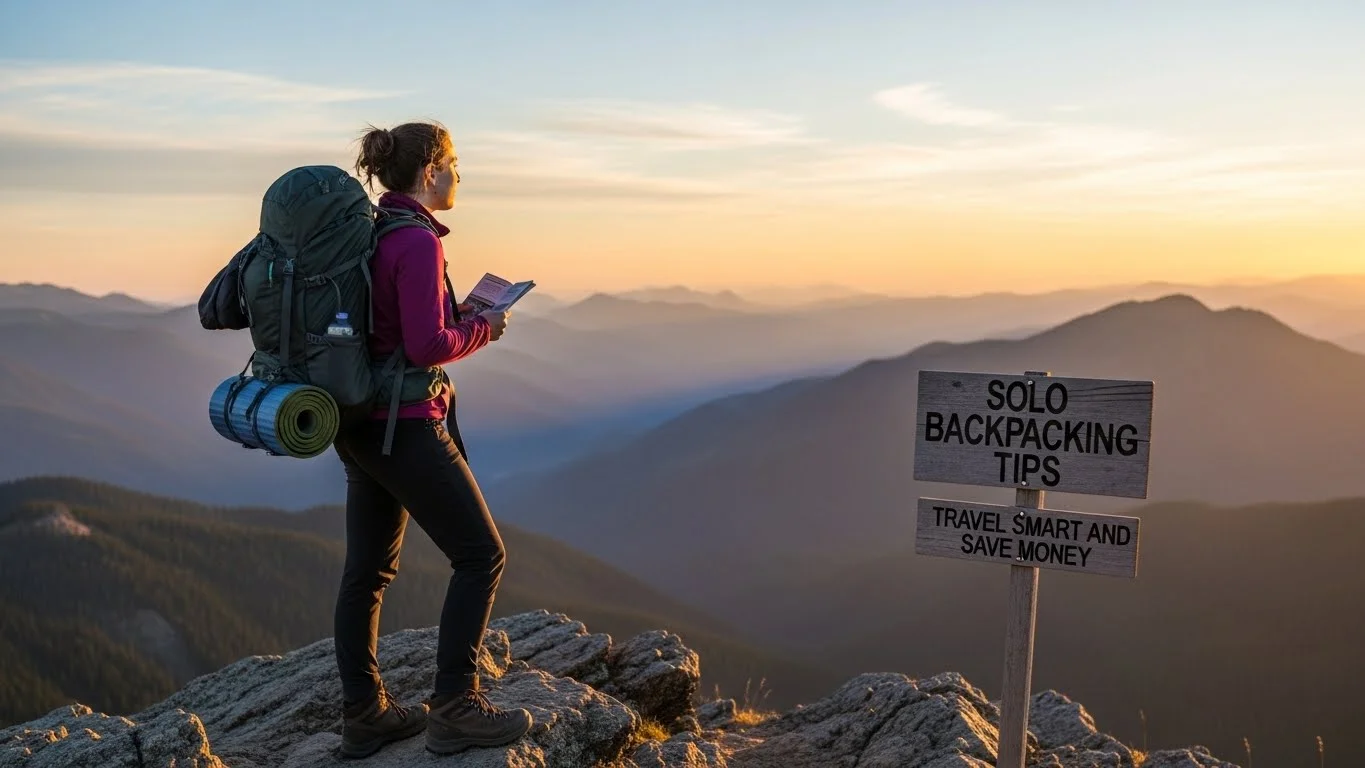
Solo backpacking is more than just traveling alone with a backpack. It’s about immersing ourselves in new cultures, exploring beautiful landscapes, and connecting with ourselves on a deeper level. I remember my first solo trip; I felt a mix of excitement and anxiety. I was venturing into the unknown with just my gear and a desire for adventure. The freedom to choose my path, decide where to go, and how long to stay was exhilarating. Each day unfolded uniquely, shaping my journey in ways I never expected.
Benefits of Solo Backpacking
There are so many reasons to consider solo backpacking. For me, the biggest benefit is the freedom it provides. I can wake up in the morning and decide to hike up a mountain, lounge in a cafe, or explore a hidden market—all without having to coordinate with anyone else’s schedule. This kind of independence fosters personal growth and self-discovery. I’ve learned to trust my instincts, make quick decisions, and embrace spontaneity. Additionally, traveling solo often leads to deeper connections with locals and other travelers. When I wasn’t surrounded by friends, I found myself engaging more authentically with people along the way. Whether it’s sharing a meal with a local family or bonding with fellow backpackers over campfire stories, these connections have enriched my travels immensely. To enhance your experience, check out the Ultimate Guide to Budget Backpacking: Tips for Solo Adventurers.
Challenges of Solo Backpacking
However, solo backpacking isn’t without its challenges. I’ve faced moments of loneliness, especially during long stretches of travel. There were times when I wished for someone to share the breathtaking views or the quirky local experiences with. Safety can also be a concern, as traveling alone may expose us to risks. I remember feeling uneasy in unfamiliar places late at night. I’ve had to learn how to balance trust in others with a healthy sense of caution. Another challenge is managing everything on my own—from navigating public transportation to cooking meals or finding accommodations. Sometimes, it felt overwhelming. However, overcoming these hurdles has taught me resilience and adaptability. Each challenge faced became a story worth telling, making the journey even more rewarding.
Planning Your Solo Backpacking Trip
Choosing Your Destination
When planning my trips, choosing the right destination is crucial. I’ve learned that some places are more suited for solo travelers than others. For instance, countries with friendly locals and a strong backpacking culture, like Thailand or Portugal, felt welcoming and safe. I also consider accessibility, language barriers, and how easy it is to meet other travelers. I remember feeling a sense of relief when I found a vibrant backpacker community that made me feel at home.
Best Time to Travel
The timing of my travels has also significantly impacted my experiences. I try to avoid peak tourist seasons, as they tend to be crowded and expensive. Traveling during the shoulder season not only saves money but also allows for a more intimate experience with the destination. I’ve found that visiting places just before or after the high season often means better weather and fewer crowds. It gives me the chance to explore popular sites without the hustle and bustle, allowing for a more peaceful experience.
Creating a Flexible Itinerary
While I love having a plan, I’ve discovered that flexibility is key. I often start with a loose itinerary, outlining must-see spots and activities but leaving room for spontaneity. One of my most memorable experiences came from a last-minute decision to join a local festival I stumbled upon while wandering. That unplanned moment turned into a highlight of my trip, filled with laughter, music, and new friendships. I recommend having a few backup options in case something doesn’t go as planned. Being adaptable can lead to unexpected adventures!
Researching Local Culture and Customs
Understanding local culture and customs has always been important to me. Before traveling, I spend time researching the destination. I want to respect local traditions and avoid any unintentional faux pas. Simple things, like learning a few basic phrases in the local language or understanding dress codes for specific sites, can make a huge difference in how I’m perceived by locals. I remember visiting a temple in Thailand and feeling grateful for my research; it allowed me to connect with the community on a deeper level, enriching my overall experience. For more tips, check out 10 Essential Backpacking Tips for Budget Solo Travelers.
Frequently Asked Questions
What is solo backpacking?
Solo backpacking is about immersing oneself in new cultures, exploring beautiful landscapes, and connecting with oneself on a deeper level while traveling alone with a backpack.
What are the benefits of solo backpacking?
The biggest benefit of solo backpacking is the freedom it provides, allowing travelers to make independent decisions about their itinerary. It fosters personal growth, self-discovery, and often leads to deeper connections with locals and other travelers.
What challenges might one face while solo backpacking?
Challenges of solo backpacking include moments of loneliness, safety concerns, and the need to manage everything independently, such as navigating public transportation and finding accommodations.
How can someone choose the right destination for solo backpacking?
Choosing the right destination involves considering factors like friendliness of locals, the strength of the backpacking culture, accessibility, language barriers, and the presence of a vibrant backpacker community.
When is the best time to travel for solo backpacking?
The best time to travel is usually during the shoulder season, as it avoids peak tourist crowds and expenses, allowing for a more intimate experience with the destination.
How important is it to create a flexible itinerary?
Creating a flexible itinerary is crucial as it allows room for spontaneity and unexpected adventures, making the trip more memorable and enjoyable.
What role does researching local culture and customs play in solo backpacking?
Researching local culture and customs is important to respect local traditions and avoid faux pas, which can enhance interactions with locals and enrich the travel experience.
What is the impact of traveling solo on personal growth?
Traveling solo fosters independence, quick decision-making, and the ability to embrace spontaneity, all of which contribute to personal growth and self-discovery.
How can one manage safety concerns while solo backpacking?
Managing safety concerns involves balancing trust in others with a healthy sense of caution, especially in unfamiliar places, to navigate potential risks effectively.
What is a memorable experience one might have while solo backpacking?
A memorable experience can occur from spontaneous decisions, such as joining a local festival, which can lead to new friendships and unforgettable moments during the trip.