
Embarking on a solo culinary journey is like opening a deliciously illustrated storybook, where each dish tells a tale of culture, tradition, and passion. Join me as we explore the world through its flavors! Read Interesting article: Savor the World: Culinary Adventures for Solo Travelers
Understanding Culinary Tourism
What is Culinary Tourism?
Culinary tourism, or food tourism as some call it, is more than just eating; it’s about experiencing the heart and soul of a place through its food. When I first learned about culinary tourism, I was instantly drawn to the idea of discovering new cultures one bite at a time. It involves traveling to different regions to explore their unique culinary practices, local ingredients, and traditional dishes. It’s an opportunity to connect with people, understand their histories, and savor the tastes that define their communities. I remember my first culinary trip to Italy, where every meal was an education in flavors and traditions. The way the locals prepared their dishes, often passed down through generations, made me appreciate the artistry behind each plate.
Importance of Food in Cultural Identity
Food is profoundly intertwined with cultural identity. It reflects a community’s history, geography, and social habits. For me, tasting local dishes is a way to embrace and understand the culture of a place. I’ve discovered that every region has its own food story. For example, while traveling through Thailand, I learned how the use of fresh herbs and spices is not just about flavor but also about health and tradition. In Mexico, the vibrant colors and diverse ingredients in their cuisine symbolize the rich blend of indigenous and colonial influences. Experiencing these culinary traditions firsthand has helped me appreciate the cultural diversity that exists around the globe.
Planning Your Solo Culinary Journey
Choosing Your Destinations
When it comes to choosing destinations for a culinary journey, I always start by thinking about the cuisines I love or want to explore. Whether it’s the rustic flavors of French countryside cooking or the bold spices of Indian cuisine, the world is full of culinary adventures waiting to happen. I’ve found that researching local food scenes can be incredibly helpful. Websites, blogs, and social media platforms are fantastic resources for discovering hidden gems. I remember stumbling upon a charming little restaurant in a back alley of Florence that served the best risotto I’ve ever had. These hidden spots often offer the most authentic experiences. Read Interesting article: Cultural Journeys: Engaging Family Experiences Abroad
Best Times to Visit for Culinary Experiences
Timing can significantly enhance your culinary journey. Each destination has its peak seasons for food festivals, harvests, and specific culinary events. For instance, I planned my trip to Japan during the cherry blossom season, not only to see the beautiful blooms but also to enjoy the seasonal sakura-flavored treats. Similarly, visiting Italy during truffle season opened up a whole new world of flavors I never knew existed. Researching local harvest times and food festivals can help you align your travels with the best culinary experiences.
Budgeting for Your Culinary Adventure
Budgeting for a culinary journey can be tricky, but I’ve learned that it’s essential to allocate funds wisely. I like to set aside a portion of my travel budget specifically for food experiences. This doesn’t just mean dining at high-end restaurants; street food can offer some of the most authentic and delicious meals at a fraction of the cost. For example, I once spent a few dollars on a street taco in Mexico City that blew my mind. It’s about prioritizing experiences over luxury. I’ve found that local cooking classes, food tours, and markets can provide incredible value and insight into the culture.
Essential Travel Tips for Solo Travelers
Traveling solo can feel daunting, but I’ve found it to be one of the most liberating experiences. One of my go-to tips is to stay open-minded and flexible. Sometimes, the best culinary experiences come from spontaneous decisions. I also suggest learning a few basic phrases in the local language. It can really enhance interactions with locals and open doors to incredible dining experiences. I remember when I tried to order in Italian at a small café in Rome; the server was so delighted that I ended up with a free dessert! It’s little moments like these that make solo culinary journeys so special.
Exploring Diverse Cuisines
Italian Cuisine: Beyond Pasta and Pizza
When I think of Italian cuisine, my mind often drifts to the comforting images of pasta and pizza. But there’s so much more to explore! During my travels through Italy, I discovered regional specialties that truly highlight the country’s culinary diversity. In the north, I was amazed by risottos and polenta, while in the south, I encountered dishes rich in seafood and fresh vegetables.
One of my favorite experiences was in Emilia-Romagna, where I learned about the art of making tortellini from a local nonna. She shared her family recipe, explaining the significance of each ingredient. I felt like I was connecting with generations of Italian cooks, and the joy of crafting those little pasta pockets was unforgettable. This experience opened my eyes to the fact that Italian food is a reflection of the land, the traditions, and the people. Every bite tells a story, and I wanted to savor every moment.
Mexican Cuisine: The Flavors of Tradition
Mexican cuisine is another vibrant tapestry woven from history, culture, and geography. My journey through Mexico was filled with discovering the importance of traditional cooking methods, like nixtamalization for making masa. I remember sitting at a small table in Oaxaca, where I had the chance to taste mole for the first time. Each layer of flavor was complex and captivating, a testament to the meticulous preparation that went into it.
Street food in Mexico is a culinary treasure. I found joy in sampling tacos, tamales, and elotes from local vendors. The flavors were bold, and the atmosphere was filled with laughter and community. I realized that sharing food is a universal language, and in Mexico, it brings people together in a way that’s beautiful and heartwarming. The vibrant markets and food stalls are not just places to eat; they are centers of culture and connection.
Japanese Cuisine: Sushi and Beyond
Japan is a land where culinary art meets tradition, and I was eager to dive in. While sushi is undoubtedly famous, my exploration revealed a wealth of dishes that reflect the seasonality and freshness of ingredients. I’ll never forget my visit to a kaiseki restaurant in Kyoto. The multi-course meal was an experience that combined aesthetics, taste, and the philosophy of balance.
One of the highlights was trying okonomiyaki, a savory pancake filled with various ingredients. I loved how I could customize it, adding my choice of toppings while cooking it right at the table. This interactive dining experience made me feel like I was part of the culinary process. I discovered that Japanese cuisine is not just about what you eat, but how it’s prepared and enjoyed, fostering a deep appreciation for the ingredients.
Indian Cuisine: A Spicy Journey
Indian cuisine is a vibrant explosion of spices, colors, and aromas. My travels through India were nothing short of a sensory adventure. I was often overwhelmed by the variety of dishes, each region bringing its own unique flavors and cooking styles. From the rich curries of the north to the lighter, coconut-based dishes of the south, I found something special in every meal.
One of my most cherished experiences was taking a cooking class in Jaipur, where I learned about the significance of spices and their health benefits. The instructor emphasized the importance of balancing flavors, and I felt like I was learning the essence of Indian cooking. I still remember the thrill of grinding fresh spices and creating my own curry. Eating the meal I prepared with new friends was the perfect way to cap off the day. It was a celebration of not just food, but of culture and friendship.
Middle Eastern Cuisine: The Taste of Hospitality
Middle Eastern cuisine is deeply rooted in hospitality and community, and my experiences there were nothing short of extraordinary. I had the pleasure of visiting a family in Lebanon, where they welcomed me with open arms and an array of dishes. From tabbouleh to shawarma, each bite was a taste of their history and culture.
One of the most memorable moments was sharing a meal of mezze, a variety of small dishes meant to be shared. It felt like a feast, and the act of passing dishes around the table created a warm atmosphere filled with laughter and stories. I learned that in Middle Eastern culture, food is a way to connect with others, and the experience of sharing meals is just as important as the food itself. It left a lasting impression on me about how food can foster relationships and bring people together.
Local Food Markets and Street Food
Finding Authentic Street Food Experiences
One of the most exhilarating parts of my culinary adventures has been diving into the world of street food. There’s an unfiltered charm in these bustling stalls and food carts that simply draw me in. I’ve often found that some of the most memorable meals come from the simplest sources. It’s in the street vendors where the heart of a city truly beats, and every bite reveals a blend of tradition and flavor.
During my time in Bangkok, I remember wandering through the night markets, where the smell of sizzling skewers and fragrant curries filled the air. I decided to follow my nose, and it led me to a small stall where a woman was expertly pouring batter into a hot pan to make khanom krok, a delightful coconut pudding. Sharing a plate of these warm treats with locals, laughing and chatting, made me feel like I was part of something bigger than just a meal.
To discover authentic street food, I recommend talking to locals or joining a food tour. These experiences often reveal hidden gems that you might miss otherwise. I’ve found that asking your hotel concierge for recommendations can also lead to delightful surprises. It’s amazing how a simple conversation can unlock the best bites in town!
Visiting Local Markets: A Cultural Immersion
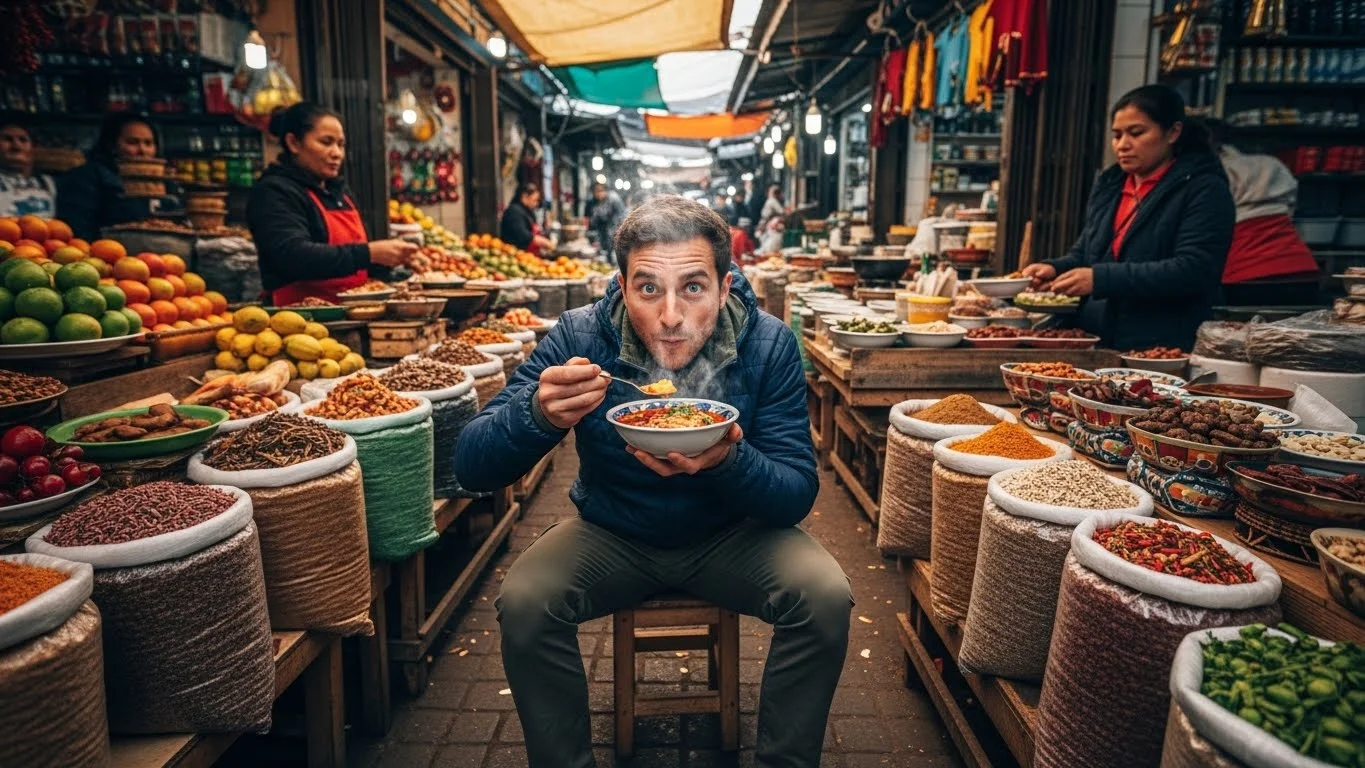
Local markets are another treasure trove for culinary explorers. They are vibrant, colorful, and filled with aromas that transport you straight into the essence of a culture. I make it a point to visit markets wherever I travel. On my trip to Marrakech, I was mesmerized by the sights and sounds of the souks. The stalls overflowed with spices, dried fruits, and beautifully crafted ceramics. I spent hours wandering, sampling olives, and bargaining for spices that I could bring back home.
One of my favorite market experiences was in Barcelona’s La Boqueria, where I indulged in fresh seafood and beautiful tapas. Watching chefs prepare dishes right before my eyes made me appreciate the love and care that goes into food. Markets often serve as social hubs, where locals gather to shop and chat, which gives me a deeper understanding of the community’s way of life.
For anyone planning a culinary journey, I suggest setting aside time to explore food markets. They not only offer a chance to taste local flavors but also provide insight into daily life and culture. Don’t forget to bring a camera to capture the vibrant displays and the joy of sharing food with fellow travelers.
Culinary Classes and Workshops
Hands-On Cooking Classes with Locals
One of the most enriching experiences I’ve had during my travels has been taking cooking classes with locals. There’s something magical about learning to cook traditional dishes from someone who has been doing it their whole life. I remember my class in Tuscany, where we gathered fresh ingredients from a local market before heading to a charming kitchen. The warmth and hospitality of our host made the experience unforgettable.
As we chopped vegetables and kneaded dough, stories of family traditions and the significance of each dish filled the air. By the end of the day, we had created a feast that felt like a celebration of our newfound connections. Not only did I learn how to make gnocchi, but I also left with a deeper appreciation for the culture and the stories behind the food.
I highly recommend seeking out these classes in your chosen destinations. They not only teach you about cooking but also about the local customs and the importance of food in their lives. After attending a cooking class, I often find that I cook that cuisine back home, trying to recreate the flavors and memories associated with it.
Learning Traditional Techniques and Recipes
Beyond just cooking, I’ve learned that immersing myself in traditional techniques can transform my understanding of a cuisine. In India, for instance, I was lucky enough to participate in a workshop where we ground spices using a stone mortar and pestle. The instructor emphasized how this method brings out the true essence of the spices. I felt a connection to generations of cooks who have followed the same process.
From learning how to fold dumplings in a small Tibetan kitchen to mastering the art of sushi rolling in Japan, each lesson was packed with history and meaning. I believe these traditional techniques not only enhance the flavors but also tell the stories of the people and places where they originate.
If you’re considering a culinary class, look for ones that focus on these traditional methods. It’s a unique way to delve into the culture while acquiring skills you can cherish for a lifetime. Cooking is not just about the food; it’s about the love and tradition that goes into making it.
Food Festivals Around the World
Top Culinary Festivals to Attend
Food festivals are a treasure trove for culinary enthusiasts, and I’ve had the pleasure of attending some incredible ones during my travels. These festivals not only showcase local dishes but also highlight the culture and community spirit of a region. One of my favorites is the Salon International de l’Agriculture in Paris, a massive event celebrating French agriculture and gastronomy. The diverse range of cheese, wine, and artisanal products made my taste buds dance with joy!
Another unforgettable experience was the Feria Gastronómica in Mexico City, where local chefs came together to celebrate traditional Mexican cuisine. The vibrant atmosphere filled with live music, cooking demonstrations, and, of course, mouthwatering food made it a feast for the senses. I remember trying a variety of dishes, from tacos al pastor to innovative fusion dishes that honor traditional flavors. I recommend checking local tourism websites or social media for upcoming food festivals in your travel destinations—they’re often seasonal and unique to each culture.
Experiencing Local Culture Through Food Events
Food festivals are not just about tasting; they’re an immersive experience into the local culture. During my time at the Albuquerque International Balloon Fiesta, I discovered the rich culinary heritage of New Mexico through its traditional dishes, like green chile stew and sopapillas. It was fascinating to see how food and community come together at these events, reflecting the pride locals have in their culinary traditions.
I also remember attending the Taste of Chicago, where I savored everything from deep-dish pizza to gourmet hot dogs while enjoying live performances by local artists. These moments reminded me that food is a central part of celebration and community bonding. Attending food events like these creates lasting memories and offers a deeper understanding of a culture beyond just its cuisine.
Dining Etiquette and Cultural Norms
Understanding Local Dining Customs
As I embarked on my culinary journeys, I quickly realized that understanding local dining customs is essential for a respectful and enriching experience. Each culture has its own set of traditions and etiquette that can vary significantly. For instance, I learned that in Japan, it’s customary to say “itadakimasu” before starting a meal, expressing gratitude for the food. I still remember the warm smile from the chef when I followed this practice—it felt like being part of a special ritual.
Similarly, dining in Middle Eastern countries often involves sharing dishes and eating with your hands, which fosters a sense of community and togetherness. I had the chance to experience this firsthand while sharing a meal in a cozy home in Lebanon, where we all gathered around a large platter of delicious mezze. Understanding these customs not only enhances the experience but also shows respect for local traditions.
Tipping Practices Worldwide
Tipping can be another aspect that varies widely across cultures, and I’ve learned to adapt my approach wherever I go. In the United States, tipping around 15-20% is expected, while in Japan, it can be considered rude. I remember feeling a bit awkward in a Tokyo restaurant when I tried to leave a tip, only to have the server politely refuse it. Understanding these nuances can help avoid misunderstandings and create a more enjoyable dining experience.
In many Middle Eastern countries, I found that service charges are often included in the bill, but leaving a small tip is still appreciated. I recommend doing a bit of research on tipping customs before traveling to avoid awkward situations and to show appreciation for good service.
Documenting Your Culinary Journey
Keeping a Travel Food Journal
One of the most rewarding practices I’ve adopted is keeping a travel food journal. It’s a way for me to capture the flavors, experiences, and emotions associated with each meal. I find it particularly helpful to jot down notes right after I try a dish, including what I loved about it and any interesting stories I learned. Looking back at my notes often brings a wave of nostalgia. I remember tasting a delicious gelato in Florence and describing the creamy texture and the way the flavors blended perfectly—now it feels like a cherished memory I can revisit anytime.
A travel food journal can also help when you return home and want to recreate your favorite dishes. By documenting recipes and experiences, I’ve been able to bring a taste of my adventures back to my kitchen, sharing them with friends and family.
Sharing Your Experiences on Social Media
In this digital age, sharing our culinary journeys on social media has become incredibly popular. I love posting pictures of my meals and capturing the atmosphere of each dining experience. There’s something fulfilling about connecting with fellow food lovers and inspiring others to explore new cuisines. I often find recommendations and tips from friends and followers, making it a vibrant community of culinary explorers.
However, I also try to be mindful of not just posting for the sake of it but rather sharing genuine experiences. I remember a particularly stunning dish of paella I had in Spain. Instead of just snapping a photo, I took a moment to reflect on the flavors and the story behind it, which I shared in my caption. I’ve found that this approach resonates more with my audience and encourages meaningful conversations about food and culture.
Safety Tips for Solo Culinary Travelers
Staying Safe While Exploring New Foods
As exciting as culinary tourism can be, safety should always be a priority, especially for solo travelers. I’ve learned to trust my instincts when choosing where to eat. Sticking to crowded, lively spots often indicates good food and a safe environment. I remember wandering through night markets, and while I was tempted by all the delicious smells, I made sure to choose stalls that were busy with locals. Their presence often reassured me about the quality and safety of the food.
It’s also wise to keep an eye on your belongings, especially in high-traffic areas. I’ve had moments where I got so engrossed in a cooking demonstration that I momentarily forgot about my bag. Staying aware of my surroundings has helped me enjoy my culinary adventures without worrying about my safety.
Health Considerations When Trying New Cuisines
When venturing into new culinary territories, I’ve learned to be mindful of health considerations. Trying new foods is part of the adventure, but it’s essential to listen to my body. I remember experiencing some mild stomach discomfort after indulging in street food that I wasn’t used to. It taught me the importance of moderation and gradually introducing new flavors to my diet while traveling. Staying hydrated is also crucial, especially in hotter climates. I always carry a reusable water bottle to ensure I stay refreshed as I explore.
Additionally, I recommend checking local health guidelines about food safety. Understanding what’s safe to eat, especially in developing countries, can make a significant difference in your experience. By being cautious and respectful of my health, I’ve been able to enjoy my culinary journeys to the fullest.
Resources for Planning Your Culinary Journey
Recommended Websites and Apps
Planning a culinary adventure has become easier with the wealth of resources available online. I often turn to websites like EatWith and Airbnb Experiences to find unique dining opportunities with locals. These platforms allow you to book home-cooked meals or food-related experiences that provide a taste of authentic local culture. Read Interesting article: Cruise Culinary Delights: A Guide to Gourmet Dining
Social media platforms like Instagram and Pinterest are also fantastic for discovering food trends and recommendations. I’ve found countless inspiration by following food bloggers and local chefs who share their culinary journeys. It’s a great way to connect and learn about hidden gems before heading to a new destination.
Books on Culinary Travel and World Cuisines
Books can also serve as an excellent resource for anyone looking to explore culinary tourism. I’ve read several travel and food memoirs that weave together personal stories and recipes from around the world. Titles like “A Cook’s Tour” by Anthony Bourdain and “The Food Traveler’s Handbook” by Jodi Ettenberg have offered me valuable insights into different cuisines and cultures. These books not only teach about food but also inspire a sense of adventure, making me eager to explore the world through my taste buds.
Final Thoughts
Culinary tourism has transformed the way I travel. It has opened my eyes to the beauty of cultures around the world, all expressed through food. Each meal I’ve enjoyed has been a story waiting to be told, and every experience has enriched my understanding of the world. Whether it’s savoring street food in bustling markets or learning traditional cooking techniques, the journey has been as delightful as the dishes themselves. I hope this guide inspires you to embark on your own culinary adventure, to explore new flavors, and to connect with people across the globe through the universal language of food. Bon appétit!
Frequently Asked Questions
What is culinary tourism?
Culinary tourism, also known as food tourism, is about experiencing the heart and soul of a place through its food. It involves traveling to different regions to explore unique culinary practices, local ingredients, and traditional dishes, connecting with people and their histories.
Why is food important to cultural identity?
Food is deeply intertwined with cultural identity as it reflects a community’s history, geography, and social habits. Tasting local dishes helps individuals embrace and understand the culture of a place, revealing each region’s unique food story.
How can I choose destinations for a culinary journey?
Choosing destinations starts with considering the cuisines you love or want to explore. Researching local food scenes through websites, blogs, and social media can help uncover hidden gems that offer authentic culinary experiences.
What are the best times to visit for culinary experiences?
Timing can enhance your culinary journey, as each destination has peak seasons for food festivals, harvests, and culinary events. Aligning your travels with these times can lead to memorable culinary experiences.
What budgeting tips are helpful for culinary adventures?
Budgeting for a culinary journey involves allocating funds wisely, including setting aside money specifically for food experiences. Prioritizing experiences over luxury and seeking out street food can provide authentic meals at lower costs.
What essential travel tips should solo travelers consider?
Solo travelers should remain open-minded and flexible, as spontaneous decisions can lead to the best experiences. Learning basic phrases in the local language can enhance interactions with locals, creating memorable dining moments.
What are some highlights of Italian cuisine beyond pasta and pizza?
Italian cuisine includes a variety of regional specialties, such as risottos and polenta in the north and seafood-rich dishes in the south. Each dish reflects the land, traditions, and stories of the people, creating a diverse culinary landscape.
How can one find authentic street food experiences?
Authentic street food experiences can be discovered by talking to locals, joining food tours, and seeking recommendations. Busy stalls often indicate good food quality and safety, making them ideal spots for culinary adventures.
What should travelers know about dining etiquette in different cultures?
Understanding local dining customs is important for a respectful experience. Each culture has unique traditions, such as saying “itadakimasu” in Japan before a meal or sharing dishes in Middle Eastern countries, which fosters community and togetherness.
What resources are recommended for planning a culinary journey?
Helpful resources for planning culinary adventures include websites like EatWith and Airbnb Experiences for unique dining opportunities, as well as books that weave together personal stories and recipes from around the world, providing insights into various cuisines and cultures.